Dasuquin for Cats: Dosage, Ingredients, and Side Effects
By Dr. Zubair Khalid, DVM, MS, PhD ·
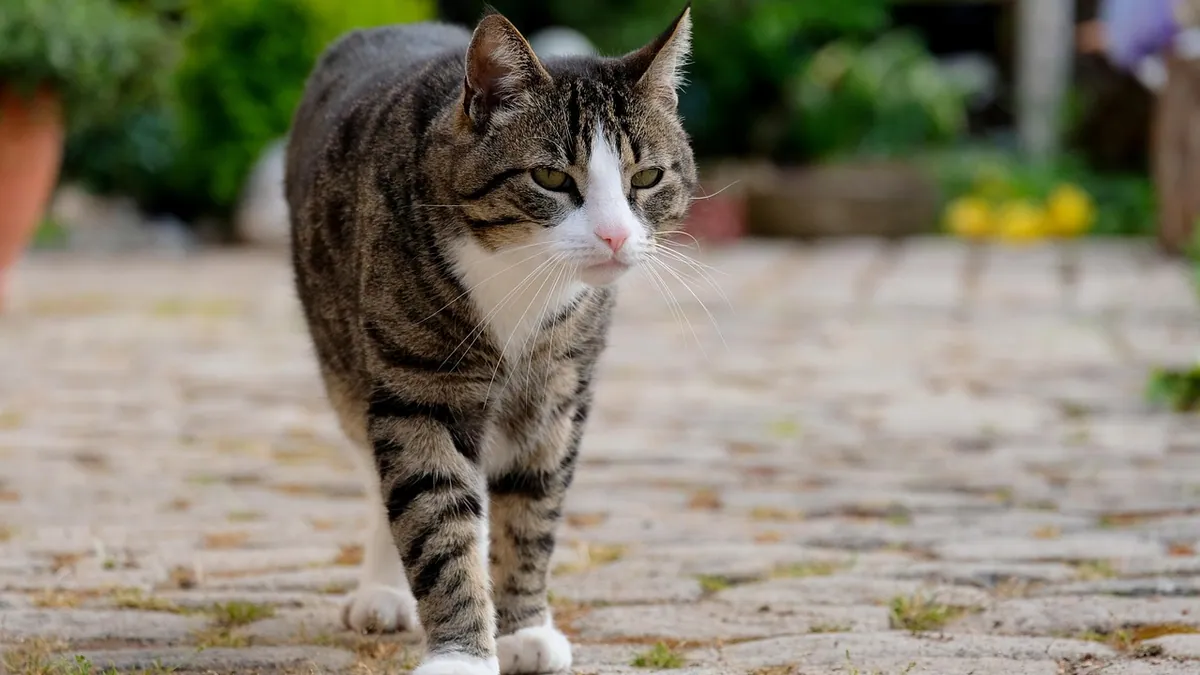
Joint supplements like Dasuquin are popular for cats with stiff, achy joints, but the right dasuquin for cats dosage depends on your cat's weight and the form of the product your veterinarian recommends. This article explains what is in Dasuquin, how it is used in cats, what side effects to expect, and when to call your veterinarian.
This article is educational and is not a substitute for veterinary diagnosis or treatment.
Quick Answer
- Dasuquin is a glucosamine and chondroitin sulfate supplement marketed for joint support, and it is not a drug or a painkiller in the traditional sense.
- Your veterinarian decides the dose based on your cat's weight, the product form (chew or capsule), and how severe the joint pain is. There is no single universal dose you can safely guess at home.
- In a 2022 placebo-controlled trial, cats with degenerative joint disease showed improvement in several outcome measures, but both the supplement and placebo groups improved, so results are mixed [1].
- Most cats tolerate Dasuquin well, and serious side effects are uncommon. Mild stomach upset is the most likely problem.
- Never give a joint supplement instead of a diagnosed pain management plan. Cats hide pain well, and many cases of arthritis go undiagnosed without a veterinary exam [2].
What Is Dasuquin and What Do Veterinarians Use It For?
Dasuquin is a nutraceutical, which means it is sold as a nutritional supplement instead of a prescription medication. Its main ingredients are glucosamine and chondroitin sulfate, often combined with other compounds like avocado and soybean unsaponifiables and green tea extract. Veterinarians recommend it most often for cats with degenerative joint disease, also called osteoarthritis or DJD.
Arthritis in cats is far more common than most owners realize. A screening study using a validated Feline Osteoarthritis Checklist found that many cats with joint disease were not being identified through routine exams and owner reports alone [2]. That matters because cats are masters at hiding discomfort. A cat who stops jumping on the counter or who seems "just old" may actually be in pain.
Veterinarians use Dasuquin as part of a broader joint health plan. That plan may include weight management, environmental changes (ramps, low-sided litter boxes, soft bedding), and prescription pain medication when needed. A supplement is a support tool, not a replacement for treating pain directly.
If your cat also has skin allergies or is on other medications, it helps to understand how those treatments work too. You can read more about Cat Prednisolone for Allergies: Side Effects and Safe Use and about Prednisolone for Cats: Feline Safe Steroid Dose and Autoimmune to see how steroids fit into feline care.
How Does Dasuquin Work?
Glucosamine and chondroitin sulfate are building blocks and support molecules for cartilage. The idea is that supplying these compounds may help maintain joint cartilage and reduce inflammation in the joint. In practice, the evidence in cats is modest.
A 2022 randomized, double-blind, placebo-controlled trial evaluated a glucosamine and chondroitin sulfate supplement in 59 cats with degenerative joint disease and owner-noted mobility problems [1]. The researchers measured pain, activity, and quality of life over several weeks. One striking finding was that during the first two weeks, when all cats received a placebo, 78% of cats improved on the owner-reported outcome measure [1]. That tells you something important: owner expectations and extra attention can produce real perceived improvement, which is exactly why placebo-controlled studies matter.
Both groups showed significant improvement at most time points, which makes it hard to claim the supplement alone was responsible for the changes [1]. This does not mean Dasuquin is useless. It means the honest answer is that benefits, if any, tend to be mild and are difficult to separate from placebo effects and from the other care your cat receives.
Other joint support ingredients are being studied in cats. Beta-glucans, for example, show promise as a safe supplement for osteoarthritis, but researchers say more clinical trials are needed, especially in real-world settings [3]. Green-lipped mussel extract increased activity in aged non-domesticated cats in one study, though that was a different species and a different product [4]. These findings suggest the general category of joint nutraceuticals has some biological plausibility, but no single product is proven to reverse arthritis.
Dasuquin for Cats Dosage: What Owners Need to Know
Who Decides the Dose?
Your veterinarian decides the dose. There is no safe universal number you can apply to every cat. The correct amount depends on your cat's body weight, the specific Dasuquin product (there are different formulations and sizes), whether you are using chews or capsules, and whether your cat is in an initial loading phase or a maintenance phase.
Do not borrow a dose from a dog product, a friend's cat, or an online forum. Dog chews are often much larger and can contain ingredients or amounts meant for a much bigger animal. If you are unsure, call your veterinary clinic and ask them to confirm the dose for your cat's exact product and weight.
Chews vs Capsules
Dasuquin for cats comes in chewable form and in capsule form. Chews are convenient because many cats eat them as a treat, but some cats are picky and refuse them. Capsules can be opened and the powder mixed into a small amount of wet food, which helps if your cat will not eat chews.
Whichever form you use, follow the label directions your veterinarian gives you. If your cat eats only part of a chew, do not double up at the next meal to "catch up." Give the next scheduled amount and mention the missed portion to your vet if it happens often.
Giving the Dose and Missed Doses
Give the supplement at the same time each day, ideally with food to reduce the chance of stomach upset. If you miss a dose, give it when you remember, unless it is almost time for the next one. In that case, skip the missed dose and continue on schedule. Never give two doses at once.
Keep a simple log of what you give and when. This helps your veterinarian judge whether the supplement is helping after a fair trial, usually several weeks.
Dasuquin for Cats Side Effects
Most cats handle glucosamine and chondroitin supplements without problems. When side effects do occur, they are usually mild and related to the digestive tract. Serious reactions are uncommon but possible.
| Side effect | How common or serious | What to do |
|---|---|---|
| Vomiting or soft stool | Uncommon and usually mild | Stop the supplement, offer bland food, and call your vet if it lasts more than a day |
| Reduced appetite | Uncommon and usually mild | Try giving with food or splitting the dose, and contact your vet if your cat stops eating |
| Lethargy or unusual behavior | Rare | Stop the supplement and call your vet the same day |
| Itching, hives, facial swelling | Rare but serious | Stop the supplement and seek veterinary care right away |
| Difficulty breathing | Rare and an emergency | Go to an emergency clinic immediately |
Because Dasuquin is a supplement, it is not held to the same manufacturing standards as prescription drugs. That is one reason to buy from a reputable source and to tell your veterinarian exactly which product you are using.
If your cat is on other supplements or medications, including things like CBD, review the full list with your vet. You can learn about feline safety and toxicity in CBD Oil for Cats: Feline Safety Profile and THC Toxicity and about common parasite preventives in Revolution Plus for Cats: Selamectin Sarolaner Feline Dose Guide.
Who Should Not Take Dasuquin and What Interacts With It?
Dasuquin is not right for every cat. Talk to your veterinarian before starting it if your cat:
- Has kidney or liver disease
- Has diabetes or another chronic condition
- Is pregnant or nursing
- Is scheduled for surgery soon
- Is already taking multiple supplements or medications
Cats with known allergies to any ingredient should not receive the product. Shellfish allergies are sometimes a concern with glucosamine sources, so mention any known sensitivities to your vet.
Interactions between joint supplements and prescription drugs are not well studied in cats. That does not mean interactions cannot happen. It means the data are limited. The safest approach is to give your veterinarian a complete list of everything your cat takes, including over-the-counter products, and to ask before adding anything new.
Overdose and When to Call a Veterinarian or Poison Control
If your cat eats more than the intended amount, call your veterinarian or a pet poison control hotline right away. Bring the product container so you can read the ingredient list and amounts to the person on the phone.
Watch for vomiting, diarrhea, drooling, wobbliness, or unusual behavior. These signs can have many causes, and a supplement overdose is only one possibility. Do not wait to see if symptoms appear before calling, especially if a large amount was eaten.
If your cat collapses, has trouble breathing, has a seizure, or cannot stand, go to an emergency veterinary clinic immediately.
Limitations and When to Contact a Veterinarian
Joint supplements are not a cure for arthritis, and the evidence for their benefit in cats is mixed [1]. If your cat's mobility does not improve after a fair trial, that is useful information, not a failure on your part. It may mean your cat needs a different approach, including prescription pain relief.
Contact your veterinarian the same day if your cat:
- Vomits repeatedly or refuses food for more than 24 hours
- Seems more painful or less mobile after starting the supplement
- Develops swelling, itching, or hives
- Has a change in behavior, appetite, or litter box habits
Go to an emergency clinic now if your cat:
- Has difficulty breathing
- Collapses or cannot stand
- Has a seizure
- Has severe vomiting or diarrhea with weakness
Schedule a routine visit if your cat has been on the supplement for several weeks with no clear improvement, or if you are unsure whether the dose is correct. Every cat is different, and individual cases need a veterinarian who can examine your cat, review the full history, and adjust the plan.
Frequently Asked Questions
Can I give my cat Dasuquin every day?
Yes, most joint supplements are given daily, and consistency matters more than timing. Your veterinarian will tell you whether to use a loading amount first and then a lower maintenance amount. Follow that plan instead of guessing.
How long does Dasuquin take to work in cats?
Owners often notice changes within a few weeks, but the placebo effect is strong in joint studies, so improvement does not prove the supplement caused it. Give it a fair trial as directed by your vet, then reassess together.
Is Dasuquin safe for kittens?
Joint supplements are generally intended for adult cats with joint disease, not growing kittens. Kittens have different nutritional needs, so ask your veterinarian before giving any supplement to a cat under one year old.
Can I open the capsule and mix it into food?
Many owners do this when a cat refuses chews or capsules whole. Mix the powder into a small amount of wet food so you can confirm your cat ate the full dose. Check with your vet first, since some products are formulated to be given intact.
What should I do if my cat refuses the chew?
Try a different form, such as a capsule mixed into food, or ask your veterinarian about alternatives. Do not force a chew into your cat's mouth, since this can cause choking or injury. If refusal continues, your vet can suggest another joint support option.
Related Articles
- Cat Prednisolone for Allergies: Side Effects and Safe Use
- Can I Give My Cat Melatonin? Safety, Dosage, and When to Avoid It
- Prednisolone for Cats: Feline Safe Steroid Dose and Autoimmune
- CBD Oil for Cats: Feline Safety Profile and THC Toxicity
- Revolution Plus for Cats: Selamectin Sarolaner Feline Dose Guide
- Can You Give Your Cat Benadryl? Dosage and Safety Guide
- Cosequin for Cats: Dosage and Side Effects
- Glucosamine for Cats: Dosage, Benefits, and Side Effects
- Aspirin for Cats: Dosage, Risks, and Side Effects
References
- Evaluation of a nutritional supplement for the alleviation of pain associated with feline degenerative joint disease: a prospective, randomized, stratified, double-blind, placebo-controlled clinical trial. Journal of feline medicine and surgery, 2022.
- Implementation of a prospective in-clinic validated Feline Osteoarthritis Checklist. Journal of feline medicine and surgery, 2025.
- Translating Human and Animal Model Studies to Dogs' and Cats' Veterinary Care: Beta-Glucans Application for Skin Disease, Osteoarthritis, and Inflammatory Bowel Disease Management. Microorganisms, 2024.
- Nutraceutical supplementation increases mobility in aged captive non-domesticated felids. The Veterinary record, 2024.