Feline Herpesvirus Treatment: Antivirals and Supportive Care
By Dr. Zubair Khalid, DVM, MS, PhD ·
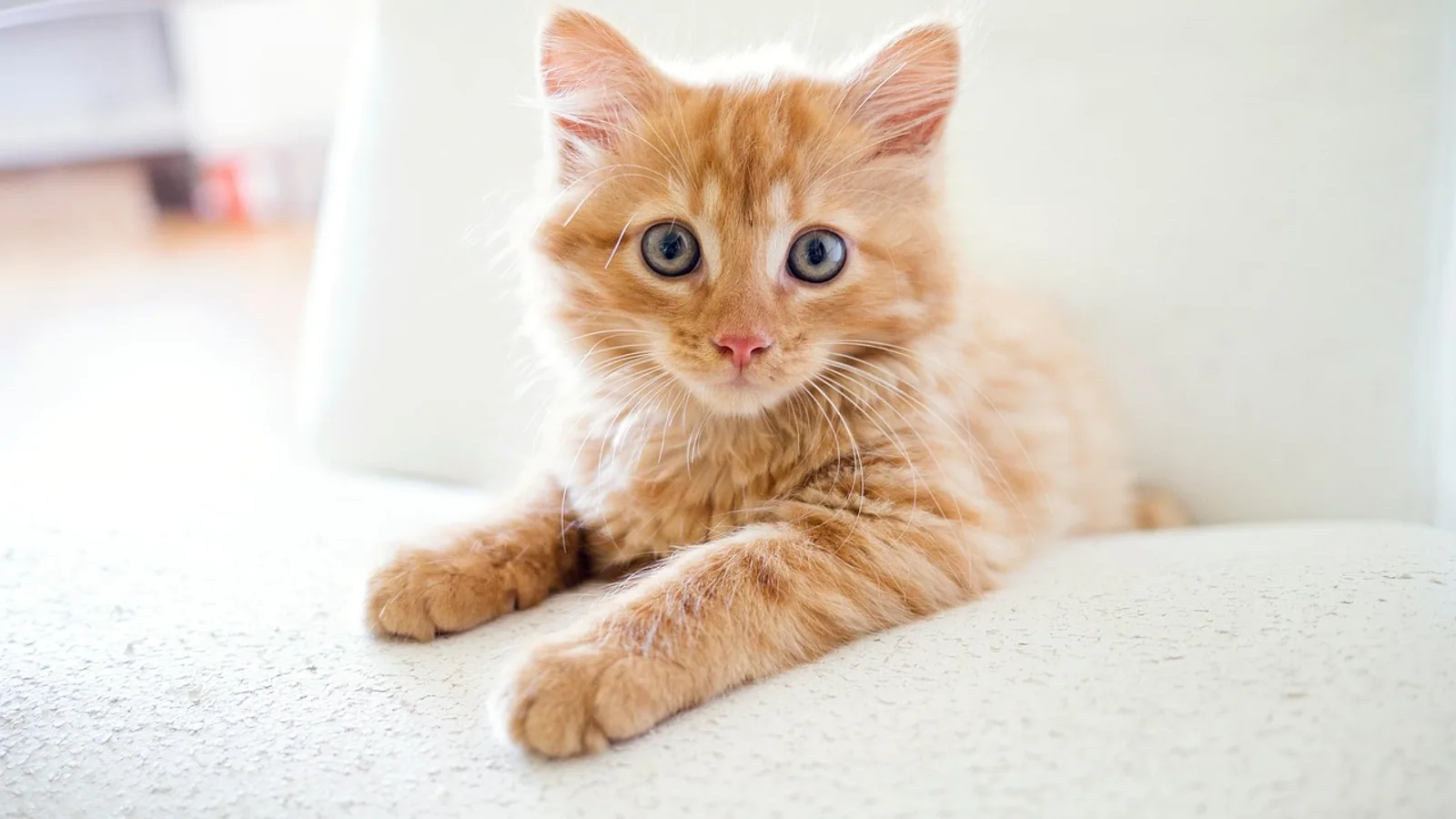
Feline herpesvirus type 1 (FHV-1) treatment is built on two pillars: antiviral medication that slows viral replication during an active outbreak, and supportive care that keeps the cat eating, hydrated, comfortable, and free of secondary bacterial infection while the immune system clears the episode. There is no drug that removes FHV-1 from a cat's body. The virus establishes latency in the trigeminal ganglia, the nerve bundle that serves the face and eyes, and it reactivates when the cat is stressed, ill, or immunosuppressed [1]. Every treatment plan, whether it is a course of oral famciclovir, an ophthalmic antiviral drop, or simple nursing care at home, is aimed at the acute episode rather than a cure.
This guide covers what veterinarians actually prescribe for feline herpesvirus, how those drugs work, which ones are dangerous in cats, why lysine supplementation has fallen out of favor, how to manage herpes-related eye disease, and how to reduce the stress that triggers the next flare.
This article is educational and is not a substitute for veterinary diagnosis or treatment.
At a Glance
| Feature | Details |
|---|---|
| Target pathogen | Feline herpesvirus type 1 (FHV-1) |
| Preferred systemic antiviral | Famciclovir, given orally |
| Common topical antivirals | Cidofovir 0.5% solution, ganciclovir 0.15% gel |
| Drug to avoid | Acyclovir and valacyclovir, both toxic in cats |
| Supplement with no proven benefit | L-lysine |
| Typical treatment length | 7 to 21 days for most episodes, longer for severe or chronic disease |
| How it is given | Oral tablets or compounded solution, ophthalmic drops or gel, plus supportive nursing |
| Onset of visible improvement | Often within several days, with full response sometimes taking 2 to 3 weeks |
| Prescription status | All antivirals are prescription-only in the United States |
| Species and age | Domestic cats, including kittens, under veterinary direction |
What Feline Herpesvirus Actually Does
FHV-1 is one of the most common infectious agents in cats. Reported exposure rates in some populations reach as high as 97 percent, and virtually every cat exposed becomes persistently infected for life [1]. After the initial infection, the virus travels along sensory nerves and settles into the trigeminal ganglia, where it stays quiet. Around half of persistently infected cats will shed virus at some point in their lives, and shedding is what produces both new infections in other cats and recurrent disease in the same cat [1].
Reactivation is tied to stress. A move to a new home, a stay in a shelter, the introduction of another cat, a medical procedure, or an unrelated illness can all push the virus back into active replication. This is why feline herpesvirus treatment is best understood as episodic management. You are not eliminating the virus. You are shortening and softening the outbreaks and protecting the eyes and airways from lasting damage.
Young and adolescent cats are most at risk of severe primary disease [1]. Repeated bouts of ocular herpes can lead to progressive corneal pathology that may ultimately blind the eye, so eye involvement deserves prompt attention rather than a wait-and-see approach.
How Antiviral Treatment Works
Herpesviruses replicate by copying their DNA inside host cells. The antiviral drugs used in cats interfere with that copying process by targeting the viral DNA polymerase, the enzyme the virus needs to duplicate its genome [2]. When the drug blocks the enzyme, viral replication slows and the cat's immune system gains the upper hand.
This mechanism explains two important clinical facts. First, antivirals work best when started early in an outbreak, while viral replication is still ramping up. Second, they do not clear latent virus, because latent virus is not actively replicating and therefore is not a target for these drugs.
Famciclovir: The Preferred Systemic Antiviral in Cats
Famciclovir is the systemic anti-herpes drug of choice for cats. It is an oral prodrug, meaning the body converts it into its active form after absorption. In cats, that active metabolite is penciclovir, and plasma penciclovir concentrations are what correlate with clinical effect [3].
The evidence for famciclovir in cats is stronger than for any other systemic option. In a study of cats experimentally infected with FHV-1, cats treated with famciclovir at 90 mg/kg three times daily had lower disease scores from days 4 through 18 after inoculation, gained weight while untreated cats lost weight, shed herpetic DNA less frequently, and had lower conjunctivitis scores on histology [3]. A separate randomized trial found that oral famciclovir at 90 mg/kg twice daily reduced clinical ocular disease scores and corneal leukocyte infiltrates compared with placebo, with no significant difference between famciclovir and topical ganciclovir in that model [4].
Real-world data support the same conclusion. In a retrospective series of 59 client-owned cats treated with oral famciclovir three times daily for naturally occurring FHV-1 disease, conjunctivitis and keratitis were the most common findings, and clinical improvement was graded as marked in 51 percent of cats and mild in 34 percent [5]. That study also found that cats receiving the higher dose of approximately 90 mg/kg three times daily improved faster and more completely than cats receiving roughly 40 mg/kg three times daily [5]. The practical takeaway is that dose matters, and underdosing is a common reason for a disappointing response.
Famciclovir has also been used successfully for disease beyond the eye. A case series described improvement in cats with conjunctivitis, keratitis, corneal sequestra, rhinosinusitis, and FHV-1 associated dermatitis, including one cat with severe destructive rhinosinusitis that improved substantially on a four-month course combined with antibacterials [6]. Corneal sequestra detached in two of three treated cats, and cats with ocular signs were more comfortable with reduced clinical signs [6].
Famciclovir is generally well tolerated. In the experimental study, treated cats gained weight and showed no pattern of adverse clinical effects [3]. In the 59-cat case series, adverse effects were uncommon and owner satisfaction was high [5].
Acyclovir and Valacyclovir Are Toxic in Cats
This is the single most important safety point in feline herpesvirus treatment. Acyclovir, a mainstay of human herpes management, is toxic in cats and should not be used systemically. Valacyclovir, which is converted to acyclovir, is worse. In a controlled study, cats infected with FHV-1 and treated with valacyclovir at 60 mg/kg orally every six hours became noticeably more lethargic and dehydrated than control cats beginning between days 6 and 9, developed significantly lower white blood cell and neutrophil counts, and the experiment had to be terminated early for humane reasons [7].
Owners sometimes ask whether they can give their cat a leftover human herpes prescription. The answer is no. Doses and drugs designed for human herpesvirus are not interchangeable with feline treatment, and the consequences of getting this wrong can be severe.
Topical Ophthalmic Antivirals
When disease is confined to the eye surface, topical antivirals deliver drug directly to the site and avoid systemic exposure. Three agents appear in the feline literature.
Cidofovir 0.5% ophthalmic solution has the most consistent supporting data among topical options. In cats with experimentally induced primary ocular FHV-1 infection, twice-daily application of 0.5% cidofovir significantly reduced clinical scores and ocular viral shedding compared with control [8]. In a masked placebo-controlled shelter study of 132 cats, cidofovir significantly decreased viral load from day 1 to day 8 compared with placebo [9]. Cidofovir has a practical advantage as well, since it can be applied less frequently than some alternatives.
Cidofovir is not without risk. A retrospective review of 140 cats treated with topical ophthalmic cidofovir found that 6 cats, about 4.3 percent, developed a suspected local toxic reaction [10]. The syndrome included persistent squinting, ocular discharge, conjunctival redness, chemosis, and rapidly progressive conjunctival darkening. Affected cats had been treated for a median of 32 days, with a range of 23 to 62 days [10]. This pattern suggests that prolonged courses carry more risk than short ones, and that any new or worsening eye signs during treatment should be reported to the veterinarian rather than pushed through.
Ganciclovir 0.15% ophthalmic gel performed comparably to oral famciclovir in a randomized placebo-controlled trial in cats with experimental ocular FHV-1 epithelial infection. Clinical ocular disease scores and corneal leukocyte infiltrates were significantly lower in both the ganciclovir and famciclovir groups compared with placebo, with no significant difference between the two antivirals [4]. In the shelter study, however, ganciclovir did not significantly reduce viral load compared with placebo [9]. The mixed results mean ganciclovir is a reasonable option but not a guaranteed one.
Ophthalmic acyclovir appears in at least one combination protocol. A study of 28 cats with naturally occurring FHV-1 infection used oral famciclovir, oral L-lysine, ophthalmic acyclovir, and subcutaneous amoxicillin-clavulanate together, and reported an 80 percent reduction in clinical scores by day 10, with 82.1 percent of cats testing PCR-negative for FHV-1 DNA after treatment [11]. Because multiple agents were given at once, this study cannot isolate how much ophthalmic acyclovir contributed. It is included here for completeness, not as an endorsement of topical acyclovir as a standalone treatment.
Other Antivirals Under Study
Raltegravir, an integrase inhibitor used in human HIV treatment, has been investigated in cats. In a study of experimentally infected cats, raltegravir-treated cats had a shorter median duration of FHV-1 shedding and less severe ocular and respiratory disease than vehicle-treated cats, though the mean conjunctival viral titer and corneal leukocyte measures did not differ significantly between groups [12]. This is early-stage evidence and raltegravir is not a standard feline herpesvirus treatment.
Antiviral Resistance
Owners sometimes worry that repeated antiviral courses will breed a resistant virus. Current surveillance data are reassuring on this point. In a study of 14 shelter cats with FHV-1 ocular surface disease treated with placebo, cidofovir, famciclovir, or ganciclovir, sequencing of viral isolates before and after one week of treatment found no variants in the viral genes that encode the drug target, and variant totals did not differ significantly between treated and placebo groups [2]. A small number of non-synonymous variants appeared in a transcriptional regulator gene, but the clinical significance of those changes is not established [2]. Resistance is not the reason a cat fails to improve. Underdosing, late treatment, or a non-herpes cause of the signs is far more likely.
Why Lysine Supplementation Does Not Work
L-lysine has been recommended for feline herpesvirus for decades, and surveys have found that more than 90 percent of veterinarians in some cat hospitals recommended it [13]. The evidence does not support the practice.
The theory behind lysine was that it lowers arginine levels, and that low arginine would starve the virus of an amino acid it needs. That theory does not hold up in cats. A systematic review of seven feline studies and ten human herpes studies concluded that lysine has no antiviral properties, that lysine does not antagonize arginine in cats, and that the premise of lowering arginine is not just unsupported but undesirable, because cats cannot synthesize arginine and depend on dietary intake [13].
The clinical trials point the same direction. In latently infected cats given 400 mg of L-lysine daily, fewer cats and eyes developed conjunctivitis and onset was delayed by about seven days, but the differences between groups were not statistically significant [14]. Plasma arginine was not significantly altered by supplementation [14]. In a shelter study of 261 cats, dietary lysine supplementation did not reduce mild disease, and more supplemented cats than control cats developed moderate to severe disease during week 4, while FHV-1 DNA was detected more often in swab specimens from supplemented cats during week 2 [15]. A separate shelter study of 144 treated and 147 untreated cats found no effect of lysine on the development of conjunctivitis or upper respiratory infection [16]. In a study of 50 cats with enzootic upper respiratory disease, the supplemented group actually had a higher mean disease score than the basal diet group, though the authors noted that fighting behavior among a small subset of male cats may have contributed to stress in that cage [17].
The in vitro work that originally inspired lysine use showed that high lysine concentrations reduced FHV-1 replication only when arginine concentrations in the culture medium were already very low, and the same amino acid conditions suppressed normal cell growth [18]. That is a laboratory artifact, not a treatment strategy.
The practical conclusion is that lysine is not a useful part of feline herpesvirus treatment, and the resources spent on it are better directed toward stress reduction and infection control [16]. If your cat is currently on lysine, ask your veterinarian whether it should be stopped. There is no evidence that it helps, and some evidence that it may worsen outcomes in group-housing situations.
Supportive Care for Ocular Herpes
Eye disease is the most common and most damaging manifestation of feline herpesvirus. Conjunctivitis, corneal ulceration, and keratitis are the classic acute findings, and repeated episodes can lead to progressive corneal pathology [1].
Corneal Ulcers and the Fluorescein Question
Any cat with a red, squinting, tearing eye needs a corneal examination before an antiviral is chosen, because the presence or absence of an ulcer changes what can safely be applied. A corneal ulcer is a defect in the surface layer of the eye, and some topical medications and all topical steroids can worsen it. Your veterinarian will typically use a fluorescein stain to check for an ulcer. Never apply a leftover ophthalmic ointment, especially one containing a steroid, to a cat's eye without that examination.
Antibiotics for Secondary Infection
Herpes damages the ocular surface and the upper airway lining, which opens the door to secondary bacterial infection. That is why antibacterial drugs appear alongside antivirals in clinical protocols. The combination study of 28 cats used subcutaneous amoxicillin-clavulanate as part of the regimen [11]. Antibiotics do not treat the virus. They treat the bacterial opportunists that move in when the surface is compromised. If your cat's discharge turns thick, yellow-green, or foul-smelling, that is a reason to call the veterinarian.
Topical Antiviral Selection
For ocular-only disease, a topical antiviral such as cidofovir 0.5% or ganciclovir 0.15% is often the first choice, sometimes combined with an oral antiviral if the disease is more extensive. The choice depends on ulcer status, how long treatment is expected to run, owner ability to medicate the eye, and cost. Cidofovir's longer dosing interval can be an advantage for owners who cannot be home midday, but the risk of local toxicity rises with prolonged use [10].
Corneal Sequestra
A corneal sequestrum is a dark, dead patch of cornea that can develop in cats with chronic herpes eye disease. In the famciclovir case series, corneal sequestra detached in two of three cats treated with oral famciclovir [6]. Some sequestra require surgical removal, so this is a condition to manage with an ophthalmologist or an experienced general practitioner rather than at home.
Supportive Care for Respiratory Herpes
Upper respiratory signs include sneezing, nasal congestion, and nasal discharge [11]. The goals are straightforward: keep the airway clear, keep the cat eating, and prevent secondary bacterial rhinosinusitis.
Keeping the Nose Clear
A cat that cannot smell food will often stop eating, and a cat that stops eating for more than a day or two is at risk of serious complications. Gentle nasal hygiene helps. Saline drops and warm compresses soften crusted discharge so the cat can breathe and smell again. A steamy bathroom can loosen congestion. Do not use human decongestants, which are not formulated for cats and can be toxic.
Nutrition and Hydration
Cats with a blocked nose often refuse food. Warming food slightly increases its aroma and can restart appetite. Strong-smelling wet foods are more appealing than dry kibble when the nose is congested. If a cat refuses food for more than 24 to 36 hours, or stops drinking, that is a veterinary visit, not a wait-and-see situation. Dehydration and hepatic complications from not eating are real risks in cats.
Chronic Rhinosinusitis
Some cats develop chronic nasal disease after herpes outbreaks. One case in the famciclovir series involved severe destructive rhinosinusitis that improved significantly with a four-month course of famciclovir combined with antibacterials [6]. Chronic nasal disease in cats is often multifactorial, and treatment may need to be prolonged and adjusted over time.
Stress Reduction as Treatment
Because reactivation is stress-driven, stress reduction is not a soft add-on. It is a core part of feline herpesvirus treatment and prevention.
Shelter data make the point clearly. Cats entering shelters encounter stressors that make them more susceptible to FHV reactivation, and the authors of one shelter study concluded that shelters may get better returns by reducing stress and focusing on infection control than by handing out lysine [16].
Practical stress reduction for a cat with herpes includes:
- Keeping routines predictable. Feed at the same times, keep the litter box in the same place, and avoid rearranging furniture during a flare.
- Providing hiding places and vertical space so the cat can retreat from other pets and from household activity.
- Separating cats during outbreaks. FHV-1 is contagious, and a cat actively shedding virus can infect housemates.
- Minimizing handling during the acute phase. Necessary medication and eye care aside, let the cat rest.
- Using gentle handling and low-stress carrier techniques for veterinary visits.
- Avoiding the introduction of new pets or major household changes during recovery.
Infection control matters alongside stress reduction. FHV-1 spreads through direct contact and fomites, so washing hands between cats, not sharing food bowls or bedding during an outbreak, and cleaning surfaces all reduce the viral load in the environment [16].
Treatment Decisions by Presentation
The right plan depends on how much of the cat is involved. The table below summarizes the general approach.
| Presentation | Typical findings | Usual first-line approach | Notes |
|---|---|---|---|
| Ocular only | Conjunctivitis, tearing, squinting, no systemic signs | Topical antiviral such as cidofovir 0.5% or ganciclovir 0.15%, plus corneal stain to rule out ulcer | Cidofovir can be dosed less often but carries a local toxicity risk with prolonged use [10] |
| Ocular plus mild respiratory | Eye signs with sneezing or clear nasal discharge | Oral famciclovir at the higher end of the labeled range, plus topical eye care if needed | Higher famciclovir doses produced faster and greater improvement than lower doses in one case series [5] |
| Moderate respiratory | Nasal congestion, reduced appetite, thick discharge | Oral famciclovir, antibacterial for secondary infection, nutritional and hydration support | Combination protocols have used famciclovir plus antibiotics with good clinical response [11] |
| Severe or chronic | Corneal ulceration, sequestrum, chronic rhinosinusitis, dermatitis | Oral famciclovir often for weeks to months, topical antiviral, antibacterials, possible surgical referral | One cat with destructive rhinosinusitis improved on a four-month famciclovir course [6] |
| Refractory or unclear diagnosis | Signs persist despite treatment | Reassess diagnosis, confirm FHV-1 involvement, review dosing and compliance | Antiviral resistance was not detected in a surveillance study [2] |
The flowchart below shows the general decision path from the first signs of a herpes flare to treatment selection.
flowchart TD
    A[Cat shows eye or nose signs] --> B[Veterinary examination]
    B --> C{Corneal ulcer present}
    C -->|Yes| D[Topical antiviral plus ulcer care]
    C -->|No| E{Systemic signs present}
    E -->|No| F[Topical antiviral alone]
    E -->|Yes| G[Oral famciclovir]
    D --> H[Add oral famciclovir if severe]
    G --> I[Add antibiotics if bacterial]
    F --> J[Recheck in several days]
    H --> J
    I --> J
    J --> K{Improving}
    K -->|Yes| L[Finish course and reduce stress]
    K -->|No| M[Reassess diagnosis and dosing]
Giving Antivirals to a Cat
Famciclovir is available as human-labeled tablets and as compounded veterinary formulations. Compounded oral solution has been evaluated in shelter cats, but in that study it did not significantly reduce viral load compared with placebo over one week of twice-daily treatment [9]. Compounding is sometimes necessary for cats that will not take tablets, but the formulation and the dose both matter, and a veterinarian should direct the choice.
A few practical points make medicating easier:
- Ask for the dose in milligrams per kilogram and confirm it matches the higher end of the range your veterinarian intends. Underdosing is a common cause of poor response [5].
- Give the medication with a small amount of food if the label allows, and follow with a syringe of water or a small treat to make sure the tablet goes down.
- If the cat spits out or vomits a dose, call the veterinarian rather than doubling up.
- Keep a simple log of doses given, eye treatments applied, and the cat's appetite and energy. This makes recheck visits far more productive.
- Do not stop early because the cat looks better. Herpes rebounds quickly when antivirals are withdrawn before the immune system has finished the job.
Side Effects and What to Do About Them
Famciclovir is well tolerated in cats in both experimental and clinical reports [6][3][5]. When side effects do occur, they are usually mild. Watch for vomiting, diarrhea, reduced appetite, or lethargy, and report any of them to the veterinarian.
Topical cidofovir carries a distinct local toxicity risk. The syndrome includes persistent squinting, ocular discharge, redness, chemosis, and rapidly progressive conjunctival darkening, and it appeared in about 4.3 percent of treated cats in one review, typically after a month or more of use [10]. If any of these signs appear during cidofovir treatment, stop the medication and contact the veterinarian. The lesions resolved within about three weeks after discontinuation in the reported cases [10].
Ganciclovir and famciclovir did not produce a distinctive toxicity pattern in the comparative trial [4]. Any new eye sign during topical antiviral treatment still warrants a recheck, because it can be difficult to tell drug irritation from worsening disease without an examination.
Cats That Should Not Receive These Drugs
Systemic acyclovir and valacyclovir should not be given to cats at all. Valacyclovir caused lethargy, dehydration, and significant drops in white blood cell and neutrophil counts in a controlled study that had to be stopped early [7].
Cats with known hypersensitivity to famciclovir or its components should not receive it. Cats with significant kidney or liver disease need dose adjustment and closer monitoring, and this decision belongs to the veterinarian.
Kittens and pregnant or nursing cats require individualized assessment. The published famciclovir studies used young adult cats and specific-pathogen-free animals, so the safety profile in very young kittens is not firmly established from those datasets alone.
Drug Interactions and Combination Therapy
Famciclovir is often combined with other medications during a herpes flare. The most common combinations are famciclovir plus a topical antiviral, and famciclovir plus an antibiotic for secondary bacterial infection [11]. These combinations are generally well tolerated in the published reports.
The interaction to avoid is stacking antivirals that share the same toxicity profile or that have not been studied together. Do not add human herpes medications, and do not add supplements without asking the veterinarian. Lysine in particular should not be assumed to be a harmless addition, given the evidence that it does not help and may worsen outcomes in group settings [15][17][16].
If your cat is on other medications for conditions such as heart disease, kidney disease, or seizures, tell the veterinarian before starting an antiviral so interactions can be reviewed.
How Antivirals Compare With Other Approaches
The realistic alternatives to antiviral medication are supportive care alone, topical treatment alone, and immune-modulating therapies.
Supportive care alone is reasonable for very mild episodes in otherwise healthy adult cats. Many cats recover from active infections without medical treatment, though examination by a veterinarian is still recommended [13]. The risk of skipping antivirals is that eye disease can progress to corneal damage that would have been preventable.
Topical treatment alone is appropriate when disease is confined to the ocular surface. Cidofovir and ganciclovir both have supporting data in ocular disease [9][4][8].
Immune-modulating approaches have been explored. A randomized placebo-controlled trial of oral low-dose interleukin-12 plus interferon-gamma in 25 FHV-1 positive cats found significant clinical improvement and negative PCR results in 12 of 15 treated cats at follow-up, compared with persistent PCR positivity in all 10 placebo cats [19]. This is a novel approach and not a standard first-line treatment, but it reflects ongoing interest in strategies that support the immune response rather than only blocking viral replication.
Questions to Ask Your Veterinarian
- Is my cat's eye ulcerated, and does that change which antiviral we use?
- What dose of famciclovir are we using, and is it at the higher end of the range?
- How long should treatment continue, and what does a recheck look like?
- Should we stop the lysine supplement?
- What signs would mean the eye is getting worse rather than better?
- What stress factors in my household might be triggering these flares?
- Are there other cats in the home that need to be separated during this episode?
- If this episode does not respond, what is the next diagnostic step?
Limitations and When to Contact a Veterinarian
Individual cats respond differently to treatment, and the plan that fits one cat may not fit another. This article describes general principles drawn from published veterinary research, not a prescription for your specific animal. A veterinarian who has examined your cat should make the treatment decisions.
Contact a veterinarian promptly if any of the following occur:
- The cat stops eating for more than 24 hours or stops drinking.
- The eye becomes more painful, more red, or develops a cloudy or dark area.
- Discharge becomes thick, yellow-green, or foul-smelling.
- The cat becomes lethargic, hides constantly, or breathes with effort.
- New eye signs appear during topical antiviral treatment, especially squinting, redness, or conjunctival darkening [10].
- Signs have not improved after several days of appropriate antiviral therapy.
- The cat is a kitten, pregnant, nursing, or has kidney or liver disease.
- The cat has been given a human herpes medication by mistake.
Frequently Asked Questions
What is the best treatment for feline herpesvirus?
Oral famciclovir is the preferred systemic antiviral for cats with FHV-1 disease, supported by experimental and clinical studies showing reduced disease severity and faster improvement [4][3][5]. Topical antivirals such as cidofovir or ganciclovir are used when disease is confined to the eye [9][8].
Does lysine help cats with herpes?
No. A systematic review found that lysine is not effective for preventing or treating FHV-1 infection in cats, and multiple shelter and clinical studies found no benefit or worse outcomes with supplementation [13][15][16].
Can I give my cat acyclovir or valacyclovir?
No. Acyclovir is toxic in cats, and valacyclovir caused lethargy, dehydration, and dangerous drops in white blood cell counts in a controlled study that was stopped early for humane reasons [7]. Never give a cat human herpes medication.
How long does a herpes flare last in cats?
Mild episodes often improve within several days of starting treatment, with full resolution taking one to three weeks. Severe or chronic disease, such as destructive rhinosinusitis, may require months of treatment [6].
Is feline herpesvirus curable?
No. FHV-1 establishes latency in the trigeminal ganglia and reactivates with stress, so treatment targets the active episode rather than eliminating the virus [1].
Why does my cat keep getting herpes outbreaks?
Reactivation is triggered by stress, illness, and changes in the environment. Reducing stressors and controlling infection in multi-cat households are the most useful long-term strategies [16].
Can my other cats catch herpes from my cat?
Yes. FHV-1 is contagious, and a cat actively shedding virus can infect housemates. Separating cats during an outbreak and washing hands between them reduces transmission [16].
Do I need a prescription for famciclovir?
Yes. Famciclovir and all other antivirals used in feline herpesvirus treatment are prescription medications in the United States. A veterinarian needs to examine the cat, confirm the diagnosis, and set the dose.
Related Articles
- Avian Influenza Treatments: Current Antiviral and Supportive Therapy Options
- Heartworm Disease in Cats: Feline Diagnosis and Supportive Care
- Feline PCR Respiratory Panel: Diagnosing Herpesvirus, Calicivirus and Chlamydia
- Tick Paralysis: Toxin Removal and Supportive Care Protocol
- Ferret Influenza: Recognition, Supportive Care, and Household Transmission Control
- Leopard Gecko Cryptosporidiosis: Testing, Supportive Care, and Collection Management
- Feline Gingivitis: Causes, Signs, and Treatment
- Feline Hyperesthesia Syndrome (FHS) in Cats
Sources
- Feline herpesvirus-1: ocular manifestations, diagnosis and treatment options.
- Surveillance for feline herpesvirus type 1 mutation and development of resistance in cats treated with antiviral medications.
- Evaluation of orally administered famciclovir in cats experimentally infected with feline herpesvirus type-1.
- Comparative Efficacy of Topical Ophthalmic Ganciclovir and Oral Famciclovir in Cats with Experimental Ocular Feline Herpesvirus-1 Epithelial Infection.
- Oral administration of famciclovir for treatment of spontaneous ocular, respiratory, or dermatologic disease attributed to feline herpesvirus type 1: 59 cases (2006-2013).
- Treatment of feline herpesvirus-1 associated disease in cats with famciclovir and related drugs.
- Effects of valacyclovir in cats infected with feline herpesvirus 1.
- Effect of topical ophthalmic application of cidofovir on experimentally induced primary ocular feline herpesvirus-1 infection in cats.
- Evaluation of compounded cidofovir, famciclovir, and ganciclovir for the treatment of feline herpesvirus ocular surface disease in shelter-housed cats.
- Frequency and Characterization of Local Ocular Toxicity in Cats Treated With Topical Ophthalmic Cidofovir for Presumptive Feline Herpesvirus-1 Infection.
- Clinical evaluation of antiviral combination treatment in cats with feline herpesvirus-1 infection.
- Effects of orally administered raltegravir in cats with experimentally induced ocular and respiratory feline herpesvirus-1 infection.
- Lysine supplementation is not effective for the prevention or treatment of feline herpesvirus 1 infection in cats: a systematic review.
- Efficacy of oral supplementation with L-lysine in cats latently infected with feline herpesvirus.
- Effects of dietary lysine supplementation on upper respiratory and ocular disease and detection of infectious organisms in cats within an animal shelter.
- Oral supplementation with L-lysine did not prevent upper respiratory infection in a shelter population of cats.
- Effects of dietary lysine supplementation in cats with enzootic upper respiratory disease.
- Effects of L-lysine and L-arginine on in vitro replication of feline herpesvirus type-1.
- Clinical improvement in feline herpesvirus 1 infected cats by oral low dose of interleukin-12 plus interferon-gamma.