Denamarin for Cats: Dose, Liquid Form, and How to Give It
By Dr. Zubair Khalid, DVM, MS, PhD ·
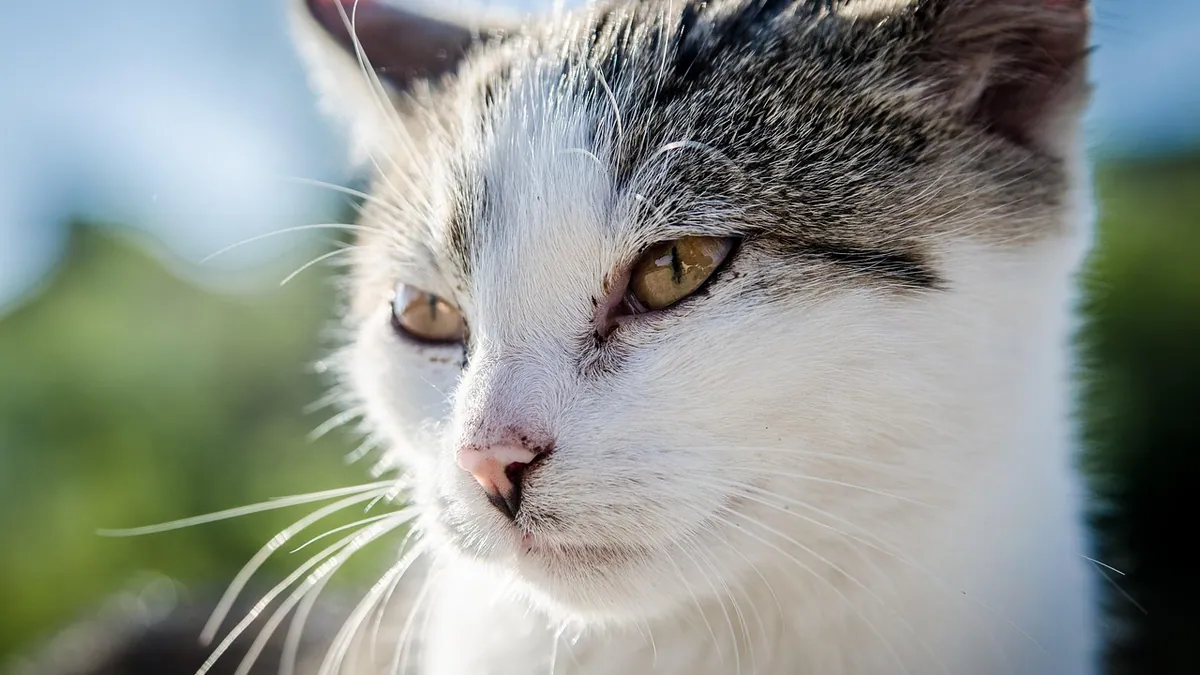
Denamarin for cats dose is not something you can read off the box. Your veterinarian calculates it from your cat's weight and liver values, and most cats take a fraction of a dog-sized tablet. This article is educational and is not a substitute for veterinary diagnosis or treatment.
Quick Answer
- Denamarin is a liver support supplement, not a drug that cures liver disease on its own.
- There is no fixed feline dose printed on the label. Your vet decides the amount based on weight and bloodwork.
- Most cats get a portion of a tablet, often hidden in a small treat or given with a pill popper.
- If your cat refuses tablets, ask your vet about a liquid or chewable form made by a compounding pharmacy.
- Never give a dog's full Denamarin tablet to a cat without veterinary direction.
What Denamarin Is and What Veterinarians Use It For
Denamarin is a veterinary supplement marketed for liver support in dogs and cats. It is not a prescription drug in the usual sense, but veterinarians recommend it for specific liver conditions. The name reflects its two main ingredients: silybin and SAM-e.
Silybin comes from milk thistle. It is a flavonolignan used to treat liver disease, and research in other species shows it can reduce inflammation and oxidative stress in damaged tissue [1]. SAM-e (S-adenosylmethionine) is a compound the liver uses in methylation reactions. Together, these ingredients are meant to support liver cells under stress.
Vets reach for Denamarin in cats with several problems. These include hepatic lipidosis (fatty liver), cholangitis, chronic hepatitis, and liver changes seen on bloodwork. It is also sometimes used after a cat has been exposed to a toxin that stresses the liver. In many of these cases, Denamarin is one part of a larger plan that includes diet changes, fluids, and treatment of the underlying cause.
One point owners often miss: Denamarin does not replace treating the disease. If your cat has fatty liver from not eating, the most important treatment is getting calories back in. Denamarin supports the liver while that happens.
How Denamarin Works
The liver handles a huge amount of chemical work. It processes drugs, makes proteins, stores vitamins, and manages fat. When liver cells are injured, oxidative stress builds up and glutathione, the body's main antioxidant inside cells, gets used up.
Glutathione levels fall with age in cats, and senior cats have measurably lower whole blood and red blood cell glutathione than younger cats [2]. That matters because a liver under stress has less antioxidant reserve to work with. SAM-e in Denamarin feeds into the same pathway the body uses to make glutathione. Silybin adds direct antioxidant and anti-inflammatory activity [1].
Choline and L-carnitine are two other nutrients studied in feline liver disease. Choline supplementation above current recommended levels may have positive effects on one-carbon metabolism and fat mobilization in the liver of overweight cats [3]. L-carnitine research in cats is still limited [3]. Some liver support products include these ingredients, and some vets add them separately.
What this means in plain terms: Denamarin gives the liver raw materials it needs to defend itself. It does not force damaged cells to heal, and it does not fix the reason the liver got sick.
Denamarin for Cats Dose: What Owners Need to Know
Your Veterinarian Sets the Dose
There is no standard feline dose you can apply at home. Your vet calculates it from your cat's body weight, the severity of the liver problem, and the formulation on hand. A 7-pound cat and a 14-pound cat will not get the same amount. Do not split a tablet based on what a friend's cat took.
Denamarin comes in tablets made for different body sizes. The feline product is smaller than the canine product, but even the feline tablet may need to be divided. Your vet will tell you the exact fraction, such as a half or a quarter tablet, and how often to give it.
Timing Matters
Denamarin is usually given on an empty stomach, about one hour before a meal. Food can reduce absorption of SAM-e. If your cat gets sick or refuses to take it on an empty stomach, tell your vet. A small amount of food may be a better trade-off than a missed dose, but that is your vet's call.
What If You Miss a Dose
If you miss a dose, give it when you remember, unless it is almost time for the next one. In that case, skip the missed dose and go back to your normal schedule. Do not double up to catch up. If you miss doses often, ask your vet whether the schedule can be adjusted to fit your routine.
Giving the Tablet
Cats are famously hard to pill. A few approaches work well:
- Pill popper or pill gun, placed at the back of the tongue, followed by a syringe of water or broth.
- A tiny amount of soft food, butter, or a pill pocket, if your vet approves food with the dose.
- Crushing the tablet and mixing it with a small amount of strong-smelling food, only if your vet says crushing is acceptable for that formulation.
Do not crush enter coated or extended-release products without asking. The coating may protect the ingredient or control how fast it is released.
If your cat fights every pill, read How to Give Your Cat Allergy Medication Safely for handling techniques that apply to any oral medication.
Liquid and Chewable Forms for Cats
Denamarin for Cats Liquid
There is no widely stocked liquid version of Denamarin sold at most pharmacies. When a cat cannot take tablets, veterinarians often send the prescription to a compounding pharmacy. The pharmacy makes a liquid suspension with a flavor like chicken or fish. The concentration varies by pharmacy, so the volume you draw up will not be the same as a friend's bottle. Always use the syringe that comes with your cat's specific prescription.
Giving liquid is usually easier than pilling. Draw the dose, place the syringe tip in the side of the mouth between the cheek and teeth, and squeeze gently toward the back of the mouth [4]. Go slowly so your cat can swallow. If you are struggling, ask your vet for a hands-on demonstration, since vets can show you techniques tailored to your cat [4].
For more detail, see How to Give Liquid Medicine to a Cat Without a Mess. If your cat hates syringes entirely, How to Give Your Cat Liquid Medicine Without a Syringe: Alternative Methods covers other options.
Denamarin for Cats Chewable
Chewable forms are hit or miss with cats. Some cats take them like a treat. Others sniff them and walk away. Chewables also tend to be larger, which makes them harder to hide. If your cat is food motivated and your vet approves, a chewable can simplify dosing. If not, a compounded liquid or a small tablet is usually the better path.
Side Effects
Denamarin is generally well tolerated, but cats can react. Most problems are mild and go away. Some are serious and need a call.
| Side effect | How common or serious | What to do |
|---|---|---|
| Vomiting or nausea | Uncommon, usually mild | Pause and call your vet. Ask about giving with a small meal. |
| Diarrhea | Uncommon, usually mild | Keep water available. Call your vet if it lasts more than a day. |
| Drooling or lip smacking | Common with tablets, not dangerous | Follow with water or a small treat if allowed. |
| Refusing food after dosing | Uncommon, can be serious in cats | Call your vet the same day. Cats that stop eating risk fatty liver. |
| Hiding, lethargy, or weakness | Uncommon, potentially serious | Contact your vet right away. |
| Yellow gums, eyes, or skin | Rare, serious | This is an emergency. Go to a vet now. |
| Trouble breathing or facial swelling | Rare, serious (allergic reaction) | This is an emergency. Go to a vet now. |
Any cat that stops eating for more than 24 hours needs veterinary attention, especially if the cat is overweight. Fatty liver disease can develop quickly in cats that do not eat.
Who Should Not Take It and Drug Interactions
Denamarin is not right for every cat. Tell your vet about everything your cat takes, including other supplements, because interactions can change how either product works.
Cats that may need extra caution include:
- Cats with known allergies to milk thistle, SAM-e, or any filler in the tablet.
- Cats with severe liver failure, where your vet may want a different approach.
- Cats on multiple liver-related supplements, since ingredients can overlap.
- Pregnant or nursing cats, where safety data is limited.
Do not stack Denamarin with other SAM-e or milk thistle products unless your vet approves. Doubling up on the same ingredient does not help and can cause stomach upset.
If your cat is also on other medications, bring the full list to your appointment. Write down the name, dose, and how often you give each one. This is the fastest way for your vet to spot a conflict.
Overdose and When to Call for Help
An overdose is most likely to happen when a cat eats a dog's Denamarin tablet or chews through a bottle. Signs to watch for include vomiting, drooling, diarrhea, wobbliness, or unusual sleepiness.
If you think your cat ate too much, call your veterinarian or a pet poison hotline right away. Have the product bottle with you so you can read the ingredients and strength. Do not wait for symptoms to appear before calling. Early guidance is much better than a late emergency visit.
If your cat is collapsing, having seizures, or struggling to breathe, go to the nearest emergency clinic now. Do not try to make your cat vomit at home unless a veterinarian tells you to.
Limitations and When to Contact a Veterinarian
Denamarin supports the liver. It does not treat every cause of liver disease, and it will not fix a cat that is not eating, has an infection, or has a blockage. Individual cases need a veterinarian who can examine your cat, run bloodwork, and adjust the plan.
Call your veterinarian the same day if your cat:
- Vomits the dose more than once
- Refuses food for more than 24 hours
- Seems more tired or hides more than usual
- Has diarrhea that lasts more than a day
Go to an emergency clinic now if your cat:
- Has yellow gums, eyes, or skin
- Collapses, has a seizure, or breathes with an open mouth
- Has swelling of the face, lips, or throat
- Cannot stand or seems disoriented
Schedule a routine visit if your cat:
- Fights every dose and you are missing doses often
- Needs a refill and has not had bloodwork in a while
- Has new symptoms that are mild but not going away
If your cat needs fluids at home as part of liver treatment, How to Give Your Cat Subcutaneous Fluid Injections at Home walks through the process.
Frequently Asked Questions
Can I give my cat the same Denamarin tablet I give my dog?
No. Dog tablets are sized for dogs and can contain far more of each ingredient than a cat should get. Giving a dog product to a cat risks an overdose and stomach upset. Ask your vet for the feline formulation and the correct amount for your cat's weight.
How long does it take to see improvement?
It depends on what is wrong with the liver and how sick your cat was at the start. Some cats improve within days once they are eating and hydrated. Others need weeks of treatment and repeat bloodwork. Your vet will set a recheck schedule based on your cat's specific condition.
Can I open the tablet and mix it into food?
Sometimes, but ask first. Some formulations are designed to release the ingredients in a certain way, and crushing can change that. If your vet approves, use a small amount of food so you know your cat ate the whole dose. A full bowl of food means you cannot tell how much medicine was taken.
Is Denamarin safe to give long term?
Many cats stay on liver support for months or longer, but that decision belongs to your vet. Long-term use usually comes with periodic bloodwork to track liver values and make sure the plan is still working. Do not keep refilling indefinitely without a checkup.
What if my cat refuses Denamarin no matter what I try?
Ask your vet about a compounded liquid or a different liver support product. Some cats do better with a flavored suspension, and some do better with a product that has fewer or different ingredients. If your cat is not eating at all, that is a separate and urgent problem that needs same-day veterinary care.
Related Articles
- How to Give Liquid Medicine to a Cat Without a Mess
- How to Give Your Cat Liquid Medicine Without a Syringe: Alternative Methods
- Can You Give Your Cat Benadryl? Dosage and Safety Guide
- How to Give Your Cat Subcutaneous Fluid Injections at Home
- How to Give Your Cat Allergy Medication Safely
- Revolution Plus for Cats: Selamectin Sarolaner Feline Dose Guide
- Denamarin for Cats: Side Effects and Owner Experiences
- How to Give a Cat Medicine: Tips, Tricks, and Food
- Prednisolone for Cats: Liquid vs Injection vs Tablet Forms
References
- The alleviation of difenoconazole-induced kidney injury in common carp (Cyprinus carpio) by silybin: Involvement of inflammation, oxidative stress, and apoptosis. Fish & shellfish immunology, 2024.
- Glycine supplementation can partially restore oxidative stress-associated glutathione deficiency in ageing cats. The British journal of nutrition, 2024.
- Serum metabolomics reveals one-carbon metabolism differences between lean and obese cats not affected by L-carnitine or choline supplementation. Journal of animal science, 2025.
- Giving Medicine to a Cat - Cat Owners. Merck Veterinary Manual.