Denamarin for Cats: Side Effects and Owner Experiences
By Dr. Zubair Khalid, DVM, MS, PhD ·
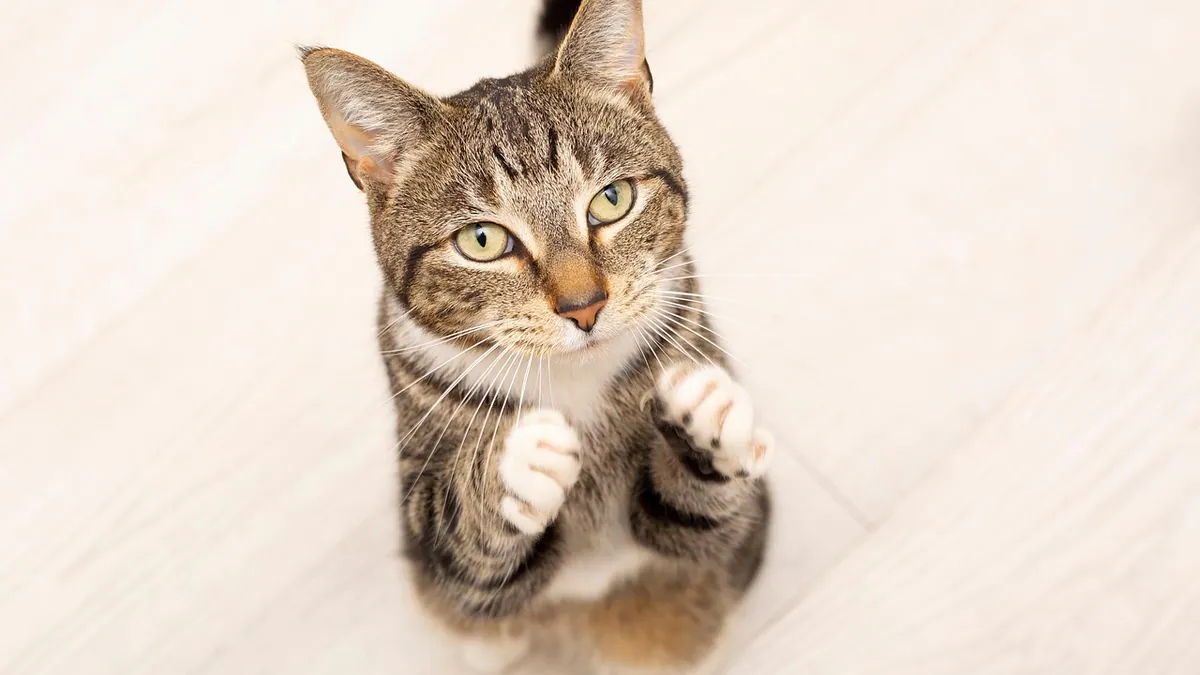
Denamarin for cats side effects are uncommon and usually mild. Most cats tolerate it well, and the changes owners notice most often (softer stool, slightly different appetite) are frequently not true adverse drug reactions. This article is educational and is not a substitute for veterinary diagnosis or treatment.
Quick Answer
- Denamarin is a liver support supplement, not a drug that kills infection or reverses liver disease on its own. It works alongside veterinary treatment.
- The most reported issues are digestive: loose stool, mild vomiting, or a day or two of reduced appetite. These often settle without stopping the supplement.
- Serious reactions are rare. True allergic reactions (facial swelling, hives, trouble breathing) need emergency care right away.
- Your veterinarian sets the dose from your cat's weight and health status. Never adjust it yourself.
- Online reviews are anecdotes. They cannot tell you whether a change in your cat was caused by the supplement, by the liver disease itself, or by something else entirely.
What Denamarin Is and What Veterinarians Use It For
Denamarin is a veterinary supplement that combines two active ingredients: silybin (a milk thistle extract) and SAMe (S-adenosylmethionine). It is sold as a chewable tablet for cats and comes in different strengths for different body weights.
Veterinarians reach for it when the liver needs support. Common situations include elevated liver enzymes on blood work, cholestasis (reduced bile flow), hepatic lipidosis (fatty liver), and recovery after a liver insult. It is also used in cats taking medications that can stress the liver, and in some cats with chronic conditions where liver values drift upward over time.
One thing to be clear about: Denamarin is supportive care. It does not replace treating the underlying problem. If your cat has an infection, a toxin exposure, or a metabolic disease, the supplement sits alongside that treatment, not in place of it.
This matters for how you read reviews. An owner who writes "my cat got better on Denamarin" may have had a cat whose liver was already recovering, or who was also on another medication. The supplement may have helped, or it may have been along for the ride.
How Denamarin Works
The liver handles a huge amount of chemical work. It processes drugs, clears waste, makes proteins, and manages bile. Two things the liver depends on heavily are glutathione, a major antioxidant, and steady energy flow inside liver cells.
SAMe is a natural compound the body uses in methylation reactions and as a building block for glutathione. Silybin, from milk thistle, is an antioxidant that supports liver cell membranes and helps protect against oxidative damage. Together they aim to reduce oxidative stress in liver tissue and support normal liver cell function.
That is the theory behind the product, and it is why veterinarians use it in a wide range of liver conditions. It is not a cure for any specific disease. It is a support tool.
If your cat is also on other medications, tell your veterinarian about all of them. Cats are sensitive to many human drugs, and some can cause serious liver injury. One report described two cats in the same household that developed acute liver injury after exposure to topical human diclofenac cream, with markedly elevated ALT and hyperbilirubinemia, and one cat did not survive [1]. That is a reminder that when liver values rise, the first question is always what the cat is being exposed to.
Dosing Basics
Who decides the dose
Your veterinarian does. Denamarin for cats comes in fixed tablet strengths, and the right one depends on your cat's weight and the reason it is being used. Do not split, double, or guess at a dose on your own.
How it is given
Denamarin is given by mouth, usually as a chewable tablet. Most labels direct you to give it on an empty stomach, roughly one hour before a meal, because food can reduce absorption of SAMe. If your cat refuses it on an empty stomach or vomits, ask your veterinarian about the best way to give it in your situation. Do not crush or hide it in food unless your veterinarian says that is acceptable for your cat's product.
What to do about a missed dose
If you miss a dose, give it when you remember, unless it is almost time for the next one. In that case, skip the missed dose and go back to your normal schedule. Do not give two doses at once to catch up. If you miss several doses in a row, call your veterinarian instead of restarting on your own.
Denamarin for Cats Side Effects: What Owners Actually Report
Most cats show no obvious reaction at all. When something does happen, it tends to be mild and short lived. Here is how to sort the common from the serious.
| Side effect | How common or serious | What to do |
|---|---|---|
| Loose stool or softer poop | Fairly common, mild | Keep giving it if your cat is otherwise well. Call your vet if it lasts more than 2 to 3 days or becomes watery. |
| Mild vomiting or nausea | Uncommon, usually mild | Try giving it with a small amount of food if your vet approves. Call if vomiting repeats or your cat stops eating. |
| Reduced appetite for a day or two | Uncommon, mild | Watch closely. A cat that refuses food for more than 24 hours needs a call to your vet. |
| Drooling or lip smacking after the tablet | Uncommon, mild | Often a taste reaction. Offer water and a small treat. Mention it at your next visit. |
| Hives, facial swelling, itching | Rare, serious | Stop the supplement and seek veterinary care the same day. |
| Difficulty breathing, collapse, severe weakness | Very rare, emergency | Go to an emergency clinic immediately. |
A few points about that table.
First, appetite and stool changes are the two things owners notice most, and they are also the two things most likely to have another explanation. Cats with liver disease often have poor appetites and odd stools before Denamarin is ever started. If your cat's appetite was already shaky, a bad day is not automatically the supplement's fault.
Second, a single episode of vomiting after a tablet is not the same as a pattern. Note the timing. If vomiting happens within an hour of every dose, that is a pattern worth reporting. If it happens once and never again, it probably is not the supplement.
Third, real allergic reactions look different. Swelling around the face or muzzle, hives, intense itching, or breathing trouble are not digestive complaints. Those are emergencies.
If your cat takes other medications, some side effects you attribute to Denamarin may belong to something else. Gabapentin, for example, commonly causes sedation and wobbliness, which owners sometimes misread as illness. You can read more about that in What Are the Side Effects of Gabapentin for Cats?. Steroids like prednisolone can increase appetite and thirst, which is the opposite of what many owners expect from a sick cat, and those effects are covered in Cat Prednisolone for Allergies: Side Effects and Safe Use. If your cat is on seizure medication, liver values are often monitored for a different reason, and that picture is explained in What Are the Side Effects of Seizure Medication in Cats?.
Who Should Not Take It and What It Interacts With
Denamarin is generally well tolerated, but it is not right for every cat.
Cats with a known allergy to any ingredient should not take it. If your cat has had a reaction to a milk thistle or SAMe product before, tell your veterinarian before starting.
Use caution in cats with certain concurrent conditions. Your veterinarian will weigh the benefit against the risk if your cat has significant kidney disease, is critically ill, or is on a complex medication regimen.
Interactions are the part owners most often overlook. SAMe and silybin can affect how the liver processes other compounds, and the liver is where many drugs are broken down. That does not mean Denamarin is dangerous with other medications. It means your veterinarian needs the full list, including supplements, flea and tick products, and anything you use on your cat's skin.
Be especially careful with human topical pain creams. The diclofenac case report showed that even skin exposure to a human anti-inflammatory cream can cause severe liver injury in cats [1]. If anyone in your home uses topical medications, keep them away from your cat and wash your hands before handling your cat.
Overdose and When to Call for Help
If your cat eats more tablets than prescribed, call your veterinarian or a pet poison control service right away. Do not wait for symptoms.
Bring the packaging with you or have it nearby. The strength of the tablet and the number swallowed determine how concerned your veterinarian needs to be.
Signs that warrant an immediate call include repeated vomiting, drooling that will not stop, staggering, tremors, collapse, or any breathing change. If your cat is unconscious or struggling to breathe, go to an emergency clinic now.
For non-urgent questions, such as a single missed dose or one soft stool, a phone call to your regular veterinarian during business hours is usually enough.
What Denamarin for Cats Reviews Can and Cannot Tell You
Owners search for Denamarin for cats reviews hoping to find a clear answer about safety. Reviews are useful for one thing: they show you the range of experiences people have. They are not useful for judging cause and effect.
Here is why. A review is one cat, one household, one set of circumstances, with no comparison group. If an owner writes that their cat's appetite dropped after starting Denamarin, you cannot know whether the supplement caused it, whether the liver disease progressed, whether the cat had an unrelated illness, or whether a diet change was involved.
Reviews also skew. People who have a dramatic experience, good or bad, are more likely to post than people whose cats had no reaction at all. That means the online picture is not a fair sample.
Supplement use in cats is common, and owner motivations vary widely. In one survey of cat owners, 58.0% reported giving dietary supplements to their cats, with multivitamins, omega-3 fatty acids, probiotics, and fiber supplements being the most frequent [2]. That tells you supplements are a normal part of many households. It does not tell you that any particular supplement is safe or effective for your cat's condition.
What reviews can do is prompt better questions. If you keep seeing the same complaint, ask your veterinarian whether it is a known issue. If you see a claim that a supplement cured a serious disease, treat it with skepticism.
Limitations and When to Contact a Veterinarian
No article can tell you what is happening inside your cat. Liver disease in cats is variable, and the same supplement can be appropriate for one cat and wrong for another. Your veterinarian has your cat's blood work, history, and physical exam. That is the only basis for a real answer.
Call your veterinarian the same day if:
- Your cat vomits more than twice in a day, or vomits after every dose
- Your cat refuses food for more than 24 hours
- Diarrhea becomes watery or lasts more than 2 to 3 days
- You see yellowing of the gums, skin, or whites of the eyes
- Your cat seems more tired than usual for more than a day
- You notice drooling, head pressing, or confusion
Go to an emergency clinic immediately if:
- Your cat has trouble breathing or is breathing fast at rest
- There is facial swelling, hives, or widespread itching
- Your cat collapses, has a seizure, or cannot stand
- You suspect your cat ate a large number of tablets
Schedule a routine visit if:
- Your cat is stable but you want the dose reviewed
- You are considering stopping the supplement
- You want to discuss whether Denamarin is still needed
- You have started any new medication or supplement and want to check for interactions
Do not stop a prescribed supplement on your own without a conversation. Some cats are on Denamarin because their liver values were trending in a bad direction, and stopping abruptly removes support your veterinarian intended to keep in place.
Frequently Asked Questions
Is Denamarin safe for cats?
For most cats, yes. It is a commonly used liver support supplement, and serious reactions are rare. The main issues owners report are mild digestive changes, and many cats have no reaction at all.
Can Denamarin cause vomiting in cats?
It can, though it is not the most common complaint. If your cat vomits once and is otherwise normal, watch and note the timing. If vomiting repeats or your cat stops eating, call your veterinarian.
How long does it take to see a difference?
That depends on why it was started. Some cats show improved appetite or energy within days, while changes in liver enzyme values are usually judged on repeat blood work over weeks. Your veterinarian will tell you when to recheck.
Can I give Denamarin with food?
Most guidance is to give it on an empty stomach, about an hour before a meal, because food can reduce absorption. If your cat will not take it that way, ask your veterinarian for an alternative plan instead of changing the routine yourself.
Do I need a prescription for Denamarin?
It is sold through veterinary channels, and your veterinarian should be involved in the decision to use it. Buying it without guidance means no one is tracking your cat's liver values or checking for interactions with other medications.
What should I do if I think my cat had a reaction?
Stop the supplement and call your veterinarian. Describe what you saw, when it started, and how long it lasted. For swelling, breathing trouble, or collapse, skip the call and go straight to an emergency clinic.
Related Articles
- Cat Allergy Medication Side Effects: What to Watch For
- What Are the Side Effects of Gabapentin for Cats?
- What Are the Side Effects of Seizure Medication in Cats?
- Cat Prednisolone for Allergies: Side Effects and Safe Use
- What Are the Side Effects of Apoquel for Cats?
- Cat Anxiety Medication: What You Need to Know
- Denamarin for Cats: Dose, Liquid Form, and How to Give It
- Aspirin for Cats: Dosage, Risks, and Side Effects
- Pimobendan for Cats: Side Effects and Safety
References
- Potential acute hepatic injury in 2 cats exposed to topical human diclofenac. The Canadian veterinary journal = La revue veterinaire canadienne, 2026.
- Prevalence, patterns and factors of dietary supplement use for pet cats: Insights from an online cross-sectional study. Australian veterinary journal, 2026.