Cosequin vs Dasuquin: Which Joint Supplement?
By Dr. Zubair Khalid, DVM, MS, PhD ·
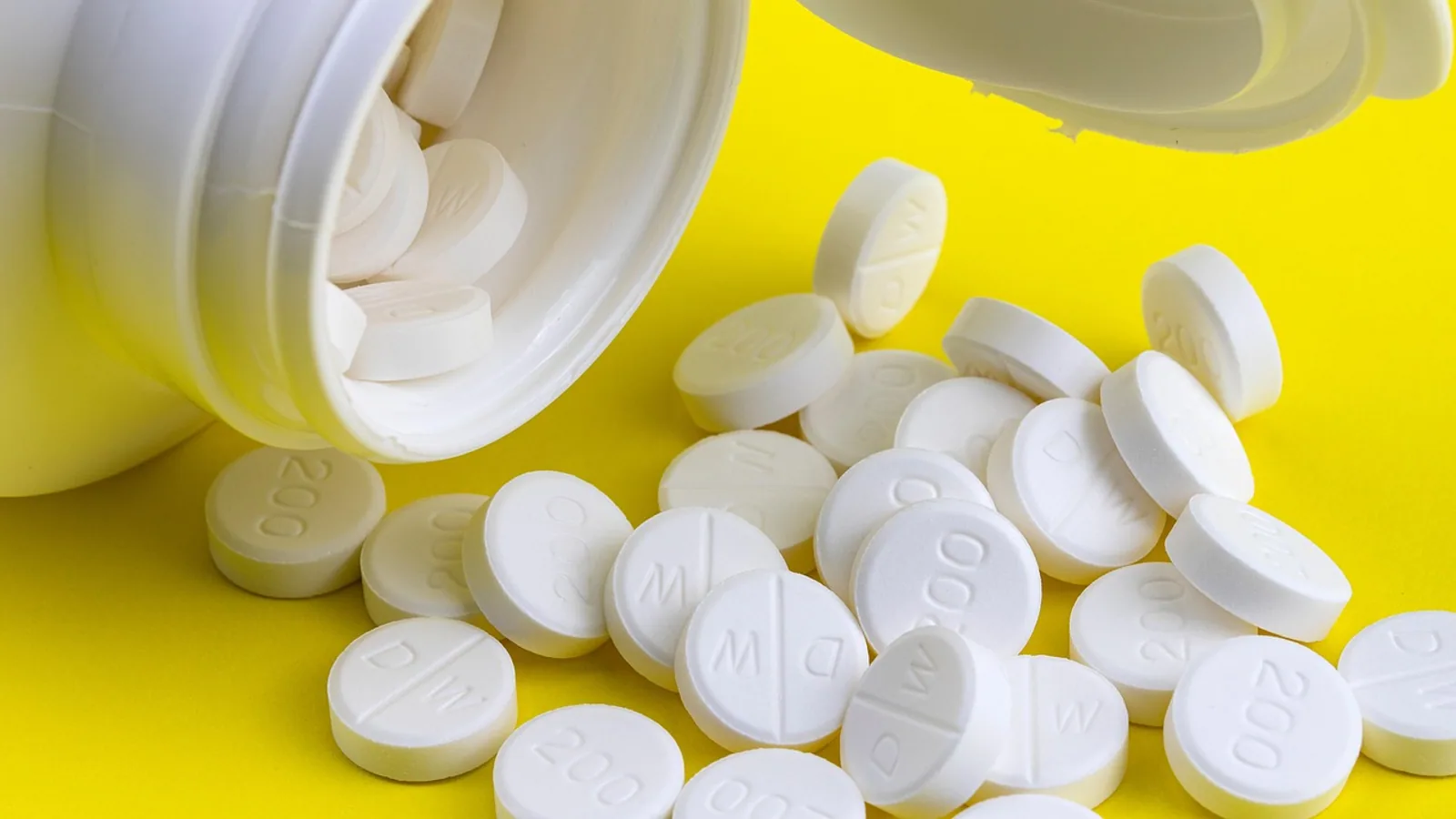
The practical difference between Cosequin and Dasuquin is that Dasuquin adds two ingredients to the same base formula, avocado-soybean unsaponifiables (ASU) and a proprietary green tea extract, while Cosequin relies on glucosamine hydrochloride, chondroitin sulfate, and often MSM. A reasonable rule of thumb is this: choose the product whose label matches your dog's body weight and your budget, because the evidence for the shared base is weak and inconsistent, and neither product is a substitute for a veterinary diagnosis of osteoarthritis (OA) or for prescription pain control when OA is moderate to severe.
This article is educational and is not a substitute for veterinary diagnosis or treatment.
Why Owners Ask About These Two Products
Joint supplements are among the most common products given to dogs. In a large survey of dogs enrolled in the Dog Aging Project, about half of all dogs received some supplement, and among supplemented dogs the most common categories were omega-3 fatty acids (57 percent) and joint supplements (56 percent) [1]. That frequency is exactly why the Cosequin versus Dasuquin question comes up in almost every exam room where a middle-aged dog is slowing down.
Both products are nutraceuticals. In the United States, a nutraceutical is sold as a dietary supplement, not as an FDA-approved animal drug. That distinction matters to owners for three reasons. First, the manufacturer does not have to prove efficacy before selling the product. Second, label claims are restricted and vary between products and between package versions. Third, quality control is the manufacturer's responsibility, and independent testing has repeatedly shown that some joint supplements do not contain what the label states. A pharmacokinetic study of one multicomponent joint supplement found that glucosamine was detectable in dog serum after an oral dose, but the polyphenol components were not detectable at all [2]. That is a useful reminder that "contains" on a label and "delivers to the joint" are different claims.
Veterinarians still recommend these products because the safety profile is generally favorable and because some dogs appear to improve. Reviews of the canine literature describe glucosamine and chondroitin as commonly recommended despite limited and conflicting evidence [3]. A later systematic review and meta-analysis went further and reported a very marked non-effect of chondroitin-glucosamine nutraceuticals for pain management in canine and feline OA, while finding evident analgesic efficacy for omega-3-enriched diets and omega-3 supplements [4]. Owners deserve to hear both of those findings before spending money.
The Shared Base: Glucosamine HCl, Chondroitin Sulfate, and MSM
Glucosamine hydrochloride
Glucosamine is a precursor for glycosaminoglycans, the building blocks of cartilage matrix. The hydrochloride form is the most common in canine products. Absorption is modest and variable. In the pharmacokinetic study cited above, glucosamine appeared in serum within hours of an oral dose and was measurable for about eight hours [2]. That study also suggested that co-administration with other components in the same formulation may improve glucosamine absorption, though this was a small pilot study and should not be over-read.
Chondroitin sulfate
Chondroitin sulfate is a glycosaminoglycan that is abundant in normal articular cartilage. In experimental canine OA, the chondroitin sulfate-rich region of cartilage proteoglycans becomes larger and contains more chondroitin sulfate than normal cartilage [5]. This is a biochemical observation about diseased cartilage, not evidence that feeding chondroitin sulfate reverses the process. Earlier work in dogs with surgically induced and naturally occurring OA described similar shifts in proteoglycan composition, with more chondroitin sulfate relative to keratan sulfate [6].
MSM (methylsulfonylmethane)
MSM is a sulfur-containing compound included in many joint products as a purported anti-inflammatory. It appears in some Cosequin formulations. The canine literature summarized in reviews of dietary supplements focuses mainly on chondroitin sulfate, glucosamine, undenatured type II collagen, ASU, curcumin, and polyunsaturated fatty acids, and notes that most show anticatabolic and anti-inflammatory effects in laboratory models while clinical relevance remains to be demonstrated in good trials [7]. MSM specifically has less direct canine clinical trial support than glucosamine and chondroitin.
What the clinical trials actually show
The trial evidence for the shared base is mixed, and owners should understand the shape of it.
A randomized, double-blind, positive-controlled trial of 35 dogs with confirmed hip or elbow OA compared a glucosamine hydrochloride and chondroitin sulfate combination against carprofen. Dogs on the supplement showed statistically significant improvements in pain, weight-bearing, and severity scores by day 70, but the onset of response was slower than with carprofen [8]. That is the most favorable result in the recent literature.
A larger, prospective, block-randomized, double-blinded, placebo-controlled trial of 75 dogs with hip OA compared glucosamine and chondroitin sulfate, two marine-based fatty acid products, carprofen, and placebo. Carprofen improved peak vertical force by week 2. The marine products and carprofen improved significantly by week 4 and were significantly better than placebo and better than the glucosamine group. The glucosamine and chondroitin group did not separate from placebo on the primary outcome [9]. A corrigendum was later published for this trial [10].
A smaller study of 15 working dogs with hip OA compared a commercial joint supplement containing glucosamine HCl, chondroitin sulfate, and hyaluronic acid against carprofen. Neither treatment produced overall group-level differences, though individual dogs in both groups improved [11].
A randomized, double-blind trial of 40 dogs with OA tested a supplement containing Boswellia serrata, chlorophyll, green tea extract, glucosamine, chondroitin sulfate, hyaluronic acid, and non-hydrolyzed type II collagen. The product was significantly beneficial for pain and clinical signs compared with placebo, with no side effects reported [12]. Because the formula contained many ingredients, no single component can be credited.
Finally, a study combining a joint health supplement with tibial plateau leveling osteotomy in dogs with cranial cruciate ligament rupture explored metabolic, clinical, and radiographic changes. The supplement contained chondroitin sulfate, glucosamine hydrochloride, N-palmitoyl-D-glucosamine, and quercetin, and was given for 90 days after surgery [13]. This is a surgical adjunct study, not a stand-alone OA treatment study.
The pattern is consistent. Some trials show benefit, some show none, and the trials differ in population, product, dose, and outcome measure. That is why a 2022 meta-analysis concluded that chondroitin-glucosamine nutraceuticals should no longer be recommended for pain management in canine and feline OA [4].
What Makes Dasuquin Different
Dasuquin uses the same glucosamine and chondroitin base as Cosequin and adds two ingredients.
Avocado-soybean unsaponifiables (ASU)
ASU is a mixture of unsaponifiable fractions from avocado and soybean oils. It appears in the canine OA supplement literature as one of the studied dietary supplements, and reviews describe anticatabolic and anti-inflammatory effects in laboratory work [7]. ASU has been used in human OA research for decades, and it is the ingredient most often cited as the reason to choose Dasuquin over Cosequin. The canine clinical trial evidence for ASU as a stand-alone ingredient is limited. No large randomized controlled trial in dogs has isolated ASU from the rest of a combination formula.
Proprietary green tea extract
Dasuquin includes a proprietary green tea extract. Green tea polyphenols are antioxidants, and one canine OA trial included green tea extract as part of a multi-ingredient supplement that showed significant benefit over placebo [12]. As with ASU, the trial did not isolate the green tea component, so the specific contribution of green tea extract to any observed improvement is unknown.
What this means practically
Dasuquin is a broader formula. Whether the added ingredients produce a measurable clinical difference in an individual dog is not established by the current canine literature. Owners who want to try the more comprehensive formula should understand that they are paying more per day for ingredients whose independent effects in dogs are not well characterized.
Ingredient and Dose Comparison Table
The following table compares the two product families by ingredient category, typical label content per tablet, dosing approach by body weight, approximate cost per day, and evidence quality. Ingredient amounts vary by product version and by tablet size, so always read the specific label on the bottle you buy. Do not use this table to calculate a dose. Use the manufacturer's label.
| Feature | Cosequin (typical) | Dasuquin (typical) | Evidence notes |
|---|---|---|---|
| Glucosamine HCl | Present, amount varies by tablet size | Present, amount varies by tablet size | Commonly recommended, evidence limited and conflicting [3] |
| Chondroitin sulfate | Present, amount varies by tablet size | Present, amount varies by tablet size | Meta-analysis found very marked non-effect for pain [4] |
| MSM | Present in some versions | Present in some versions | Less direct canine trial support than glucosamine and chondroitin [7] |
| ASU | Not included | Included | Studied in dogs as part of supplement reviews, anticatabolic and anti-inflammatory effects in lab work [7] |
| Green tea extract | Not included | Proprietary extract included | Included in one multi-ingredient trial that showed benefit over placebo [12] |
| Dosing approach | Label dosing by body weight, often split between initial and maintenance phases | Label dosing by body weight, often split between initial and maintenance phases | Follow the specific product label |
| Cost per day | Lower | Higher | Reflects added ingredients, not proven added benefit |
| Regulatory status | Dietary supplement, not FDA-approved drug | Dietary supplement, not FDA-approved drug | Label claims vary, quality control is manufacturer's responsibility |
| Best-fit scenario | Owner wants the simpler, lower-cost base formula | Owner wants the broader formula and accepts the higher cost | Neither replaces veterinary diagnosis or prescription OA drugs |
Dosing by Dog Body Weight
Both product lines dose by body weight, and both typically use a higher initial amount for the first four to six weeks followed by a lower maintenance amount. The exact numbers differ between Cosequin and Dasuquin, between chewable and capsule forms, and between the standard and "Advanced" or "Maximum Strength" versions.
Three rules apply to both products.
- Read the label on the bottle you actually have. Do not transfer a dose from one product to another, even within the same brand.
- Weigh your dog. Guessing body weight is the most common cause of underdosing or overdosing.
- Ask your veterinarian before combining products. Many joint chews and powders contain overlapping glucosamine and chondroitin, and stacking them can push total intake well above any label recommendation.
Overdose is not benign. A case report described a 6-year-old Dachshund that developed severe hypernatremia and multiple organ dysfunction syndrome after eating a large quantity of joint supplements, and the authors noted that joint supplement overdose is likely underrecognized [14]. Keep bottles out of reach.
Cost Per Day at Common Retail Pricing
Retail prices for both products vary widely by size, form, and seller, and they change frequently. Rather than quote a specific dollar figure that will be stale within weeks, compare cost per day using this method.
- Note the total number of tablets or chews in the container.
- Divide the container price by the number of units to get cost per unit.
- Multiply cost per unit by the number of units your dog needs per day at the label dose for your dog's weight.
- Do this for both the initial phase and the maintenance phase, since the initial phase costs more.
In general, Dasuquin costs more per day than Cosequin for the same dog because of the added ASU and green tea extract. Whether that premium is worth it depends on how you weigh the uncertain incremental benefit against the certain incremental cost.
Evidence Quality for Each Component
Owners evaluating these products should separate four questions.
Does the ingredient have a plausible mechanism? Glucosamine and chondroitin are cartilage precursors, and ASU and green tea polyphenols have anti-inflammatory and antioxidant activity in laboratory models [7]. Plausibility is not proof.
Does the ingredient reach the joint? Pharmacokinetic data in dogs are sparse. One study detected glucosamine in serum after oral dosing but did not detect the polyphenol components [2]. Bioavailability of these compounds is generally low, and newer formulations aim to improve gastrointestinal absorption, though the clinical relevance of those formulations compared with native forms has not been demonstrated in good trials [7].
Does the ingredient improve clinical outcomes in dogs? This is the weakest link. Reviews describe the evidence for glucosamine and chondroitin as limited and conflicting [3]. A 2022 meta-analysis reported a very marked non-effect of chondroitin-glucosamine nutraceuticals for pain management in canine and feline OA [4]. A separate randomized trial found the glucosamine and chondroitin group did not separate from placebo on peak vertical force [9]. One earlier trial did find significant improvement by day 70 [8].
Is the ingredient safe? The safety profile is generally favorable at label doses, and one multi-ingredient trial reported no side effects [12]. A study of a chondroitin, glucosamine, and manganese ascorbate combination found no effect on thyroid function testing over 60 days [15]. The main safety concern is overdose [14].
How These Products Differ from Prescription OA Drugs
Prescription OA drugs and joint supplements are not interchangeable, and they are not competitors in the same category.
Carprofen is a nonsteroidal anti-inflammatory drug (NSAID). In the hip OA trial described above, carprofen produced significant improvement in peak vertical force by week 2, faster than any supplement group [9]. In the older positive-controlled trial, carprofen also had a faster onset than the glucosamine and chondroitin combination, even though the supplement eventually showed significant improvement [8].
That speed difference is the core clinical distinction. NSAIDs reduce pain and inflammation quickly and reliably. Joint supplements, if they help at all, act slowly and unpredictably. Meloxicam and carprofen are also the subject of monitoring recommendations that supplements do not carry, because NSAIDs have real gastrointestinal and renal risks that require veterinary oversight.
Severe OA needs a veterinary diagnosis and a multimodal plan. That plan may include weight management, activity adjustment, physical rehabilitation, prescription NSAIDs, other prescription pain medications, injectable therapies, and in some cases surgery. Joint supplements can be an adjunct. They are not a replacement for any of those.
Worked Scenarios
Scenario 1: A 9-year-old Labrador with mild stiffness after walks
Mild, intermittent stiffness in a large-breed dog with no lameness at rest is a reasonable situation to discuss a joint supplement with your veterinarian. Either product could be tried at the label dose for the dog's weight. Because the evidence for the shared base is weak, set a clear trial period and a clear endpoint. If you see no meaningful change in mobility, pain, or willingness to exercise after the label's initial phase, stop and reassess rather than continuing indefinitely.
Scenario 2: A 6-year-old Border Collie with confirmed hip OA and visible lameness
Confirmed OA with visible lameness needs a veterinary treatment plan, not a supplement decision. Prescription pain control is the priority. A supplement can be added if you and your veterinarian agree it is worth trying, but it should not delay effective analgesia. The hip OA trial data show carprofen acting within two weeks while the glucosamine and chondroitin group did not separate from placebo [9].
Scenario 3: A 12-year-old small-breed dog already on a prescription NSAID
Do not add a joint supplement without telling your veterinarian. Many products contain multiple ingredients, and some contain compounds with anti-inflammatory activity. Your veterinarian needs the full list to assess interactions and to avoid duplicate ingredients. A supplement trial should be a deliberate addition with a defined review date.
Scenario 4: A dog recovering from cruciate ligament surgery
Post-surgical OA management is a common setting for joint supplements. One exploratory trial combined a joint health supplement with tibial plateau leveling osteotomy and examined metabolic, clinical, and radiographic outcomes over 90 days [13]. The study was preliminary and does not establish that supplements improve surgical outcomes. Follow your surgeon's post-operative plan, and treat any supplement as an optional add-on.
Common Mix-ups
Assuming Dasuquin is a drug. It is a nutraceutical, not an FDA-approved drug. The same is true of Cosequin.
Assuming a higher price means better evidence. Dasuquin costs more per day because it contains more ingredients. The added ingredients do not have strong independent canine trial support.
Assuming glucosamine and chondroitin are proven. The most recent meta-analysis found a very marked non-effect for pain management in canine and feline OA [4].
Assuming supplements can replace NSAIDs. They cannot. Carprofen has faster and more consistent onset in the trials that compared them directly [9][8].
Assuming "natural" means "no risk." A dog that ate a large quantity of joint supplements developed severe hypernatremia and multiple organ dysfunction [14].
Assuming all versions of a brand are the same. Cosequin and Dasuquin each come in multiple formulations with different ingredient lists and different label doses. Read the specific label.
Limitations and When to Contact a Veterinarian
Contact a veterinarian promptly if your dog has sudden inability to bear weight on a limb, a limb that is swollen, hot, or painful to touch, a fever, a wound or suspected bite near a joint, or a sudden change in behavior such as crying out, pacing, or refusing to rise. These signs suggest injury or infection, not routine OA, and they need same-day evaluation.
Contact a veterinarian within a few days if your dog has progressive lameness, difficulty rising after rest, reluctance to climb stairs or jump into the car, decreased appetite, or visible muscle loss over the hindquarters. These are common OA signs that deserve a diagnosis rather than a supplement trial.
Contact a veterinarian or a pet poison control service immediately if your dog has eaten a large quantity of joint supplements. Signs of concern include vomiting, diarrhea, lethargy, weakness, stumbling, or unusual behavior [14].
Tell your veterinarian about every supplement your dog receives, including the exact product name, the amount per day, and how long it has been given. Bring the bottle if possible. Individual cases vary, and a supplement that is reasonable for one dog may be inappropriate for another because of weight, kidney or liver status, other medications, or the specific ingredients in that bottle.
Frequently Asked Questions
Is Dasuquin better than Cosequin?
Dasuquin contains more ingredients, including ASU and a proprietary green tea extract, but the added ingredients do not have strong independent canine trial evidence. The shared glucosamine and chondroitin base has weak and conflicting evidence in dogs [3][4].
Can I give Cosequin and Dasuquin together?
No. Both contain glucosamine and chondroitin, so combining them duplicates ingredients and complicates dosing. Choose one product and follow its label.
How long does it take for a joint supplement to work?
The label's initial phase is typically four to six weeks. In one trial, the glucosamine and chondroitin group showed significant improvement by day 70, slower than carprofen [8]. If you see no change after the initial phase, reassess with your veterinarian.
Are joint supplements safe for dogs?
At label doses, the safety profile is generally favorable, and one multi-ingredient trial reported no side effects [12]. Overdose is a real risk and has caused severe illness in a reported case [14].
Do joint supplements replace prescription pain medication?
No. Prescription NSAIDs such as carprofen act faster and more reliably in the trials that compared them directly with glucosamine and chondroitin [9][8]. Supplements are at best an adjunct.
Should I try a supplement before seeing a veterinarian?
No. A veterinarian needs to confirm the diagnosis, rule out other causes of lameness, and assess whether prescription treatment is appropriate. Supplements are not a substitute for diagnosis.
Related Articles
- Joint Supplements For Dogs Dasuquin
- Dog Joint Supplements
- Best Joint Supplement For Dogs
- Dog Joint Health Supplements
- Cat Joint Health Supplements
- Joint Health Supplements For Dogs
- SAM-e Supplement for Dogs and Cats: Vet Guide
- Condyloid Joint: Structure and Movement
- Myoneural Junction: Structure and Function
Sources
- Supplement use is common in Dog Aging Project participants, especially among dogs with orthopedic conditions, and varies by life stage.
- Pharmacokinetic Analysis of an Oral Multicomponent Joint Dietary Supplement (Phycox(®)) in Dogs.
- Glucosamine and chondroitin use in canines for osteoarthritis: A review.
- A 2022 Systematic Review and Meta-Analysis of Enriched Therapeutic Diets and Nutraceuticals in Canine and Feline Osteoarthritis.
- Changes in the chondroitin sulfate-rich region of articular cartilage proteoglycans in experimental osteoarthritis.
- Biochemical changes in the cartilage of the knee in experimental and natural osteoarthritis in the dog.
- Review of dietary supplements for the management of osteoarthritis in dogs in studies from 2004 to 2014.
- Randomised double-blind, positive-controlled trial to assess the efficacy of glucosamine/chondroitin sulfate for the treatment of dogs with osteoarthritis.
- Study of the effectiveness of glucosamine and chondroitin sulfate, marine based fatty acid compounds (PCSO-524 and EAB-277), and carprofen for the treatment of dogs with hip osteoarthritis: A prospective, block-randomized, double-blinded, placebo-controlled clinical trial.
- Corrigendum: Study of the effectiveness of glucosamine and chondroitin sulfate, marine based fatty acid compounds (PCSO-524 and EAB-277), and carprofen for the treatment of dogs with hip osteoarthritis: a prospective, block-randomized, double-blinded, placebo-controlled clinical trial.
- Effect of an Oral Joint Supplement When Compared to Carprofen in the Management of Hip Osteoarthritis in Working Dogs.
- Efficacy of a dietary supplement in dogs with osteoarthritis: A randomized placebo-controlled, double-blind clinical trial.
- Combining a joint health supplement with tibial plateau leveling osteotomy in dogs with cranial cruciate ligament rupture. An exploratory controlled trial.
- The successful treatment of multiple organ dysfunction syndrome and severe hypernatremia, secondary to joint supplement toxicity in a dog.
- Effects of oral administration of meloxicam, carprofen, and a nutraceutical on thyroid function in dogs with osteoarthritis.