Can I Give My Cat Claritin? Loratadine Safety
By Dr. Zubair Khalid, DVM, MS, PhD ·
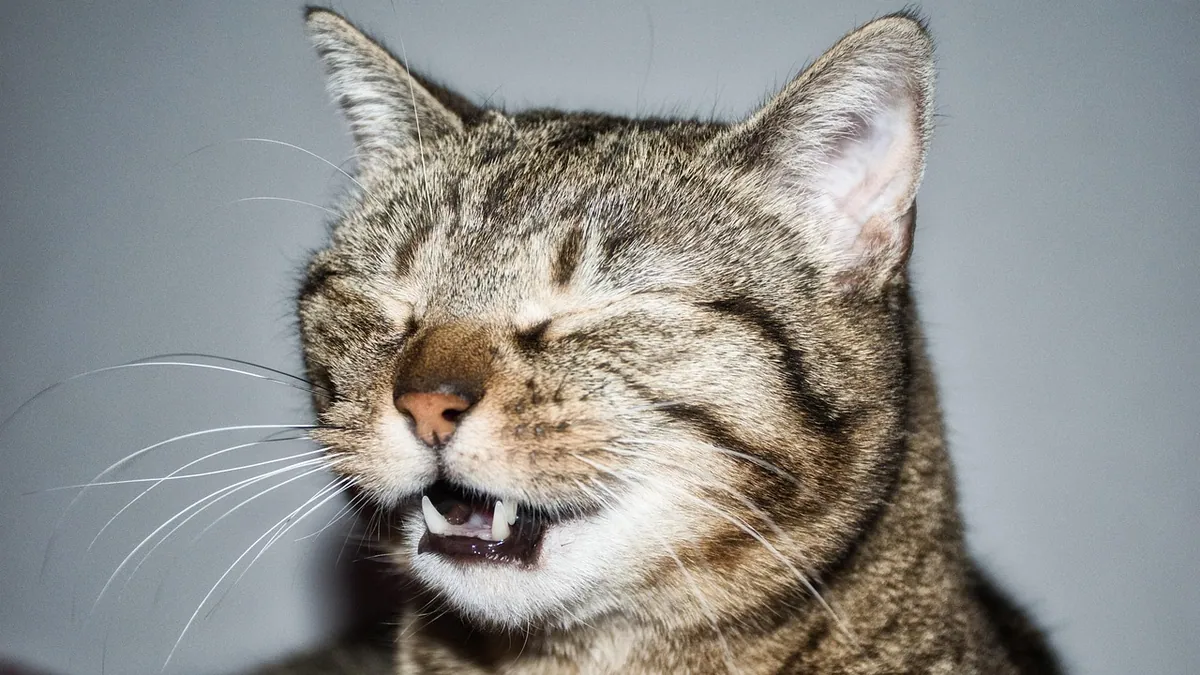
Can I give my cat Claritin? Sometimes, but only with your veterinarian's approval. Plain loratadine (the active ingredient in regular Claritin) is occasionally prescribed for cats, yet the dose is not something you can guess at home. Products that combine loratadine with a decongestant, like Claritin-D, can be dangerous for cats and should never be given.
This article is educational and is not a substitute for veterinary diagnosis or treatment.
Quick Answer
- Plain loratadine is sometimes used in cats, but only under veterinary guidance and with a dose your vet calculates for your cat's weight and health.
- Never give Claritin-D or any loratadine product that also contains pseudoephedrine. The decongestant part is toxic to cats.
- Cats handle antihistamines differently than people and dogs, so human dosing instructions do not apply.
- If your cat has itching, sneezing, or watery eyes, the cause matters. Antihistamines are often not the best or first treatment for feline allergies.
- If your cat swallowed a Claritin-D tablet, call your veterinarian or a pet poison hotline right away, even if your cat seems fine.
What Is Loratadine and Why Would a Vet Use It in a Cat?
Loratadine is a second-generation antihistamine. It blocks histamine, a chemical the body releases during allergic reactions. In people, it treats hay fever, hives, and itchy, watery eyes without causing much drowsiness.
In cats, loratadine is used off-label. That means it is not formally approved by the FDA for cats, but a veterinarian can legally prescribe it when they believe it will help. Vets sometimes reach for antihistamines when a cat has mild allergy symptoms, such as scratching or sneezing, and the owner wants to avoid steroids or stronger drugs.
The catch is that antihistamines are not a reliable fix for most feline allergy cases. Allergic skin disease in cats often responds better to other treatments. For example, a retrospective study of 14 cats with allergic pruritus (itchy skin) found that oclacitinib, a different class of drug, controlled itching long term, with a median treatment duration of 15.5 months [1]. That does not mean loratadine never helps. It means your vet has better-studied options and will pick based on your cat's specific problem.
Antihistamines do have a clear role in one situation: allergic reactions to medications or infusions. In a study of 76 cats receiving a purified antiserum infusion, 2 of 76 (2.6%) developed mild facial swelling within 2 hours, and that swelling responded to antihistamine treatment [2]. So antihistamines are a real tool in veterinary medicine, just not a casual one.
How Does Loratadine Work in Cats?
Loratadine works by blocking histamine receptors. When histamine cannot dock at those receptors, it cannot trigger the sneezing, itching, and swelling that come with an allergic response.
The drug is processed by the liver. Cats metabolize many drugs more slowly than people and dogs, which is one reason human doses can be too high. A dose that seems small to you may be a full dose for a cat.
Loratadine also has a calming effect in some cats. Some owners report their cat seems sleepy after a dose. That is not the goal of treatment, and a sedated cat is not necessarily a well-controlled cat.
Because loratadine only blocks histamine, it does nothing for allergies driven by other pathways. Many cats with allergic skin disease have itching that histamine plays only a small part in. That is why a cat can take an antihistamine and still scratch.
Loratadine Dosing for Cats: Who Decides and How It Is Given
Your veterinarian decides the dose. There is no safe, universal loratadine dose for cats that an owner can apply at home. The vet considers your cat's weight, liver health, other medications, and what else is going on.
Do not split a human tablet and guess. Do not use a dose you found online. Do not repeat a dose a friend used for their cat. Cats vary widely in size and health, and loratadine comes in several strengths and forms.
If your vet does prescribe loratadine, ask these questions before you leave the clinic:
- What exact product should I buy? Plain loratadine only, with no other active ingredients.
- What is the dose, and how often?
- Should I give it with food?
- What side effects should I watch for?
- How long should I try it before we decide if it is working?
Giving a pill to a cat is its own skill. If you are new to this, our guide on how to give your cat allergy medication safely walks through the practical steps.
If you miss a dose, do not double up. Give the next dose at the next scheduled time, or call your vet's office for instructions. Doubling a dose can push a cat into overdose territory.
Never crush or hide a loratadine tablet in a treat without checking with your vet first. Some cats have food allergies, and some compounded products should not be split.
Side Effects of Loratadine in Cats
Most cats tolerate loratadine without obvious problems, but reactions happen. The table below covers what owners typically see and what to do about it.
| Side effect | How common or serious | What to do |
|---|---|---|
| Sleepiness or calm behavior | Common and usually mild | Note it and mention it at your next vet visit. Call if your cat seems overly sedated. |
| Vomiting or drooling after a pill | Fairly common and usually mild | Stop the medication and call your vet. A different form or drug may work better. |
| Loss of appetite | Possible, worth watching | Call your vet if your cat skips more than one meal. |
| Diarrhea | Possible, usually mild | Call your vet if it lasts more than a day or comes with vomiting. |
| Facial swelling or hives after a dose | Uncommon but serious | This is an allergic reaction. Seek veterinary care right away. |
| Trouble breathing, collapse, or seizures | Rare but an emergency | Go to an emergency clinic now. |
Antihistamines are generally well tolerated in cats, and in the antiserum study, mild facial swelling in 2 cats responded to antihistamine treatment with no other reported problems [2]. Still, any drug can cause a reaction in an individual cat.
If your cat has diarrhea after starting a new medication, do not reach for a human diarrhea remedy. Our article on cat diarrhea medicine: what's safe to give explains which options are actually safe.
Who Should Not Take Loratadine, and What Interacts With It?
Some cats should not get loratadine at all, or only with extra caution.
Cats with liver disease are a concern because the liver processes loratadine. Cats who are already sedated or on other sedating drugs may become too drowsy. Cats with known sensitivity to antihistamines should avoid them.
Drug interactions matter. Tell your vet about everything your cat takes, including:
- Other antihistamines
- Sedatives or anxiety medications
- Steroids
- Pain medications
- Supplements and herbal products
Two antihistamines at once can stack side effects. So can an antihistamine plus a sedative.
Age and pregnancy status also matter. Kittens, pregnant cats, and nursing cats need a veterinarian's decision, not an owner's guess.
If your cat has a chronic condition like kidney disease, heart disease, or diabetes, mention it. Your vet may choose a different drug or a different approach entirely.
Claritin-D and Combination Products: Why They Are Dangerous for Cats
This is the most important safety point in this article. Claritin-D contains loratadine plus pseudoephedrine, a decongestant. Pseudoephedrine is a stimulant. In cats, it can cause racing heart, high blood pressure, tremors, agitation, and seizures. It can be fatal.
Other combination products add different ingredients, and each one carries its own risk. Never give your cat a multi-symptom cold, flu, or allergy product.
Read the label every single time. Even if you bought plain loratadine last month, check the box again. Manufacturers change formulas, and packaging looks similar. If the label lists any active ingredient besides loratadine, do not give it to your cat.
This rule applies to other human drugs too. Acetaminophen, the ingredient in Tylenol, is deadly to cats even in small amounts. Our article on why acetaminophen is deadly for cats explains the danger.
Overdose: What to Do and When to Call for Help
An overdose can happen if your cat eats a dropped pill, chews through a bottle, or gets a double dose by mistake.
Signs of loratadine overdose in cats can include extreme sleepiness, unsteady walking, vomiting, a fast or irregular heartbeat, tremors, or seizures. Signs of pseudoephedrine poisoning can include restlessness, panting, pacing, a racing heart, and seizures.
If you suspect an overdose, do not wait for symptoms. Call your veterinarian or a pet poison hotline immediately. Have the product packaging with you so you can read the ingredients and strength to the person on the phone.
Do not induce vomiting unless a veterinarian tells you to. Do not give food, milk, or oil. Do not wait to see if your cat "sleeps it off."
If your cat is having a seizure, is struggling to breathe, or has collapsed, go to an emergency veterinary clinic now.
Limitations and When to Contact a Veterinarian
No article can tell you whether loratadine is right for your cat. That decision belongs to a veterinarian who knows your cat's history, weight, and test results.
Contact your veterinarian the same day if:
- Your cat vomited after a dose
- Your cat seems unusually sleepy or wobbly
- Your cat skipped a meal
- You gave a dose and are not sure it was correct
- Your cat's itching or sneezing is getting worse
Go to an emergency clinic right away if:
- Your cat has a seizure
- Your cat is breathing fast or with effort
- Your cat collapsed or cannot stand
- Your cat's gums look pale or blue
- Your cat swallowed Claritin-D or another combination product
Schedule a routine visit if:
- Your cat has had allergy symptoms for more than a few days
- You have been giving loratadine and see no improvement
- Your cat is scratching enough to cause hair loss or skin wounds
- You want to discuss better-studied allergy treatments
Cats with allergic skin disease often need a real treatment plan, not a single over-the-counter pill. A pilot study of 7 cats with feline atopic skin syndrome found that a topical mousse containing adelmidrol and tapioca starch reduced seborrhea over a 2-week period [3]. That is one example of how targeted, condition-specific care looks different from a random antihistamine.
If you are considering other human medications for your cat, read up first. Our guide on whether you can give your cat Benadryl covers a similar drug with its own rules, and our article on melatonin for cats explains why "natural" does not always mean safe.
Frequently Asked Questions
Can I give my cat Claritin without asking a vet?
No. Plain loratadine is sometimes used in cats, but the dose depends on your cat's weight and health, and only a veterinarian can set it. Giving a human dose on your own can cause side effects or an overdose.
Is Claritin-D safe for cats?
No. Claritin-D contains pseudoephedrine, a decongestant that can cause serious heart and nervous system problems in cats. If your cat ate any Claritin-D, call your vet or a pet poison hotline right away.
How long does loratadine take to work in a cat?
It depends on the cat and the problem being treated. Some owners see a change within a day or two, and others see nothing at all. If you see no improvement after the trial period your vet sets, call and ask about other options.
Can I give my cat loratadine every day?
Only if your veterinarian prescribes it that way. Daily use needs a clear plan, a set dose, and follow-up. Long-term antihistamine use in cats has not been well studied, so your vet will weigh the benefits against the risks.
What should I do if my cat ate a Claritin tablet?
Call your veterinarian or a pet poison hotline immediately, even if your cat looks normal. Have the package ready so you can tell them the ingredient and strength. Do not wait for symptoms to appear before you call.
Related Articles
- How to Give Your Cat Allergy Medication Safely
- Can I Give My Cat Melatonin? Safety, Dosage, and When to Avoid It
- Can You Give Your Cat Benadryl? Dosage and Safety Guide
- Can I Give My Cat Tylenol? Why Acetaminophen Is Deadly for Cats
- Cat Diarrhea Medicine: What's Safe to Give?
- Can You Use Povidone Iodine On Cats
- Claritin for Cats: Dosage, Safety, and Side Effects
- Can You Give a Cat Zyrtec? Dosage and Safety
- What Medicine Can I Give My Cat? Safe OTC Options
References
- Long-term oclacitinib administration for the control of feline allergic pruritus: A retrospective study of 14 client-owned cats. The Canadian veterinary journal = La revue veterinaire canadienne, 2025.
- Safety and efficacy of a purified canine immunoglobulin G formulation for treatment of 76 cats clinically affected by the Australian paralysis tick (Ixodes holocyclus). Australian veterinary journal, 2022.
- An open-label pilot study on an adsorbent mousse containing adelmidrol in client-owned cats with feline atopic skin syndrome and associated seborrhoea. Veterinary dermatology, 2025.