Can Dogs Take Claritin D? Allergy Medicine Safety
By Dr. Zubair Khalid, DVM, MS, PhD ·
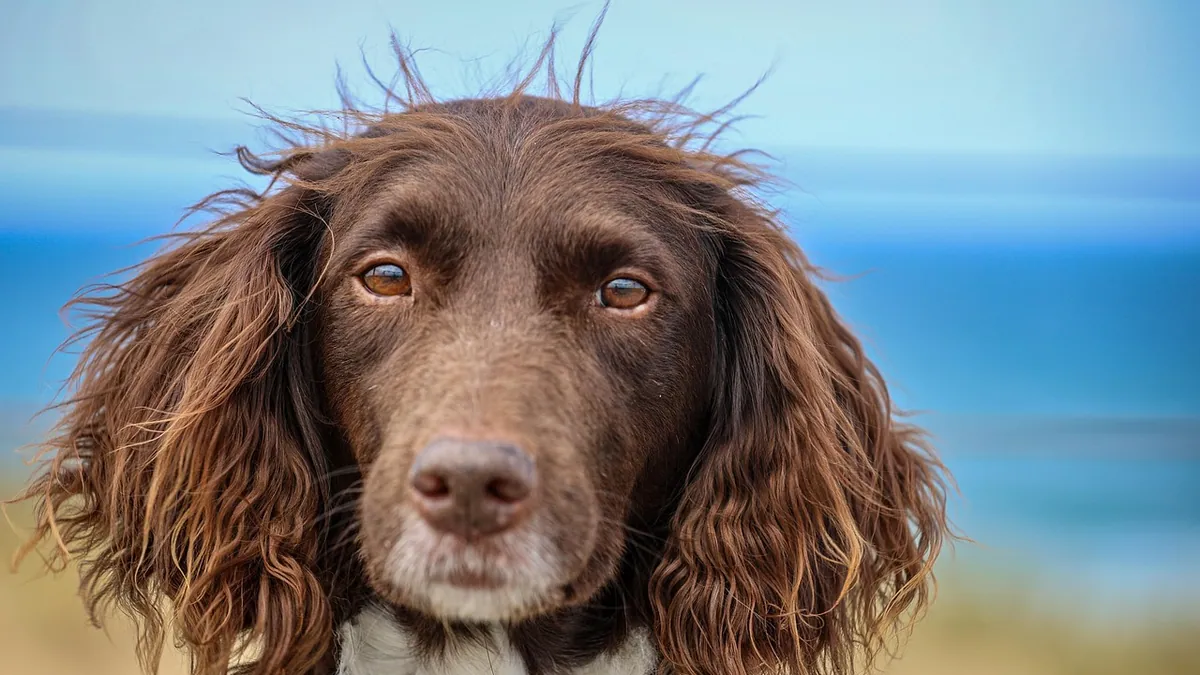
Can dogs take Claritin D? No. Claritin D contains pseudoephedrine, a decongestant that can cause serious heart and nervous system problems in dogs, so it should never be given. Plain loratadine (regular Claritin) is sometimes used for dog allergies, but only under veterinary guidance. If you are searching for claritin D for dog allergies, the answer is to stop and call your veterinarian instead.
This article is educational and is not a substitute for veterinary diagnosis or treatment.
Quick Answer
- Never give your dog Claritin D. The "D" stands for pseudoephedrine, a decongestant that is dangerous to dogs even in small amounts.
- Plain loratadine (Claritin without the D) may be used in some dogs, but only when your veterinarian approves it and calculates the dose.
- Do not guess the dose. Your veterinarian calculates it from your dog's weight and health status.
- If your dog ate Claritin D, call for help right away. Contact your veterinarian or an animal poison control hotline immediately.
- Safer options exist. Your veterinarian can recommend an antihistamine or other treatment that fits your dog's specific problem.
What Is Claritin D and What Do Veterinarians Use It For?
Claritin D is a combination product sold for human allergy relief. It contains two active ingredients: loratadine, an antihistamine, and pseudoephedrine, a decongestant that shrinks swollen nasal passages. The pseudoephedrine is the problem for dogs.
Veterinarians do not prescribe Claritin D for dogs. There is no accepted use for pseudoephedrine in canine allergy treatment. When a veterinarian reaches for an antihistamine, they choose a plain antihistamine product, not a combination decongestant.
Plain loratadine is a different story. It belongs to the same family of second-generation antihistamines as cetirizine, which has been studied in dogs. In one study, oral cetirizine at 2 to 4 mg/kg once daily for 3 days significantly inhibited histamine-induced wheal formation in dogs, with maximum inhibition reaching 100% compared with baseline [1]. That tells us antihistamines in this family can block histamine responses in dogs when the dose is right.
Antihistamines are not the only option. Topical antihistamine eye drops have also been evaluated in dogs with experimentally induced allergic conjunctivitis [2]. Your veterinarian picks the form of treatment based on where your dog's allergy signs appear.
If you want a broader picture of which human allergy medicines are safe for dogs, see Can You Give Your Dog Human Allergy Medicine? What's Safe.
How Does It Work?
Antihistamines work by blocking histamine, the chemical your dog's body releases during an allergic reaction. Histamine causes itching, swelling, redness, and wheal formation in the skin. When an antihistamine blocks histamine at its receptor, those signs can lessen.
The cetirizine study measured this directly. Researchers injected histamine into the skin of dogs and measured the wheal that formed. After oral cetirizine, wheal formation dropped significantly, and the median plasma half-life of cetirizine in dogs was about 10 hours [1]. That half-life is one reason veterinarians often dose these medicines once or twice daily.
Pseudoephedrine works differently. It is a decongestant that tightens blood vessels and stimulates the nervous system. In people, that relieves a stuffy nose. In dogs, that same stimulation can push heart rate and blood pressure into a dangerous range. Dogs do not have the same tolerance for these effects, and there is no veterinary reason to accept that risk for a stuffy nose.
Loratadine itself is generally well tolerated in dogs when dosed appropriately, but it is not a cure for every allergy. It tends to help mild itching and environmental allergy signs more than severe skin disease. Many dogs with chronic allergies need a full plan that includes flea control, skin care, and prescription medication.
Dosing Basics for Plain Loratadine
Who Decides the Dose
Your veterinarian decides. There is no published loratadine dose for dogs that applies to every pet, so no number can be given safely. Your veterinarian will calculate the dose from your dog's body weight, other medicines, and overall health. Never use a human dose or a dose you found online.
How It Is Given
Plain loratadine comes as tablets and as a liquid. Tablets can be hidden in a small amount of food or given with a pill pocket. Liquids are measured with a syringe or dosing cup. Always check the label to confirm the product contains only loratadine and no decongestant, no pain reliever, and no other added ingredient.
If your dog is hard to pill, these tips can help: How to Give Your Dog Allergy Medication Safely.
Missed Dose
If you miss a dose, give it when you remember unless it is almost time for the next one. Do not double up. Call your veterinarian if you are unsure what to do.
Side Effects of Antihistamines in Dogs
| Side effect | How common or serious | What to do |
|---|---|---|
| Drowsiness or sleepiness | Common with antihistamines, usually mild | Monitor your dog. Call your veterinarian if it seems excessive. |
| Dry mouth or dry eyes | Possible with antihistamines, mild | Offer water. Mention it at your next visit if it continues. |
| Vomiting or stomach upset | Possible, usually mild | Give with a small meal if your veterinarian agrees. Call if it repeats. |
| Agitation, fast heart rate, high blood pressure | Serious, linked to pseudoephedrine in Claritin D | This is an emergency. Call your veterinarian or poison control now. |
| Tremors, seizures, collapse | Serious, linked to pseudoephedrine in Claritin D | Go to a veterinary emergency hospital immediately. |
The serious side effects listed above are tied to the decongestant in Claritin D, not to plain loratadine. That distinction matters. A dog who eats one plain loratadine tablet is usually in a very different situation than a dog who eats Claritin D.
Who Should Not Take It and Drug Interactions
Dogs with certain health conditions should not receive antihistamines without a veterinary exam first. These include dogs with liver disease, kidney disease, heart disease, seizures, glaucoma, or an enlarged prostate. Puppies, pregnant dogs, and nursing dogs also need a veterinarian's approval before any antihistamine.
Drug interactions matter too. Antihistamines can add to the sedating effects of other medicines, including some pain medications, anxiety medications, and certain prescription drugs. Tell your veterinarian about everything your dog takes, including supplements and flea and tick products.
Never combine Claritin D with any other medicine for your dog. The pseudoephedrine risk stands on its own, and mixing it with other stimulant or heart-active drugs makes things worse.
For a comparison of other antihistamines, see Dog Antihistamines for Allergies: Which Ones Are Safe? and Can You Give Your Dog Zyrtec for Allergies? Dosage and Safety.
Overdose and When to Call a Veterinarian or Poison Control
An overdose of Claritin D is a medical emergency. Signs can include restlessness, pacing, rapid heart rate, high blood pressure, tremors, vomiting, and collapse. These signs can appear within an hour or two of ingestion, and they can worsen quickly.
If you think your dog ate Claritin D, do not wait for signs to appear. Call your veterinarian or an animal poison control hotline right away. Have the product bottle with you so you can read the ingredients and the strength of each tablet. Tell the person on the phone how many tablets are missing and how much your dog weighs.
Do not induce vomiting unless a veterinarian tells you to. Do not give food, milk, or home remedies to try to dilute the medicine. Follow the instructions you are given.
If your dog is having a seizure, is collapsing, or is struggling to breathe, go straight to the nearest veterinary emergency hospital. Call ahead so the team can prepare.
Limitations and When to Contact a Veterinarian
This article covers general safety information. It cannot tell you what is right for your individual dog. Every case needs a veterinarian who can examine your dog, review the history, and decide on treatment.
Contact your veterinarian the same day if:
- Your dog ate plain loratadine and you are not sure how much.
- Your dog has new itching, hives, or skin redness that is getting worse.
- Your dog seems sleepy, drooly, or unsteady after any new medicine.
Go to an emergency hospital now if:
- Your dog ate Claritin D or any product containing pseudoephedrine.
- Your dog has a racing heart, tremors, seizures, or collapse.
- Your dog is having trouble breathing or has swelling around the face and throat.
Schedule a routine visit if:
- Your dog's itching keeps coming back.
- You want to know whether an antihistamine is a good fit.
- Your dog's current allergy plan is not controlling the signs.
Frequently Asked Questions
Can dogs take Claritin D for allergies?
No. Claritin D contains pseudoephedrine, a decongestant that can cause dangerous heart and nervous system effects in dogs. There is no safe way to give this product to a dog, even in a small amount. If your dog ate any, call your veterinarian or an animal poison control hotline right away.
Is plain Claritin safe for dogs?
Plain loratadine is sometimes used in dogs, but only with veterinary approval. Your veterinarian decides whether it fits your dog's problem and calculates the dose from your dog's weight and health. Never give a human dose on your own.
Can I give my dog Claritin for itching?
Antihistamines can reduce histamine-related itching in some dogs, and cetirizine has been shown to block histamine-induced wheal formation in dogs [1]. Loratadine may help mild itching, but it often does not control moderate or severe allergy signs on its own. Your veterinarian can build a plan that addresses the cause.
What should I do if my dog ate Claritin D?
Call your veterinarian or an animal poison control hotline immediately, even if your dog seems fine. Have the bottle ready so you can report the ingredient strength and how many tablets are missing. Do not wait for symptoms, because pseudoephedrine effects can escalate fast.
Are there safer antihistamines for dogs?
Yes, several plain antihistamines are used in dogs, and your veterinarian can pick the best one for your dog. Cetirizine has published dosing information in dogs, with 2 to 4 mg/kg given by mouth once daily for 3 days in a study setting [1]. That does not mean you should use that number at home. Ask your veterinarian for the right product and dose for your dog.
Related Articles
- Can You Give Your Dog Human Allergy Medicine? What's Safe
- Can You Give Your Dog Over-the-Counter Allergy Medicine?
- Dog Antihistamines for Allergies: Which Ones Are Safe?
- How to Give Your Dog Allergy Medication Safely
- Can You Give Your Dog Zyrtec for Allergies? Dosage and Safety
- Dog Prednisone for Allergies: Side Effects and Safe Use
- Claritin for Dogs: Dosage, Side Effects, and Safety
- What Can I Give My Dog for Allergies? Safe Options
- Can I Give My Dog Xyzal? Allergy Medication Safety
References
- Cetirizine per os: exposure and antihistamine effect in the dog. Acta veterinaria Scandinavica, 2018.
- Efficacy of the topical antihistamine olopatadine in dogs with experimentally induced allergic conjunctivitis. Veterinary ophthalmology, 2024.