Cat Car Sickness Medication and Remedies That Actually Work
By Dr. Zubair Khalid, DVM, MS, PhD ·
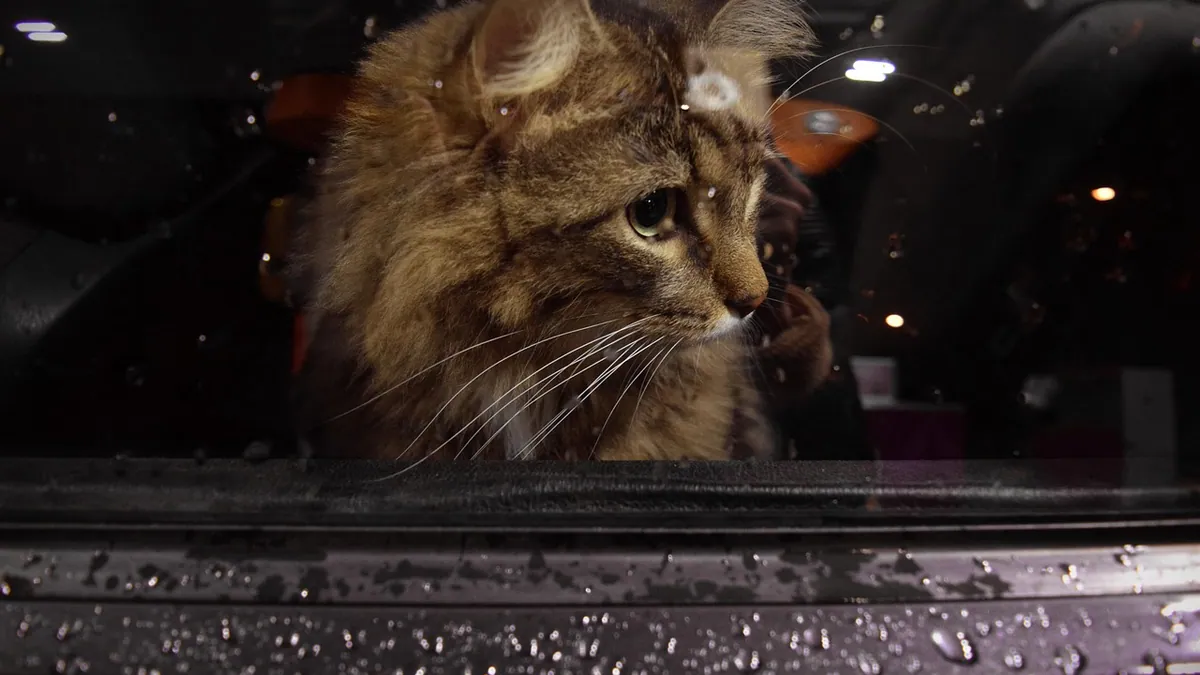
Veterinarians most often prescribe maropitant for cat car sickness medication, and it is the anti-nausea drug with the strongest evidence for reducing vomiting in cats [1]. A few other prescription drugs can help, and several non-drug strategies work well alongside them. This article is educational and is not a substitute for veterinary diagnosis or treatment.
Quick Answer
- Maropitant is the go-to prescription anti-nausea drug for cats. In a pooled analysis of controlled studies, it cut vomiting risk by about 80 percent compared with no treatment [1].
- Ondansetron and metoclopramide are prescription alternatives. Both reduced vomiting and retching in cats compared with a saline control, and neither clearly beat the others in that comparison [2].
- Do not give human motion sickness drugs, antihistamines, or any over-the-counter medicine to your cat unless your veterinarian specifically tells you to.
- Feed a light meal about 3 to 4 hours before the ride, and withhold food for a couple of hours before travel if your cat tends to vomit.
- Ask your veterinarian for a trial dose at home before travel day, so you know how your cat reacts.
What Cat Car Sickness Medication Is and What Veterinarians Use It For
Motion sickness in cats happens when the brain gets mismatched signals from the inner ear, the eyes, and the body's sense of position. The result is nausea, drooling, lip licking, retching, and vomiting [3]. Car rides are a common trigger, but the same drugs are used for vomiting from many causes.
The main prescription options are:
Maropitant. This is the most studied anti-nausea drug in cats. It blocks a receptor in the brain that triggers the vomiting reflex. In one review, emesis occurred in 11 of 141 cats given maropitant compared with 70 of 152 untreated cats, a large reduction in risk [1].
Ondansetron. This drug blocks serotonin receptors involved in nausea and vomiting. In a study of 64 cats, ondansetron given before a vomiting trigger significantly reduced the duration and severity of vomiting compared with saline [2].
Metoclopramide. This drug works on dopamine receptors and also speeds up stomach emptying. In the same 64-cat study, it reduced retching and vomiting compared with the control group [2].
Butorphanol. This is mainly a pain and sedation drug, but it also has anti-nausea effects. In one small study, cats given butorphanol before a drug that commonly causes vomiting had a very low rate of emesis (0 of 10 cats) [4]. It is not a first-choice motion sickness drug, but your veterinarian may use it in certain situations.
Some cats also need help with the anxiety that comes with car travel. If your cat cries, pants, or panics in the carrier, ask your veterinarian whether a calming plan makes sense. You can read more about non-drug options in Cat Anxiety: Natural Remedies That Actually Work and about prescription options in Cat Anxiety Medication: What You Need to Know.
How These Medicines Work
Each drug targets a different step in the vomiting pathway.
Maropitant blocks neurokinin-1 receptors in the brain's vomiting center. This shuts down the final signal that produces vomiting, which is why it works against many different triggers.
Ondansetron blocks 5-HT3 serotonin receptors. These receptors sit in the gut and in the brain and are part of the nausea signal chain [2].
Metoclopramide blocks dopamine receptors and improves stomach emptying, so it addresses both the nausea signal and the sluggish stomach that often comes with motion sickness [2].
Butorphanol acts on opioid receptors and appears to calm the nausea pathways triggered by certain drugs [4].
Researchers are also studying orexin-A, a natural brain chemical. In animal models, including cats, orexin-A reduced motion-induced nausea and vomiting, likely by calming the vestibular system and improving stomach motility [3]. This is not a treatment you can get today. It is a look at where motion sickness research is heading.
Dosing Basics for Cat Car Sickness Medication
Your veterinarian decides the dose. Never guess, and never borrow a dose from another pet or a previous prescription.
Doses are calculated from your cat's weight, age, health conditions, and other medications. Published research doses exist for specific study settings, such as maropitant at 1 mg/kg [4][2], but those numbers come from controlled trials, not from a home dosing plan. Your veterinarian will choose the right drug and amount for your cat.
How the drug is given depends on the product. Some anti-nausea drugs are given by injection in the clinic. Others come as tablets or flavored chews you give at home. Some are given once daily, and some are given on a schedule set by your veterinarian.
Timing matters for car rides. Give the medicine the number of hours ahead that your veterinarian tells you, usually before you leave the house. Do not wait until your cat is already drooling and retching in the car.
If you miss a dose, do not double up. Call your veterinarian's office and ask what to do. If you are not sure whether a dose went in, treat it as a missed dose and check with the clinic.
Food matters too. A light meal a few hours before travel often sits better than a full stomach. If your cat vomits on every ride, your veterinarian may suggest a short fasting window before the trip. Cats should not go without food for long stretches, so follow your veterinarian's specific instructions.
Common and Serious Side Effects
| Side effect | How common or serious | What to do |
|---|---|---|
| Sleepiness or sedation | Common with some drugs and combinations. Usually mild. | Let your cat rest. Call your veterinarian if your cat is hard to wake. |
| Drooling, lip licking, retching | These are nausea signs. They may mean the dose or timing is not right. | Note when they happen and call your veterinarian before the next dose. |
| Vomiting that continues despite treatment | Not expected with an effective dose. | Call your veterinarian the same day. |
| Changes in heart rate or blood pressure | Seen in studies of sedative and anti-nausea combinations, usually short lived [4]. | Report any weakness, collapse, or pale gums right away. |
| Behavior changes, unusual agitation, or wobbliness | Uncommon. | Stop the medication and call your veterinarian. |
| Trouble breathing, facial swelling, hives | Rare but serious. | This is an emergency. Go to a veterinary hospital now. |
Nausea itself can change how your cat looks and acts. In one study, drug-induced nausea affected pain and behavior scores in cats, which means a nauseated cat may look uncomfortable or "off" even when nothing else is wrong [5]. If your cat seems unwell after a dose, that is information your veterinarian needs.
Who Should Not Take It and Drug Interactions
Tell your veterinarian about every medication, supplement, and topical product your cat receives. This includes flea and tick products, heartworm preventives, and anything you bought without a prescription.
Cats with liver disease, kidney disease, heart conditions, or a history of drug reactions may need a different plan or a lower dose. Very young kittens, pregnant cats, and cats that are already weak or dehydrated need extra caution.
Drug interactions matter. Anti-nausea drugs are often combined with sedatives or pain medications, and those combinations can deepen sedation and change heart rate and blood pressure [4]. Your veterinarian can adjust doses to keep your cat safe.
Never give your cat a human anti-nausea or motion sickness product. Many contain ingredients that are toxic to cats, and the doses are not made for feline bodies.
If your cat also has digestive issues, some of the same care principles apply. See Cat Upset Stomach: Home Remedies That Are Safe for what you can safely try at home and what needs a veterinarian.
Overdose and When to Call for Help
If you think your cat got too much medication, call for help right away. Do not wait for symptoms.
Call your veterinarian or an animal poison control hotline immediately if:
- Your cat swallowed extra tablets or chews
- You are unsure how much your cat actually received
- Your cat is wobbly, vomiting repeatedly, drooling heavily, or hard to wake
- Your cat collapses, breathes oddly, or has a seizure
Bring the medication packaging with you, or have it in hand when you call. The name, strength, and number of tablets matter for treatment decisions.
Do not try to make your cat vomit at home. Do not give food, milk, oil, or home remedies to "soak up" the drug unless a veterinarian tells you to.
Non-Drug Remedies That Help
Medicine is only part of the plan. These strategies reduce nausea triggers and stress, and they work best when you start days before travel.
Use a secure carrier. A cat who is loose in the car is stressed and unsafe. A carrier with a familiar blanket and a favorite toy helps.
Cover the carrier. A light towel over the carrier reduces visual motion, which is one of the mismatched signals behind motion sickness [3].
Skip the big meal. A light meal a few hours before travel, or a short fast if your veterinarian advises it, often reduces vomiting.
Practice short rides. Take your cat on two-minute drives around the block before the real trip. This builds tolerance and lets you see how the medication works.
Keep the car cool and quiet. Fresh air, a steady speed, and minimal stopping and starting all help.
Try calming support. Pheromone sprays, calming music, and a predictable routine can lower anxiety. For more ideas, see Cat Anxiety: Natural Remedies That Actually Work.
Ask about a test dose. Give the medication at home once before travel day so you know how your cat responds while you are near help.
Limitations and When to Contact a Veterinarian
No medication works for every cat, and no plan works for every trip. Some cats need a combination of drugs, some need a different drug, and some do better with behavior work than with medicine. Individual cases need a veterinarian who can examine your cat and review the full history.
Contact your veterinarian the same day if:
- Your cat vomits more than once or twice in a 24-hour period
- Your cat refuses food or water for more than 12 hours
- Your cat seems painful, dull, or unusually quiet after a dose
- The medication is not controlling vomiting on the day of travel
Go to an emergency veterinary hospital now if:
- Your cat collapses, has trouble breathing, or has a seizure
- Your cat's gums are pale, white, or blue
- Your cat cannot stand or is unresponsive
- You suspect a large overdose
Schedule a routine visit before travel if your cat has never taken an anti-nausea drug, has a chronic illness, or takes other medications. A quick exam and a conversation about timing can prevent a miserable trip.
Frequently Asked Questions
Can I give my cat human motion sickness medicine?
No. Human motion sickness products are not made for cats and some ingredients are toxic to them. Ask your veterinarian for a cat-specific prescription instead.
How far ahead of a car ride should I give the medicine?
It depends on the drug your veterinarian chooses. Ask for a specific time window when the prescription is written, and give it before your cat starts showing nausea signs.
What if my cat still vomits on the medication?
Call your veterinarian. The dose, the drug, or the timing may need to change, and a different medication may work better for your cat.
Are these drugs safe for kittens?
Not always. Young kittens need a veterinarian to weigh the risks and benefits before any anti-nausea drug is used.
Can I stop the medication once my cat seems fine?
Follow your veterinarian's instructions on how long to give it. Stopping early can bring the nausea and vomiting right back, especially on a long trip.
Related Articles
- Cat Anxiety: Natural Remedies That Actually Work
- Cat Anxiety Medication: What You Need to Know
- Cat Constipation Remedies
- Cat Dandruff Natural Remedy
- Cat Upset Stomach: Home Remedies That Are Safe
- How To Help Cat Dandruff
- Cat Travel Sickness Medicine: Safe Options for Car Trips
- Cat Car Sickness: What You Can Give Before Travel
- What Can I Give My Cat for Travel Sickness and Anxiety?
References
- Receptor-Targeted Antiemetic Strategies in Cats: A Systematic Review and Intervention-Specific Meta-Analysis. Veterinary medicine and science, 2026.
- The Effect of Maropitant, Ondansetron and Metoclopramide on Dexmedetomidine-Induced Vomiting in Cats. Veterinary medicine and science, 2025.
- Orexin-A and motion sickness: a systematic review of animal model studies. Frontiers in pharmacology, 2025.
- Evaluation of the antiemetic, sedative and analgesic effects of butorphanol and maropitant in combination with dexmedetomidine in cats undergoing ovariohysterectomy. The Veterinary record, 2025.
- Influence of drug-induced nausea and opioid-associated behavioural alterations on pain scores in nonpainful cats: a prospective, randomised, experimental trial. Veterinary anaesthesia and analgesia, 2026.