Cat Cold Medication: Safe Options and What to Avoid
By Dr. Zubair Khalid, DVM, MS, PhD ·
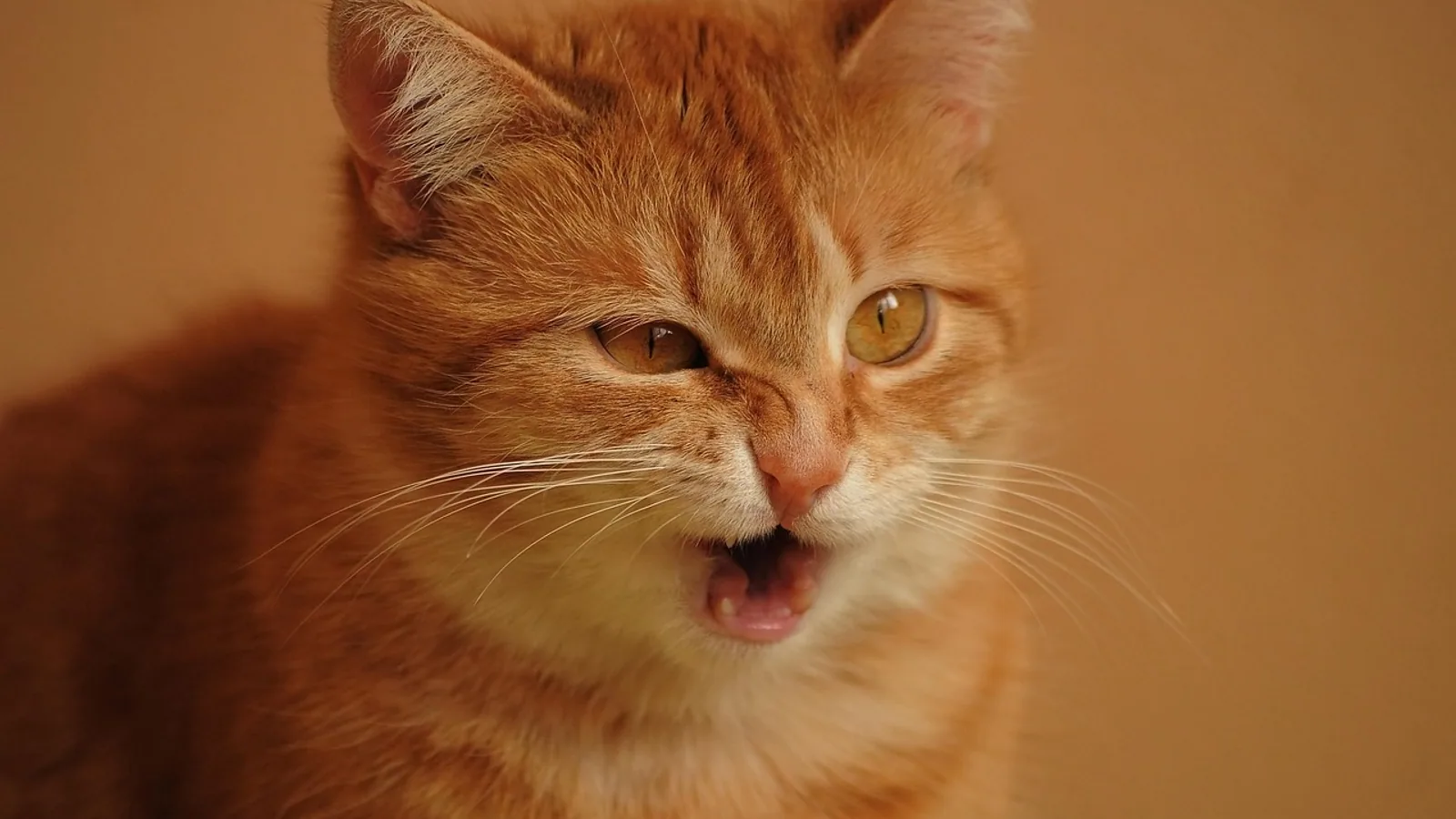
There is no over-the-counter cold medicine for cats. A "cat cold" is a viral upper respiratory infection, most often caused by feline herpesvirus (feline alphaherpesvirus 1) or feline calicivirus, and the human cold and flu products sold in every pharmacy are either useless or dangerous for a cat [1][2]. The safe options are supportive: fluids, food, warmth, gentle nasal care, and in some cases a prescription antiviral or antibiotic that a veterinarian chooses. The unsafe options include acetaminophen, ibuprofen, pseudoephedrine, and phenylephrine, all of which can seriously harm or kill a cat, and many combination cold products hide those ingredients behind a brand name [3][4][5].
This article is educational and is not a substitute for veterinary diagnosis or treatment.
At a Glance
| Item | Detail |
|---|---|
| What it treats | Viral upper respiratory infection (feline herpesvirus, calicivirus) and its symptoms |
| Species and age | Cats of any age. Kittens and senior cats are most vulnerable |
| How it is given | Supportive care at home, prescription drugs only by a veterinarian |
| How fast it works | Supportive care eases symptoms within hours to days. Viral shedding and full recovery take one to three weeks |
| How long it lasts | Symptoms can persist 7 to 21 days and may recur during stress |
| Prescription or OTC | No approved OTC cat cold medication exists in the United States. Antibiotics and antivirals are prescription only |
What a Cat Cold Actually Is


The phrase "cat cold" is a nickname, not a diagnosis. Feline upper respiratory tract disease is a syndrome with several possible causes, and the two most common viral culprits are feline calicivirus (FCV) and felid alphaherpesvirus 1 (FeAHV1, also called feline herpesvirus type 1 or FHV-1) [2]. A 2026 diagnostic study of feline respiratory pathogens grouped these two viruses with Mycoplasmopsis felis, Chlamydia felis, Bordetella bronchiseptica, influenza A virus, and even SARS-CoV-2 as agents that produce overlapping clinical signs, which is why owners often cannot tell them apart without testing [2].
Calicivirus is highly contagious and circulates heavily in shelters and veterinary hospitals. A 2025 retrospective study of 15 cats that developed ulcerative tongue lesions, drooling, and skin lesions after routine spay surgery described the pattern typical of calicivirus: painful mouth ulcers, refusal to eat, lethargy, fever, and difficulty swallowing [1]. Some calicivirus strains cause virulent systemic disease with high mortality, although the cats in that report recovered [1]. Herpesvirus tends to cause sneezing, nasal discharge, and eye inflammation, and it can hide in nerve tissue and flare up again during stress or illness.
A cat with a "cold" may also have a bacterial or fungal problem layered on top. Chronic nasal congestion in cats has many causes, including lymphoplasmacytic rhinitis, cancer, fungal infection, and even bone disease, so a cat whose symptoms do not resolve deserves a real workup rather than another round of guesswork [6][7]. Feline cryptococcosis, the most common systemic fungal infection in cats, can present with chronic nasal swelling and enlarged lymph nodes and is treated with prescription antifungal drugs such as itraconazole [7].
Why Human Cold Medicines Are Unsafe for Cats
Cats metabolize drugs differently from people and dogs. The liver pathways that clear many common medications are weak or missing in cats, so a dose that is trivial for a human can be a poison for a cat. This is not a matter of adjusting the dose downward. For several drugs, there is no safe dose at all.
Acetaminophen (Tylenol and Hundreds of Combination Products)
Acetaminophen is one of the most dangerous household drugs for cats. Cats are highly susceptible because they glucuronidate the drug poorly. A 1997 enzyme kinetics study found that the high-affinity glucuronidation capacity in cat liver microsomes was more than 10-fold lower than in dogs and humans [8]. A later comparative study confirmed that cat samples had no detectable phenol-type glucuronidation activity at all, and that cats also lack N-acetyltransferase activity, the combination that allows a toxic metabolite to accumulate [9].
That metabolite, para-aminophenol, drives the clinical disaster. A 2009 study showed that para-aminophenol, not the more famous NAPQI metabolite, is what induces methemoglobin formation in dog and cat red blood cells, and it does so more strongly in cats than in rodents [10]. Methemoglobin cannot carry oxygen. The result is a cat that turns blue, breathes hard, and suffocates from the inside even while breathing room air.
The dose numbers are sobering. In a controlled study, cats given acetaminophen at 20, 60, and 120 mg per kg developed significant methemoglobinemia at the middle and high doses, with methemoglobin rising to about 21.7 percent and 45.5 percent respectively [11]. A separate 1984 study used the same dose tiers and found that cat plasma half-lives increased as the dose increased, meaning the drug lingered longer exactly when the body most needed to clear it [3]. Clinical reports from the 1970s describe cats given two or three 325 mg tablets that became severely ill, and one of two cats died after three tablets [4]. Facial edema, cyanosis within four hours, anemia, hemoglobinuria, and jaundice were all documented [4]. One 325 mg tablet is a human dose. It is not a cat dose.
Treatment exists but must be fast. Acetylcysteine has been used as an antidote in cats with acetaminophen toxicosis, and in one trial all five treated cats survived while two untreated cats died [12]. S-adenosylmethionine (SAMe) has also been studied in a feline acetaminophen model, where it limited Heinz body formation and red blood cell destruction, suggesting a supportive antioxidant role [13]. None of this is something an owner can manage at home. Acetaminophen exposure is an emergency.
Ibuprofen and Other NSAIDs
Ibuprofen, naproxen, and aspirin belong to the nonsteroidal anti-inflammatory drug family. Cats clear these drugs slowly, and the margin between a therapeutic effect and kidney injury or gastrointestinal ulceration is narrow. Human formulations are also dosed for a 70 kg adult, not a 4 kg cat. Never give a human NSAID to a cat. If a cat needs pain relief or fever control, a veterinarian will choose a veterinary-labeled product and calculate the dose.
Decongestants: Pseudoephedrine and Phenylephrine
Pseudoephedrine and phenylephrine are vasoconstrictors. In cats they cause agitation, restlessness, rapid heart rate, high blood pressure, and in severe cases tremors, hyperthermia, and cardiac arrhythmia. These ingredients appear in oral cold tablets, sinus products, and nasal sprays. A cat that licks a spilled pill, chews a blister pack, or drinks from a nasal spray bottle can absorb a meaningful dose. There is no home monitoring that makes this safe.
Antihistamines, Cough Suppressants, and Combination Products
Diphenhydramine, dextromethorphan, guaifenesin, and combination "nighttime" or "daytime" formulas are not approved for cats and are not a substitute for veterinary care. The bigger risk is the combination product itself. A single multi-symptom cold capsule may contain acetaminophen, pseudoephedrine, dextromethorphan, and an antihistamine in one pill. An owner who reads only the front of the box may miss the acetaminophen entirely. Always read the full active ingredient list, and assume any product you cannot fully decode is unsafe.
VCA Animal Hospitals states plainly that many over-the-counter human medications are not safe for cats and that owners should not give them without veterinary guidance [5].
Safe Versus Toxic Human Cold Drugs for Cats
| Ingredient or product | Category | Effect in cats | Action |
|---|---|---|---|
| Acetaminophen (paracetamol) | Pain and fever reducer | Methemoglobinemia, hemolysis, liver injury, facial swelling, cyanosis, death [3][11][4] | Emergency. Call a vet or poison control immediately |
| Ibuprofen | NSAID | Kidney injury, stomach and intestinal ulcers, bleeding | Emergency. Call a vet or poison control immediately |
| Naproxen | NSAID | Same as ibuprofen, longer lasting | Emergency |
| Aspirin | NSAID | Bleeding, ulcers, prolonged clearance in cats | Do not give. Call a vet if given |
| Pseudoephedrine | Decongestant | Agitation, hypertension, tachycardia, tremors, hyperthermia | Emergency |
| Phenylephrine | Decongestant | Same as pseudoephedrine | Emergency |
| Diphenhydramine | Antihistamine | Sedation or paradoxical excitation, dry mouth, urinary retention | Not approved. Ask a vet first |
| Dextromethorphan | Cough suppressant | Neurologic signs at high doses | Do not give |
| Guaifenesin | Expectorant | Vomiting, sedation | Do not give |
| Combination cold and flu products | Mixed | Variable. Often contain one or more toxic ingredients above | Treat as toxic until proven otherwise |
| Saline nasal drops | Nasal moisturizer | Safe. Plain sterile saline only, no added drugs | Safe for gentle nasal care |
| Nebulized sterile saline | Airway moisturizer | Safe when used as directed by a veterinarian | Safe with veterinary guidance |
| Oral rehydration and warmed food | Supportive | Safe and often the most important step | Safe |
If a cat has swallowed any product in the toxic rows, do not wait for symptoms. Call a veterinarian or an animal poison control hotline right away and bring the packaging.
How Feline Upper Respiratory Infection Is Actually Treated
Treatment for a viral cat cold is supportive because there is no approved antiviral that cures the common forms. A 2026 review of calicivirus noted that specific targeted antiviral agents for FCV infection remain unavailable, though research into neutralizing antibodies is ongoing [14]. That means the veterinarian's job is to keep the cat eating, drinking, breathing, and comfortable while the immune system does the work, and to catch complications early.
Fluids and Hydration
A congested cat often stops drinking because it cannot smell the water and does not feel well. Dehydration thickens nasal secretions and makes everything worse. Offer fresh water in multiple bowls, consider a water fountain, and ask a veterinarian whether subcutaneous fluids at home or in the clinic are appropriate. Never force water into a cat's mouth.
Nutrition and Appetite
Anorexia is one of the most common and most dangerous features of feline upper respiratory disease. The 2025 calicivirus case series listed anorexia and dysphagia among the presenting signs, driven by painful oral ulcers [1]. A cat that does not eat for more than 24 to 48 hours is at risk for hepatic lipidosis, a serious liver condition. Warm the food to boost aroma, offer highly palatable wet food, and try hand-feeding or a syringe if a veterinarian approves. Prescription appetite stimulants and anti-nausea drugs are available and often make the difference between a cat that recovers at home and one that needs a feeding tube.
Nasal Care
Plain sterile saline nasal drops or spray can loosen crusted secretions and help a cat breathe. Use only products with no added decongestant, steroid, or preservative that could irritate. A warm, steamy bathroom or a cool-mist humidifier can also ease congestion. Gentle wiping of the nose and eyes with a damp cloth removes discharge and keeps skin from getting raw.
Nebulization
Nebulization with sterile saline is a common supportive technique for cats with thick nasal or airway secretions. A veterinarian can prescribe a nebulizer setup and explain how long and how often to run it. Do not add essential oils, eucalyptus, or human inhalation products to the chamber. Those can cause airway injury and are toxic to cats.
Lysine: Evidence Caveats
Lysine supplementation has been used for years in cats with herpesvirus on the theory that it reduces viral replication. The evidence is mixed and the effect is modest at best. Lysine is not a cure and should not replace the supportive measures above. Discuss it with a veterinarian before starting it, and do not use it as an excuse to skip veterinary evaluation of a cat that is not eating or breathing well.
Antibiotics: For Secondary Infection, Not the Virus
Antibiotics do not treat viruses. They are prescribed when a veterinarian suspects a secondary bacterial infection, which is suggested by thick yellow or green nasal discharge, fever, or a cat that was improving and then worsened. A 2024 study of cats with lower respiratory tract disease found that Mycoplasma felis detection was associated with specific clinical and inflammatory patterns and that antibiotics were used more often in the positive group [15]. The point is that bacterial involvement is a real possibility and worth testing for, but it is a diagnosis, not a guess. Giving antibiotics for a purely viral cold does nothing except promote resistance and side effects.
Antivirals and Other Prescription Options
For herpesvirus, veterinarians sometimes prescribe antiviral eye drops or oral antivirals when the eyes are involved. These are prescription decisions based on examination findings. Do not use human antiviral eye drops or cold sore creams on a cat.
Environmental and Stress Management
Herpesvirus reactivates during stress. Keeping the cat indoors, reducing household chaos, providing warm quiet resting spots, and isolating a sick cat from other cats limits spread and supports recovery. Calicivirus is highly contagious and can spread through a household or shelter quickly, so separate food bowls, litter boxes, and bedding during illness [1].
The Decision Path for a Sneezing Cat
The flowchart below shows the practical sequence most veterinarians follow when an owner reports cold symptoms.
flowchart TD
    A[Cat sneezes or has nasal discharge] --> B{Breathing normal}
    B -->|Yes| C[Offer fluids and warmed food]
    B -->|No| D[Emergency visit now]
    C --> E{Eating and drinking}
    E -->|Yes| F[Saline nose drops and humidifier]
    E -->|No for 24 hours| G[Vet visit within 24 hours]
    F --> H{Symptoms improving in 3 days}
    H -->|Yes| I[Continue supportive care]
    H -->|No| J[Vet visit for exam and testing]
    G --> J
    J --> K{Secondary infection suspected}
    K -->|Yes| L[Prescription antibiotics or antivirals]
    K -->|No| M[Continue supportive care and recheck]
Warning Signs That Mean Emergency Care
Some symptoms should never wait for a morning appointment.
- Open-mouth breathing, panting, or obvious effort to breathe
- Blue, gray, or pale gums and tongue
- Collapse, seizures, tremors, or extreme agitation
- Known or suspected exposure to acetaminophen, ibuprofen, pseudoephedrine, or any combination cold product
- Facial swelling, especially around the muzzle and eyes
- Vomiting, diarrhea, or dark tarry stool after any medication
- Complete refusal to eat or drink for more than 24 hours
- Fever, severe lethargy, or a cat that cannot be roused
- Sudden worsening after a period of improvement
Methemoglobinemia from acetaminophen can develop within four hours of a single tablet, so timing matters [4]. If you know or suspect exposure, call before you see symptoms.
How to Give Supportive Care at Home
Supportive care is not passive. Done well, it shortens suffering and prevents the complications that send cats to the hospital.
- Set up a quiet, warm, draft-free room away from other pets.
- Offer multiple water sources and consider adding a little warm low-sodium broth to encourage drinking, if a veterinarian approves.
- Warm wet food to body temperature and offer small amounts frequently.
- Use plain sterile saline drops in the nose as needed to loosen crusts.
- Run a cool-mist humidifier or take the cat into a steamy bathroom for short sessions.
- Wipe eyes and nose gently with a clean damp cloth, working outward from the corner.
- Keep the litter box clean and close by so a weak cat does not have to travel.
- Track food intake, water intake, urine, and stool so you can report accurately.
- Never give any human medication without direct veterinary instruction.
- Wash your hands and change clothes after handling a sick cat before handling other cats.
Which Cats Should Not Receive Any Cold Medication
No cat should receive a human cold medication. Beyond that general rule, several groups are at especially high risk.
- Kittens, whose small body size means even a fragment of a tablet is a large dose
- Senior cats with kidney, liver, or heart disease
- Cats already taking prescription medications, because interactions can be severe
- Pregnant or nursing queens
- Cats with known methemoglobin reductase deficiency or prior anemia
- Cats with oral ulcers or dental pain, who may refuse oral medications entirely
For any of these cats, the threshold for calling a veterinarian is lower, not higher.
Drug Interactions to Know About
The most important interaction is the one between a well-meaning owner and a pharmacy shelf. Beyond that, cats on prescription medications can have dangerous interactions with human drugs. Acetaminophen and NSAIDs can compound kidney and liver stress in cats already on other drugs. Decongestants can raise blood pressure and heart rate in cats with cardiac disease. Sedating antihistamines can compound the effects of other sedatives. Always tell your veterinarian every product the cat receives, including supplements and flea and tick preventives, before accepting any new prescription.
How Supportive Care Compares With Prescription Treatment
Supportive care is the foundation for every cat with a viral cold. It costs little, carries almost no risk, and addresses the things that actually threaten the cat: dehydration, malnutrition, and airway obstruction from secretions. Prescription treatment adds targeted tools. Antibiotics address secondary bacterial infection. Antivirals address herpesvirus in specific situations. Anti-nausea drugs and appetite stimulants keep the cat eating. None of these replace the basics, and none of them should be started without an examination.
Questions to Ask Your Veterinarian
- Does my cat need testing to identify the specific virus or bacteria?
- Is a secondary bacterial infection likely, and would antibiotics help?
- Should we use subcutaneous fluids at home, and can you show me how?
- Is an appetite stimulant or anti-nausea medication appropriate?
- Are there eye drops or oral antivirals that would help this episode?
- How long should I expect symptoms to last before we recheck?
- What warning signs should bring me back immediately?
- How do I prevent spread to my other cats?
Common Mistakes Owners Make
The single most common mistake is reaching for a human cold medicine. The second is assuming that because a product is labeled for children, it is gentle enough for a cat. Pediatric dosing is still human dosing, and a child's acetaminophen dose can be fatal to a cat [4]. The third mistake is waiting too long. A cat that has not eaten in two days is not "just a little stuffed up." The fourth is using homeopathic or herbal cold remedies. These are not regulated for cats, doses are not standardized, and some contain ingredients that are toxic to cats. The fifth is stopping antibiotics early because the cat looks better. Finish the full course a veterinarian prescribes.
Limitations and When to Contact a Veterinarian
This article covers general principles. Every cat is an individual, and a cat with a chronic condition, a very young or very old cat, or a cat with an unusual presentation needs a veterinarian who can examine it, run tests, and tailor treatment. Contact a veterinarian promptly if your cat is not eating, is breathing with effort, has a fever, has been exposed to any human medication, or is not improving within a few days. If you are unsure whether a symptom is serious, call. A phone call is cheaper than an emergency visit, and far cheaper than a preventable death.
Frequently Asked Questions
Can I give my cat human cold medicine?
No. Human cold medicines are not safe for cats. Acetaminophen and ibuprofen can be fatal, and decongestants such as pseudoephedrine and phenylephrine cause dangerous agitation and high blood pressure [3][4][5].
What can I give my cat for a cold at home?
Supportive care only: fluids, warmed food, a humid environment, and plain sterile saline nasal drops. Any medication, including antivirals or antibiotics, requires a veterinary prescription.
Is acetaminophen really that dangerous for cats?
Yes. Cats cannot glucuronidate acetaminophen efficiently, so toxic metabolites build up and cause methemoglobinemia, hemolysis, and liver injury [9][10][8]. A single 325 mg tablet has caused severe illness and death in cats [4].
What are the signs of acetaminophen poisoning in a cat?
Blue or gray gums, rapid breathing, facial swelling, vomiting, lethargy, and dark urine. Signs can appear within four hours of ingestion [4]. This is an emergency.
Can cats take Benadryl?
Diphenhydramine is not approved for cats and can cause sedation, excitation, or urinary retention. Do not give it without specific veterinary instruction.
Do cats need antibiotics for a cold?
Not usually. Antibiotics treat secondary bacterial infections, not the underlying virus. A veterinarian may prescribe them if thick discharge, fever, or worsening signs suggest bacterial involvement [15].
How long does a cat cold last?
Most viral upper respiratory infections improve within 7 to 21 days with supportive care. Symptoms that persist or worsen need veterinary evaluation [1].
Should I use lysine for my cat's herpesvirus?
Lysine has been used for years but the evidence for benefit is limited and inconsistent. Discuss it with your veterinarian rather than treating it as a proven remedy.
Related Articles
- What Human Medications Are Safe for Cats? A Vet's Guide to OTC Options
- Cat Ear Infection Home Remedy: Safe Options and What to Avoid
- Cat Skin Allergy Home Remedies: Safe Options and What to Avoid
- What Human Medications Are Safe for Dogs? A Vet's Guide to Over-the-Counter Options
- Dog Vomiting: What Medicine Can You Give? Safe Options and What to Avoid
- Dog Allergy Medication Interactions: What to Avoid
- Chicken Treats: Safe Options and Portion Limits
- Dog Incontinence Drugs: Medication Options Compared
- Dog Antifungal Medication: Options, Doses, and Safety
Sources
- Suspected Feline Calicivirus Infection Triggering Ulcerative Oral and Skin Lesions in Cats Following Routine Ovariohysterectomy: A Postoperative Risk Assessment.
- Quantitative multiplex detection of 9 feline respiratory pathogens with enhanced sensitivity: a cost-effective integrated platform combining RT-PCR/PCR and capillary electrophoresis.
- The toxicity and biotransformation of single doses of acetaminophen in dogs and cats.
- Acetaminophen toxicosis in the cat.
- Are over-the-counter medications safe for my cat?
- Diffuse Osteosclerosis in a Young Cat Presenting With Chronic Nasal Congestion: A Case Report.
- Feline Cryptococcosis: Two Case Reports and a Literature Review.
- Molecular basis for deficient acetaminophen glucuronidation in cats. An interspecies comparison of enzyme kinetics in liver microsomes.
- Phylogenetic origins for severe acetaminophen toxicity in snake species compared to other vertebrate taxa.
- The role of para-aminophenol in acetaminophen-induced methemoglobinemia in dogs and cats.
- The effect of acetaminophen on methemoglobin and blood glutathione parameters in the cat.
- Acetylcysteine for treatment of acetaminophen toxicosis in the cat.
- S-adenosylmethionine (SAMe) in a feline acetaminophen model of oxidative injury.
- Isolation of feline-derived scFvs against the VP1-CDE region of feline calicivirus from a phage display library and characterization of their antigen-binding and antiviral potential in vitro.
- Clinical and prognostic relevance of Mycoplasma felis PCR detection in feline lower respiratory tract disease.