Can Dogs Have Dandelion Root? Powder and Tincture Safety
By Dr. Zubair Khalid, DVM, MS, PhD ·
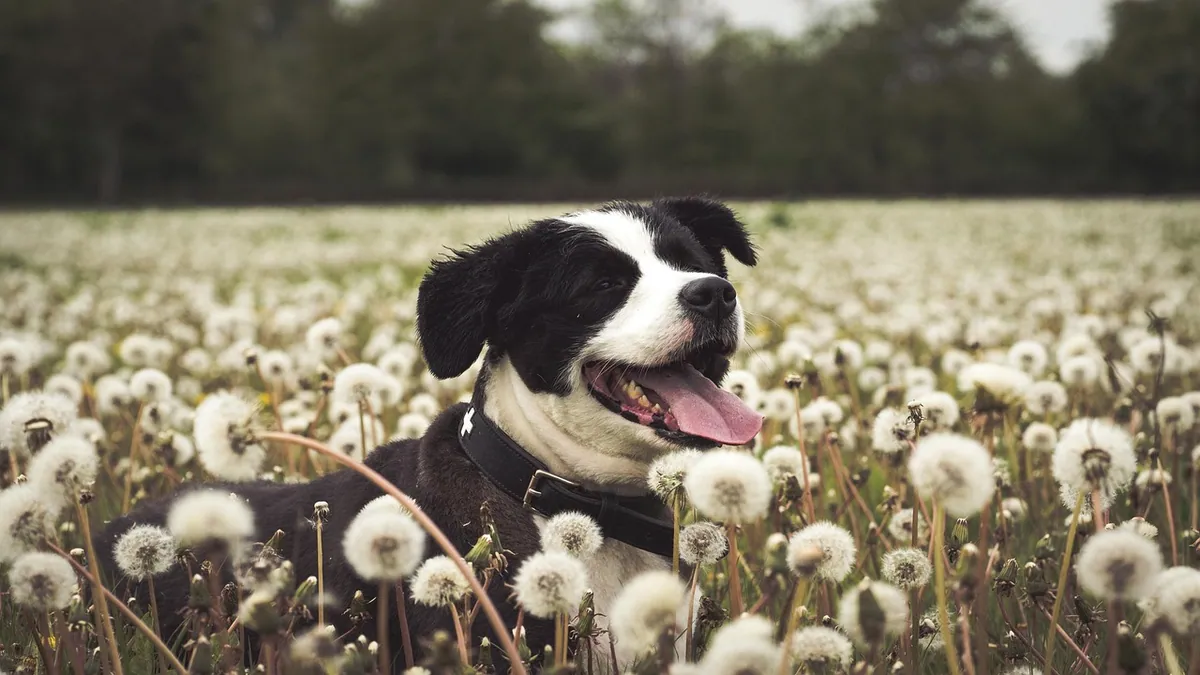
Dandelion root (Taraxacum officinale) is a common herbal supplement, and dogs can have it in some situations, but only under veterinary guidance. The form matters a great deal, because alcohol-based tinctures and unregulated powders are not the same product your veterinarian might recommend. This article is educational and is not a substitute for veterinary diagnosis or treatment.
Quick Answer
- Dandelion root is sometimes used in dogs for its diuretic (urine-increasing) and digestive effects, but it is not a standard first-line veterinary treatment.
- A small 2025 study of senior dogs used a blend that included dandelion extract (standardized to 20% inulin) alongside passionflower and ashwagandha, given by mouth for 40 days [1]. That is a combination product, not proof that dandelion alone works.
- Never give a dose based on a human label or an internet chart. Your veterinarian calculates the dose from your dog's weight, health conditions, and other medications.
- Alcohol-based tinctures are a poor choice for dogs because of the alcohol content. Ask your veterinarian about alcohol-free glycerin tinctures or a measured powder instead.
- Stop the product and call your veterinarian if you see vomiting, diarrhea, weakness, or changes in urination or drinking.
What Dandelion Root Is and What Veterinarians Use It For
Dandelion root comes from the same plant many people know as a lawn weed. The root is dried and sold as a powder, a capsule, a tea, or a liquid tincture. The leaf is also used, but the root is the part most often marketed for digestive and liver support.
In veterinary practice, dandelion is not a drug with an approved label for dogs. It falls into the category of phytotherapy, meaning treatment with plant materials. A 2026 systematic review of natural products in veterinary medicine found that phytotherapy research often has methodological limits, including a lack of randomization and control groups [2]. That does not mean these products are useless. It means the evidence is weaker than what you would expect for a prescription medication.
A 2019 review of medicinal plants used for pet diseases in British Columbia noted that plant-based treatments appeal to owners partly because they tend to be less toxic, cheaper, and more available than some drugs, and because they may be safer for long-term use [3]. Dandelion appears in that broader tradition of pet herbal care.
Veterinarians who use dandelion typically reach for it as a supportive measure, not a cure. Common reasons include mild fluid retention, sluggish digestion, and appetite support in older dogs. It is rarely used alone for a serious diagnosis.
How Dandelion Root Works
Dandelion root contains inulin, a type of soluble fiber. In the 2025 senior dog study, the dandelion extract was standardized to 20% inulin and was given as part of a three-plant blend for 40 days [1]. Inulin feeds certain gut bacteria, which is one reason dandelion is grouped with digestive-support herbs.
The root also has a long folk history as a diuretic, meaning it increases urine output. That effect is why some owners ask about it for mild swelling or for dogs with heart or kidney conditions. Be careful here. Increased urination can be helpful or harmful depending on the diagnosis, and it can interact with diuretic medications your dog already takes.
Dandelion also contains bitter compounds that may stimulate appetite and bile flow. These effects are described in traditional use and in herbal references, but they have not been confirmed in controlled dog studies.
One point that gets lost in online discussions: the plant itself can carry contaminants. A 2023 analysis of soil and dandelion samples from three sites in Poland found the samples were chemically clean, with no concerning levels of heavy metals, PAHs, PCBs, dioxins, pesticides, or mycotoxins [4]. However, the same analysis detected 95 species of pathogenic bacteria, including Vibrio vulnificus and Pasteurella species [4]. That finding is a strong argument for buying a tested commercial product instead of digging up plants from your yard or a park.
Dosing Basics for Dogs
Who decides the dose
Your veterinarian does. There is no safe universal dose of dandelion root for dogs that an owner can apply at home. Body weight, kidney function, liver function, heart status, and current medications all change the calculation. If your veterinarian wants to use dandelion, they will pick a specific product and a specific amount.
How it is given
Powder can be mixed into a small amount of wet food. Tinctures are dropped into the mouth or onto food. Capsules can be hidden in a treat for dogs that swallow them easily.
Tinctures deserve special caution. Many are made with alcohol, which dogs tolerate poorly. If your veterinarian recommends a tincture, ask specifically for an alcohol-free version. Also check whether the product contains xylitol or other sweeteners, which are dangerous for dogs. For a broader look at what belongs in your dog's bowl, see Safe Fruits And Veg For Dogs.
What to do about a missed dose
If you miss a dose, give it when you remember unless it is almost time for the next one. In that case, skip the missed dose and go back to your normal schedule. Do not double up to catch up. Doubling can cause stomach upset or push your dog toward the side effects listed below.
Side Effects of Dandelion Root in Dogs
| Side effect | How common or serious | What to do |
|---|---|---|
| Mild stomach upset, soft stool | Fairly common with new supplements, usually mild | Stop the product and call your veterinarian if it lasts more than a day |
| Increased urination | Expected with the diuretic effect, can be serious if your dog has kidney or heart disease | Contact your veterinarian the same day |
| Vomiting or diarrhea that repeats | Less common, can become serious through dehydration | Stop the product and call your veterinarian |
| Allergic reaction (itching, hives, facial swelling) | Uncommon but serious | Stop the product and seek veterinary care right away |
| Weakness, wobbling, collapse | Rare but serious | Treat as an emergency |
| Bacterial infection from contaminated plant material | Possible with unregulated or foraged products [4] | See a veterinarian if your dog develops fever, lethargy, or vomiting |
Herbal products are not automatically gentle. A 2001 study of 47 dogs that ate an herbal supplement containing guarana and ma huang found that 80% developed signs of toxicosis within 8 hours, and clinical signs lasted up to 48 hours [5]. That supplement is not dandelion, but the lesson applies to every herbal product you consider. Ingredients, doses, and quality control all matter.
Who Should Not Take Dandelion Root
Skip dandelion root, or ask your veterinarian first, if your dog:
- Has kidney disease or a history of kidney problems
- Has heart disease or takes a diuretic such as furosemide
- Takes blood thinners or has a bleeding disorder
- Has diabetes, since product labels and plant sugars vary
- Has a known allergy to plants in the daisy family (ragweed, chrysanthemum, chamomile)
- Is pregnant, nursing, or under 6 months old
- Is already on several supplements or medications
Drug interactions to discuss with your veterinarian
Dandelion may add to the effects of diuretics, which can lower blood pressure or upset electrolyte balance. It may also interact with lithium and with some diabetes medications. Because dandelion can affect how the body handles fluids and salts, any dog on prescription medication needs a veterinary review before you start it.
If you are already managing your dog's medications at home, the same caution applies to over-the-counter products. Our guide to Can I Give My Dog Benadryl? Dosage, Safety, and When to Call the Vet explains how to think through those decisions. For a look at a common kitchen spice that is safe in small amounts, see Can Dogs Have Cinnamon.
Overdose and When to Call a Veterinarian or Poison Control
An overdose of dandelion root is unlikely to be life-threatening on its own, but it can cause significant vomiting, diarrhea, and dehydration. The bigger risk is the product itself. Tinctures may contain alcohol or xylitol. Powders may be contaminated. Combination herbal products may contain stimulants or other ingredients you did not intend to give.
If your dog ate a large amount of dandelion root, a tincture, or a product you cannot identify, call for guidance right away:
- ASPCA Animal Poison Control Center: (888) 426-4435
- Pet Poison Helpline: (855) 764-7661
Have the product container, the amount eaten, your dog's weight, and the time of ingestion ready. Do not wait for symptoms to appear before you call.
If your dog is having a seizure, is struggling to breathe, has collapsed, or has a swollen face, go to an emergency veterinary hospital now.
Limitations and When to Contact a Veterinarian
The evidence for dandelion root in dogs is thin. The strongest recent dog study used a blend of three plant extracts, not dandelion by itself, and it included only seven senior dogs [1]. A 2026 review of natural products in veterinary medicine found that many phytotherapy studies have design weaknesses such as missing control groups [2]. That means you should treat claims about dandelion with realistic expectations.
Call your veterinarian the same day if your dog:
- Vomits more than once or has diarrhea for more than 24 hours
- Drinks or urinates much more than usual
- Seems weak, wobbly, or unusually tired
- Develops itching, hives, or facial swelling after a dose
- Refuses food for more than a day
Go to an emergency clinic now if your dog:
- Collapses or cannot stand
- Has a seizure
- Breathes with effort or has pale gums
- Has a swollen face or throat
- Ate a tincture that contains alcohol or xylitol
Schedule a routine visit if you want to discuss dandelion as part of a longer-term plan. Bring the exact product, the label, and a list of everything else your dog takes. Your veterinarian can check for interactions and decide whether dandelion fits at all. Individual cases always need a veterinarian's eyes on the whole picture, including your dog's lab work and history.
Frequently Asked Questions
Can dogs have dandelion root powder?
Yes, some dogs can have dandelion root powder if a veterinarian recommends it and sets the amount. Powder is often easier to measure and mix into food than a tincture. Buy from a company that tests its products, and never use plants foraged from roadsides, parks, or yards that may have been sprayed or visited by wildlife.
Can dogs have dandelion root tincture?
They can, but alcohol-based tinctures are a poor choice because of the alcohol content. Ask your veterinarian for an alcohol-free glycerin tincture if a liquid form is needed. Check the label for xylitol and other sweeteners before you give any tincture to your dog.
Is dandelion root safe for dogs with kidney disease?
No, dandelion root is generally avoided in dogs with kidney disease. Its diuretic effect can add strain and may interact with prescription diuretics. If your dog has any kidney or heart diagnosis, talk to your veterinarian before giving dandelion in any form.
How long does dandelion root take to work in dogs?
There is no reliable timeline for dandelion alone in dogs. The closest recent dog study used a three-plant blend for 40 days and measured inflammation, oxidative stress, and gut bacteria markers, not visible symptom relief [1]. If you see no change in a few weeks, stop the product and check in with your veterinarian.
Can I just pick dandelions from my yard for my dog?
No, foraging is risky. A 2023 analysis of dandelion samples found the plants were chemically clean at three test sites, but still carried 95 species of pathogenic bacteria, including Vibrio vulnificus and Pasteurella species [4]. Your yard may also have pesticides, road runoff, or animal waste. Use a tested commercial product instead.
For more on foods and supplements that are safe for dogs, see Can Dogs Eat Cocoa Powder? High Theobromine Warning.
Related Articles
- Can Dogs Have Cinnamon
- Can Dogs Eat Cocoa Powder? High Theobromine Warning
- Can I Give My Dog Benadryl? Dosage, Safety, and When to Call the Vet
- Safe Fruits And Veg For Dogs
- Benadryl For Dogs
- Can Dogs Eat Pistachios? Mold Aflatoxin and Salt Risk
- Are Dandelions Toxic to Dogs? Leaves, Root, and Tea
- Can Dogs Eat Dandelion Flowers, Leaves, or Root?
- Can Dogs Eat Peppermint? Leaves, Candy, and Safety
References
- Efficacy of nutraceutical supplements containing Passiflora incarnata L., Withania somnifera (L.) Dunal and Taraxacum officinale (L.) weber ex F.H.Wigg. on markers of inflammation, oxidative stress and gut microbiota in senior dogs. Frontiers in veterinary science, 2025.
- Evidence and Clinical Applications of Natural Products in Veterinary Medicine: A Systematic Review of Clinoptilolite, Ozone Therapy, Propolis, and Phytotherapy. Veterinary sciences, 2026.
- Do recent research studies validate the medicinal plants used in British Columbia, Canada for pet diseases and wild animals taken into temporary care?. Journal of ethnopharmacology, 2019.
- A comprehensive analysis of chemical and biological pollutants (natural and anthropogenic origin) of soil and dandelion (Taraxacum officinale) samples. PloS one, 2023.
- Suspected caffeine and ephedrine toxicosis resulting from ingestion of an herbal supplement containing guarana and ma huang in dogs: 47 cases (1997-1999). Journal of the American Veterinary Medical Association, 2001.