Albon Dosage for Dogs: Safe Dosing Explained
By Dr. Zubair Khalid, DVM, MS, PhD ·
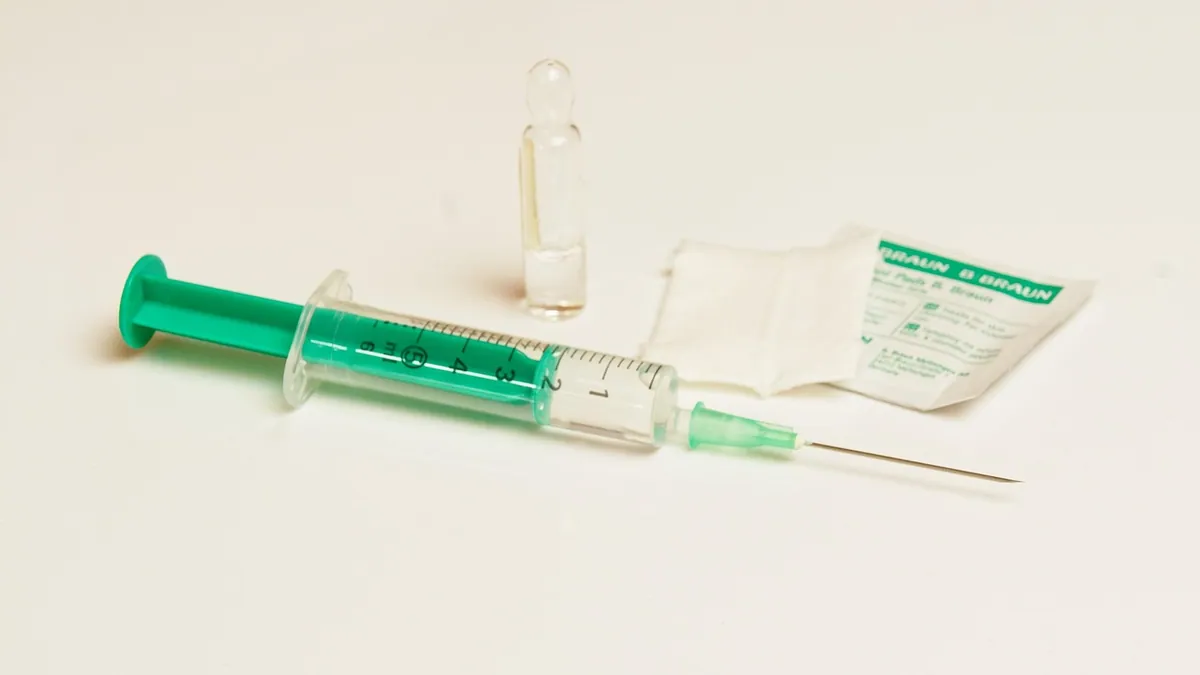
Albon for dogs dosage is not a number you should guess from a chart online. Your veterinarian calculates it from your dog's weight, the infection being treated, and your dog's overall health. Most prescriptions are given once daily for a set number of days, and finishing the full course matters.
This article is educational and is not a substitute for veterinary diagnosis or treatment.
Quick Answer
- Albon (sulfadimethoxine) is a prescription sulfa antibiotic used for certain bacterial and protozoal infections in dogs.
- The dose is based on your dog's body weight in pounds, and only your veterinarian can set the correct amount for your pet.
- Many veterinarians give a higher first dose (a loading dose) on day one, then a lower maintenance dose after that.
- Give the medicine exactly as labeled, with or without food as directed, and do not stop early even if your dog seems better.
- If you miss a dose, call your veterinarian's office for instructions instead of doubling up on your own.
What Albon Is and What Veterinarians Use It For
Albon is the brand name for sulfadimethoxine, an antibiotic in the sulfonamide family. It works against certain bacteria and against some single-celled parasites, including coccidia, which commonly cause diarrhea in puppies and young dogs.
Veterinarians prescribe it most often for:
- Coccidiosis, a protozoal intestinal infection that causes watery or bloody diarrhea
- Certain bacterial skin and soft tissue infections
- Some urinary and respiratory infections when the bacteria involved are likely to respond
It is a prescription drug in the United States. You cannot buy it legally without a veterinarian's authorization, and it should not be shared between pets or saved for later use without guidance.
How Albon Works
Sulfadimethoxine stops bacteria and some protozoa from making a nutrient they need to grow and multiply. Because it blocks a step in that process instead of killing the organism outright, the body's immune system finishes the job. That is one reason the full course matters. Stopping early can let surviving organisms rebound.
This is also why dosing accuracy matters. If the level of drug in your dog's body is too low, the infection may not clear. If it is too high, side effects become more likely. Getting the amount right is a balance, and that balance depends on your dog's size and health.
Albon for Dogs Dosage: The Basics
Who decides the dose
Your veterinarian does. The label on your bottle reflects a calculation your vet made for your specific dog. Do not adjust it based on what you read online or what worked for another dog in your household.
Dosing in veterinary medicine is often tied to body weight, and small differences in weight can matter a great deal. Research in dogs shows that drug effects and adverse events can vary with body size in ways that are not always obvious. In one study of small dogs receiving a chemotherapy drug, neutropenia occurred in 82.5% of dogs and Grade 3 or 4 neutropenia in 32.5%, even at a reduced dose [1]. That study is about a different drug, but it illustrates a real principle: weight-based dosing in dogs is not a formality.
The same idea shows up in nutrition research. When supplement doses are expressed per kilogram of body weight, the actual intake relative to need shifts as body weight changes [2]. Your veterinarian accounts for this kind of scaling when choosing a dose.
The loading dose
Many Albon prescriptions start with a higher first dose, called a loading dose. The purpose is to reach an effective drug level in the body quickly instead of waiting several days for it to build up. After that, the maintenance dose keeps the level steady.
If your label shows two different amounts, one for the first day and one for the days after, that is expected. Follow the label exactly. Do not continue the loading dose past the first day unless your veterinarian tells you to.
How it is given
Albon comes as tablets and as a liquid suspension. Tablets are usually given by mouth, with or without food. The liquid should be shaken well before each dose, and you should use the measuring device your veterinarian or pharmacy provided, not a kitchen spoon.
If your dog spits out a tablet or vomits shortly after a dose, call your veterinarian. Do not guess at a replacement dose.
Missed doses
If you miss a dose, contact your veterinarian's office for guidance. In general, the safest approach is to give the missed dose when you remember, unless it is almost time for the next one. Never give two doses at once to catch up. Doubling up raises the risk of side effects.
Side Effects of Albon in Dogs
Most dogs tolerate Albon well, but sulfa drugs have a known set of possible reactions. Some are mild and some are serious.
| Side effect | How common or serious | What to do |
|---|---|---|
| Vomiting, diarrhea, reduced appetite | Common and usually mild | Call your vet if it lasts more than a day or your dog seems uncomfortable |
| Dry eyes, increased drinking or urinating | Less common, can be serious | Contact your veterinarian promptly |
| Blood in urine, straining to urinate, or urinary crystals | Uncommon but serious | Stop the drug and call your vet the same day |
| Fever, swollen lymph nodes, or joint stiffness | Uncommon, immune-related | Stop the drug and call your vet the same day |
| Rash, hives, facial swelling, trouble breathing | Rare but a medical emergency | Stop the drug and seek emergency care immediately |
| Yellow gums, eyes, or skin | Rare, possible liver involvement | Seek veterinary care the same day |
| Pale gums, weakness, collapse | Rare, possible blood disorder | Emergency care now |
Sulfa drugs can cause a condition in which the immune system attacks blood cells or joints. This is uncommon, but it can progress quickly. Any sudden change in energy, gum color, or breathing deserves a phone call.
Dogs with certain eye conditions, liver disease, or blood disorders may not be good candidates for Albon. Your veterinarian will weigh the risks before prescribing.
Who Should Not Take Albon and What Interacts With It
Albon is not right for every dog. Tell your veterinarian about all medications, supplements, and conditions before your dog starts it, including:
- Any previous reaction to a sulfa antibiotic
- Liver or kidney disease
- Blood disorders or immune-mediated disease
- Dry eye or other eye problems
- Pregnancy or nursing
Drug interactions matter too. If your dog takes other medications, including pain relievers, seizure drugs, or supplements, your veterinarian needs to know. Interactions can change how much drug stays in your dog's body. A study of dogs with osteoarthritis found that CBD exposure was higher when it was given alongside carprofen, though the differences in peak concentration and total exposure were not statistically significant [3]. That finding is about different drugs, but it shows why your veterinarian should see the full list of what your dog takes. If you are considering CBD for your dog, read CBD Oil for Dogs: Dose Safety and Drug Interaction Warnings first.
Drug levels in dogs are not always predictable from the dose alone. In a study of dogs with blastomycosis, there was no significant association between itraconazole dosage and serum concentration, and two different lab methods gave different results that could lead to different dose adjustments [4]. The lesson for owners is simple: your veterinarian may need to adjust treatment based on how your dog responds, not just the number on the bottle.
If your dog takes other medications and you are unsure about mixing them, ask before you give the first dose. For a general look at how veterinarians calculate antibiotic doses, see Antibiotic Dosage Calculation for Dogs: A Practical Guide.
Overdose: What to Do
If your dog took more Albon than prescribed, call your veterinarian or an animal poison control hotline right away. Do not wait for symptoms.
Signs that a dog has too much sulfa drug in the system can include vomiting, wobbliness, blood in the urine, or a sudden drop in energy. These can appear within hours.
Have this information ready when you call:
- Your dog's weight
- The strength of the medication (for example, how many milligrams per tablet)
- How many tablets or how much liquid your dog swallowed
- The time it happened
If you cannot reach your veterinarian, contact the ASPCA Animal Poison Control Center at (888) 426-4435 or the Pet Poison Helpline at (855) 764-7661. Both may charge a consultation fee.
Limitations and When to Contact a Veterinarian
No article can tell you the right dose for your dog. Your veterinarian sets it based on your dog's weight, the infection, and your dog's health history. Individual cases need a veterinarian.
Call your veterinarian the same day if:
- Your dog vomits the dose or refuses to take the medicine
- Diarrhea or vomiting continues past one day
- Your dog drinks or urinates much more than usual
- You see blood in the urine or your dog strains to urinate
- Your dog seems stiff, feverish, or has swollen lymph nodes
- You miss more than one dose
Go to an emergency clinic now if:
- Your dog has trouble breathing, facial swelling, or hives
- Your dog collapses or has very pale gums
- Your dog has a seizure
- You know or suspect a large overdose
Schedule a routine recheck if your dog finished the course but symptoms have not fully resolved, or if your veterinarian asked for a follow-up to confirm the infection cleared. If your dog ate something unusual along with the medication, such as a pen, see My Dog Ate a Pen: Is It Toxic or Just a Blockage Risk?.
Frequently Asked Questions
Can I give my dog leftover Albon from a previous prescription?
No. Leftover antibiotics may be the wrong dose, expired, or meant for a different infection. Giving the wrong antibiotic can delay proper treatment and contribute to resistant bacteria. Call your veterinarian and have your dog examined instead.
How long does Albon take to work in dogs?
Many dogs start to improve within a few days, but the exact timeline depends on the infection and your dog's response. Even if diarrhea or other signs stop, finish the full course your veterinarian prescribed. Stopping early can allow the infection to return.
Can I give Albon on an empty stomach?
Albon is usually given with or without food, so follow the directions on your label. If your dog vomits after an empty-stomach dose, ask your veterinarian whether giving it with a small meal is acceptable. Never change the schedule on your own.
Is Albon the same as other sulfa antibiotics for dogs?
No. Albon contains sulfadimethoxine, and other sulfa drugs have different dosing, different durations, and different side effect profiles. Do not substitute one for another. Use only the medication your veterinarian prescribed for this dog.
What should I do if my dog vomits right after taking Albon?
Call your veterinarian's office for instructions before giving another dose. Re-dosing after a vomit can lead to too much medication, and skipping a dose can leave the infection undertreated. Your vet will tell you whether to repeat, wait, or adjust the plan.
Related Articles
- Can I Give My Dog Benadryl? Safe Dosage and When to Avoid
- Can I Give My Dog Benadryl? Dosage, Safety, and When to Call the Vet
- CBD Oil for Dogs: Dose Safety and Drug Interaction Warnings
- Antibiotic Dosage Calculation for Dogs: A Practical Guide
- My Dog Ate a Pen: Is It Toxic or Just a Blockage Risk?
- Can You Give Your Dog Zyrtec for Allergies? Dosage and Safety
- What Is Albon Used For in Dogs?
- Albon Side Effects in Dogs: What to Expect
- Is Albon for Dogs Available Over the Counter?
References
- Adverse events in small dogs treated with a single dose of vinblastine. Journal of veterinary internal medicine, 2026.
- Optimizing omega-3 supplementation in chronically ill dogs: The impact of body weight and dietary inclusion rates. Research in veterinary science, 2026.
- Pharmacokinetics of Buccally Administered Cannabidiol and Oral Carprofen During Single- and Repeated-Dose Administration in Dogs. Journal of veterinary pharmacology and therapeutics, 2026.
- Bioassay and liquid chromatography-mass spectrometry are not equivalent in itraconazole therapeutic drug monitoring in dogs. American journal of veterinary research, 2026.