Bourke's Parakeet Care Guide
By Dr. Zubair Khalid, DVM, MS, PhD ·
Key Takeaways
- A species-appropriate diet for Bourke's parakeets should be primarily composed of 60-70% high-quality pellets, supplemented with 20-30% fresh vegetables and leafy greens, and a limited 10-15% of varied seed mix to prevent nutritional deficiencies like hypovitaminosis A and obesity.
- Optimal cage setup requires a minimum of 60 cm (24 inches) width to facilitate horizontal flight, with bar spacing of 1.2-1.5 cm (0.5-0.6 inches), and perches of varying diameters (1.0-2.5 cm or 0.4-1.0 inch) to promote foot health and prevent pododermatitis.
- Bourke's parakeets exhibit crepuscular activity patterns, being most active at dawn and dusk, and require 10-12 hours of uninterrupted, dark sleep per night; single birds necessitate 2-3 hours of daily supervised interaction to prevent loneliness and behavioral issues.
- Common health concerns include obesity and hepatic lipidosis due to seed-heavy diets, hypovitaminosis A from insufficient fresh produce, and potential respiratory infections (bacterial, fungal, viral), with psittacosis being a zoonotic concern requiring public health reporting.
- Preventative health involves annual avian veterinary examinations, including fecal analysis for parasites and potential bacterial cultures, and prompt veterinary intervention for emergencies like egg-binding or heavy metal toxicity, which can stem from sources like galvanized cages or lead-based paints.
- Strict 30- to 60-day quarantine protocols for new birds are essential to prevent the transmission of contagious diseases such as psittacosis and polyomavirus to existing avian populations.
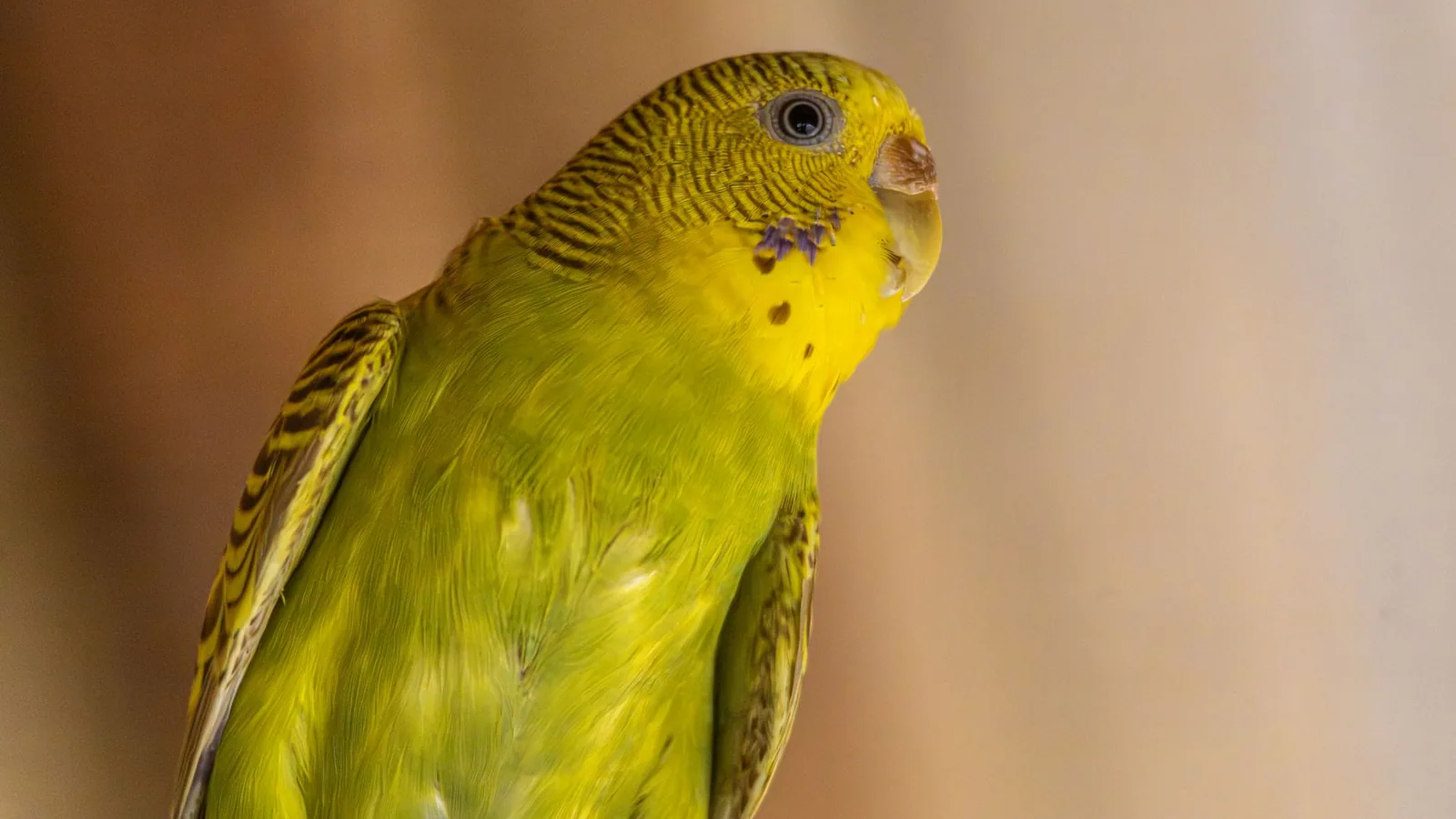
The Bourke's parakeet (Neopsephotus bourkii), often called the Bourke's parrot or simply "Bourkie," is a small, gentle parrot native to the arid and semi-arid regions of Australia. Renowned for their quiet, calm temperament and soft, pastel plumage, these birds have become increasingly popular as companion pets. Unlike the high-energy, vocal demands of many larger parrots, the Bourke's parakeet offers a serene avian experience. This comprehensive guide, written from a veterinary perspective, details the essential pillars of Bourke's parakeet care: cage setup, diet, behavioural management, and preventative health. By adhering to these guidelines, owners can ensure a long, healthy lifespan of 15 to 20 years or more for their feathered companion.
Quick Q&A
Question: What is the most important factor for a healthy Bourke's parakeet diet? Answer: A varied, species-appropriate diet based on high-quality pellets supplemented with fresh vegetables, leafy greens, and a small amount of seed. Seed-only diets are deficient in essential vitamins and minerals, particularly vitamin A and calcium, leading to chronic health issues like obesity and liver disease.
Understanding the Bourke's Parakeet
As a member of the broad-tailed parrot family (Platycercinae), the Bourke's parakeet is a ground-feeding bird that spends considerable time foraging on the floor of its natural habitat. This unique behaviour influences its housing and enrichment needs. Their natural diet consists of grass seeds, herbs, and small insects, a fact that informs the ideal captive diet. Their calm, nocturnal-like activity pattern (crepuscular, being most active at dawn and dusk) makes them ideal for apartment living or owners who prefer a quieter pet. The Association of Avian Veterinarians (AAV) emphasizes that understanding a species' natural history is the first step in providing optimal captive care.
Cage Setup and Environmental Enrichment
Providing a safe, spacious, and stimulating environment is critical for the physical and psychological wellbeing of a Bourke's parakeet.
Cage Size and Dimensions
While Bourke's parakeets are small (typically 18-23 cm or 7-9 inches in length), they are active fliers and require horizontal space for flight. The Merck Veterinary Manual advises that the minimum cage size for a single small parrot should allow for full wing extension and short flights.
- Minimum Dimensions: 60 cm (24 inches) wide, 45 cm (18 inches) deep, and 60 cm (24 inches) tall. A rectangular cage is superior to a round or tall, narrow one, as it encourages horizontal flight.
- Bar Spacing: 1.2 to 1.5 cm (0.5 to 0.6 inches) is ideal to prevent escape or head entrapment.
- Material: Powder-coated wrought iron or stainless steel is durable and safe. Avoid galvanized or lead-based cages, which pose a risk of heavy metal toxicity, a common and serious emergency in pet birds.
Perches and Cage Furniture
Perches should be varied in diameter (ranging from 1.0 to 2.5 cm or 0.4 to 1.0 inch) and material to promote foot health and prevent bumblefoot (pododermatitis), a painful inflammatory condition of the footpad.
- Natural Wood Perches: Branches from safe, pesticide-free trees (e.g., apple, manzanita, eucalyptus) provide irregular surfaces that exercise the feet.
- Rope Perches: Soft cotton or hemp perches can be used but must be checked frequently for fraying, which can cause crop impaction or limb constriction.
- Cement Perches: These can be used sparingly as a pedicure perch to help maintain nail length, but should not be the primary perch as they can cause pressure sores.
Provide multiple food and water bowls placed at opposite ends of the cage to encourage movement. A shallow water dish for bathing should also be provided daily, as Bourke's parakeets enjoy bathing to maintain feather condition.
Environmental Enrichment
Boredom and lack of stimulation are major contributors to behavioural problems and feather destructive behaviour in parrots.
- Foraging Opportunities: Scatter food on the cage floor or in shallow trays to mimic natural foraging behaviour. Use foraging toys, such as puzzle boxes or shredded paper, to hide treats.
- Toys: Offer a rotating selection of small, destructible toys made from safe wood, vegetable-tanned leather, and acrylic. Bourke's parakeets are not heavy chewers but enjoy manipulating objects.
- Social Interaction: These birds thrive in pairs or small flocks. If kept singly, they require significant daily interaction (at least 2-3 hours of supervised out-of-cage time) from their human caretakers to prevent loneliness.
Dietary Management and Nutrition
Nutritional deficiencies are the leading cause of disease in captive birds. A balanced diet is the cornerstone of preventative health care for the Bourke's parakeet.
The Pelleted Base
The Lafeber Company and the AAV recommend that a high-quality, formulated pellet should constitute 60-70% of a Bourke's parakeet's diet. Pellets provide a nutritionally complete and balanced base, preventing the selective feeding seen with seed mixes. Look for pellets specifically formulated for small parrots or budgies.
Seed Mixes: A Limited Component
Seeds are high in fat and low in essential nutrients. They should be limited to no more than 10-15% of the daily intake. A small amount of a high-quality, varied seed mix (e.g., canary seed, white millet, and small amounts of oats) can be offered as a treat or foraging reward. A seed-only diet is a primary cause of obesity, hepatic lipidosis (fatty liver disease), and hypovitaminosis A.
Fresh Foods: Vegetables and Greens
Fresh vegetables and leafy greens should make up 20-30% of the diet. Offer a chop (finely chopped mix) daily.
- Excellent Choices: Dark leafy greens (kale, spinach, Swiss chard, dandelion greens), broccoli, carrots, bell peppers (all colours), sweet potato (cooked), green beans, and corn.
- Fruits: Offer sparingly (as treats) due to high sugar content. Good options include berries, apple, and melon.
- Foods to Avoid: Avocado (toxic to birds), chocolate, caffeine, alcohol, onion, garlic, and rhubarb. The AVMA and VCA Animal Hospitals provide detailed lists of toxic foods for birds.
Grit and Calcium
- Grit: Unlike seed-eating birds that husk seeds, Bourke's parakeets typically do not require commercial grit. Overconsumption can lead to crop impaction.
- Calcium: A cuttlebone or a mineral block should always be available. For breeding females or birds with a history of egg-binding, a liquid calcium supplement (e.g., calcium glubionate) may be recommended by a veterinarian.
Water
Fresh, clean water must be available at all times. Bowls should be washed daily with hot, soapy water and rinsed thoroughly. Water bottles can be used as a backup but should not replace a bowl, as birds also need to bathe.
Understanding the Calm Temperament
The Bourke's parakeet is famous for its docile, gentle, and non-aggressive nature. This makes them an excellent choice for families with older children or for first-time bird owners who may be intimidated by larger, more demanding parrots.
Behavioural Characteristics
- Quiet Vocalizations: Their contact calls are soft, melodic chirps and whistles. They do not scream or produce loud, piercing calls typical of cockatoos or conures.
- Nocturnal Activity: They are most active during the twilight hours of dawn and dusk. During the day, they often rest or engage in quiet preening. This crepuscular rhythm should be respected; they require 10-12 hours of uninterrupted, dark, quiet sleep per night.
- Flighted vs. Clipped: Many Bourke's parakeets are allowed to be fully flighted within a safe, bird-proofed room. Flight provides essential exercise and mental stimulation. If wing clipping is considered for safety reasons, it should be performed by an experienced avian veterinarian or veterinary technician to ensure it is done correctly and safely.
- Handling: While generally tame, they can be initially shy. Positive reinforcement training using target sticks and small treats (like a millet spray) is highly effective. Forceful handling can damage trust and lead to fear-based behaviours.
Social Needs
The AVA (Australian Veterinary Association) notes that in Australia, Bourke's parakeets are often kept in outdoor aviaries in small flocks. For indoor pets, a single bird can bond strongly with a human, but it requires significant daily interaction. A pair of Bourke's parakeets will entertain each other but may bond more strongly with each other than with their owner. A same-sex pair is recommended to avoid accidental breeding.
Preventative Health and Common Ailments
Regular veterinary care is essential. The AAV recommends wellness examinations at least annually, including a physical exam, weight check, and faecal analysis.
Routine Veterinary Care
- Annual Wellness Exam: A veterinarian experienced in avian medicine will assess the bird's body condition, feather quality, beak and nail length, heart and lung auscultation, and oral cavity.
- Diagnostic Testing: A baseline blood panel (complete blood count and biochemistry profile) can detect subclinical disease. Faecal testing for parasites (e.g., Giardia, Coccidia, ascarids) and bacterial culture is recommended.
- Beak and Nail Trims: Overgrown beaks or nails can indicate underlying health problems (e.g., liver disease) or inadequate perch variety. These should only be trimmed by a professional.
Common Health Issues
- Obesity and Hepatic Lipidosis: The most common nutritional disorder. Caused by high-fat, seed-only diets. Prevention is through a pelleted diet and regular exercise.
- Hypovitaminosis A: A deficiency of vitamin A leads to squamous metaplasia of the respiratory and reproductive tracts, making birds susceptible to respiratory infections and egg-binding. Prevention is through a diet rich in orange and dark green vegetables.
- Feather Destructive Behaviour (FDB): While less common in Bourke's parakeets than in cockatoos or African greys, FDB can occur due to boredom, stress, or medical conditions (e.g., giardiasis, allergies). A thorough veterinary workup is required to rule out medical causes before addressing behavioural ones.
- Respiratory Infections: Bacterial (e.g., Chlamydia psittaci causing psittacosis), fungal (e.g., Aspergillus), or viral infections can occur. Signs include tail bobbing, open-mouth breathing, nasal discharge, and changes in vocalization. Psittacosis is a zoonotic disease, meaning it can be transmitted to humans, and is reportable to public health authorities in many regions, including the US (CDC) and Europe (EFSA).
- Egg-Binding: A life-threatening emergency where a female is unable to pass an egg. Predisposing factors include hypocalcemia, obesity, and lack of exercise. Signs include a depressed posture, straining, and paralysis of one leg. Immediate veterinary intervention is required.
- Bumblefoot (Pododermatitis): Inflammation and infection of the footpad, often caused by improper perches (too uniform or rough), obesity, or poor hygiene. Prevention involves providing varied, soft perches and maintaining a clean cage.
- Heavy Metal Toxicity: Most commonly from lead or zinc. Sources include old cage bars, lead-based paints, curtain weights, and galvanized wire. Signs include depression, regurgitation, and neurological signs (seizures, ataxia). This is a veterinary emergency.
Quarantine and Biosecurity
If introducing a new Bourke's parakeet to an existing bird, a strict 30- to 60-day quarantine in a separate room with dedicated equipment is mandatory. This prevents the introduction of contagious diseases like psittacosis, polyomavirus, or Aspergillus. The new bird should be tested by an avian veterinarian before being introduced to the flock.
Regional Considerations
- Australia: As a native species, Bourke's parakeets are commonly kept in outdoor aviaries. Owners must be aware of state-specific regulations regarding the keeping of native birds. The DAFF (Department of Agriculture, Fisheries and Forestry) regulates the import and export of birds.
- North America: In the US and Canada, Bourke's parakeets are popular indoor pets. Owners should be aware of local rabies regulations (rabies is not a concern in birds, but quarantine rules for other species may apply). The AVMA and AAHA provide general wellness guidelines.
- Europe: The FVE (Federation of Veterinarians of Europe) and the EMA (European Medicines Agency) oversee veterinary standards. Owners must comply with EU regulations on pet bird movement if traveling.
- United Kingdom: The CVMA (Canadian Veterinary Medical Association) equivalent in the UK is the BVA (British Veterinary Association). Owners should be aware of the Animal Welfare Act 2006, which requires owners to provide for the five welfare needs of their animals.
Conclusion
The Bourke's parakeet is a delightful, low-maintenance companion for the dedicated bird owner. Success in their care hinges on providing a species-appropriate environment: a spacious cage for flight, a balanced pelleted diet with fresh vegetables, respect for their calm and quiet nature, and a proactive approach to veterinary health. By following the guidelines set forth by the Association of Avian Veterinarians and other authoritative bodies, owners can enjoy a long, rewarding relationship with their gentle Bourkie. Regular consultation with an avian veterinarian is the single most important factor in ensuring a lifetime of health and happiness for these remarkable birds.
Related Articles
- Budgie (Parakeet) Care Guide for Beginners
- Indian Ringneck Parakeet Care Guide
- Best Pet Birds for Beginners
Related Clinical & Scientific Guides
References
Association of Avian Veterinarians (AAV). (2020). Avian Behavior and Its Relationship to Captive Management. Proceedings of the AAV Annual Conference.
Merck Veterinary Manual. (2023). Nutrition and Management of Pet Birds. Retrieved from merckvetmanual.com.
Lafeber Company. (2022). Nutritional Management of Psittacine Birds. LafeberVet Web.
VCA Animal Hospitals. (2023). Bourke's Parakeet, Care and Feeding. Retrieved from vcahospitals.com.
Australian Veterinary Association (AVA). (2021). Guidelines for the Welfare of Companion Birds in Captivity. AVA Policy.
Harrison, G. J., & Lightfoot, T. L. (2006). Clinical Avian Medicine. Spix Publishing.
Speer, B. L. (2015). Current Therapy in Avian Medicine and Surgery. Elsevier.