Do Birds Pee? How Birds Excrete Waste Explained
By Dr. Zubair Khalid, DVM, MS, PhD ·
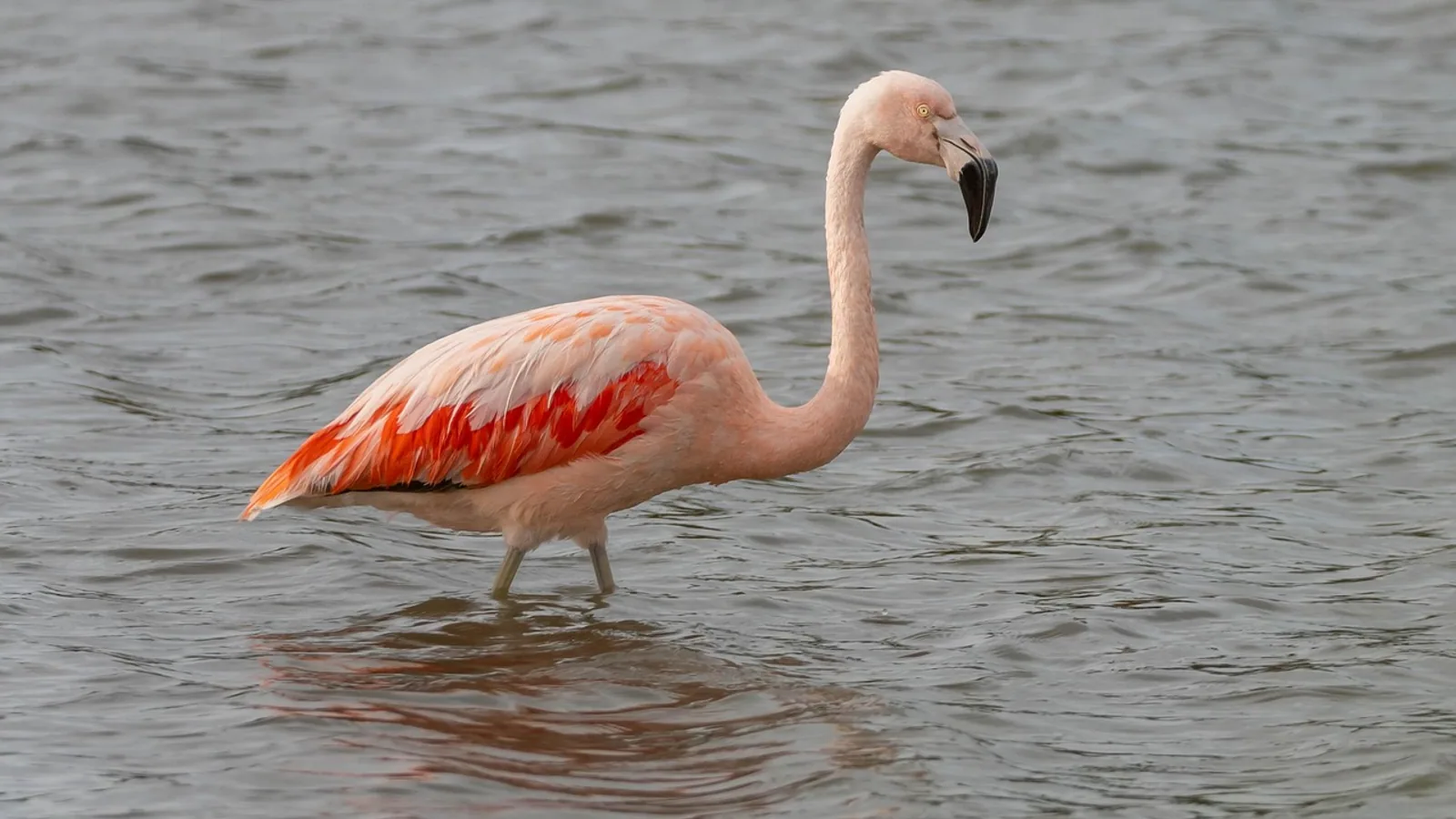
No, birds do not pee in the way mammals do. They have no bladder and no liquid urine stream. Instead, the kidneys convert nitrogen waste into uric acid, which leaves the body as a thick white or cream-colored paste mixed with feces and a small amount of fluid. This is why a healthy bird dropping looks like a small three-part package rather than a puddle.
That single fact answers the search question "do birds pee," but it opens a larger one. If birds do not urinate, what are you actually looking at in the cage tray, and how do you tell a normal dropping from a sick one? This guide explains avian uric acid excretion, the anatomy of a dropping, and the color and consistency changes that should prompt a call to an avian veterinarian.
This article is educational and is not a substitute for veterinary diagnosis or treatment.
The Direct Answer: Birds Excrete Uric Acid, Not Liquid Urine
Birds and reptiles convert waste ammonia into uric acid, while mammals excrete urea, with only small amounts of uric acid ending up in mammalian urine [1]. That difference is the whole story behind "can birds pee." Uric acid is a semisolid, and birds package it for release rather than dissolving it in large volumes of water.
Water conservation drives this system. Both avian and nonavian reptiles excrete excess nitrogen in solid form, commonly called "urates," as an evolutionary adaptation that aids in water conservation [2]. A bird that had to flush its nitrogen waste out in liters of water would lose fluid it cannot spare, especially small species with high metabolic rates.
So the honest answer to "does a bird urinate" is that birds produce a fluid fraction from the kidneys, but it is minimal and it is not the white part. The white part is uric acid. The clear or slightly cloudy liquid you sometimes see is the urine fraction, and it is normally a thin rim, not the main event.
How the Avian Kidney Handles Nitrogen Waste
From protein to uric acid
When a bird digests protein, the amino acids it does not need for growth, feather production, or egg formation are broken down. The nitrogen from those amino acids has to go somewhere. In birds, the liver is the main site where that nitrogen is converted into uric acid, and the kidneys then move it out.
The liver enzymes involved in this pathway include xanthine dehydrogenase and adenosine deaminase, and their activity rises when uric acid production increases [3]. This is not a passive overflow system. It is an active metabolic assembly line, and it costs energy. Synthesizing uric acid from nitrogen waste requires at least 60.7 kJ per gram of excreted nitrogen, compared with about 40.3 kJ per gram for urea in mammals [4]. Birds pay more energy for the privilege of excreting a solid, and they accept that cost because it saves water.
Glycine is a key raw material for uric acid synthesis, which is why poultry nutrition research pays close attention to glycine supply in reduced-protein diets [4][5]. A bird on a very low-protein diet supplemented with free amino acids can still meet its needs, but the glycine budget has to be managed. For pet owners this matters in one practical way: diet composition changes what comes out the back end, and a sudden diet switch can change dropping appearance without any disease being present.
How the kidney moves uric acid out
The kidney does not simply dump uric acid into a tube. Specific transport proteins move it across renal tubular cells. Two of the best studied in birds are BCRP and MRP4, which are involved in uric acid excretion in chickens [6]. When these transporters are working normally, uric acid leaves the blood and enters the forming urine.
When they are not working normally, uric acid backs up in the blood. In one study, hens given sulfonamide in drinking water or injected with uric acid developed significantly higher serum uric acid, creatinine, and blood urea nitrogen, and their renal tubular epithelial cells were damaged [6]. The same study found that liver BCRP and MRP4 expression dropped in those groups [6]. This is the mechanism behind a common clinical picture: kidney injury raises blood uric acid, and the bird may then deposit urate crystals in tissues, a condition called gout.
Infectious disease can attack the same machinery. Nephropathogenic infectious bronchitis virus causes kidney enlargement and urate deposition in chickens, and the mechanism involves epithelial-to-mesenchymal transition of renal tubular cells that suppresses the uric acid excretion protein ABCG2 [7]. A separate study of the same virus found that it activates the NLRP3 inflammasome in renal collecting duct cells, reprogramming them from an electrolyte-regulating state into an inflammatory one with disrupted urate metabolism [8]. These are poultry studies, not pet-bird studies, but they demonstrate the principle clearly: anything that damages the renal tubules or collecting ducts can disrupt uric acid excretion and lead to urate buildup.
The cloaca is the mixing chamber
Birds have a single opening for the digestive, urinary, and reproductive tracts. It is called the cloaca. Feces from the intestines, urates from the kidneys, and the small urine fraction all arrive there and are mixed before the bird expels them.
That mixing is why you cannot separate a bird's "urine" from its "stool" the way you would with a dog or cat. The cloaca also means that material from the reproductive tract can appear in a dropping, which is why a hen near egg laying may have extra mucus or a chalky residue in her droppings. According to VCA Animal Hospitals, the cloaca is where the three components of a dropping come together before excretion [9].
The Three Components of a Bird Dropping
Every normal dropping has up to three visible parts. Learning to identify them is the single most useful skill for monitoring a pet bird's health at home.
1. Feces (the solid colored portion)
This is digested food residue from the intestinal tract. Its color depends heavily on diet. Seed-eating birds typically produce greenish or brownish feces. Pelleted-diet birds often produce brown or tan feces. Birds eating colored pellets or fresh fruit may produce feces in colors that match what they ate. Feces should be formed, not liquid, though a small amount of variability is normal.
2. Urates (the white or cream paste)
This is the uric acid fraction, and it is the part that answers "do birds pee." Urates are typically white to cream-colored and have a chalky or paste-like texture. They are not liquid. When a bird is dehydrated, urates become more concentrated and may look drier or more crumbly. When a bird is overhydrated, urates may be thinner and less distinct.
The physical chemistry of urates is more complex than the word suggests. Analyses of urate excretions from reptiles, which share the avian strategy, show that primitive species produce urates made of microscopic uric acid monohydrate crystals, while more advanced snake lineages produce granular urates that are mostly ammonium urate hydrate [2]. The same paper points out that uric acid has an additional function: it can sequester ammonia by transforming it into a solid [2]. So urates are not just waste packaging. They are a chemically active material.
3. Urine (the clear liquid fraction)
This is the watery component from the kidneys. In a healthy bird it is usually a small amount of clear or slightly cloudy liquid around the edge of the dropping. It should not dominate the dropping. When the liquid fraction becomes excessive, that is called polyuria, and it is different from diarrhea.
Table: Normal and Abnormal Dropping Colors
| Color or appearance | What it usually means | Urgency |
|---|---|---|
| Green or brown feces with white urates and a small clear rim | Normal, diet-dependent | No action needed |
| Bright green or neon green | Possible liver involvement, or recent fasting, or dye from colored food | Monitor. If it persists or the bird acts sick, call a veterinarian |
| Yellow or yellow-green | Possible liver problem or increased red blood cell breakdown (hemolysis) | Contact a veterinarian |
| Red or blood-tinged | Possible blood from the lower intestinal tract or reproductive tract | Contact a veterinarian promptly |
| Black or tarry | Possible digested blood from higher in the intestinal tract | Contact a veterinarian promptly |
| White urates only, no feces | Bird may not be eating, or there may be an intestinal blockage | Contact a veterinarian promptly |
| Chalky white, very dry, small volume | Dehydration | Offer water and contact a veterinarian |
| Clear, watery, large volume with normal feces | Polyuria, not diarrhea. Can follow high water intake, high fruit intake, or kidney issues | Track it. If it persists, call a veterinarian |
| Pale, clay-colored, or tan feces | Possible liver or biliary issue | Contact a veterinarian |
| Undigested seed or food in feces | Possible proventricular or intestinal problem | Contact a veterinarian |
This table reflects the general clinical framework used by avian veterinarians for interpreting droppings [9]. It is a guide for observation, not a diagnosis. A single odd dropping in an otherwise bright, eating, vocal bird is usually not an emergency. A pattern that persists for more than a day or two, or that comes with lethargy, fluffed feathers, or reduced appetite, is.
Polyuria vs. Diarrhea: They Are Not the Same Thing
Owners often say their bird has diarrhea when what they are actually seeing is polyuria. The distinction matters because the causes are different.
Diarrhea means the fecal portion is unformed, loose, or liquid. The problem is in the intestinal tract. The feces lose their shape and may be mucousy or foul-smelling. Urates may still look normal.
Polyuria means the liquid urine fraction is increased. The feces may still be perfectly formed, but there is a large wet ring around them. The problem is in the kidney or in how much water the bird is drinking.
A bird can have both at once, but you should try to identify which component changed. Look at the dropping on a clean white surface, such as paper towel or wax paper. If the solid brown or green part holds its shape and the wet area is large, that is polyuria. If the solid part is gone and replaced by mush, that is diarrhea.
Polyuria can follow increased water intake from any cause, including a switch to a high-moisture diet, hot weather, or a water bowl the bird has learned to play in. It can also reflect kidney disease. Diarrhea more often points to intestinal infection, dietary upset, or parasites. Both warrant veterinary evaluation if they persist.
What Changes in Droppings Actually Signal
Green droppings and the liver
Green is the most common abnormal color owners notice, and it has several possible meanings. A bird that has not eaten for several hours may produce greenish droppings because bile is still being produced and passed but there is little food residue to color the feces. A bird on a colored-pellet diet may produce green droppings as a normal diet effect.
When green is bright, persistent, and accompanied by a sick bird, liver involvement becomes a concern. Liver disease can change bile handling and alter dropping color. Research in ducks shows that liver and kidney pathology go together under stress, with high stocking density producing significant increases in serum uric acid and inflammatory cytokines along with histopathological lesions in both organs [10]. The liver and kidney are metabolically linked in birds, so a liver problem often shows up in the droppings.
Yellow droppings, liver, and hemolysis
Yellow or yellow-green droppings can indicate liver dysfunction or increased breakdown of red blood cells, a process called hemolysis. When red blood cells break down faster than normal, bilirubin production rises, and that can tint the droppings yellow. Liver disease can do the same by impairing bile processing.
Yellow droppings are not a diagnosis. They are a signal to have the bird examined, with blood work to assess liver enzymes and a physical exam to look for an enlarged liver or fluid in the abdomen.
Red or blood-tinged droppings
Red in a dropping usually means blood. The source can be the lower intestinal tract or the reproductive tract, particularly in a laying hen. A small amount of red in a single dropping during egg laying is sometimes seen and may not be serious. Persistent red, or red with a sick bird, needs prompt veterinary attention.
White urates and what they tell you
The urate portion is a hydration gauge. When urates are thick, dry, and chalky, the bird is likely not drinking enough. When they are thin and runny, the bird may be overhydrated or may have kidney disease affecting urine concentration.
A dropping that is almost entirely white urates with little or no feces suggests the bird is not eating. That is a serious sign in a small bird, because birds have high metabolic rates and can decline quickly when they stop eating.
Undigested food in droppings
Whole seeds or recognizable food pieces in the feces suggest the digestive tract is not breaking food down properly. This can happen with proventricular disease, intestinal inflammation, or a foreign body. It is a reason to have the bird evaluated rather than to change the diet on your own.
Why Diet Changes Dropping Appearance
What goes in must come out, and in birds the connection is direct. Research on broiler chickens shows that uric acid concentrations in excreta ranged from 28.5 to 69.4 mg per gram, and uric acid nitrogen made up 27.4% to 42.6% of total excreted nitrogen depending on diet [11]. That is a wide range from diet alone.
Reducing dietary crude protein reduces nitrogen excretion. Broilers fed a reduced-protein diet had 14.1% lower nitrogen excretion than birds on a higher-protein diet [12]. Another study found that low-protein diets decreased total nitrogen and uric acid nitrogen excretion [13]. A third study confirmed that low crude protein diets significantly decreased uric acid content in excreta [14].
Heat matters too. Broilers housed at high temperature had significantly increased uric acid content in their excreta along with higher fecal moisture, even though total nitrogen excretion decreased [14]. A bird in a hot room may produce more concentrated urates and wetter droppings at the same time.
For pet owners, the practical takeaway is simple. A diet change can shift dropping color, volume, and urate consistency within a day or two. If you switch foods, expect a transition period. If the droppings do not settle into a normal pattern within about a week, or if the bird shows other signs of illness, that is a veterinary conversation.
Practical Monitoring for Pet Bird Owners
Set up a baseline
Spend a few days observing your bird's normal droppings on a clean white surface. Note the color of the feces, the color and thickness of the urates, and the amount of liquid. Take a photo with your phone. This baseline is the most useful thing you can bring to a veterinary appointment, because it lets the veterinarian compare current droppings with what is normal for your individual bird.
Check the cage tray daily
Fresh droppings tell you more than dried ones. A dropping that has been sitting for hours will look different from one just passed. Check in the morning before cleaning, and check again in the evening. Note the number of droppings. A bird that suddenly produces far fewer droppings may not be eating.
Watch the whole bird, not just the droppings
Droppings are one data point. A bird with slightly unusual droppings that is eating, vocalizing, moving around, and interacting normally is a different situation from a bird with slightly unusual droppings that is sitting fluffed on the cage floor. The whole-bird picture drives the urgency.
Keep a simple log
If you notice a change, write down the date, what the dropping looked like, what the bird ate in the previous 24 hours, and any other signs. This log helps your veterinarian narrow down causes quickly.
Common Myths About Bird Excretion
Myth: Birds hold their urine like mammals
Birds have no bladder. There is no storage organ for urine. Urates and feces move through the cloaca and out. This is one reason birds produce droppings so frequently compared with mammals of similar size.
Myth: The white part is urine
The white part is uric acid, not urine. The clear liquid is the urine fraction. This is the most common mix-up, and it leads owners to misinterpret dehydration. Dry, chalky white urates mean the uric acid is concentrated, which points to low water intake.
Myth: A bird that drinks a lot has kidney disease
Increased water intake can have many causes, including diet, temperature, and behavior. Polyuria is a sign to investigate, not a diagnosis.
Myth: Changing the diet will fix abnormal droppings
Diet changes affect droppings, but they do not fix liver disease, kidney disease, or infection. If droppings are abnormal and the bird is unwell, a diet change can delay proper care.
What Is Still Uncertain
The avian uric acid system is well described at the level of transporters and enzymes, but many details remain under study. The physical structure of urates varies across species, and researchers are still working out how different crystalline forms affect solubility and how they interact with salts [2]. The role of the gut microbiome in uric acid handling is an active area, with studies showing that probiotic bacteria can promote uric acid excretion through the gut-kidney axis [15]. How these findings translate to individual pet birds, especially parrots and passerines rather than poultry, is not fully established.
What is established is the basic principle. Birds excrete nitrogen as uric acid to save water, the cloaca mixes the components, and the resulting dropping is a readable health signal.
Limitations and When to Contact a Veterinarian
This article describes general principles. Individual birds vary, and a veterinarian who examines your bird can assess things this article cannot.
Contact an avian veterinarian promptly if you see any of the following:
- Droppings that are consistently red, black, or tarry
- Bright green or yellow droppings that persist for more than 24 hours
- Droppings that are almost entirely white urates with no feces
- A sudden drop in the number of droppings produced
- Droppings with a strong foul odor
- Undigested food visible in the feces
- Any dropping change accompanied by lethargy, fluffed feathers, sitting on the cage floor, reduced appetite, tail bobbing, or labored breathing
A bird that is eating, active, and vocal with a single odd dropping is usually not an emergency. A bird that is quiet, fluffed, and not eating with abnormal droppings needs to be seen the same day if possible. Small birds can deteriorate quickly.
Frequently Asked Questions
Do birds pee?
No. Birds do not produce liquid urine in the way mammals do. They convert nitrogen waste into uric acid, which is excreted as a white or cream-colored paste along with feces and a small amount of fluid.
Can birds pee at all?
Birds produce a small liquid urine fraction from the kidneys, but it is minimal and mixes with feces and urates in the cloaca. There is no separate urination event and no bladder to store urine.
Does a bird urinate separately from passing stool?
No. Birds have a single opening, the cloaca, where feces, urates, and the urine fraction mix before being expelled. Everything leaves together in one dropping.
What is the white part of a bird dropping?
The white part is uric acid, also called urates. It is the solid form of nitrogen waste that birds produce to conserve water.
Why do birds excrete uric acid instead of urea?
Uric acid can be excreted as a semisolid, which requires far less water than dissolving urea in liquid urine. This is an evolutionary adaptation for water conservation shared with reptiles.
What does green poop in a bird mean?
Green droppings can be normal depending on diet, or they can indicate a bird has not eaten recently, or they can point to liver involvement. Persistent bright green droppings in a sick bird warrant a veterinary visit.
How can I tell polyuria from diarrhea in my bird?
Look at the fecal portion. If it holds its shape and there is a large wet ring around it, that is polyuria. If the fecal portion is unformed or liquid, that is diarrhea.
When should I call a vet about my bird's droppings?
Call a vet if abnormal droppings persist more than a day or two, if you see red or black coloration, if droppings are mostly white urates with no feces, or if any dropping change comes with lethargy, fluffed feathers, or reduced appetite.
Related Articles
- Cat Unable to Urinate: Recognize a Blocked Cat
- Dog Unable to Urinate: A Life-Threatening Emergency
- Automatic Bird Feeders & Gravity Waterers: Seed Waste Reduction, Contamination Guards, and Mounting
- Cat Straining To Pee
- Dog Pee On Train
- Dog Pee Training Mat
- Cat Crystals in Urine: Types, Treatment, and Prevention
Sources
- What Goes in Must Come out: The Story of Uric Acid.
- Uric Acid Monohydrate Nanocrystals: An Adaptable Platform for Nitrogen and Salt Management in Reptiles.
- Goose astrovirus infection affects uric acid production and excretion in goslings.
- The role of energy, serine, glycine, and 1-carbon units in the cost of nitrogen excretion in mammals and birds.
- Interactive Effects of Glycine Equivalent, Cysteine, and Choline on Growth Performance, Nitrogen Excretion Characteristics, and Plasma Metabolites of Broiler Chickens Using Neural Networks Optimized with Genetic Algorithms.
- Uric acid transporters BCRP and MRP4 involved in chickens uric acid excretion.
- Nephropathogenic infectious bronchitis virus induces epithelial-mesenchymal transition of renal tubular epithelial cells through the TGF-β/p-P38 pathway causing uric acid excretion disorder in chickens.
- Avian coronavirus IBV-induced activation of the NLRP3-Caspase-1-IL-1β axis in renal collecting ducts contributes to nephropathogenesis.
- Birds - Abnormal Droppings - VCA Animal Hospitals
- Effects of stocking density on the homeostasis of uric acid and related liver and kidney functions in ducks.
- Implications of excreta uric acid concentrations in broilers offered reduced-crude protein diets and dietary glycine requirements for uric acid synthesis.
- Effects of feeding reduced crude protein diets on growth performance, nitrogen excretion, and plasma uric acid concentration of broiler chicks during the starter period.
- Effects of Feeding Low Protein Diets with Different Energy-to-Protein Ratios on Performance, Carcass Characteristics, and Nitrogen Excretion of Broilers.
- Interactive effects of high temperature and crude protein levels on growth performance, nitrogen excretion, and fecal characteristics of broilers.
- Gut-kidney axis modulation by viable and inactivated Akkermansia muciniphila mitigates avian hyperuricemia through microbial-metabolic crosstalk.