Mite Bites: Identification, Symptoms, and Treatment
By Dr. Zubair Khalid, DVM, MS, PhD ·
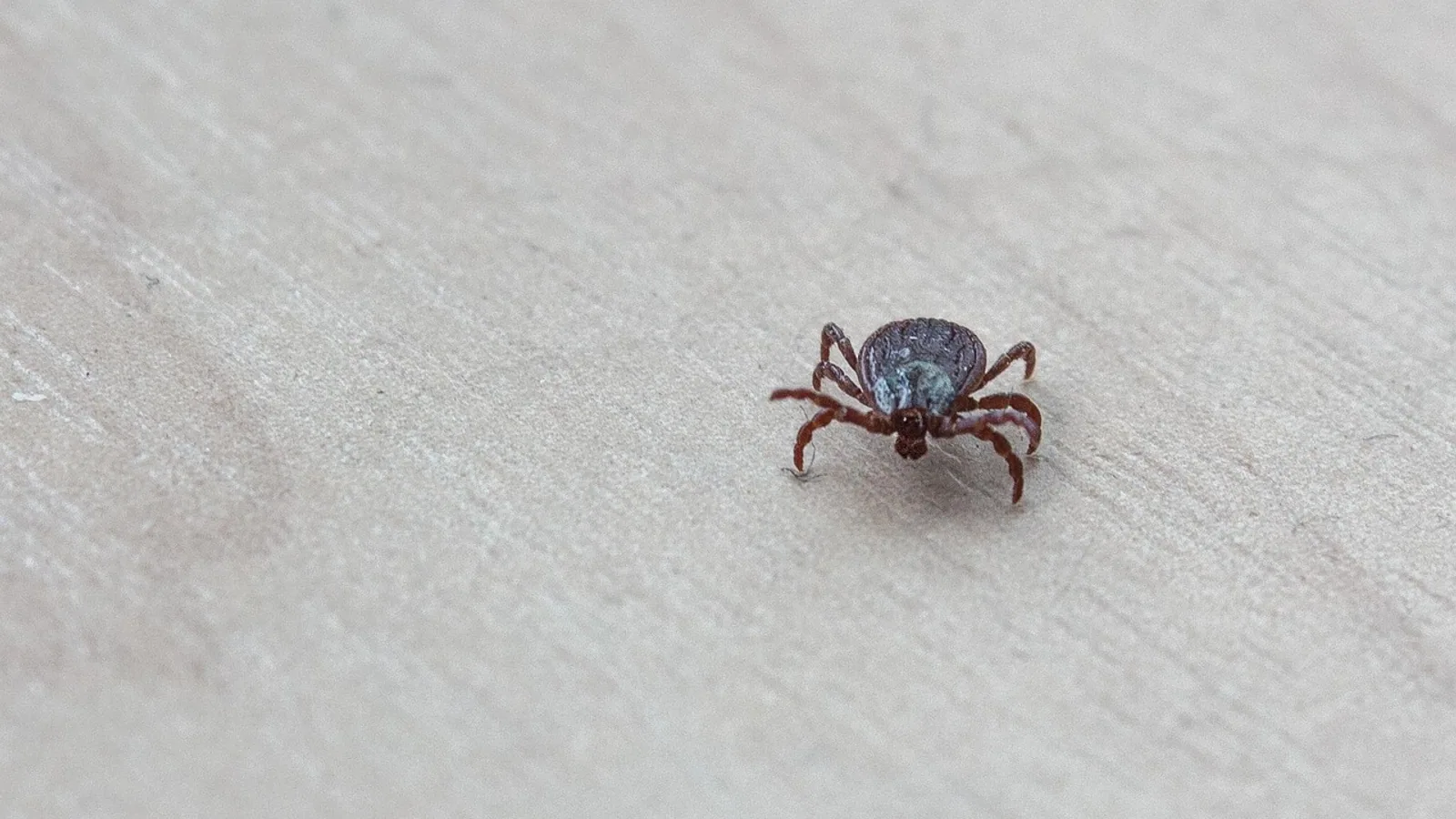
Mite bites are small, intensely itchy skin lesions caused by mites that normally live on animals, birds, or, in one case, on human skin itself. Most animal mites cannot complete their life cycle on people, so the bites usually clear once the animal or bird source is identified and treated [1][2].
The confusion around mite bites comes from two different problems that look similar. One is a true infestation, where mites burrow into or live on skin and reproduce. The other is a temporary attack, where mites from a pet, a bird nest, or poultry bite a person, cause itching, and then die because the human host cannot support them. Telling these apart changes everything about treatment.
This article covers the four mites that cause most bite complaints in homes and on farms: Sarcoptes, Cheyletiella, Dermanyssus and related bird mites, and Demodex. It explains why some bites itch within hours and others take weeks, how to recognize each pattern, and what has to be treated for the problem to stop.
This article is educational and is not a substitute for veterinary diagnosis or treatment.
The Four Culprits Behind Most Mite Bite Complaints
Mites are tiny arachnids, not insects. Most are small, have mouthparts capable of puncturing skin, feed on tissue fluids, and reproduce quickly [1]. That combination is why a mild problem can become a household problem within days.
Sarcoptes: The Burrowing Mite
Sarcoptes scabiei is the mite behind scabies in animals and people. It burrows into the upper layer of skin, and it is the most likely mite to produce severe itching in both pets and their owners.
Sarcoptic mange is contagious and can move from animals to humans. A case report from 2018 described two miniature pigs with generalized skin disease and heavy Sarcoptes burdens on skin scrapings. A child in the household developed signs and was treated by a physician with an antipruritic cream. Both pigs and the child went into clinical remission after treatment [3].
That case is a useful illustration of how zoonotic scabies works. The mite crosses from animal to human, causes disease, and resolves when the animal is treated.
Cheyletiella: The Walking Dandruff Mite
Cheyletiella is a nonburrowing mite that lives on the skin surface of rabbits, cats, and dogs [4]. It does not tunnel into skin. It feeds on the surface and produces a characteristic flaky, moving debris in the coat, which is where the nickname "walking dandruff" comes from.
Human disease from Cheyletiella is well documented. A 1980 report described two patients with recurrent, intensely itchy grouped red papules on the chest, abdomen, and thighs. Cheyletiella was isolated from fur brushings of one dog and two cats in the household. Treating the pets produced complete resolution in both the animals and the people [4].
A later series of fourteen cases found that the typical patient was female, aged forty or younger, with itchy papules appearing in winter months. The author concluded that Cheyletiella dermatitis is not a rare problem [5]. That matters because it is often missed when a veterinarian examines only the pet and not the household.
Dermanyssus and Bird Mites: The Poultry Connection
Dermanyssus gallinae, Ornithonyssus sylviarum, and Ornithonyssus bursa are blood-sucking mites that normally parasitize wild and domestic birds. They bite mammals incidentally, including people [6].
Avian mite dermatitis appears as itchy, red, or hive-like papules, often with a central sting mark, in skin regions normally covered by clothing [6]. A 2015 case report described a 70-year-old chicken owner in Sicily who presented with an itching, red, papular eruption. Numerous mites were seen racing across his skin. The mite was identified as Ornithonyssus bursa, a species normally found in tropical and subtropical regions [6].
The pattern is consistent. People who keep chickens, pigeons, or other birds, or who live near nests, are the ones who develop this dermatitis. The mites do not need human blood to survive. They bite people who are close to their real hosts.
Demodex: The Non-Itchy Exception
Demodex is different from the other three. It lives in hair follicles and sebaceous glands, and it is host-specific. Demodex canis on a dog does not transfer to a person. Demodicosis is generally not itchy in the way scabies is, and it is not a bite problem in the usual sense.
A survey of stray dogs in Greece found Demodex canis in 1.65 percent of animals, alongside higher rates of Sarcoptes, Otodectes, and Cheyletiella [7]. The key point for owners is that Demodex does not spread to humans and does not cause the kind of household outbreak that scabies does.
Why Some Mite Bites Itch Within Hours and Others Take Weeks
The itch timeline is one of the most useful diagnostic clues in mite medicine, and it is also one of the most misunderstood.
When a person is bitten by an animal mite for the first time, the immune response does not happen immediately. The body has to recognize the mite's proteins and build a reaction to them. On first exposure to Sarcoptes, itching and rash can take four to six weeks to appear. On repeat exposure, the immune system is already primed, and symptoms can begin within hours to a few days.
This is why a person can visit a relative's house, handle an infested pet, and feel fine, then develop an intensely itchy rash weeks later. The mite is long gone from the skin by the time the rash appears, but the immune reaction is still unfolding.
For Cheyletiella and bird mites, the timeline is usually shorter. These mites bite rather than burrow, and the reaction is more like a direct bite response. Symptoms often appear within a day or two of exposure [4][6].
For Demodex, there is generally no bite response at all because the mite does not attack human skin.
The practical takeaway is that a sudden itchy rash in a person with a new pet, a new bird, or a recent visit to a farm points toward a mite source. A rash that appears weeks after exposure points toward scabies or another delayed hypersensitivity reaction.
What Mite Bites Look Like on People
Mite bites on human skin have a fairly consistent appearance across species, with some variation.
| Mite | Normal host | Bite appearance on people | Zoonotic risk | Treatment target |
|---|---|---|---|---|
| Sarcoptes scabiei | Dogs, pigs, camels, other mammals | Small red bumps or burrows, intense itch, often on hands, wrists, waist, and forearms | High. Animal strains can cause pseudoscabies, usually self-limiting but occasionally persistent [8][2] | Treat the animal and any human contacts with symptoms [3][8] |
| Cheyletiella | Rabbits, cats, dogs | Grouped red papules on chest, abdomen, and thighs, moderate to intense itch [4] | Moderate. Human cases resolve when pets are treated [4][5] | Treat all in-contact pets, including those without visible signs [4] |
| Dermanyssus and Ornithonyssus | Poultry, wild birds | Itchy red or hive-like papules with a central mark, often under clothing [6] | Moderate. Bites occur near bird sources, not from person to person [6] | Treat or remove the bird source, treat the environment |
| Demodex | Dogs, cats, humans (host-specific) | No typical bite lesions on people | None. Host-specific, does not transfer to humans [7] | Treat the animal's underlying skin disease |
The table is a starting point, not a diagnosis. Skin scrapings, fur brushings, and environmental inspection are what confirm which mite is involved [3][4][1].
Sarcoptes Lesions
Sarcoptic mange in animals produces intense itching, hair loss, redness, and crusting. In people, the lesions are usually small red bumps or short burrow lines, most often on the hands, wrists, forearms, and waist. The itch is severe and often worse at night.
The 2018 pig case showed that even unusual hosts can transmit Sarcoptes to people. The child in that household developed signs and needed antipruritic treatment [3].
Cheyletiella Lesions
Cheyletiella dermatitis in people produces grouped red papules, most often on the chest, abdomen, and thighs [4]. The lesions are itchy and can recur if the pet is not treated. Because the mite does not burrow, the lesions are bite reactions rather than burrows.
The fourteen-case series found that these patients were typically female, aged forty or younger, and presented in winter [5]. That seasonal pattern may reflect more time spent indoors with pets.
Bird Mite Lesions
Avian mite dermatitis produces itchy, red, or hive-like papules with a central sting mark, often in areas covered by clothing [6]. The mites are blood feeders and bite exposed or covered skin depending on how they reach the person.
The Sicilian case is instructive because the patient was a chicken owner and the mites were visible on his skin [6]. When mites are seen crawling on a person, the source is almost always nearby birds or a nest.
Demodex and the Absence of Bite Lesions
Demodex does not produce bite lesions on people because it does not transfer from animals to humans. A dog with demodicosis is not a risk to its owner in the way a dog with sarcoptic mange is. The 2016 stray dog survey found Demodex canis in a small percentage of dogs, but the mite is host-specific [7].
How Mite Problems Are Diagnosed
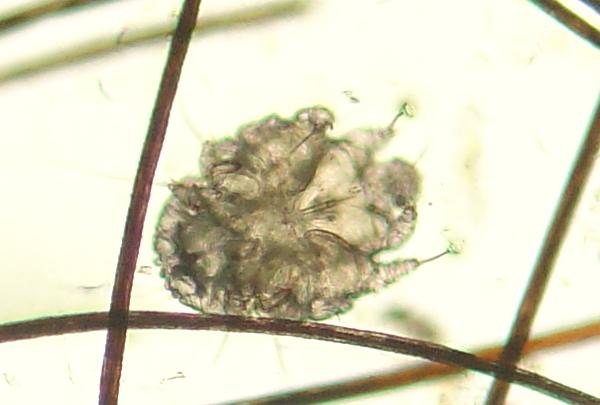

Diagnosis starts with the animal, not the person.
For Sarcoptes, veterinarians use skin scrapings, impression smears, and sometimes ear swabs. The 2018 pig case found high numbers of mites on scrapings, impression smears, and ear swabs, along with bacterial overgrowth [3]. Scrapings are not always positive, so a veterinarian may treat for sarcoptic mange based on history and clinical signs even when mites are not found.
For Cheyletiella, fur brushings are the standard method. The 1980 report isolated the mite from fur brushings of the household pets [4]. Because Cheyletiella lives on the surface, brushing the coat over a piece of paper or a slide can reveal the mite or its eggs.
For bird mites, the diagnosis is often environmental. Inspecting poultry housing, nests, and roosting areas can reveal the source. In the Sicilian case, mites were seen directly on the patient's skin, and identification was based on mite morphology [6].
For Demodex, deep skin scrapings or hair plucks are used. The mite is found in hair follicles, so superficial sampling may miss it.
A veterinarian who suspects mite dermatitis will often ask about other animals in the home, recent boarding or grooming, wildlife exposure, and whether any people in the household have itchy skin lesions.
Treating the Animal Source
The single most important principle in mite bite management is that the animal or bird source must be treated. Human symptoms usually resolve once the source is controlled [4][1].
Treating Sarcoptic Mange
The 2018 case treated two miniature pigs with subcutaneous ivermectin at 0.3 mg/kg, repeated after two weeks. The pigs also received butafosfan and cyanocobalamin injections, were washed with a 3 percent chlorhexidine shampoo, and were fed a balanced diet. The enclosures were cleaned. Both pigs and the child went into clinical remission [3].
That protocol is specific to that case. In dogs and cats, veterinarians select from several approved products based on species, age, weight, and health status. Treatment typically involves repeated doses because the mite's life cycle requires a second round to kill newly hatched mites.
All in-contact animals usually need treatment, even if they do not show signs. Sarcoptic mange is contagious between animals, and a silent carrier can reinfect a treated pet.
Treating Cheyletiella
Cheyletiella treatment targets all in-contact pets. The 1980 report treated the affected dog and two cats, and both the animals and the people resolved [4]. The fourteen-case series reinforced that treating the pets resolves the human dermatitis [5].
Because Cheyletiella does not burrow, environmental treatment is usually less intensive than for Sarcoptes, but bedding and grooming tools should be cleaned.
Treating Bird Mite Problems
Bird mite dermatitis resolves when the bird source is treated or removed. That may mean treating poultry for mites, cleaning and treating coops, removing nests from eaves or vents, or excluding birds from areas where people spend time.
The 2015 report described a chicken owner with Ornithonyssus bursa dermatitis [6]. The mite was associated with his birds. Without addressing the bird source, the bites would continue.
Treating Demodex
Demodex treatment is aimed at the animal's skin disease, not at human exposure. Because the mite is host-specific, there is no zoonotic risk and no need to treat people [7].
Treating the Person
Human mite bites are treated symptomatically. The 2018 pig case used an antipruritic cream for the affected child [3]. That is the standard approach for most animal mite bites: control the itch while the source is eliminated.
For Sarcoptes specifically, the situation is more nuanced. Animal-derived Sarcoptes usually cannot reproduce on human skin, so the infestation is self-limiting. A review of zoonotic scabies described it as generally self-limiting with a short incubation period and transient skin signs, though some case reports mention symptoms persisting for weeks [2].
A 2025 report on zoonotic scabies from dromedary camels described rapid transmission from one camel to other camels and to a group of people despite the use of personal protective equipment. The authors called for a One Health approach, with early detection, treatment of infected animals, and adherence to hygiene and quarantine protocols [8].
That report is a reminder that animal scabies can spread widely in close-contact settings, and that treating the animals is the core intervention.
People with persistent or severe symptoms should see a physician. A physician can confirm whether the problem is zoonotic scabies or another condition and prescribe appropriate treatment.
Mite Bites Versus Ticks and Bedbugs
Mite bites are often confused with tick bites and bedbug bites. The distinction matters because the treatment and the public health implications differ.
Ticks are larger, attach to the skin, and feed for days. They can transmit serious infectious diseases. Mites are much smaller, do not attach in the same way, and the animal mites discussed here are not major disease vectors in the household setting.
Bedbugs are insects, not mites. They feed at night, hide in cracks and furniture, and produce bites that are often arranged in lines or clusters. Bedbugs are not associated with pets or birds in the way that Sarcoptes, Cheyletiella, and bird mites are.
The history is often the deciding factor. A person with a new puppy, a rabbit, or a backyard chicken flock is more likely to have mite bites than bedbug bites.
Practical Steps for Owners and Keepers
The first step is to have the animal examined. A veterinarian can confirm whether the pet has sarcoptic mange, cheyletiella, or another skin condition. Skin scrapings and fur brushings are quick and inexpensive relative to the cost of a prolonged household problem.
The second step is to treat all in-contact animals. Sarcoptes and Cheyletiella spread between animals, and untreated animals can reinfect treated ones [3][4].
The third step is to clean the environment. Bedding, grooming tools, and housing should be cleaned. For bird mites, the bird housing and any nearby nests are the priority [6].
The fourth step is to manage human symptoms. Antipruritic creams and antihistamines can help with itching. People with persistent or severe symptoms should see a physician.
The fifth step is to follow up. Sarcoptic mange treatment usually requires a second dose after two weeks to catch newly hatched mites [3]. A veterinarian will schedule a recheck to confirm resolution.
What Is Still Uncertain
Several questions about mite bites remain open.
The review of zoonotic scabies noted that genetic epidemiological studies of outbreaks are still limited, and that more research is needed to understand the variation in how severe the disease is and how quickly people respond to treatment when they are infected with different animal-derived strains [2].
The 2015 report on Ornithonyssus bursa in Italy raised the possibility that this tropical mite has established itself in Europe, which could change the pattern of bird mite dermatitis in new regions [6].
The role of personal protective equipment in preventing zoonotic scabies is also not fully settled. The 2025 camel report described transmission despite the use of protective equipment, which suggests that current recommendations may not be sufficient in high-exposure settings [8].
For owners, the practical implication is that mite problems are usually solvable, but the source must be found. A veterinarian and, when needed, a physician can work through the diagnosis together.
Limitations and When to Contact a Veterinarian
This article is educational and is not a substitute for veterinary diagnosis or treatment. Individual animals and households vary, and a veterinarian who examines the pet is the right person to make treatment decisions.
Contact a veterinarian if:
- Your pet has intense itching, hair loss, redness, or crusting that is getting worse.
- You or a family member develops an itchy rash after contact with a pet, bird, or farm animal.
- More than one animal in the household is affected.
- Your pet has been treated for mites but signs persist after the expected treatment interval.
- You keep poultry or other birds and notice mites in the housing or on the birds.
- A person in the household has severe, persistent, or spreading skin lesions.
Contact a physician if a person has severe itching, widespread rash, signs of skin infection, or symptoms that do not improve after the animal source has been treated.
Frequently Asked Questions
Can I catch mites from my dog or cat?
Yes, for some mites. Sarcoptes and Cheyletiella can transfer from pets to people and cause itchy skin lesions [3][4]. Demodex does not transfer because it is host-specific [7].
How long does it take for mite bites to show up?
It depends on the mite and the person's prior exposure. First-time Sarcoptes exposure can take four to six weeks to produce symptoms. Repeat exposure can cause symptoms within hours to days. Cheyletiella and bird mite bites usually show up within a day or two [4][6].
Do mite bites go away on their own?
Most animal mite bites resolve once the animal source is treated, because the mites cannot complete their life cycle on human skin [1][2]. Symptomatic treatment helps with itching in the meantime [3].
How do I know if my pet has mites?
A veterinarian can confirm mites with skin scrapings, fur brushings, or other tests. Signs in pets include intense itching, hair loss, redness, crusting, and flaky debris in the coat [3][4].
Are bird mites dangerous to humans?
Bird mites bite people and cause itchy skin lesions, but they do not usually live on human skin. The problem resolves when the bird source is treated or removed [6].
Can I get scabies from my pet?
Yes, animal-derived Sarcoptes can cause a temporary infestation in people, sometimes called pseudoscabies. It is usually self-limiting, but symptoms can persist in some cases [8][2].
Do I need to treat my other pets if one has mites?
Yes. Sarcoptes and Cheyletiella spread between animals, so all in-contact pets usually need treatment even if they do not show signs [3][4].
When should I see a doctor for mite bites?
See a doctor if you have severe or spreading lesions, signs of skin infection, or symptoms that do not improve after the animal source has been treated.
Related Articles
- Common Koi Diseases: Identification, Symptoms, and Treatment
- Scaly Leg Mite (Knemidocoptes mutans) in Chickens: Identification, Treatment, and Prevention
- Symptoms Of Ear Mites In Cats
- Ear Mites In Rabbits Symptoms
- Chicken Foot Parasites: Identification and Treatment of Scaly Leg Mite and Other Ectoparasites
- Intestinal Parasites in Dogs and Cats: Identification, Symptoms, and Treatment Options
Sources
- Mite dermatitis other than scabies.
- Zoonotic Episodes of Scabies: A Global Overview.
- Sarcoptes infestation in two miniature pigs with zoonotic transmission - a case report.
- Cheyletiella dermatitis. A mite infestation of rabbit, cat, dog, and man.
- Cheyletiella dermatitis: a report of fourteen cases.
- Avian mite dermatitis: an Italian case indicating the establishment and spread of Ornithonyssus bursa (Acari: Gamasida: Macronyssidae) (Berlese, 1888) in Europe.
- Ectoparasite infestations of urban stray dogs in Greece and their zoonotic potential.
- One Health alert: zoonotic scabies from dromedary camels-A case report and call for vigilance.