Can Cats Eat Crickets? Hunting, Parasites and Safety
By Dr. Zubair Khalid, DVM, MS, PhD ·
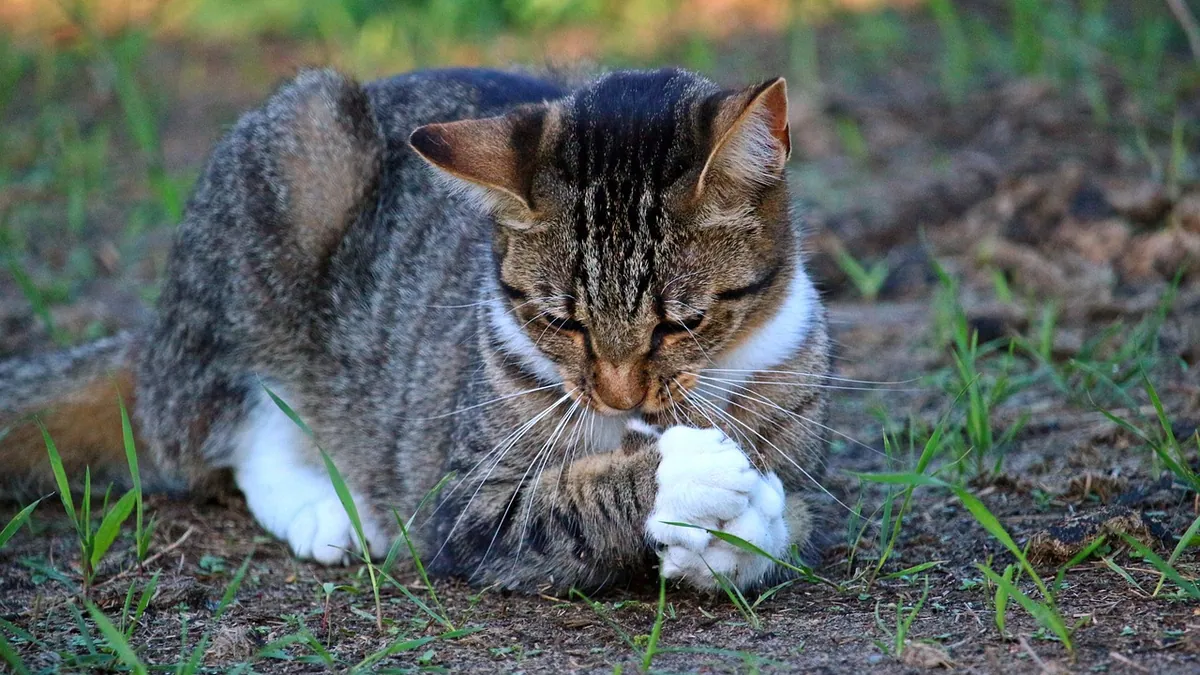
Yes, cats can eat crickets. A single cricket caught in your home is usually harmless, and many cats eat them without any problem. The real concerns are where the cricket came from, what it was exposed to, and whether your cat has underlying health issues. This article is educational and is not a substitute for veterinary diagnosis or treatment.
Quick Answer
- A cricket your cat hunts indoors is generally safe if your home has not been treated with pesticides.
- Crickets sold as pet food or human food are raised for consumption and are a safer choice than wild-caught insects.
- Wild crickets can carry parasites and may have been exposed to lawn chemicals or insecticides.
- Too many crickets at once can cause vomiting or diarrhea from the exoskeleton and fat content.
- Call your vet or a pet poison hotline right away if you suspect pesticide exposure, and watch for drooling, tremors, or vomiting.
Can Cats Eat Crickets? The Short Answer
For most healthy adult cats, eating an occasional cricket is not dangerous. Cats are obligate carnivores, meaning they need animal protein to survive, but they are also opportunistic hunters. A cricket that wanders into your living room is fair game.
The risk depends almost entirely on the cricket's origin. A cricket from a clean indoor space is very different from one that crawled through a freshly sprayed lawn. Your cat's overall health, age, and parasite prevention status also matter.
If your cat has a sensitive stomach, kidney disease, or a history of pancreatitis, check with your veterinarian before letting cricket hunting become a habit.
Do Cats Eat Crickets? Hunting Behavior Explained
Cats hunt small moving prey because motion triggers their predatory drive. Insects like crickets, moths, and beetles fit that pattern perfectly. Research on owned cats shows that individual cats vary widely in how strongly they respond to moving toys, and that this interest is consistent over time [1]. A cat that pounces on a feather wand is often the same cat that chases a cricket across the kitchen floor.
What owners report and what cats actually eat do not always match. In one study using DNA analysis of cat scat, owners reported their cats brought home intact prey in three instances, but prey DNA was not found in the samples, suggesting the cats did not actually eat those animals [2]. The same study found only one case of wild prey consumption across all samples tested [2]. In other words, your cat may hunt a cricket, bat it around, and never swallow it.
That said, many cats do eat crickets. If your cat swallows one, it is usually not a medical emergency.
Can Cats Eat Crickets in the House?
Indoor crickets are the lowest-risk option, with one big exception: pesticide exposure. If you or your landlord have recently used bug spray, bait stations, or professional pest control, a cricket walking through that area can carry insecticide on its body. Your cat then ingests it.
Camel crickets (also called cave crickets) are a common household invader in damp basements and crawl spaces. They are not toxic to cats, but they live in dark, moist environments where bacteria and mold can thrive. A cat that eats a camel cricket is unlikely to get sick from the cricket itself, but the same pesticide rule applies.
If you use pest control, ask the company which products are pet-safe and how long to keep your cat away from treated areas. When in doubt, remove the cricket yourself and dispose of it instead of letting your cat eat it.
Can Kittens Eat Crickets?
Kittens can eat crickets, but they are more vulnerable to stomach upset and choking than adult cats. A kitten's digestive tract is still developing, and a large cricket exoskeleton can be hard to pass.
Kittens also explore the world with their mouths, which means they are more likely to swallow a cricket whole without chewing. If your kitten eats one cricket and seems fine, there is usually no need to worry. If your kitten vomits, refuses food, or seems uncomfortable, contact your veterinarian.
Kittens are also at higher risk from parasites. The Merck Veterinary Manual notes that roundworms, hookworms, and tapeworms can be passed from mother to kittens, and that kittens and outdoor cats may be exposed to parasites when they go outside [3]. Regular fecal testing and deworming are part of routine kitten care.
Can Cats Eat Camel Crickets?
Camel crickets are not toxic to cats. They are larger and have a tougher exoskeleton than house crickets, which makes them slightly more likely to cause choking or vomiting if swallowed whole.
The bigger issue is where camel crickets live. They prefer damp, dark spaces like basements, garages, and crawl spaces. Those areas may have mold, chemical runoff, or pest control products. A camel cricket from a clean, untreated basement is low risk. One from a recently sprayed crawl space is not.
If your cat catches a camel cricket and eats it, monitor for vomiting, diarrhea, or lethargy over the next 24 hours. Most cats will be fine.
Nutritional Value of Crickets for Cats
Crickets are a source of protein, fat, and some minerals. They also contain chitin, the hard material that makes up their exoskeleton. Chitin is a fiber-like compound that cats can partially digest.
A 2025 study in Frontiers in Veterinary Science looked at insect meals in cat diets, including cockroach and superworm meals at 7.5% and 15% inclusion levels [4]. The study found no differences in apparent digestibility for most nutrients, and no changes in blood urea, creatinine, or blood counts [4]. Cats fed certain insect diets had higher levels of propionate, a short-chain fatty acid, compared to the control group [4].
That study did not use crickets specifically, so we cannot say cricket meal has identical effects. What it does suggest is that insect protein can be incorporated into cat diets without obvious harm in a controlled setting. That is not the same as saying crickets are a complete food. They are a snack, not a meal.
Crickets do not provide taurine, an essential amino acid cats need. They also lack the balanced calcium and phosphorus ratio of a complete cat food. Do not replace any part of your cat's regular diet with crickets.
Risks of Cats Eating Crickets
Choking and GI Upset
The exoskeleton is the main physical risk. A large cricket swallowed whole can irritate the throat or stomach. Vomiting and diarrhea are the most common signs. Most cases resolve on their own within a day.
Parasites
Wild insects can carry parasites, though crickets are not a major known source of cat parasites. The bigger parasite risk for cats comes from hunting rodents, birds, and other mammals, or from fleas and ticks. The Merck Veterinary Manual lists roundworms, hookworms, tapeworms, fleas, ticks, and protozoa as common cat parasites, and recommends checking droppings and testing for worms at least once a year, especially for outdoor cats and kittens [3]. If your cat hunts frequently, keep them on year-round parasite prevention.
Pesticides and Insecticides
This is the most serious risk. Crickets are often the target of pest control products. If your cat eats a cricket that has been exposed to insecticide, your cat can develop drooling, vomiting, tremors, or seizures. Call your veterinarian or a pet poison hotline immediately if you see these signs.
Additives and Flavorings
Some cricket products sold for human consumption are seasoned with salt, garlic, onion powder, or other flavorings. Garlic and onion damage red blood cells in cats and can cause anemia. Salt can cause sodium poisoning in large amounts. Never feed your cat a seasoned cricket snack meant for people.
Xylitol is a well-known dog poison that causes dangerous low blood sugar and liver failure. A controlled study in cats did not find the same effects, so xylitol is not considered highly toxic to cats. Even so, sugar-free products do not belong in a cat's diet.
Fat and Calorie Load
Crickets are relatively high in fat for their size. A cat that eats a handful of crickets may get more fat than their stomach can handle, leading to vomiting or diarrhea. This is especially true for cats with pancreatitis or inflammatory bowel disease.
How to Offer Crickets Safely
If you want to give your cat crickets on purpose, buy them from a supplier that raises them for pet food or human food. These are typically cleaner and free of pesticides.
Offer one or two crickets at a time. Watch your cat for vomiting, diarrhea, or signs of choking. Remove the legs and wings if you are feeding a small kitten or a cat with dental problems.
Never feed crickets that you caught outside. Never feed crickets from a bait trap or a pest control zone. Never feed seasoned, salted, or flavored cricket snacks.
| Form | Safe? | Notes |
|---|---|---|
| Indoor cricket, no pesticide use | Generally safe | Low risk, watch for GI upset |
| Wild cricket from untreated yard | Low risk | Parasite and bacteria exposure possible |
| Cricket from pesticide-treated area | Unsafe | Can cause drooling, tremors, seizures |
| Camel cricket from damp basement | Low risk | Larger exoskeleton, choking risk |
| Store-bought feeder cricket | Safe | Raised for consumption, cleanest option |
| Seasoned or salted cricket snack | Unsafe | Garlic, onion, and salt are dangerous |
| Cricket from a bait station | Unsafe | Insecticide exposure |
If your cat has food allergies or a sensitive stomach, talk to your vet before adding any new protein. The same caution applies to other novel proteins. If you are curious about how vets approach other unusual foods, see our guides on venison and wild game parasite testing and raw shrimp and shellfish bacteria hazards.
What to Do If Your Cat Ate Too Many Crickets
If your cat ate several crickets and seems fine, monitor for 24 hours. Offer fresh water and their normal food. Do not induce vomiting unless your veterinarian tells you to.
If your cat ate a cricket from a pesticide-treated area, call your veterinarian or a pet poison hotline right away. Do not wait for symptoms. Bring the pesticide product name or label if you have it.
If your cat is vomiting repeatedly, has diarrhea, is drooling, or seems lethargic, contact your vet the same day. If your cat is having tremors, seizures, or difficulty breathing, go to an emergency clinic immediately.
Safer Alternatives to Crickets
If your cat enjoys hunting and eating insects, there are safer ways to satisfy that drive. Interactive play with a feather wand or laser toy gives your cat the chase without the ingestion risk. Food puzzles and treat balls also channel predatory behavior.
For actual treats, stick with commercial cat treats or small pieces of cooked meat that are formulated for pets. If you want to explore other human foods, our articles on tuna safety and catnip and nepetalactone cover common questions. For shellfish, see our guide on crab shell hazards and sodium.
Limitations and When to Contact a Veterinarian
This article covers general information. Your cat's individual health, medications, and parasite prevention plan affect what is safe for them. Only your veterinarian can assess your specific situation.
Contact your veterinarian the same day if your cat ate a cricket from a treated area, is vomiting more than once, has diarrhea, is drooling, or seems unusually tired.
Go to an emergency clinic now if your cat has tremors, seizures, difficulty breathing, collapse, or repeated vomiting that will not stop.
Schedule a routine visit if your cat hunts insects or outdoor prey often. The Merck Veterinary Manual recommends fecal testing for worms at least once a year, and more often for outdoor cats and kittens [3]. Your vet can also discuss year-round parasite prevention.
Frequently Asked Questions
Can cats eat crickets without getting sick?
Most cats can eat a single cricket without getting sick. The main exceptions are crickets exposed to pesticides, large crickets swallowed whole, and cats with sensitive stomachs or chronic illness.
Are crickets toxic to cats?
Crickets themselves are not toxic to cats. The danger comes from what the cricket has been exposed to, such as insecticides, or from additives like garlic, onion, and salt in processed cricket snacks.
Do cats need crickets in their diet?
No. Crickets are not a required part of a cat's diet. They lack taurine and do not provide balanced nutrition. A complete commercial cat food meets all of your cat's nutritional needs.
Can my cat get worms from eating a cricket?
It is possible but not well established in veterinary research. The more common parasite sources for cats are rodents, birds, fleas, and contaminated soil. Keep your cat on parasite prevention and have fecal tests done regularly.
What if my cat eats a cricket from a bug zapper?
A cricket from a bug zapper may carry insecticide residue or be partially burned. If your cat eats one, monitor for drooling, vomiting, or tremors. Call your vet if any signs appear.
Related Articles
- Can Cats Eat Venison? Wild Game Parasite Testing
- Can Cats Safely Eat Tuna
- Can Cats Eat Catnip? Nepetalactone and Safe Use Guide
- Can Cats Eat Shrimp? Raw Shellfish Bacteria Hazards
- Can Cats Eat Crab? Shell Hazards and Sodium
- Can Cats Eat Tuna Fish
- Can Cats Eat Bugs? Crickets, Grasshoppers and Risk
- Can Cats Eat Bloodworms? Safety and Risks
- Can Cats Eat Worms? Worms, Waxworms and Parasite Risk
References
- Utilizing citizen science to assess consistent individual variation in play behaviour of the domestic cat, Felis catus. Behavioural processes, 2026.
- Using DNA Metabarcoding and Citizen Science to Assess the Diet of Owned Domestic Cats. Ecology and evolution, 2026.
- Parasites in Cats - Cat Owners. Merck Veterinary Manual.
- Insect meals in cat diets and their effects on digestibility, physiology, and gut microbiota. Frontiers in veterinary science, 2025.