Can Cats Eat Bloodworms? Safety and Risks
By Dr. Zubair Khalid, DVM, MS, PhD ·
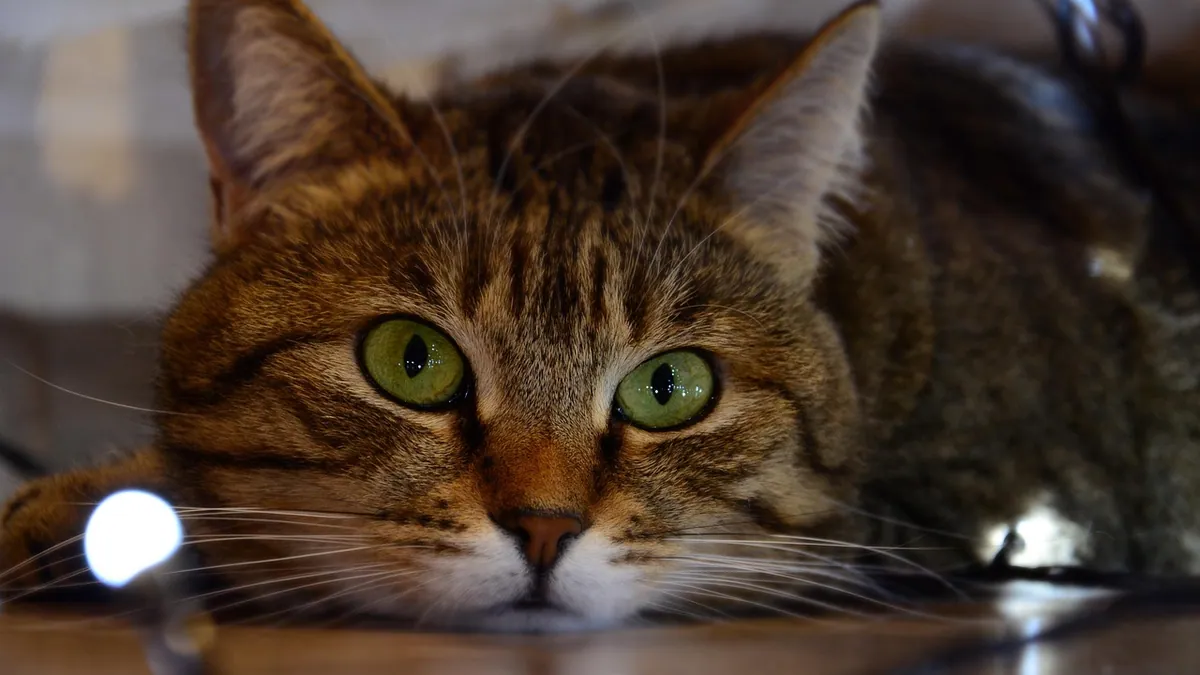
Can cats eat bloodworms? Yes, a cat can eat a small amount of bloodworms without immediate poisoning, but they are not a suitable food and they carry real risks. Bloodworms are fish food, not cat food, and the frozen or live forms sold for aquariums can carry bacteria, parasites, and additives that do not belong in your cat's diet. This article is educational and is not a substitute for veterinary diagnosis or treatment.
Quick Answer
- Bloodworms are not toxic to cats, but they are not a safe or balanced food source.
- The main concerns are choking, stomach upset, bacterial contamination, and parasites from raw or live worms.
- Freeze-dried bloodworms are the safest form to handle, but they are still a choking risk and offer almost no nutrition for a cat.
- Never feed bloodworms that have been soaked in aquarium medications, garlic, or other tank additives.
- If your cat ate a large amount or ate worms from a dirty tank, call your veterinarian or a pet poison hotline the same day.
Are Bloodworms Safe for Cats?
Bloodworms are the larvae of midge flies, and they are sold as a protein-rich treat for aquarium fish. On their own, the worm itself is not a known cat toxin. That means a cat that steals a few from a fish tank is unlikely to be poisoned by the worm itself.
The problem is everything around the worm. Bloodworms live in water and are handled in aquarium conditions that are not designed for human or pet food safety. A cat that eats live or thawed bloodworms is eating whatever bacteria and parasites were in that water. That is the real safety issue, not the worm's basic chemistry.
There is also a size and texture problem. A single bloodworm is tiny, but freeze-dried cubes and clumps can be swallowed whole. Cats are not built to chew and swallow a mouthful of dry, sharp fish food, and that can lead to choking or vomiting.
Can Cats Have Bloodworms? What Is Actually in Them
Bloodworms are mostly water and protein. In aquarium terms they are a decent food for fish because fish are adapted to eat them. For a cat, the nutritional value is close to zero in any practical sense.
A cat is an obligate carnivore, which means it needs animal-based protein and a specific set of nutrients that commercial cat food is formulated to provide. Bloodworms do not supply taurine, the right balance of amino acids, vitamins, or minerals in the amounts a cat needs. Feeding them does not replace any part of a balanced diet.
There is also a contamination angle worth knowing. Heavy metals can enter the pet food chain through animal-derived protein ingredients and drinking water, and cats can be exposed to diet-related metals because of their strong reliance on animal proteins [1]. That finding is about commercial cat food, not bloodworms, but it shows why unregulated protein sources deserve caution. You have no quality control on a bag of fish food.
If you want to give your cat a treat, a small piece of cooked meat or a commercial cat treat is a better choice. For more on how raw protein sources can carry hidden hazards, see Can Cats Eat Shrimp? Raw Shellfish Bacteria Hazards.
Are Blood Worms Dangerous to Cats? The Real Risks
Choking and Blockage
Freeze-dried bloodworms are dry, light, and easy to inhale. A cat that gulps a clump can choke, and a large enough clump can cause an obstruction. This is the most common emergency linked to fish food.
Stomach Upset
A cat's digestive system is not designed for a sudden load of aquarium larvae. Vomiting and diarrhea are the usual results. Cats already have unique digestive characteristics that make them prone to gastrointestinal disorders, so adding an unusual food is a poor idea [2].
Bacteria and Parasites
Live and frozen bloodworms come from water that can contain bacteria and parasites. Cats can pick up intestinal infections from raw or contaminated aquatic foods. Some parasites that affect cats can also affect people, which is why handling matters. You can read more about that in Can Humans Catch Cat Worms.
Parasite exposure is a documented concern in cats with outdoor or environmental contact. In one survey of feral cats, 40.4% were exposed to Toxoplasma gondii and 13.7% were exposed to Sarcocystis species [3]. Those numbers come from feral cats on an island, not from bloodworms, but they show how easily cats pick up parasites from contaminated environments and prey.
Additives in Aquarium Products
This is where things get genuinely dangerous. Bloodworms sold for fish are sometimes packaged with or stored near aquarium treatments. Tank water can contain medications, copper-based treatments, and other chemicals. None of these are meant to be eaten by a cat.
Check any freeze-dried bloodworm product for added ingredients. Flavorings, preservatives, salt, garlic, and onion powder are all problems for cats. Garlic and onion damage red blood cells and can cause anemia. Xylitol, a sweetener found in some human foods, causes dangerous hypoglycemia and liver injury in dogs and is not something you want near your cat either.
Heavy Metal Exposure
As noted above, cats can be exposed to potentially toxic metals through animal-based protein sources [1]. Fish-based ingredients tend to carry higher cadmium concentrations than poultry-based ones in commercial cat food [1]. Bloodworms are not a commercial cat food ingredient, so no one is testing them for your cat. That lack of oversight is the point.
Can Cats Eat Frozen Bloodworms?
Frozen bloodworms are the form most owners find in the freezer next to the fish food. They are safer than live worms in one way, because freezing kills many parasites and bacteria. They are not safe in the way that matters most.
Frozen bloodworms thaw into a wet, smelly clump. Cats may gulp them, which brings back the choking and vomiting risk. Thawed worms also spoil quickly at room temperature, and spoiled protein is a recipe for food poisoning.
If your cat licks a thawed bloodworm off the floor, the risk is low. If your cat eats a whole cube, watch for vomiting, diarrhea, and lethargy. Call your veterinarian if symptoms start.
Form-by-Form Safety Table
| Form | Safe? | Notes |
|---|---|---|
| Live bloodworms from a tank | No | Highest risk of bacteria, parasites, and tank chemicals |
| Frozen bloodworms, thawed | No | Choking risk, spoils fast, no nutritional value for cats |
| Freeze-dried bloodworms, plain | Not recommended | Safest form to handle, still a choking risk and not cat food |
| Freeze-dried with garlic, onion, or salt | No | These additives are toxic to cats |
| Bloodworms soaked in aquarium medication | No | Tank treatments are not meant to be eaten |
| Cooked, plain bloodworms | Not recommended | Cooking reduces some risk but does not make them cat food |
How to Offer Bloodworms Safely (and What to Avoid)
The honest answer is that you should not offer bloodworms to your cat at all. There is no nutritional benefit and there are several avoidable risks. If your cat already got into the fish food, the goal is damage control, not a recipe.
If you insist on letting your cat investigate a single plain freeze-dried worm, keep it to one small piece, watch your cat chew it, and have water available. Do not let your cat eat from the container.
Avoid these preparations completely:
- Any bloodworm product with garlic, onion, salt, or sweeteners
- Worms from a tank that has been medicated
- Worms from a tank with sick or dead fish
- Large clumps or whole cubes
- Live worms straight from tank water
Wash your hands after handling bloodworms or tank water. Keep fish food sealed and out of reach. Cats are good at opening bags and containers, so store fish food in a cabinet your cat cannot access.
If you want to give your cat a high-value treat, stick with commercial cat treats or small pieces of cooked, unseasoned meat. For another example of why raw or undercooked animal protein is risky, see Can Cats Eat Uncooked Hot Dogs? Risks and Safer Options.
What to Do If Your Cat Ate Bloodworms
Most cats that eat a few bloodworms will be fine. The worm itself is not a poison. The response depends on how much your cat ate and what form it was in.
If your cat ate one or two plain freeze-dried worms, offer water and watch for vomiting, gagging, or coughing. If your cat is breathing normally and acting normal, you can monitor at home and call your veterinarian for advice.
If your cat ate a large amount, ate live worms from a dirty tank, or ate a product with garlic, onion, or other additives, call your veterinarian or a pet poison hotline right away. Do not wait for symptoms. Bring the packaging or a photo of the label so the veterinarian knows exactly what was eaten.
If your cat is choking, pawing at the mouth, breathing with effort, or collapsing, this is an emergency. Go to the nearest veterinary emergency hospital immediately.
Safer Alternatives to Bloodworms
Your cat does not need bloodworms. There are better options that carry far less risk.
- Commercial cat treats formulated for cats
- Small pieces of cooked chicken, turkey, or beef with no seasoning
- Cooked fish in small amounts, with bones removed
- Freeze-dried single-ingredient meat treats made for cats
If your cat is hunting around the fish tank, the real fix is management. Put a lid on the tank, keep fish food in a closed cabinet, and give your cat a puzzle feeder or a treat toy to redirect that interest. Boredom and hunger drive a lot of counter surfing and tank raiding.
For cats with sensitive stomachs, any new food can trigger vomiting or diarrhea. Cats have digestive systems that are prone to upset, which is why functional diets and consistent feeding matter [2]. Adding random aquarium food works against that.
Limitations and When to Contact a Veterinarian
This article covers general information only. Your cat's age, weight, health conditions, and medications all change the risk picture. Individual cases need a veterinarian who can examine your cat and ask specific questions.
Call your veterinarian the same day if your cat:
- Ate a large amount of bloodworms or a whole container
- Ate bloodworms with garlic, onion, salt, or other additives
- Ate live worms from a tank with sick fish or recent medication use
- Is vomiting, has diarrhea, or seems lethargic
- Is coughing, gagging, or breathing differently after eating
Go to an emergency clinic now if your cat:
- Is choking or cannot breathe
- Has a swollen or painful abdomen
- Is collapsing, weak, or unresponsive
- Has repeated vomiting with no pause
- Shows tremors, seizures, or pale gums
Schedule a routine visit if your cat had a small exposure and seems fine but you want peace of mind. Bring the product label. Your veterinarian can decide whether deworming, bloodwork, or monitoring is needed. Any dose of medication is calculated by your veterinarian from your cat's weight and health, so never give a dewormer or other drug on your own.
Frequently Asked Questions
Can cats eat bloodworms without getting sick?
Most cats that eat a small amount of plain bloodworms will not get seriously ill, but vomiting and diarrhea are common. The bigger risks are choking on freeze-dried clumps and picking up bacteria or parasites from live or thawed worms. There is no nutritional reason to feed them.
Are bloodworms toxic to cats?
The worm itself is not a known cat toxin. The danger comes from contamination, additives, and the physical form of the food. Products with garlic, onion, salt, or aquarium medications are the most concerning.
Can cats eat frozen bloodworms straight from the freezer?
No, you should not feed frozen bloodworms to your cat. Thawed worms spoil quickly, can carry bacteria, and are easy for a cat to gulp in a clump. Freezing reduces some parasite risk but does not make them a suitable cat food.
What should I do if my cat ate bloodworms from my fish tank?
Remove your cat from the tank area and check for choking or breathing trouble. If your cat seems fine, offer water and watch for vomiting or diarrhea over the next few hours. Call your veterinarian if your cat ate a lot, ate medicated tank water, or starts showing symptoms.
Do bloodworms give cats any health benefits?
No. Bloodworms do not provide the balanced nutrition a cat needs, and they lack the taurine and nutrient profile of commercial cat food. Any benefit is behavioral at best, and you can meet that need with cat-safe treats or a puzzle feeder instead.
Related Articles
- Can Humans Catch Cat Worms
- Can Cats Eat Venison? Wild Game Parasite Testing
- Can Cats Eat Shrimp? Raw Shellfish Bacteria Hazards
- Can Cats Eat Catnip? Nepetalactone and Safe Use Guide
- Can Cats Eat Uncooked Hot Dogs? Risks and Safer Options
- Can Cats Eat Strawberries? Nutritional Benefits and Risks
- Can Cats Eat Worms? Worms, Waxworms and Parasite Risk
- Can Cats Eat Mealworms? Dried, Live, and Freeze-Dried
- Can Cats Eat Bugs? Crickets, Grasshoppers and Risk
References
- Comparison of As, Cd, Cu, Fe, and Pb levels in dry cat foods containing different protein sources (poultry, fish, red meat) and in cats consuming these diets. Veterinary research communications, 2026.
- The effects of Sijunzi decoction-supplemented cat food on physiological parameters and gut microbiota in healthy adult cats. Frontiers in veterinary science, 2025.
- Serology and PCR for Apicomplexa and SARS-CoV-2 in feral cats from a Brazilian island. EcoHealth, 2026.