Turkey Tail Mushroom for Dogs
By Dr. Zubair Khalid, DVM, MS, PhD ·
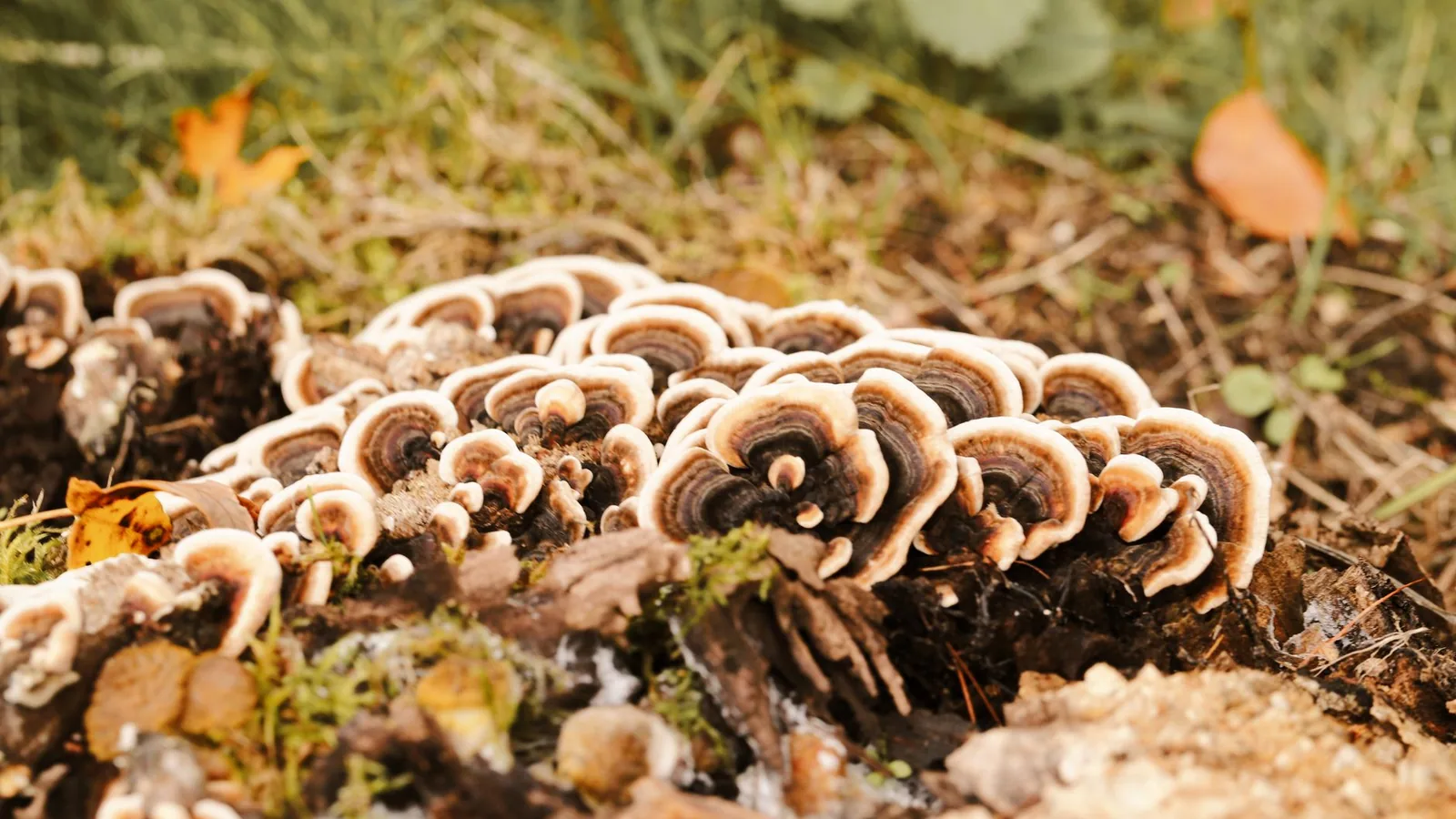
Turkey tail mushroom (Trametes versicolor, formerly Coriolus versicolor) is one of the most studied medicinal fungi in the world. In veterinary oncology, it has attracted attention because of its polysaccharopeptide (PSP) content, which has demonstrated immunomodulatory and antitumor activity in laboratory research [1]. The most direct clinical evidence in dogs comes from a prospective trial in splenic hemangiosarcoma, in which PSP was tested alone and in combination with doxorubicin after splenectomy [2]. Turkey tail is best understood as a potential adjunct to standard cancer care, not as a standalone cure. The sections below explain what the research actually shows, how the mushroom works, how it is given, and what questions to ask your veterinarian.
This article is educational and is not a substitute for veterinary diagnosis or treatment.
At a Glance
| Item | Detail |
|---|---|
| Active ingredient | Polysaccharopeptide (PSP), β-glucans, and laccase enzymes from Trametes versicolor [1][3] |
| Species studied | Dogs (adult animals in published studies) [4][2] |
| How it is given | Oral, top-dressed on food [4] |
| How fast it works | Not established. One study measured outcomes at 6 and 12 weeks [4], and the hemangiosarcoma trial monitored dogs weekly for 15 weeks [2] |
| How long it lasts | Not established in published canine studies |
| Prescription or over the counter | Not specified in the cited studies. Commercial supplements vary, so use a product recommended by your veterinarian |
What Is Turkey Tail Mushroom?
Turkey tail is a bracket fungus that grows on dead hardwood in forests across North America, Europe, and Asia. It gets its common name from the fan-shaped, multicolored bands on its cap, which resemble the tail feathers of a wild turkey. Its current scientific name is Trametes versicolor, and older medical literature frequently uses the synonym Coriolus versicolor. In traditional Chinese medicine, the fungus has a long history of use, and modern research has concentrated on its polysaccharopeptides, abbreviated TVPPs [1].
TVPPs are protein-bound polysaccharides and are considered the core bioactive constituents of T. versicolor [1]. They contain high levels of glucose and acidic amino acids, and these structural features are closely related to their functional performance [1]. The fungus also produces copper-containing laccase enzymes [3] and β-glucans [4], both of which have been investigated for biological activity. Extraction methods for TVPPs have become relatively mature, but the relationship between molecular structure and biological function is not yet fully understood [1]. The review literature notes that existing studies have conducted preliminary analyses of the chemical structures, but those analyses remain insufficient to systematically explain how structure drives function [1].
Products differ in what they contain. Some are whole powdered mushroom, some are hot water extracts, and some are purified polysaccharopeptide fractions [1]. The canine studies used water extracts in one case [4] and a specific PSP product in the other [2]. These are not equivalent, and results from one product cannot be assumed to apply to another. Ask your veterinarian to recommend a product from a manufacturer that tests for identity, potency, and contaminants.
How Turkey Tail Works in the Body
Polysaccharopeptides and immune modulation
TVPPs have demonstrated immunomodulatory, antitumor, antiviral, anti-obesity, and hepatoprotective activities in laboratory studies [1]. The antitumor effects are generally attributed to modulation of the immune system rather than direct killing of cancer cells, although direct effects on tumor cells have also been described [1][3]. Because the immune system plays a central role in recognizing and eliminating malignant cells, compounds that alter immune signaling are of ongoing interest in oncology.
Laccase enzymes and apoptosis
Laccases are copper-containing enzymes that oxidize a wide range of phenolic and non-phenolic compounds [3]. A 2026 study purified a laccase from T. versicolor using a three-phase partitioning technique, an inexpensive method that preserves enzyme activity, and tested it against human colorectal cancer cell lines (HCT-116 and Caco-2) and normal endothelial cells (HUVEC) [3]. The laccase produced dose-dependent cytotoxicity in the cancer cells with minimal impact on the normal cells. It induced apoptosis, increased oxidative stress, caused DNA damage, and arrested cells in the G0/G1 phase of the cell cycle. The study used flow cytometry to confirm apoptosis and cell cycle changes, micronucleus and comet assays to document DNA damage, and fluorescence measurements to detect reactive oxygen species. Gene expression analysis revealed upregulation of the pro-apoptotic genes Bax and Caspase-3, and the study also examined the MAPK (p38, JNK) and NF-κB signaling pathways [3]. These findings come from cell cultures, not from living dogs, but they provide a plausible biological mechanism for the antitumor activity attributed to turkey tail.
β-glucans and the gut-immune axis
Mushroom-derived β-glucans are thought to influence gut health and immune function [4]. A 2026 randomized, blinded, placebo-controlled study in healthy adult beagles was designed to test a blend of turkey tail, red reishi, and lion's mane water extracts plus bovine colostrum [4]. The researchers measured fecal characteristics, microbial fermentation metabolites, fecal immunoglobulin A, and the gut microbiota, along with serum chemistry, hematology, immunoglobulins, and oxidative stress markers. Immune function was evaluated ex vivo by stimulating whole blood cells with toll-like receptor agonists and measuring tumor necrosis factor-alpha production [4]. This study establishes a controlled model for measuring how turkey tail-based blends affect the canine gut microbiome and immune responsiveness [4].
Why comparative oncology matters
Dogs develop many of the same cancers as humans, and the genetic landscape of canine tumors is now being mapped in detail. The Canine Cancer Genome Atlas (CCGA) has harmonized whole-exome data from 667 tumor-normal pairs across 10 canine tumor histotypes and identified 39 cancer drivers, including recurrent alterations in TP53, PIK3CA, PTEN, SETD2, MAP3K14, and FAT4, plus copy number events such as MYC amplifications and PTEN deletions [5]. Direct comparison with matched human cancers revealed conserved oncogenic mechanisms, pathways, and therapeutic contexts [5][6]. Dogs are also considered translationally valuable, naturally occurring models for colorectal cancer, sharing significant molecular homology with humans in key pathways [7]. This shared biology is the rationale for studying mushroom-derived compounds in canine oncology, since mechanisms demonstrated in human cancer models may translate to dogs [3].
What the Research Shows in Dogs
Splenic hemangiosarcoma: the main clinical trial
Canine splenic hemangiosarcoma (HSA) is an aggressive tumor of vascular endothelium that carries a grave prognosis even with standard treatment consisting of splenectomy and doxorubicin chemotherapy [2]. Because of this poor outlook, owners and oncologists have looked for adjunctive options, and turkey tail PSP is one of the most studied.
A prospective study published in Veterinary and Comparative Oncology enrolled 101 dogs that underwent splenectomy for splenic HSA [2]. After surgery, owners were offered treatment with PSP alone or adjuvant doxorubicin chemotherapy. Owners who chose doxorubicin were then blindly randomized to receive either placebo or PSP. The final analysis included 51 dogs treated with PSP alone, 25 dogs treated with doxorubicin plus placebo, and 25 dogs treated with doxorubicin plus PSP [2]. Dogs were evaluated weekly for 15 weeks, then monthly until death [2].
The results require careful reading. On multivariate analysis, dogs treated with single-agent PSP, female dogs, dogs with decreased hematocrit at diagnosis, and dogs with stage III disease were negatively and significantly associated with outcome [2]. The authors also documented an interaction between treatment group and sex, and the gender-specific outcomes did not show a clear overall survival benefit for PSP [2].
In plain language: this study did not demonstrate that PSP alone improves survival in dogs with splenic hemangiosarcoma. If anything, the multivariate analysis suggested that dogs receiving PSP alone fared worse, although the treatment-by-sex interaction complicates that interpretation. The negative association does not prove that PSP harmed the dogs. Owners who chose PSP alone may have differed in other ways, such as tumor stage or overall health, and the authors could only account for the factors they measured [2]. The take-home message for owners is that turkey tail PSP should not be used in place of splenectomy and doxorubicin. Standard of care remains surgery with or without chemotherapy [2].
Healthy dogs: gut and immune markers
The 2026 healthy-beagle study provides the only controlled data on a turkey tail-containing product in healthy dogs [4]. Twenty adult beagles (8 females and 12 males, average age about 5.6 years, average body weight about 9.6 kg) completed a 3-week wash-in phase and were then assigned to receive either a placebo or a mushroom complex (turkey tail, red reishi, and lion's mane water extracts) combined with bovine colostrum, top-dressed on the diet for 12 weeks [4]. The placebo consisted of cellulose, rice bran, liver, and natural food coloring [4]. Samples were collected after the wash-in phase and again at 6 and 12 weeks [4]. The study was designed to evaluate fecal characteristics, microbial fermentation metabolites, immunoglobulin A, microbiota, serum chemistry, hematology, immunoglobulins, and oxidative stress markers, plus ex vivo immune function [4]. This study is valuable because it tests safety and immune outcomes in a controlled setting, but it does not address cancer outcomes.
Evidence from human medicine
Turkey tail preparations have also been studied in people. A rapid systematic review and multidisciplinary expert consensus evaluated a Coriolus versicolor-based vaginal gel in HPV-positive women with low-grade cervical lesions. The expert panel concluded that available evidence reports potential benefits, including increased lesion regression and viral clearance rates, with benefits possibly more pronounced in specific subgroups [8]. This human evidence is not directly transferable to canine cancer, but it supports the broader immunomodulatory profile of C. versicolor and helps explain ongoing interest in the fungus [1][8].
What Turkey Tail Does Not Cover
Turkey tail is not a cure for cancer. No published canine study shows that any turkey tail product eliminates cancer or extends life when used alone [2]. It is not a replacement for surgery, chemotherapy, or radiation therapy. In the hemangiosarcoma trial, standard care remained splenectomy with or without doxorubicin, and PSP was studied as an add-on or as an owner-chosen alternative [2].
The evidence base in dogs is narrow. Published canine data are limited to one hemangiosarcoma trial and one healthy-dog study [4][2]. For other tumor types, such as lymphoma, mast cell tumors, osteosarcoma, or mammary carcinoma, the cited literature provides no direct canine clinical evidence. Claims that turkey tail treats these cancers are extrapolations from laboratory research or human studies [3].
Turkey tail also does not prevent cancer, and it does not treat infections or non-cancer conditions in dogs based on the cited evidence. Products labeled for immune support should not be confused with products proven to treat a specific disease. The distinction matters because owners may be offered turkey tail alongside other unproven supplements, and each additional product adds cost and potential risk without a guarantee of benefit.
No product label or regulatory approval is described in the cited studies. In practice, turkey tail products for dogs are marketed as dietary supplements rather than drugs. Ask your veterinarian about the regulatory status of the specific product you are considering, and ask what quality testing the manufacturer performs.
How to Give Turkey Tail to Your Dog
In the published canine studies, the product was given orally, top-dressed on food [4]. Commercial products come in various forms, including powders, capsules, and liquid extracts, and the concentration of PSP varies widely between brands. There is no established universal dose for dogs. The only dose reported in the cited canine study is 1.8 grams per day of a combined mushroom extract blend in healthy adult beagles [4]. That figure cannot be extrapolated to a cancer patient, to a different product, or to a dog of a different size.
Your veterinarian should calculate a dose based on your dog's body weight, the specific product's concentration, and the condition being addressed. Follow the product label only if your veterinarian confirms it is appropriate. Do not assume that more is better. Higher doses of an immunomodulatory compound are not necessarily safer or more effective.
The optimal duration of treatment is unknown. Your veterinarian should define a recheck schedule based on your dog's response. Some oncologists recommend continuing a supplement as long as it is tolerated and the dog is responding to overall treatment, but this should be a shared decision between you and your veterinary team.
Consistency matters. If your veterinarian recommends turkey tail, give it at the same time each day, preferably with food as it was given in the published study [4]. If you miss a dose, do not double the next one. Ask your veterinarian how to handle a missed dose for the specific product you are using. Keep a log of when you give it, the dose, and any changes in your dog's appetite, energy, stool quality, or overall condition. Bring that log to recheck appointments.
Side Effects and What to Do About Them
Side effects of turkey tail in dogs are not well characterized in the published literature. The healthy-dog study monitored hematology, serum chemistry, immunoglobulins, oxidative stress markers, and fecal parameters over the treatment period [4], and the hemangiosarcoma trial included weekly evaluations [2], which suggests the products were generally tolerated, but neither summary details a specific adverse-event profile.
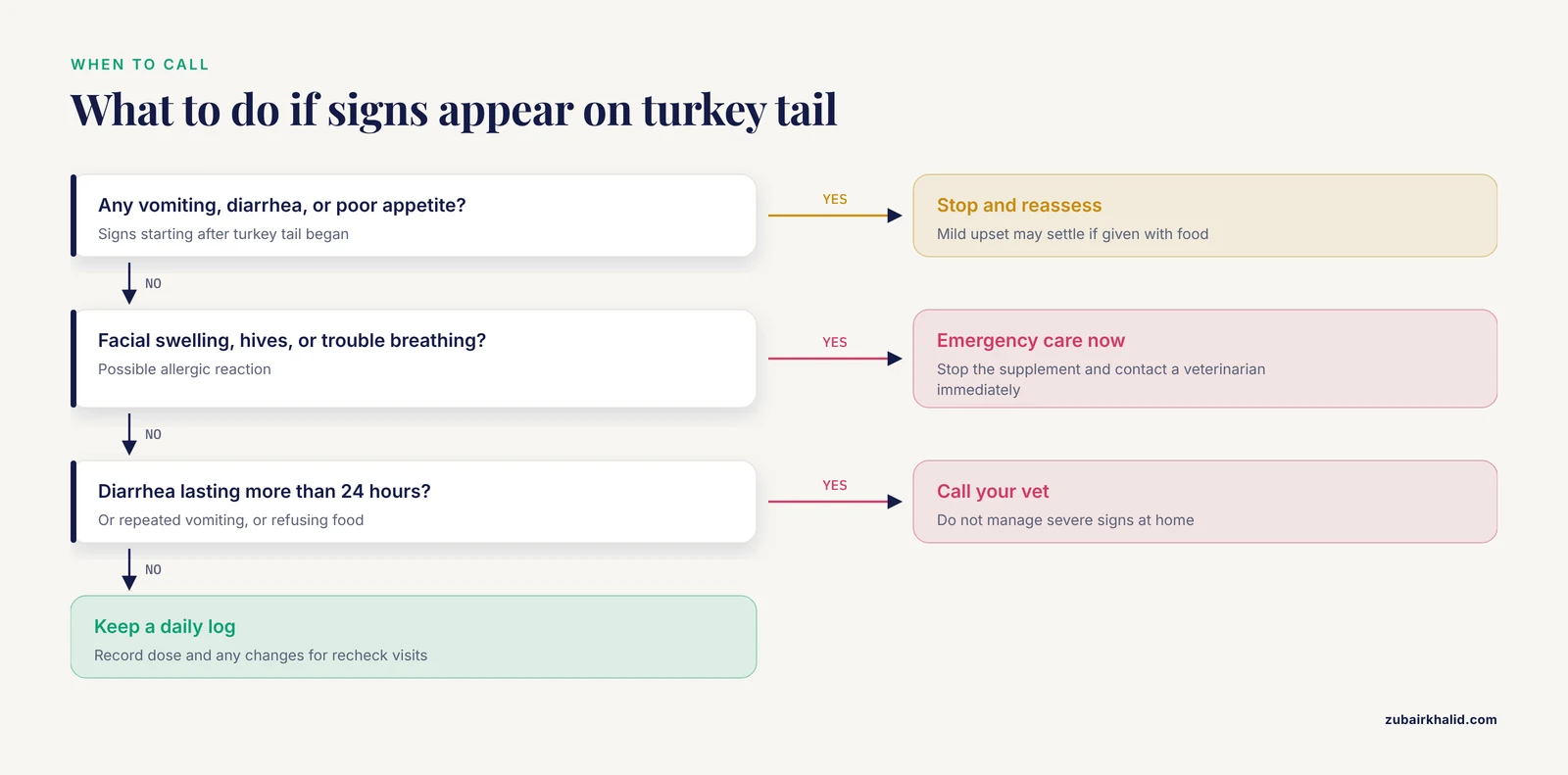
Because turkey tail is an immunomodulator [1], the most plausible concerns are immune-related effects, gastrointestinal upset, or an allergic reaction. If your dog develops vomiting, diarrhea, decreased appetite, lethargy, facial swelling, hives, or difficulty breathing after starting turkey tail, stop the supplement and contact your veterinarian immediately. Mild gastrointestinal upset may resolve if the product is given with food, as it was in the published study [4], but any persistent or severe sign warrants a call to your veterinary team.
Do not try to manage severe signs at home. Repeated vomiting, diarrhea that lasts more than 24 hours, refusal to eat, or any sign of an allergic reaction requires prompt veterinary attention.
Which Dogs Should Not Receive Turkey Tail
There are no absolute contraindications established in the cited literature, but several groups deserve caution. Dogs with a known allergy or hypersensitivity to mushrooms should not receive turkey tail. Dogs on immunosuppressive medications should be evaluated carefully, because PSP modulates immune activity [1] and could theoretically alter the effects of those drugs. Dogs with significant liver or kidney disease, pregnant or nursing dogs, and puppies have no safety data in the cited sources. For all of these situations, ask your veterinarian whether turkey tail is appropriate before starting it.
Interactions with Other Treatments
Turkey tail PSP has been studied in combination with doxorubicin in dogs with splenic hemangiosarcoma [2]. The published summary does not demonstrate that adding PSP to doxorubicin improved outcomes compared with doxorubicin alone [2]. Because PSP is an immunomodulator [1], it could interact with immunosuppressive therapies, and its effects on drug metabolism are not established. Always tell your veterinarian about every supplement your dog receives, including turkey tail, before any treatment change. Do not start, stop, or change the dose of any supplement during chemotherapy without explicit approval from your oncology team.
Turkey Tail vs. Other Mushroom Supplements
Turkey tail is often grouped with other medicinal mushrooms such as red reishi and lion's mane. In fact, the healthy-dog study used a blend of all three [4]. Each mushroom has a different bioactive profile. Turkey tail is distinguished by its polysaccharopeptide content and its laccase enzymes [3]. Red reishi and lion's mane were included in the blend study, but their individual contributions were not separated in the analysis [4].
No published canine study directly compares turkey tail with red reishi, lion's mane, chaga, or other mushrooms for cancer outcomes [4][2]. If a product contains multiple mushrooms, you cannot know which ingredient is responsible for any observed effect. Choose a product based on veterinary recommendation and quality testing rather than marketing claims.
Questions to Ask Your Veterinarian
- Is turkey tail appropriate for my dog's specific cancer type and stage?
- What dose and product form do you recommend for my dog's weight?
- Should I give it with food or on an empty stomach?
- How will we monitor whether it is helping, such as bloodwork, imaging, or quality-of-life scores?
- Can I give it alongside chemotherapy, radiation, or other medications?
- Are there any known interactions with my dog's current drugs?
- What side effects should I watch for, and when should I call you?
- How long should treatment continue, and when should we recheck?
Limitations and When to Contact a Veterinarian
This article is educational and is not a substitute for veterinary diagnosis or treatment.
The evidence base for turkey tail in dogs is small. It consists of one prospective canine hemangiosarcoma trial, one controlled healthy-dog study, laboratory research on the fungus's components, and human clinical data [4][2][1][8]. Individual results vary, and no supplement can replace a complete oncology workup. Every dog is different, and the decision to use a supplement should be made with a veterinarian who knows the full medical history. Always report all supplements to your veterinary team so they can adjust monitoring and treatment plans accordingly.
Contact a veterinarian immediately if your dog collapses, has difficulty breathing, develops facial swelling or hives, has repeated vomiting or diarrhea, refuses food for more than 24 hours, becomes lethargic, or shows a sudden change in behavior. If your dog has been diagnosed with cancer, contact your oncology team before starting or stopping any supplement, and do not delay or decline standard treatments in favor of supplements.
How to Choose a Turkey Tail Supplement for Your Dog
Not all turkey tail products are equivalent. The form of the mushroom, the extraction method, and the quality testing behind the product determine whether your dog receives the compounds studied in the canine research [1][2][4]. A label that says "turkey tail" or "mushroom blend" tells you very little about what is inside the container.
Fruiting body vs. mycelium
The fruiting body is the visible mushroom that grows on wood. The mycelium is the thread-like network that grows inside the substrate. The polysaccharopeptides (PSP/PSK) are derived from the mycelium, while beta-glucans are present in both fruiting body and mycelium. Some inexpensive products are grown on grain, so the mycelium and the grain are ground together; these products can contain more grain starch than mushroom compounds. Choose a product that states it is made from the fruiting body, not from mycelium grown on grain.
Hot water extraction and standardization
Polysaccharides such as PSP and beta-glucans are water-soluble, and hot water extraction releases them from the fungal cell wall [1]. The canine studies used water extracts in one case [4] and a specific PSP product in the other [2]. A whole dried powder is not the same as a hot water extract, and results from one form cannot be assumed to apply to another. Look for a product that lists the amount of PSP or beta-glucans per dose on the label. Avoid unlabeled blends: if a product contains several mushrooms but does not state how much turkey tail PSP is in each dose, you cannot dose it accurately or evaluate whether it is helping [4].
Third-party testing and certificate of analysis
Ask the manufacturer for a certificate of analysis from an independent laboratory. The certificate should confirm the product's identity, the concentration of the active compounds, and the absence of contaminants such as heavy metals, pesticides, mold, and bacteria. A product that cannot provide this documentation should not be used in a dog with cancer.
Before purchasing, ask your veterinarian whether the specific product is appropriate for your dog's condition, and bring the label or certificate of analysis to your next appointment.
Can Dogs Eat Wild Turkey Tail Mushrooms?
No. Dogs should not eat raw wild turkey tail mushrooms, and owners should not forage for them. The turkey tail products studied in dogs are processed extracts or powders, not raw mushrooms picked from a tree [4]. Wild mushrooms carry risks that are absent from manufactured supplements.
Risks of foraging for wild turkey tail
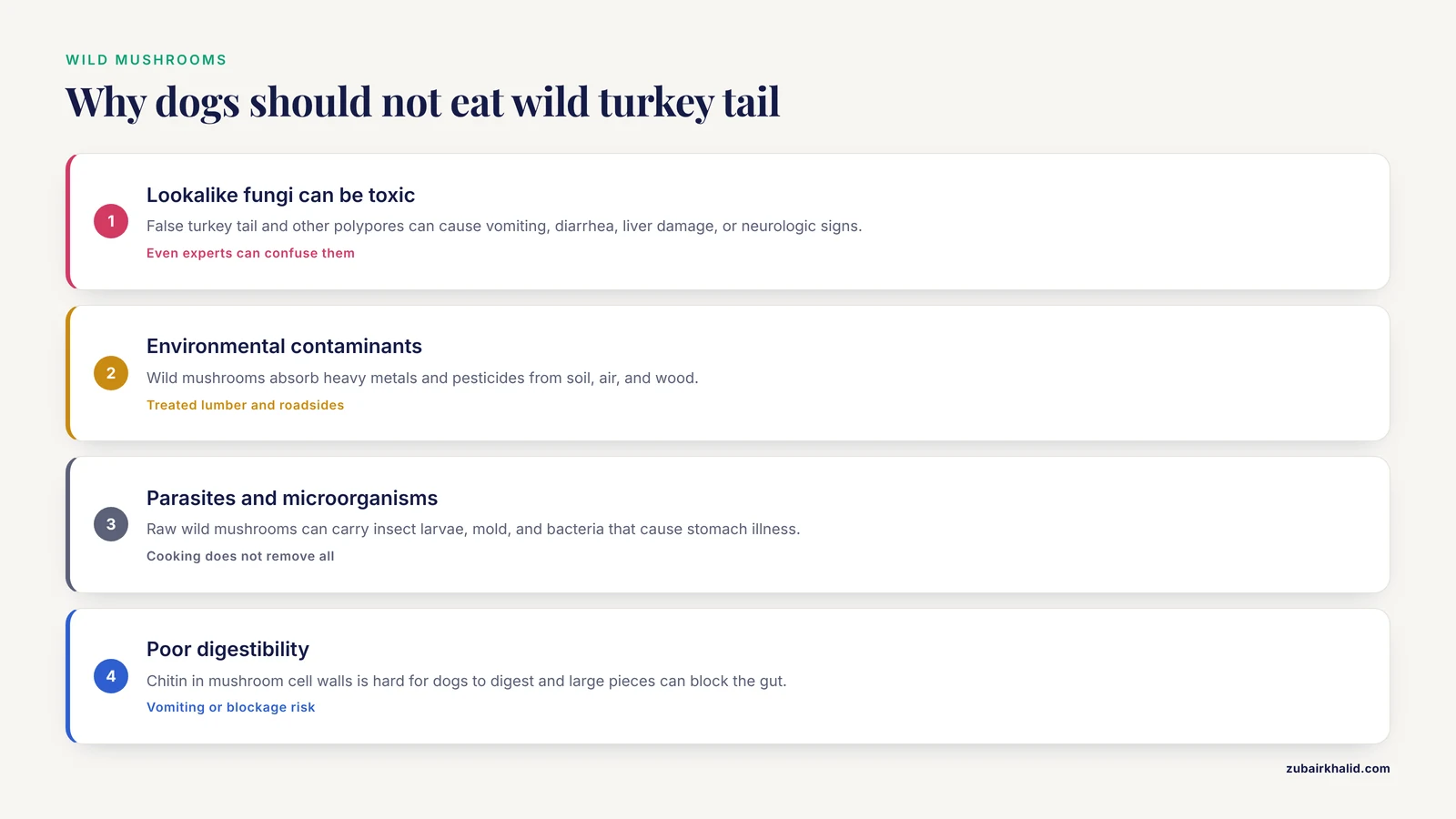
- Lookalike toxicity. Several bracket fungi resemble turkey tail, including false turkey tail and other polypores. Some lookalikes are toxic and can cause vomiting, diarrhea, liver damage, or neurologic signs. Even experienced foragers can confuse them.
- Environmental contaminants. Wild mushrooms absorb heavy metals, pesticides, and other pollutants from the surrounding soil, air, and wood. A mushroom growing on treated lumber, near a roadway, or in an industrial area may contain harmful concentrations of these substances.
- Parasites and microorganisms. Raw wild mushrooms can harbor insect larvae, mold, bacteria, and other organisms that may cause gastrointestinal illness in dogs.
- Poor digestibility. Mushroom cell walls contain chitin, which dogs cannot digest well. Even true turkey tail is tough and fibrous. Eating a large piece can cause vomiting, diarrhea, or an intestinal blockage.
Cooking does not eliminate all of these risks. Heat may kill some microbes, but it does not remove heavy metals or reliably destroy all toxins from a lookalike mushroom. The safest approach is to avoid feeding any wild mushroom to your dog.
If your dog eats an unidentified mushroom
Contact your veterinarian or a pet poison control service immediately. Do not wait for signs to appear. Do not induce vomiting unless a veterinary professional specifically tells you to. If possible, take a photograph of the mushroom and, if you can do so safely, place a whole specimen in a paper bag or wrap it in wax paper for identification. Do not handle the mushroom with bare hands. Bring the sample and any packaging to the veterinary clinic. The veterinarian may recommend decontamination, supportive care, or monitoring depending on the mushroom type and the amount eaten.
If your dog shows any signs such as drooling, vomiting, diarrhea, weakness, tremors, or seizures, seek emergency veterinary care right away.
What Is the Difference Between PSP and PSK?
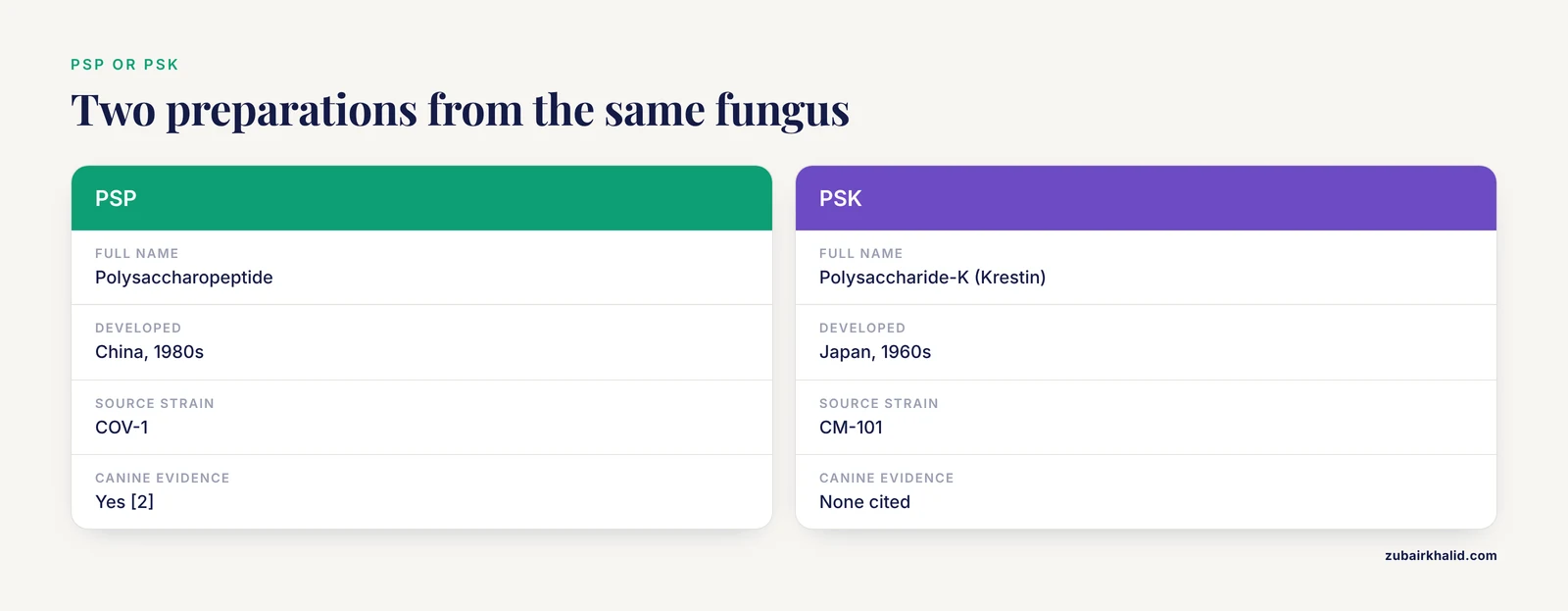
PSP (polysaccharopeptide) and PSK (polysaccharide-K, also sold as Krestin) are both protein-bound polysaccharide preparations derived from Trametes versicolor. Both fall under the umbrella term TVPP, but they are not interchangeable: they come from different strains of the fungus, are isolated by different extraction methods, and have separate research histories [1].
| Feature | PSP | PSK |
|---|---|---|
| - | - | - |
| Full name | Polysaccharopeptide | Polysaccharide-K (Krestin) |
| Developed | China, 1980s | Japan, 1960s |
| Source strain | COV-1 | CM-101 |
| Canine evidence | Yes [2] | None cited |
Extraction and structure
PSK was developed in Japan in the 1960s from the CM-101 strain of T. versicolor using hot water extraction. PSP was developed in China in the 1980s from the COV-1 strain. The two preparations differ in molecular weight, protein content, and sugar composition. These structural differences matter because the biological activity of polysaccharopeptides is related to their molecular structure [1].
Research history
PSK has been studied mainly in human oncology, with clinical trials in gastric, colorectal, lung, and other cancers. PSP has also been studied in people, but it is the preparation used in the canine veterinary literature. The hemangiosarcoma trial in dogs used a specific PSP product [2], while the healthy-dog study used a blend of mushroom extracts rather than a purified PSP or PSK product [4].
Why the distinction matters
The canine evidence base specifically involves PSP [2]. Results from PSP studies cannot be assumed to apply to PSK products, and neither can be assumed to apply to whole powdered mushroom or other extracts. Labels are not interchangeable: a supplement that lists PSP is not the same as one that lists PSK, and a product that says "polysaccharopeptide" without specifying which one may contain either.
Before using any turkey tail product, ask your veterinarian to confirm which preparation it contains and whether that preparation has evidence in dogs. Veterinary guidance is needed because supplement labels are not regulated for consistency, and the dose and product form should be matched to the specific condition being treated.
Related Guides
- My Dog Ate a Mushroom: How to Tell If It's Toxic: Steps for identifying whether an eaten mushroom is toxic
- Is Stinkhorn Mushroom Toxic to Dogs? What to Do If Eaten: What to do if a dog eats a toxic stinkhorn mushroom
- Can Dogs Eat Turkey Bacon? Sodium and Fat Risks
- Can Dogs Eat Turkey? Safe Serving Guide for Owners
Frequently Asked Questions
Is turkey tail mushroom safe for dogs?
Turkey tail has been studied as an oral supplement in dogs with monitoring of blood and fecal parameters [4], but its full safety profile is not established. Ask your veterinarian whether it is appropriate for your dog.
Can turkey tail mushroom cure cancer in dogs?
No. No published study shows that turkey tail cures cancer in dogs, and the main canine trial did not demonstrate a survival benefit for polysaccharopeptide alone in splenic hemangiosarcoma [2].
How much turkey tail mushroom should I give my dog?
There is no established universal dose. Your veterinarian should determine the dose based on your dog's weight, the product's concentration, and the condition being treated.
How long does it take for turkey tail mushroom to work?
The onset of any benefit is not established. Ask your veterinarian how and when they will evaluate your dog's response.
Can I give turkey tail mushroom with chemotherapy?
Turkey tail has been studied alongside doxorubicin in dogs, but always ask your oncologist before adding any supplement to a chemotherapy protocol [2].
What is the difference between turkey tail and other medicinal mushrooms for dogs?
Turkey tail is best known for its polysaccharopeptide content. Red reishi and lion's mane are often combined with it in blends [4], but no canine study directly compares them for cancer outcomes.
What are the side effects of turkey tail mushroom in dogs?
Side effects are not well characterized in the published literature. Stop the supplement and call your veterinarian if your dog vomits, has diarrhea, loses appetite, or shows signs of an allergic reaction.
Should I use turkey tail mushroom for my dog's hemangiosarcoma?
Discuss it with your veterinary oncologist. The main clinical trial did not show that polysaccharopeptide alone improved outcomes, and standard treatment remains splenectomy with or without doxorubicin [2].
Sources
- Recent advances in polysaccharopeptides from Trametes versicolor: Extractions, structural characteristics, bioactivities, and applications: A review.
- Evaluation of the anti-tumour activity of Coriolus versicolor polysaccharopeptide (I'm-Yunity) alone or in combination with doxorubicin for canine splenic hemangiosarcoma.
- Trametes versicolor laccase induces apoptosis and DNA damage in colorectal cancer via reactive oxygen species-mediated signaling disruption.
- Effects of a mushroom-based β-glucan and bovine colostrum blend on the gastrointestinal health and immune function of healthy adult dogs.
- The genetic landscape of canine tumors: Insights from the Canine Cancer Genome Atlas (CCGA).
- Genomic Atlas Reveals Where Dog and Human Cancers Diverge.
- A comparative review of colorectal cancer in humans and dogs.
- Rapid Systematic Review-Informed Multidisciplinary Expert Consensus on the Management of HPV-Positive Women with Low-Grade Cervical Lesions and the Role of a Coriolus versicolor-Based Vaginal Treatment.