Getting Your Dog to Drink From a Water Fountain
By Dr. Zubair Khalid, DVM, MS, PhD ·
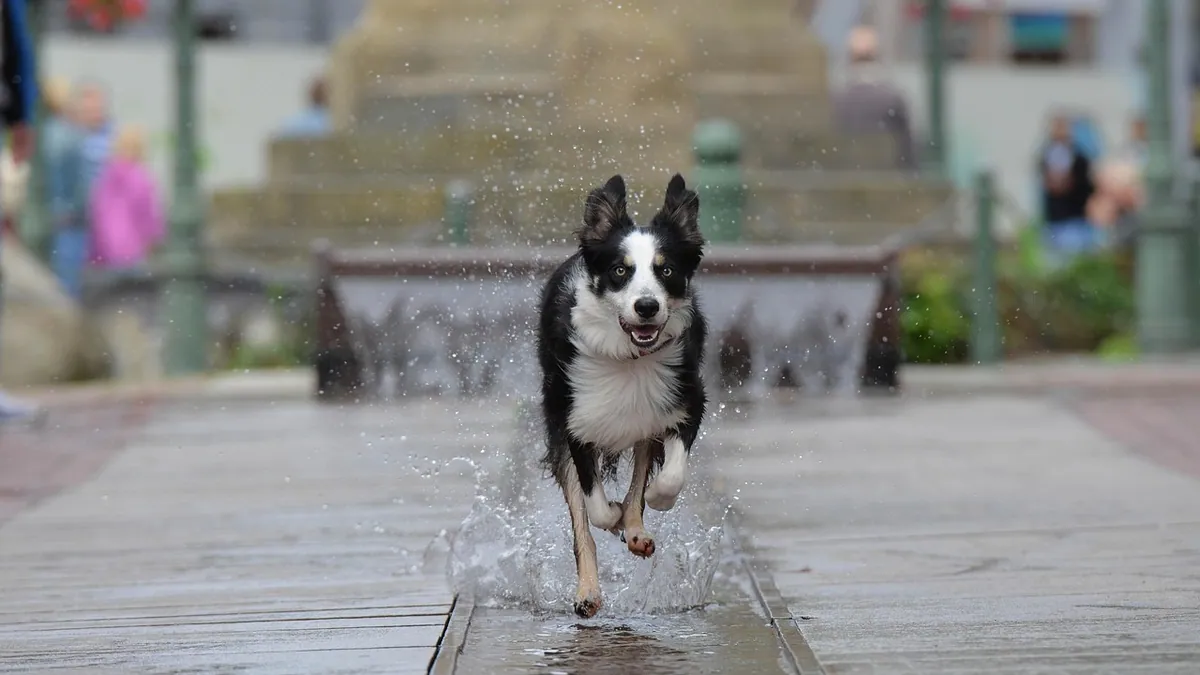
Some dogs take to a dog water drinking fountain in minutes. Others sniff it, back away, and head for the old bowl. The fix is usually patience plus a slow transition, not force.
This article is educational and is not a substitute for veterinary diagnosis or treatment.
Quick Answer
- Most dogs can learn to use a fountain within a few days if you keep their regular bowl available at the same time.
- Dogs lose water mainly through panting, so steady access to fresh water matters most in hot, humid weather [1].
- A fountain only helps if your dog actually drinks more from it. Track bowl levels or fountain volume for a few days to know for sure.
- Never let your dog drink from puddles, ponds, or other unknown water sources, which can cause vomiting, diarrhea, and dehydration [2].
- Clean the fountain on the schedule the manufacturer gives, and refill it daily, the same way you would a bowl [1].
Why Some Dogs Avoid a Dog Water Drinking Fountain
A fountain changes three things at once: sound, motion, and surface. Any one of those can put a dog off.
The pump hums. Water moves and splashes. The drinking surface may be plastic instead of ceramic or stainless steel. A dog with a sensitive nose may also notice a plastic or rubber smell that you cannot detect.
Some dogs are simply cautious about new objects. Puppies and older dogs often need more time. A dog with arthritis or neck pain may also dislike leaning into a fountain basin.
There is also a real preference factor. Research on scented sleeves attached to water bowls found that dogs show individual preferences, and the authors suggest that matching a dog's preference could support hydration, especially for dogs with health conditions [3]. In plain terms, dogs are individuals about water, just like they are about food.
How to Get My Dog to Drink From a Water Fountain: Step by Step
Step 1: Keep the old bowl in place
Do not remove your dog's usual bowl on day one. Set the fountain next to it. Your dog should never have to choose between a strange new object and no water at all.
Step 2: Run the fountain with no pressure
Turn it on and walk away. Let your dog investigate at their own pace. Do not hold your dog over the fountain or push their muzzle toward the water.
Step 3: Make the fountain familiar
Put a few treats near the base. Pet your dog calmly while the fountain runs. If your dog looks worried, turn the fountain off for a few hours and try again later.
Step 4: Try a shallow fill at first
Some dogs dislike water moving right at their face. A lower water level and a gentler flow setting can help. If your fountain has a low setting, use it for the first week.
Step 5: Add a familiar cue
If your dog already drinks on command or comes to a certain spot for water, use that same word or gesture at the fountain. Keep it light and reward any interest, even a sniff.
Step 6: Give it a fair trial
Most dogs adjust within a few days. If your dog is still avoiding the fountain after a week and drinking normally from the bowl, that is fine. Some dogs never prefer fountains, and that is not a medical problem on its own.
Step 7: Watch the actual numbers
This is the part most owners skip. Mark the fill line on your fountain reservoir with a piece of tape. Check it at the same time each day. If the level drops faster than it did with the bowl, the fountain is working. If it drops slower, it is not.
Do Dogs Drink More From Fountains?
Not automatically. A fountain can encourage drinking because the water moves and stays cooler, and moving water can be more interesting to some dogs. But the evidence for fountains in dogs is limited, and individual preference plays a large role [3].
One thing that clearly affects water intake is diet. In dogs, feeding a fresh food with high moisture content led to higher total daily water consumption (drinking water plus water from food) compared with dry kibble [4]. So if your dog eats dry food, drinking water carries more of the hydration load.
If your dog is not drinking well from any source, read Dog Not Drinking Water: Causes and How to Encourage Hydration before you assume the fountain is the problem.
A 7-Day Transition Schedule
| Day | What to do | What to watch |
|---|---|---|
| 1 | Place the fountain beside the regular bowl. Run it on the lowest setting. | Any sniffing, licking, or pawing at the water |
| 2 | Keep both water sources full. Add a treat near the fountain base. | Whether your dog drinks from either source |
| 3 | Turn the fountain off for a few hours, then on again. | Startle response to the pump sound |
| 4 | Lower the water level slightly. Clean the fountain. | Any change in how often your dog visits |
| 5 | Move the regular bowl a few feet away, still in the same room. | Whether your dog seeks out the fountain |
| 6 | Mark the reservoir fill line with tape. Record the level morning and night. | Daily drop in water level |
| 7 | Decide based on the numbers, not on hope. | Faster drop means success. Slower drop means keep both. |
Best Way to Keep Dog Water Fresh
Freshness is about cleaning and refilling, not about the fountain itself.
- Rinse and refill daily. Make it part of your routine before you leave the house [1].
- Clean the bowl, basin, and pump on the schedule the manufacturer provides. Biofilm builds in pumps and spouts faster than most owners expect.
- Use cool water. Cool fresh water is the standard advice in hot weather [1].
- Add ice cubes to the bowl or reservoir for a refreshing option on hot days [1].
- Offer more than one water station in hot months so your dog always has access [1].
- Never fill a fountain from a garden hose that has been sitting in the sun, and never let your dog drink from standing water outdoors [2].
If you are still comparing models, see Best Cat Dog Water Fountain for what to look for in pump design, noise level, and cleaning access.
Supplies and Setup Details That Matter for Health
Material
Stainless steel and ceramic basins are easier to sanitize than scratched plastic. Deep scratches in plastic hold bacteria even after rinsing.
Pump and cord safety
Keep the cord out of chewing reach. A dog who chews cords is not a good candidate for a plug-in fountain unless you can fully block access.
Placement
Put the fountain where your dog already spends time, not in a hallway corner. Dogs need to know where water is and be able to reach it easily [1].
Noise
A quiet pump matters more than most product listings admit. If your dog flinches at the sound, the fountain will reduce drinking, not increase it.
Capacity
Match the reservoir to your household. Multiple dogs and hot weather both raise daily turnover, and multiple water dishes may be needed in summer [1].
Signs Something Is Wrong
A fountain is a tool, not a treatment. Watch your dog, not just the water level.
- Drinking much more than usual for more than a day or two. This can point to several medical problems. See Why Is My Dog Drinking So Much Water?.
- Drinking a lot while refusing food. See Dog Not Eating but Drinking Water: What to Do.
- Heavy drinking plus head shaking. See Dog Shaking Head And Drinking A Lot Of Water.
- Panting hard, seeking shade, or lying on cool ground in hot weather. Dogs cool themselves by panting and lose water as they do [1]. Heat stroke can happen in any month but is most common in hot, humid conditions, and it needs immediate veterinary care [1].
- Vomiting or diarrhea after drinking from an unknown source outdoors [2].
- Sunken eyes, tacky gums, or unusual tiredness. These suggest dehydration and need a veterinary visit.
Common Mistakes
Removing the old bowl too soon. This is the most common reason a transition fails. Keep both until the fountain is clearly being used.
Assuming more splashing means more drinking. Splash and evaporation can make a reservoir drop without your dog drinking much. Watch your dog at the fountain, not just the water line.
Skipping cleanings. A slimy basin or spout will put many dogs off water entirely.
Forcing the issue. Holding a dog near a fountain or dunking a muzzle creates a lasting aversion. If your dog does not want to go near water, do not force it [2].
Ignoring a real change in thirst. A new fountain does not explain a sudden jump in drinking. That needs a veterinary workup.
Using the fountain as the only water source during hot weather. Multiple water stations are safer in summer [1].
Limitations and When to Contact a Veterinarian
Individual cases need a veterinarian. No article can tell you whether your dog's water intake is normal for their size, diet, and health conditions.
Contact your veterinarian the same day if your dog:
- Drinks far more or far less than usual for more than 24 hours
- Has vomiting or diarrhea that lasts more than a day
- Seems weak, wobbly, or unusually quiet
- Has been drinking from a pond, puddle, or other unknown source [2]
Go to an emergency clinic now if your dog:
- Collapses, has trouble breathing, or has a body temperature you cannot bring down
- Shows signs of heat stroke, including heavy panting, stumbling, or confusion in hot weather [1]
- Has a swollen or painful abdomen along with heavy drinking
- Cannot keep water down at all
Call your regular veterinarian for a routine visit if your dog's drinking habits have changed slowly over weeks, or if you cannot tell whether the fountain is helping. Bring your daily water measurements with you. That record is often more useful than a guess.
If you are worried about toxins in water your dog may have contacted, the Pet Poison Helpline is available at 855-764-7661. For animal poison emergencies, the ASPCA Animal Poison Control Center is available at 888-426-4435. A consultation fee may apply.
Frequently Asked Questions
Do dogs drink more from fountains?
Some do, some do not. Moving water can attract a dog's attention, and individual scent and surface preferences appear to matter, but the research in dogs is still limited [3]. The only reliable test is measuring your own dog's intake over several days.
How long does it take a dog to use a fountain?
Many dogs adjust within a few days when the old bowl stays available. Cautious dogs, puppies, and older dogs may take a week or longer. If your dog is still avoiding it after that, keep both water sources and stop pushing.
Is a fountain better than a bowl for keeping water fresh?
A fountain keeps water moving, which can slow stagnation, but it still needs daily refilling and regular cleaning of the basin and pump. A bowl that you rinse and refill every day is also fresh water [1]. The fountain is not a substitute for cleaning either one.
Can a fountain help a dog who eats dry food?
It might help by making water more appealing, but diet is the bigger factor. Dogs eating a high-moisture fresh food took in more total water than dogs eating dry kibble in one study [4]. If your dog eats dry food, ask your veterinarian whether adding moisture to meals makes sense.
What if my dog drinks from the fountain but still seems thirsty?
Increased thirst that continues despite good water access is a medical sign, not a training problem. Your veterinarian will examine your dog and may run blood and urine tests. Do not wait weeks to see if it settles on its own.
Related Articles
- Best Cat Dog Water Fountain
- Dog Not Drinking Water: Causes and How to Encourage Hydration
- Dog Not Eating but Drinking Water: What to Do
- Dog Shaking Head And Drinking A Lot Of Water
- Why Is My Dog Drinking So Much Water?
- Dog Drinking More Water Than Usual: When to See the Vet
- How to Get Your Dog to Drink More Water (and When Not To)
- How Much Water Should a Dog Drink Daily?
- Is It Safe for Dogs to Drink Toilet Water?
References
- Keeping Your Pets Hydrated. Pet Poison Helpline.
- Pet Water Safety. Pet Poison Helpline.
- Individual preferences for scented water bowls in dogs. Frontiers in veterinary science, 2025.
- Feeding fresh food and providing water ad libitum is clinically proven to exceed calculated daily water requirements and impact urine relative supersaturation in dogs. Frontiers in veterinary science, 2025.