Fat Rabbit: Obesity Risks and Weight Management
By Dr. Zubair Khalid, DVM, MS, PhD ·
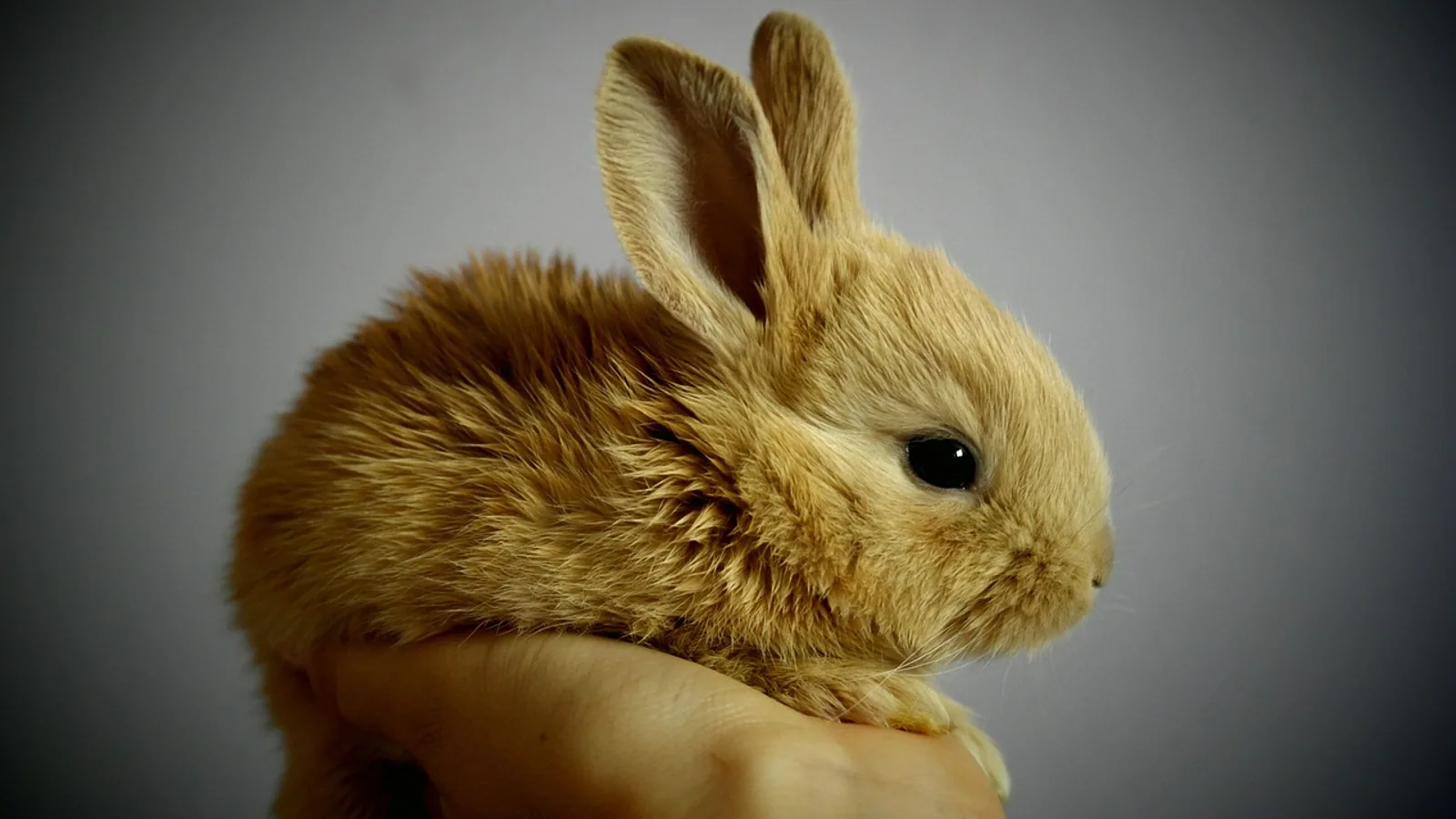
A fat rabbit is not a healthy rabbit. Obesity in pet rabbits is common, under-recognized by owners, and directly linked to cardiovascular disease, glucose intolerance, fatty liver changes, reduced mobility, and a shorter, less comfortable life. The good news is that obesity is reversible in most rabbits through three changes you can start today: score the body condition honestly, cut concentrated calories (pellets and treats) while keeping hay unlimited, and build daily free-roam exercise into the routine. Weight loss must be slow. Rabbits that stop eating, even for a day, can develop fatal hepatic lipidosis, so every diet change has to protect appetite and gut motility.
This article is educational and is not a substitute for veterinary diagnosis or treatment.
At a Glance: The Fat Rabbit Action Plan
| Step | What to do | Why it matters |
|---|---|---|
| 1. Score the body | Use a 1 to 5 scale. Score 3 is ideal. Score 4 to 5 means overweight to obese. | You cannot manage what you have not measured. Body condition score tracks fat, not just weight [1][2]. |
| 2. Set the pellet ration | For a score 4 to 5 rabbit, feed 1/8 to 1/4 cup of plain pellets per 5 lb of body weight per day. | Pellets are calorie-dense and the main driver of weight gain in pet rabbits [2][3]. |
| 3. Make hay unlimited | Offer unlimited timothy or orchard grass hay, refreshed at least twice daily. | Hay is high-fiber and low-calorie. Rabbits on hay-only diets maintained ideal body condition [2]. |
| 4. Cap the treats | Limit fruit to 1 tablespoon per day. No muesli, no seed mixes, no yogurt drops. | Muesli and cereal mixes cause obesity even when hay is available [2][3]. |
| 5. Move the rabbit | Target 2 to 3 hours of free-roam exercise daily, plus foraging toys and ramps. | Activity burns calories and protects joint and gut health. |
| 6. Weigh weekly | Lose 1 to 2 percent of body weight per week, no faster. | Rapid weight loss can trigger hepatic lipidosis. |
| 7. Recheck | Reassess body condition every 2 to 4 weeks and see a veterinarian if the rabbit stops eating. | Early intervention prevents crisis. |
Why a Fat Rabbit Is a Sick Rabbit
Obesity is not a cosmetic issue. It is a metabolic disease with measurable consequences. Experimental rabbit models fed high-fat and high-sugar diets develop the same cluster of problems seen in humans with metabolic syndrome: central obesity, high blood sugar, glucose intolerance, and elevated triglycerides [4][5]. In one controlled study, male rabbits on a high-fat, high-sucrose diet gained more weight, had a higher body mass index, more body fat, higher fasting glucose, and greater glucose intolerance than controls, and they also showed measurable cognitive impairment on learning tests [4]. That last finding is worth pausing on. The metabolic damage from obesity reaches the brain, not just the body.
Vascular health deteriorates early, sometimes before the rabbit looks obviously fat. Rabbits fed a high-fat diet for just six weeks developed glucose intolerance, higher triglycerides, higher C-reactive protein, more visceral fat, and lower HDL cholesterol, along with impaired blood vessel relaxation [6]. A separate model showed that fat feeding raised heart rate within three weeks and increased mean arterial pressure, with leptin and insulin rising sharply during the first weeks of the diet [7]. Another study found that rabbits on a high-fat diet for twelve weeks had higher blood pressure, higher insulin levels, and impaired glucose tolerance that correlated with blood pressure [8].
The liver takes a direct hit. In a diet-induced metabolic syndrome model, rabbits developed a 40 percent increase in hepatocyte (liver cell) area with lipid vacuole accumulation, meaning fat was physically infiltrating liver tissue [5]. This is the same process that makes hepatic lipidosis so dangerous in anorexic rabbits.
Obesity also changes behavior and worsens other diseases. Obese rabbits in one study showed a 28.5 percent reduction in locomotor activity and a 42 percent reduction in exploratory activity compared with normal-weight rabbits [9]. When obese rabbits were also infected with a parasite, the combined effect reduced locomotor activity by 47 percent and exploratory activity by 68 percent, and obese animals carried 86 percent more cysticerci and formed more liver granulomas than normal-weight animals [9]. Obesity weakens the rabbit's ability to fight off concurrent problems.
Owner awareness is poor. In a survey of 351 companion mammal owners, 28 percent of rabbits were overweight (body condition score above 3 out of 5), yet only 20 percent of rabbit owners believed their pet was overweight, and 58 percent had never received husbandry advice from a veterinarian [10]. A separate survey of pet owners and breeders found that most participants considered their animals' body condition normal even though obesity was associated with health problems, and breeders in particular fed less hay and more concentrates than pet owners [3]. The gap between what owners see and what is actually happening to their rabbit is the single biggest barrier to treatment.
Body Condition Scoring: The 1 to 5 Scale
Body condition scoring (BCS) is the practical tool for assessing fat in a rabbit. It is more useful than a scale number because breed size varies widely and a "normal" weight for one rabbit may be obese for another. The five-point Rabbit Size-O-Meter (RSOM) is the most commonly used system, but its reliability has limits. A 2025 validation study found that inter-rater reliability was poor overall (Krippendorff's alpha 0.58), moderate among veterinary professionals (0.72), and weaker among students and laypersons, while intra-rater reliability (the same person scoring the same rabbit again) was substantial to almost perfect (kappa 0.69 to 0.90) [1]. In plain terms: one trained person scoring consistently is reliable, but two different people may disagree. Body condition score also decreases with age and is affected by breed, so a senior rabbit may score lower without being underweight [1].
A follow-up study tested modifications to the scale, including rewording descriptors, expanding from five to nine points, and using single-point anatomical assessments. Expanding to nine points improved overall inter-rater reliability (alpha 0.60 to 0.65), with the highest agreement among experienced raters (0.79) using the revised nine-point scale with detailed descriptors [11]. Single-point assessments generally showed low agreement, except dewlap scoring by veterinary professionals [11]. For owners, the practical takeaway is to use the five-point scale, score your rabbit the same way each time, and have your veterinarian confirm your technique at least once.
How to Feel for Body Condition
Run your hands along the rabbit's spine and ribs, then feel the hips and the base of the tail. Do this standing over the rabbit with gentle pressure, not poking. The table below describes what each score feels like and what to feed.
| Score | Description (what your hands feel) | Feeding adjustment |
|---|---|---|
| 1 (Very thin) | Ribs, spine, and hip bones are sharp and prominent. No fat cover. | Veterinary evaluation needed. Do not restrict food. |
| 2 (Thin) | Ribs and spine easily felt with light pressure. Minimal fat cover. | Increase pellets modestly and investigate underlying cause with a veterinarian. |
| 3 (Ideal) | Ribs palpable under a thin fat layer. Spine smooth, not prominent. Hips rounded. | Maintain current ration. Unlimited hay, 1/4 to 1/2 cup pellets per 5 lb, 1 tbsp fruit max. |
| 4 (Overweight) | Ribs difficult to feel under fat. Spine feels rounded with a fat pad. | Reduce pellets to 1/8 to 1/4 cup per 5 lb per day. Unlimited hay. 1 tbsp fruit max. Increase exercise. |
| 5 (Obese) | Ribs cannot be felt. Spine buried under fat. Prominent fat pads over hips and shoulders. Dewlap may be large. | Reduce pellets to 1/8 cup per 5 lb per day or less under veterinary guidance. Unlimited hay. No fruit until weight improves. Increase exercise gradually. |
Score 3 is the target. A rabbit at score 4 or 5 needs a structured plan, not a crash diet. The study that compared feeding regimes found that rabbits fed muesli only (no hay) had a median body condition score of 4.5 (obese), while rabbits fed hay only had a median score of 3 (ideal) [2]. Rabbits fed extruded pellets with hay or muesli with hay had median scores of 3.5, above ideal, even though their body weights were within the breed standard range [2]. This is the critical lesson: a rabbit can look "normal weight" on a scale and still be over-conditioned. Body condition score, not weight alone, tells you the truth.
The Diet: Step-by-Step Weight Reduction
Step 1: Establish the Hay Baseline
Hay is the foundation of every rabbit diet, and it becomes even more important during weight loss. Offer unlimited timothy or orchard grass hay. Refresh it at least twice daily, and use a rack or manger to keep it clean and off the floor. The hay-only group in the feeding regime study maintained ideal body condition (median score 3), which shows that a high-fiber, low-calorie diet supports healthy weight [2]. Hay also supports dental health and gut motility, both of which matter more, not less, when you are cutting other foods.
Do not switch a rabbit to a lower-quality hay to save money. Dusty or moldy hay causes respiratory and gastrointestinal problems. If your rabbit is picky, try a different cut or a different grass species before giving up.
Step 2: Cut Pellets to the Correct Amount
Pellets are the most common source of excess calories in pet rabbits. For an overweight or obese rabbit (score 4 to 5), feed 1/8 to 1/4 cup of plain pellets per 5 lb of body weight per day. For a 5 lb rabbit, that is 1/8 to 1/4 cup total for the day, not per meal. Split it into two small feedings if your rabbit is food-motivated, so the rabbit has something to look forward to.
Use plain, single-ingredient pellets, not muesli, not seed mixes, not colored extruded blends with added treats. The study comparing feeding regimes found that rabbits on muesli only were 146 percent heavier than hay-only rabbits after nine months, and rabbits on extruded pellets with hay were 125 percent heavier [2]. Even with hay available, muesli and extruded diets drove weight gain. The researchers concluded that feeding muesli without hay should be avoided to prevent obesity [2].
If your rabbit is currently eating unlimited pellets, do not cut to the target amount overnight. Reduce gradually over one to two weeks. A sudden drop in food volume can trigger GI stasis in a rabbit that has been overfed.
Step 3: Limit Treats to 1 Tablespoon of Fruit Per Day
Fruit is sugar. A rabbit at score 4 or 5 should get no more than 1 tablespoon of fruit per day, and many veterinarians recommend removing fruit entirely until the rabbit reaches score 3. Safe fruit options include small pieces of apple, banana, blueberry, or strawberry. Avoid yogurt drops, honey treats, seed sticks, and commercial "rabbit treats," which are calorie bombs with no nutritional value.
Vegetables are a better choice for a rabbit that wants variety. Offer a small handful of dark leafy greens (romaine, cilantro, parsley, kale) daily. These add bulk and moisture without the sugar load of fruit.
Step 4: Transition Slowly and Watch Appetite
Every diet change should happen over 7 to 14 days. Mix old and new food, gradually shifting the ratio. Weigh your rabbit weekly and record the number. If your rabbit stops eating, produces small or no feces, or sits hunched, stop the diet change and contact your veterinarian immediately. Anorexia in a rabbit is a medical emergency because it can lead to hepatic lipidosis.
Research on diet restriction in rabbits shows that a 50 percent restriction reduced final body weight and improved most insulin sensitivity and beta-cell function indexes in castrated male rabbits [12]. That study also found that combining restriction with krill or fish oil supplements produced mixed results, including raised liver enzyme activities in some groups [12]. The practical message is that restriction alone works, and adding supplements is not necessary for weight loss and may introduce risk. Do not add supplements to a weight-loss diet unless your veterinarian recommends them for a specific diagnosis.
Exercise: The Other Half of the Plan
Diet alone can work, but exercise makes weight loss faster, safer, and better for the rabbit's mental health. The goal is 2 to 3 hours of free-roam exercise daily. This means the rabbit is out of the cage or hutch, on the floor, moving at its own pace, with safe areas to explore.
Building an Exercise Routine
Start where your rabbit is. An obese rabbit that has been sedentary may only manage 10 to 15 minutes before lying down. That is fine. Increase by 5 minutes every few days until you reach the target. Split the time into multiple sessions if your rabbit tires easily.
Use foraging toys to encourage movement. A simple cardboard box with hay stuffed inside, a paper bag with a few pellets hidden in it, or a treat ball that releases one pellet at a time all work. The rabbit has to move to eat, which is exactly what you want. Rotate toys weekly so the rabbit does not get bored.
Ramps and low platforms add vertical movement without requiring jumping. A rabbit that is overweight should not be jumping onto high surfaces, because the extra weight stresses joints and the rabbit may land badly. A gentle ramp to a low platform (4 to 6 inches high) lets the rabbit climb and descend safely. Place food and water at opposite ends of the exercise area so the rabbit has to walk between them.
Safety During Exercise
Supervise all free-roam time. Block off electrical cords, houseplants, and small gaps behind furniture. Other pets should be secured. The floor should have traction, not slippery tile or hardwood, because an overweight rabbit is more likely to slip and injure itself.
If your rabbit is reluctant to move, do not force it. Pain from arthritis or dental disease can make a rabbit sedentary, and those conditions need veterinary treatment, not more exercise pressure. A rabbit that suddenly stops moving or shows a change in gait should be examined.
Common Mistakes That Keep Rabbits Fat
The most common mistake is feeding by volume without measuring. A "scoop" of pellets can vary by 50 percent or more depending on how the owner scoops. Use a measuring cup and level it.
The second mistake is believing that a rabbit with unlimited hay cannot be overweight. Hay is necessary, but it does not cancel out excess pellets and treats. The feeding regime study showed that rabbits on extruded pellets with hay still had above-ideal body condition scores [2].
The third mistake is using weight alone to judge progress. Body condition score is the better measure because it reflects fat, not water or muscle. Score your rabbit every two to four weeks and adjust the plan based on the score, not just the scale.
The fourth mistake is cutting food too fast. A rabbit that goes from unlimited pellets to 1/8 cup overnight may stop eating. Slow transitions protect the gut.
The fifth mistake is ignoring the owner-awareness gap. Most owners of overweight rabbits think their rabbit is normal [3][10]. If you are reading this article, you are already ahead. Have your veterinarian confirm your body condition scoring at your next visit.
Welfare and Safety Points
Obesity reduces quality of life. Obese rabbits move less, explore less, and are more vulnerable to concurrent disease [9]. They may be unable to groom themselves properly, which leads to skin problems and flystrike risk in warm weather. They may be unable to reach their cecotropes, leading to nutritional deficiencies.
Never fast a rabbit. Rabbits do not vomit and do not tolerate fasting. Withholding food for even 24 hours can trigger hepatic lipidosis, a condition in which the liver becomes overwhelmed with fat and fails. This is why weight loss must be gradual and why any diet change that causes appetite loss is a medical emergency.
Weight loss should be 1 to 2 percent of body weight per week. For a 5 lb (2.27 kg) rabbit, that is about 0.05 to 0.1 lb (23 to 45 grams) per week. Faster loss risks hepatic lipidosis and muscle wasting. If your rabbit is losing faster than this, increase the pellet ration slightly and reassess.
Do not use human weight-loss drugs, appetite suppressants, or any medication not prescribed by your veterinarian for your rabbit. There is no approved weight-loss drug for rabbits, and human drugs can be toxic.
When to Contact a Veterinarian
Contact a veterinarian before starting a weight-loss plan if your rabbit has any chronic health condition, is pregnant or nursing, is under 6 months old, or has a body condition score of 1 or 2. These rabbits need a different approach.
Contact a veterinarian immediately if your rabbit:
- Stops eating for more than 12 hours
- Produces no feces or very small feces
- Sits hunched with eyes partially closed
- Shows teeth grinding or signs of pain
- Loses weight faster than 2 percent per week
- Becomes weak, wobbly, or unable to rise
- Has difficulty breathing
- Develops a sudden change in gait or stops moving
A veterinarian can assess for dental disease, arthritis, kidney disease, and other conditions that can cause weight changes or make weight loss unsafe. Bloodwork may be recommended to check liver and kidney function before and during a weight-loss plan.
Limitations and When to Contact a Veterinarian
This article provides general guidance based on published research and standard veterinary practice. Individual rabbits vary in metabolism, breed, age, and underlying disease. A weight-loss plan that works for one rabbit may be unsafe for another. Your veterinarian can assess your rabbit's specific condition, confirm your body condition scoring technique, and adjust the plan as needed. Do not delay veterinary care if your rabbit shows signs of illness.
Frequently Asked Questions
How do I know if my rabbit is fat?
Use a 1 to 5 body condition score. Score 3 is ideal, with ribs palpable under a thin fat layer and a smooth spine. Score 4 or 5 means overweight or obese, with ribs difficult or impossible to feel and fat pads over the hips and spine. A 2025 study found that 28 percent of pet rabbits were overweight, but only 20 percent of owners recognized it [10].
How much should I feed an overweight rabbit?
Feed 1/8 to 1/4 cup of plain pellets per 5 lb of body weight per day, unlimited timothy or orchard grass hay, and no more than 1 tablespoon of fruit per day. Reduce pellets gradually over 1 to 2 weeks to protect appetite.
Can I just feed hay to help my rabbit lose weight?
Hay-only feeding maintained ideal body condition in a controlled study [2], but most rabbits need some pellets for balanced nutrition. Work with your veterinarian to determine the right ratio for your rabbit.
How fast should a rabbit lose weight?
Aim for 1 to 2 percent of body weight per week. For a 5 lb rabbit, that is about 0.05 to 0.1 lb per week. Faster loss can cause hepatic lipidosis and muscle wasting.
Is it safe to fast a rabbit to help it lose weight?
No. Never fast a rabbit. Withholding food can trigger hepatic lipidosis, a potentially fatal liver condition. Weight loss must be gradual and should never involve fasting.
What treats can I give a fat rabbit?
Limit fruit to 1 tablespoon per day, or eliminate fruit until the rabbit reaches ideal body condition. Offer small amounts of dark leafy greens instead. Avoid yogurt drops, seed sticks, and commercial treats.
How much exercise does an overweight rabbit need?
Target 2 to 3 hours of free-roam exercise daily. Start with 10 to 15 minutes if your rabbit is sedentary, and increase gradually. Use foraging toys, ramps, and low platforms to encourage movement.
Can obesity cause other health problems in rabbits?
Yes. Obesity in rabbits is linked to glucose intolerance, high triglycerides, cardiovascular changes, fatty liver changes, reduced mobility, and increased susceptibility to concurrent disease [4][6][9][5]. Weight management is a core part of preventive care.
Related Articles
- Pet Obesity Risk
- How To Help A Fat Cat Lose Weight
- Hedgehog Care: Obesity wheel exercise and weight management
- Pet Weight Management: Obesity Prevention and Healthy Weight Loss Plans
- Raising Meat Rabbits From Weaning to Processing Weight
- Can Dogs Eat Avocado? Persin Poisoning & Fat Risks
- Dutch Lop Rabbits: Care, Diet, and Health Guide
- Lop-Eared Bunny Care: Breeds, Ears, and Health
- Tularemia (Rabbit Fever): Symptoms and Transmission
Sources
- Reliability of body condition scoring using the Rabbit Size-O-Meter in companion rabbits (Oryctolagus cuniculus).
- Bodyweight and body condition score in rabbits on four different feeding regimes.
- Differences in Feeding Management of Pet Rabbits by Owners and Hobby Breeders and Their Impact on Animals' Health: A Survey.
- Retarded Learning in a Rabbit Model of Metabolic Syndrome Created by Long-Term Feeding of High-Fat Diet and High Sucrose.
- Development and characterization of an experimental model of diet-induced metabolic syndrome in rabbit.
- High fat diet-induced metabolically obese and normal weight rabbit model shows early vascular dysfunction: mechanisms involved.
- Progression of cardiovascular and endocrine dysfunction in a rabbit model of obesity.
- Vascular hyporeactivity to angiotensin II and noradrenaline in a rabbit model of obesity.
- Influence of the interaction between cysticercosis and obesity on rabbit behavior and productive parameters.
- Prevalence and awareness of obesity and related husbandry practices in Estonian rabbits, guinea pigs, and rats.
- Modification and expansion of existing body condition scoring scales for rabbits (Oryctolagus cuniculus) improves inter-rater reliability when used by experienced raters.
- Diet restriction alone improves glucose tolerance and insulin sensitivity than its coadministration with krill or fish oil in a rabbit model of castration-induced obesity.