Dog Feeding Schedule: How Often to Feed Your Dog or Puppy
By Dr. Zubair Khalid, DVM, MS, PhD ·
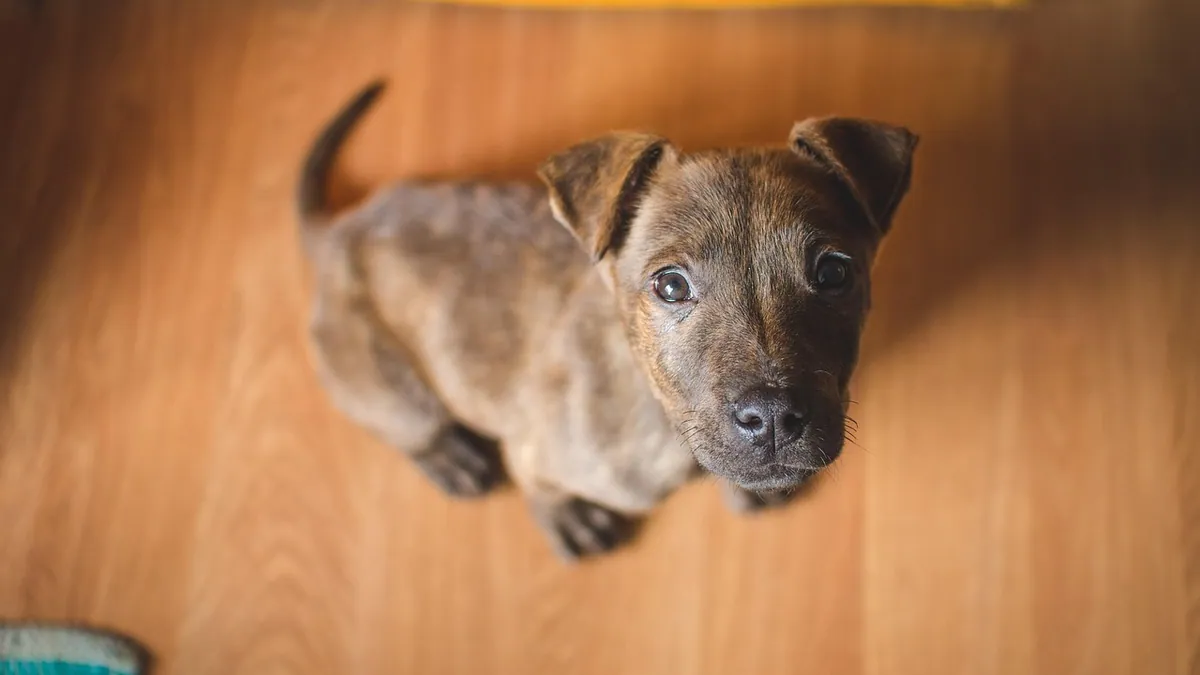
Most puppies need three to four meals a day, and most adult dogs do well with one or two meals at the same times each day. Your dog's age, size, and health shape the exact dog eating schedule that fits. This article is educational and is not a substitute for veterinary diagnosis or treatment.
Quick Answer
- Puppies start solid food around three to four weeks of age and are fully weaned by seven to eight weeks [1].
- Young puppies need several meals a day, and the number of meals drops as they grow [2].
- Adult dogs generally do well with feeding just once or twice a day [2].
- Most dogs reach adulthood at 9 to 12 months, but large and giant breeds can take almost 2 years [2].
- Feed measured meals at set times instead of leaving food out all day, because free feeding is linked to excess body weight [3].
How to Build a Dog Eating Schedule Step by Step
Step 1: Set the number of meals by life stage
Puppies must be fed several times a day when they are young to keep up with the demands of growing, and that number decreases with age [2]. A common pattern is four meals a day for very young puppies, then three, then two as they approach adulthood. Adult dogs generally do well with feeding just once or twice a day [2].
Step 2: Pick times you can keep every day
Dogs do best on a predictable routine. Choose times that fit your work and sleep schedule, then hold them steady. A simple anchor is to feed at roughly the same hours each morning and evening. If you feed twice a day, spacing meals about 10 to 12 hours apart works well for most households.
Step 3: Measure the food
Use a measuring cup or a kitchen scale, not a scoop and a guess. Ask your veterinarian how many calories your dog needs each day, then divide that by the number of meals. Energy needs vary with neuter status, body condition, age, and body size, so a standard number on a bag may not match your dog [4].
Step 4: Time meals around walks and potty breaks
Puppies usually need to go out soon after eating. Building a feeding and potty routine together makes house training easier. You can read more about timing in our guide to a Dog Potty Training Schedule and Dog Potty Training Time.
Step 5: Adjust as your dog ages
When your puppy becomes an adult, switch from puppy food to adult dog food [2]. The timing of that switch depends on breed size. Our articles on How Long Should Dog Eat Puppy Food and How Long Should A Puppy Eat Puppy Food walk through that decision.
Dog Meal Schedule by Age and Size
The table below is a starting point, not a prescription. Your veterinarian can fine-tune it for your dog.
| Life stage | Meals per day | Typical timing | Notes |
|---|---|---|---|
| Newborn to 4 weeks | Mother's milk only | On demand | No solid food needed during this time [1] |
| 3 to 4 weeks (weaning starts) | 3 to 4 small meals | Morning, midday, afternoon, evening | Puppies generally begin eating puppy food around this age [1] |
| 8 weeks to 3 months | 3 to 4 meals | Spread across the day | Puppies need several meals a day while growing [2] |
| 3 to 6 months | 3 meals | Morning, midday, evening | Reduce gradually as growth slows |
| 6 to 12 months | 2 meals | Morning and evening | Most dogs reach adulthood at 9 to 12 months [2] |
| Adult (small and medium breeds) | 1 to 2 meals | Morning, evening, or both | Adult dogs generally do well with one or two meals a day [2] |
| Adult (large and giant breeds) | 2 meals | Morning and evening | These breeds can take almost 2 years to become adults [2] |
| Senior dogs | 2 meals | Morning and evening | Smaller, more frequent meals often suit older dogs |
Puppy Feeding Schedule Basics
Weaning and first meals
Puppies get complete nutrition from their mother's milk for the first four weeks of life, so there is no need to feed them anything during that time [1]. If the mother is ill, does not produce enough milk, or the puppies are orphans, a commercial milk replacer may be needed, and you should contact your veterinarian for product and feeding recommendations [1].
Weaning should be gradual and ideally complete by seven to eight weeks of age [1]. Puppies can leave their mother at about seven to eight weeks old, and at that point they can feed themselves [2].
Choosing puppy food
Puppies need special puppy food that provides enough calories, fat, protein, vitamins, and minerals for growth [2]. Look for puppy foods with the Association of American Feed Control Officials (AAFCO) label, which means the food meets certain nutritional standards [2].
How often to feed a puppy
Puppies must be fed several times a day when they are young to keep up with the demands of growing, and the number of meals decreases as they age [2]. A young puppy's stomach is small, so large single meals are hard to manage. Smaller, more frequent meals also help keep energy steady through the day.
Adult Dog Feeding Schedule Basics
One meal or two?
Adult dogs generally do well with feeding just once or twice a day [2]. Two meals suit most households because they spread hunger across the day and reduce the chance of a very hungry dog gulping food. One meal a day is fine for some healthy adults, but talk with your veterinarian before switching.
Free feeding versus scheduled meals
Leaving food out all day (free feeding) is a common practice, but a survey of dog owners found that excess body weight was present in 46.7% of dogs, alongside a high frequency of daily snack offerings and some practices that did not match owners' own knowledge about weight risk [3]. Measured meals at set times make it much easier to notice changes in appetite and to control calories.
Treats and snacks
Treats count toward daily calories. If you train with treats, subtract those calories from meals or use part of the daily kibble as rewards. Owners in that same survey recognized the health risks of excess weight, yet snack frequency stayed high, which shows how quickly extras add up [3].
Signs Something Is Wrong With Your Dog's Eating
Watch for changes that last more than a day or two.
- Sudden refusal of food, especially with vomiting or diarrhea
- Eating much faster or slower than usual
- Dropping food, chewing on one side, or bad breath
- Weight loss or weight gain you can see or feel
- Drinking much more or less water than normal
- Repeated vomiting, diarrhea, or a swollen belly
If your dog stops eating but seems otherwise fine, our guide on Dog Not Eating But Acting Normal: When to Wait and When to Call can help you decide what to do next.
Common Mistakes With Dog Meal Schedules
- Free feeding without measuring. This makes it hard to catch appetite changes and easy to overfeed [3].
- Feeding table scraps on top of meals. Extra calories add up fast, and some human foods are unsafe for dogs.
- Changing food suddenly. A gradual transition over several days is easier on the gut.
- Skipping meals to "make up" for treats. This creates an irregular routine and a very hungry dog.
- Ignoring body condition. Owners often underestimate weight problems, even when they know the risks [3].
- Feeding one large meal to a deep-chested breed. Ask your veterinarian about meal splitting for these dogs.
- Assuming all puppy foods are equal. Check for the AAFCO label [2].
Supplies and Setup That Matter for Health
- A measuring cup or kitchen scale. Portion control starts with accurate measurement.
- A food storage container that seals. Keeps kibble fresh and keeps pests out.
- Separate bowls for each dog. In multi-dog homes, this prevents food guarding and lets you track each dog's intake.
- A slow feeder bowl. Helpful for dogs who gulp their food.
- A feeding log or phone note. Track times, amounts, and any changes. This is useful at vet visits.
- A body condition check. Run your hands along your dog's ribs monthly. You should feel ribs easily without seeing them sharply.
Special Health Conditions and Feeding Frequency
Some dogs need a different plan.
Dogs with chronic enteropathy (long-term gut disease) often improve with dietary management, and about 50% of cases in referral practice respond to dietary intervention alone [5]. Success rates improve when multiple systematic diet trials are done, and dogs with a poor response to diet alone should stay on their most effective diet while other treatments are added [5]. Your veterinarian will set the specific diet and feeding plan.
Some dogs with chronic enteropathy are managed with hydrolysed protein diets, sometimes with a probiotic added [6]. These decisions belong with your veterinarian, who will match the diet to your dog's case.
If your dog is overweight, your veterinarian will calculate a daily calorie target based on body condition, muscle mass, neuter status, and life stage, since energy needs vary widely between individual dogs [4].
Limitations and When to Contact a Veterinarian
No schedule fits every dog. Individual cases need a veterinarian who can examine your dog, review the diet, and set a plan for your pet.
Contact your veterinarian the same day if your dog:
- Refuses all food for more than 24 hours
- Vomits repeatedly or has diarrhea for more than a day
- Seems painful when you touch the belly
- Is a puppy under 12 weeks old and stops eating
Go to an emergency clinic now if your dog:
- Has a swollen, hard, or painful abdomen
- Is retching without producing anything
- Collapses, seems weak, or has pale gums
- Ate something toxic or a foreign object
Schedule a routine visit if your dog:
- Has gradual weight gain or loss
- Has bad breath, drooling, or trouble chewing
- Has changed eating habits over weeks
- Needs a diet plan for a health condition
Frequently Asked Questions
Should I feed my dog once or twice a day?
Most healthy adult dogs do well with one or two meals a day. Two meals suit many households because they spread hunger across the day. Ask your veterinarian which pattern fits your dog's size, activity, and health.
What time should I feed my dog?
Pick times you can keep every day, such as early morning and early evening. Dogs do best with a predictable routine. If you feed twice a day, spacing meals about 10 to 12 hours apart works well for most homes.
Can I leave food out all day for my dog?
Free feeding makes it hard to track how much your dog eats and is linked to excess body weight in owner surveys. Measured meals at set times make appetite changes easier to spot. If you must leave food out, talk with your veterinarian first.
How do I switch my puppy to adult food?
Switch when your puppy reaches adulthood, which is usually 9 to 12 months for most dogs but can take almost 2 years for large and giant breeds. Transition gradually over several days by mixing old and new food. Your veterinarian can confirm the right timing for your breed.
What if my dog skips a meal but seems fine?
One skipped meal in an otherwise bright, playful dog is often not urgent. Watch for vomiting, diarrhea, or repeated refusals. If your dog refuses food for more than a day, or is a young puppy, call your veterinarian.
Related Articles
- How Long Should Dog Eat Puppy Food
- How Long Should A Puppy Eat Puppy Food
- Dog Potty Training Schedule
- Dog Potty Training Time
- Dog Not Eating But Acting Normal: When to Wait and When to Call
- Dog Vaccine Schedule Puppy
- Dog Feeding Schedule by Age: Chart and Timing Tips
- How Much Should a Dog Eat Per Day?
- What Do Puppies Eat? Feeding Basics for New Owners
References
- Dog Nutrition Tips. ASPCA Animal Poison Control Center.
- Puppy Care - Dog Owners. Merck Veterinary Manual.
- Self-reported knowledge and practices of dog owners regarding canine overweight: a cross-sectional questionnaire survey. Topics in companion animal medicine, 2026.
- Retrospective Study of Energy Requirement Recommendations for Dogs in a Brazilian Veterinary Hospital (2013-2025). Animals : an open access journal from MDPI, 2025.
- Dietary management of normoalbuminaemic canine chronic enteropathies. The Journal of small animal practice, 2026.
- Clinical and Faecal Outcomes in Adult Dogs with Chronic Enteropathy Fed an Hydrolysed Protein Diet with and Without Bacillus velezensis DSM 15544: A Randomised, Double-Blind, Cross-Over Trial. Animals : an open access journal from MDPI, 2026.