Cat Feeding Schedule by Age: How Many Meals a Day?
By Dr. Zubair Khalid, DVM, MS, PhD ·
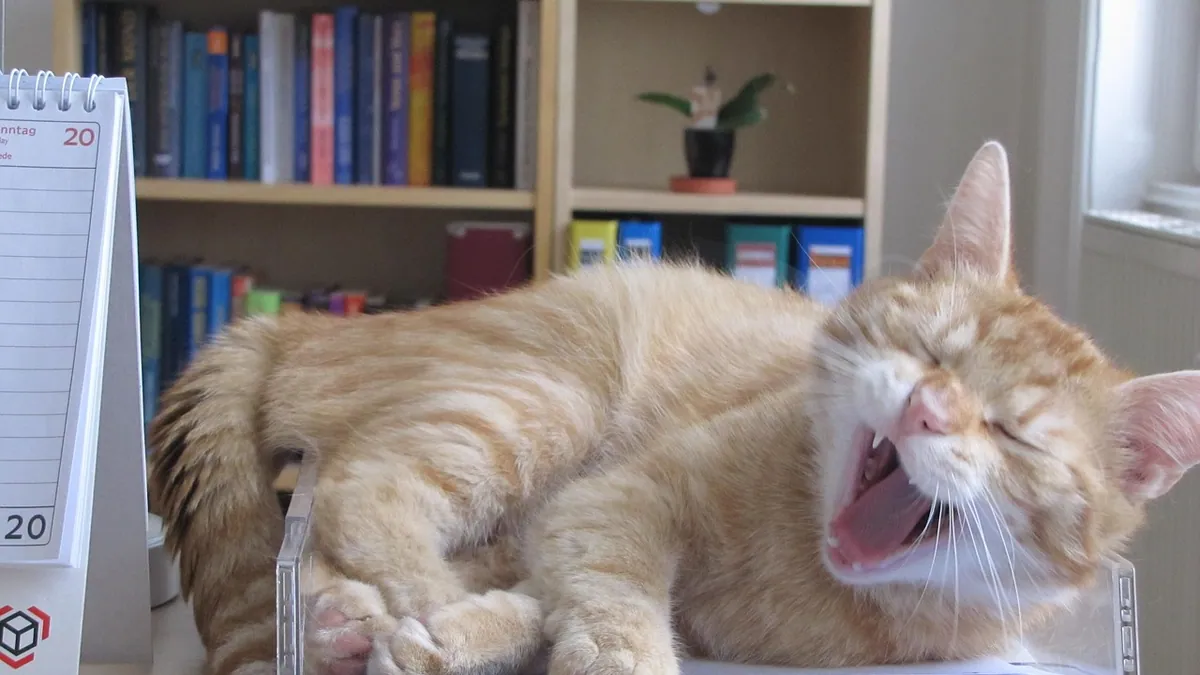
How often you feed your cat depends mostly on age. Kittens need three or more meals a day to fuel growth, most healthy adults do well with one or two meals, and many senior cats eat better when food is offered in small, frequent portions [1][2]. A cat feeding schedule by age gives you a starting point, then you adjust for body condition, health problems, and how your individual cat eats.
This article is educational and is not a substitute for veterinary diagnosis or treatment.
Quick Answer
- Kittens under 6 months: three meals a day is the usual recommendation, and very young kittens may need four [1].
- Kittens 6 to 12 months: twice daily feeding is generally best [1].
- Adult cats (about 1 to 10 years): once or twice a day is appropriate in most cases [1].
- Senior cats (10 years and older): keep the same routine unless your veterinarian instructs otherwise, though many aging cats naturally prefer small frequent meals [1][2].
- Fresh, clean water should be available at all times, and supplements should never be given without your veterinarian's approval [3].
How to Build a Cat Feeding Schedule by Age
Start with the meal count for your cat's life stage, then set times you can keep every day. Cats are creatures of habit, and a predictable routine supports normal feeding behavior [4].
Step 1: Pick the number of meals
Use the age ranges above as your default. Cornell's guidance is straightforward: kittens under six months do best with three meals a day, kittens six months to a year with two, and adults with one or two [1]. If your adult cat gulps food, begs constantly, or vomits after meals, your veterinarian may suggest splitting the same daily calories into more meals.
Step 2: Choose consistent times
Cats have a natural crepuscular rhythm, meaning they tend to eat around dawn and dusk [2]. Many owners find that a morning meal and an evening meal fit this pattern well. If you feed three or four meals, space them evenly across the day, for example early morning, midday, and evening, with a fourth meal before bed for very young kittens.
Step 3: Measure portions by calories, not scoops
Your cat's daily calorie needs depend on weight, age, and activity. Food labels can help, but label instructions sometimes overestimate what a cat actually needs, which matters given how common feline obesity is [5]. A better approach is to calculate a daily calorie target and divide it by the number of meals. Our Cat Food Calculator: Feline Daily Calories, Feeding Portions, and Clinical Nutrition Guide walks through that math. Your veterinarian can set an exact target for your cat.
Step 4: Decide between wet, dry, or mixed
Food format affects how often cats eat. In a study of 134 healthy aging cats eating freely, cats fed wet food ate more frequently than cats fed dry food, and cats on a mixed wet and dry diet ate more calories per day than cats on wet food alone [2]. If your cat is a nibbler, wet food may suit that style. If you free-feed dry food, measure the total daily amount so you still know the calorie intake.
Step 5: Recheck body condition monthly
Run your hands along your cat's ribs. You should feel them easily under a thin layer of fat. Weigh your cat at home if you can, or ask your vet to weigh at visits. Adjust portions gradually based on trends, not single days.
Cat Feeding Schedule by Age: Comparison Table
| Life stage | Age | Meals per day | Typical timing | Notes |
|---|---|---|---|---|
| Young kitten | Under 6 months | 3, sometimes 4 | Morning, midday, evening, plus bedtime for the youngest | Needs more food per pound of body weight than adults [1] |
| Older kitten | 6 to 12 months | 2 | Morning and evening | Twice daily feeding is generally best [1] |
| Adult | About 1 to 10 years | 1 or 2 | Morning, or morning and evening | Once or twice daily is appropriate in most cases [1] |
| Senior | 10 years and older | Same as before, unless your vet changes it | Keep the existing routine | Many aging cats eat small frequent meals on their own [1][2] |
How Many Meals a Day for Kittens?
Kittens grow fast and burn a lot of energy. They need more food per pound of body weight than adult cats, which is why they eat more often [1]. Three meals a day works well until about six months of age [1]. Very young kittens, especially those still nursing or just weaned, often need four smaller meals because their stomachs are small.
By six months, most kittens can move to two meals a day [1]. Watch their body condition through this transition. A kitten that suddenly seems ravenous or starts losing weight may need the extra meal back, and your veterinarian should check for parasites or other problems.
Cat Feeding Schedule 3 Times a Day: Who Needs It?
Three meals a day is the standard for kittens under six months [1]. It also helps some adults. Consider three meals if your cat:
- Vomits bile or foam after long gaps between meals
- Begs intensely or eats very fast
- Is on a weight loss plan and seems hungry between meals
- Has a health condition your veterinarian says requires smaller, more frequent meals
Splitting the same daily calories into three portions does not add calories. It just changes the timing.
Cat Feeding Schedule 4 Times a Day: When It Helps
Four meals a day is common for very young kittens and can help seniors. Aging cats tend to eat small frequent meals, and their feeding frequency varies with diet type [2]. Older cats also face sensory decline, dental pain, and cognitive changes that can reduce how much they eat at one sitting [4]. Smaller, more frequent meals may keep total intake up.
If your senior cat has lost weight or has a chronic condition like kidney disease, ask your veterinarian whether four smaller meals fit better than two larger ones. There are no official nutrition guidelines specific to senior or geriatric cats, so recommendations are often adapted from adult cat requirements and tailored to the individual [6].
Cat Feeding Schedule Times: What Works in Real Homes
The exact clock times matter less than consistency. A practical pattern:
- Two meals: about 7 to 8 a.m. and 6 to 7 p.m.
- Three meals: about 7 a.m., 1 p.m., and 7 p.m.
- Four meals: about 7 a.m., 11 a.m., 3 p.m., and 7 p.m.
If you work away from home, automatic feeders can hold midday meals. For wet food, use a timed feeder with a cold pack or serve wet food only when you are home.
Free-feeding dry food is an option for some adult cats, but it makes portion control harder. If you free-feed, measure how much you put in the bowl each morning so you know the daily total.
Signs Something Is Wrong
Call your veterinarian if you notice:
- Your cat stops eating for more than 24 hours
- Weight loss you can see or feel
- Vomiting or diarrhea that lasts more than a day
- Drooling, dropping food, or chewing on one side (possible dental pain)
- Increased thirst and urination
- Hiding, pacing, or vocalizing around meal times
Not eating is serious in cats. When a cat goes without food, the body mobilizes fat to the liver, and that fat can accumulate faster than the liver can process it, leading to hepatic lipidosis, a potentially life-threatening condition [1]. If your cat has not eaten in a day, or is eating far less than usual, do not wait several days to act. Our guide Cat Not Eating: How Long Is Too Long? explains the timeline, and Cat Not Eating But Acting Normal: How Long Can You Wait? covers the confusing case where your cat seems fine otherwise.
Common Mistakes
Feeding by scoop instead of calories. Two scoops of one food can be very different in calories from two scoops of another. Label feeding instructions are a starting point, and some may overestimate energy needs [5]. Measure in calories when you can.
Changing the schedule too fast. If you need to move from free-feeding to meals, shift gradually over one to two weeks.
Ignoring food format. Wet, dry, and mixed diets produce different eating patterns and different calorie intakes [2]. If you switch formats, recalculate portions.
Assuming seniors need less protein. Older cats have specific needs around energy, protein, fat, and water, but official guidelines for senior cats do not exist, so your veterinarian should guide changes [6].
Adding supplements on your own. Supplements can harm your cat, and they should never be given without a veterinarian's approval [3].
Missing the environment. Feeding problems in older cats often come from sensory decline, chronic pain, cognitive decline, mobility problems, or stress, not from the food itself [4]. A bowl in a quiet, easy-to-reach spot can matter as much as the recipe.
Supplies and Setup That Support Good Eating
- Shallow, wide bowls. Whisker fatigue is a real issue for some cats. Wide bowls let them eat without pressing their whiskers against the sides.
- Separate water stations. Cats should have clean, fresh water at all times [3]. Keep water away from the food bowl if your cat seems reluctant to drink.
- A kitchen scale. Weighing food in grams is more accurate than scooping, and gram-based label instructions tend to align more closely with energy recommendations [5].
- A timed feeder. Useful for midday meals if you are away.
- A raised or tilted bowl. Helpful for senior cats with arthritis or neck stiffness [4].
- A quiet feeding spot. Away from litter boxes, appliances, and other pets.
Limitations and When to Contact a Veterinarian
Every cat is an individual. Meal counts and portions in this article are general guidance, and your veterinarian should set the plan for your cat based on weight, body condition, and health history.
Contact your veterinarian the same day if your cat:
- Has eaten little or nothing for 24 hours
- Is vomiting repeatedly or has diarrhea with lethargy
- Shows sudden weakness, wobbling, or collapse
- Has trouble breathing
Go to an emergency clinic now if your cat:
- Is straining to urinate, especially a male cat, or has not urinated in 12 or more hours
- Is open-mouth breathing or gasping
- Has a seizure or sudden paralysis
- Ate something toxic, such as lilies, antifreeze, or human medication
Schedule a routine visit if your cat:
- Has gradual weight loss or weight gain
- Has bad breath, drooling, or trouble chewing
- Drinks more water than usual
- Is a senior cat who has not had a checkup in the past six months
Senior cats benefit from more frequent wellness visits. Our guide How Often Should My Senior Cat See the Vet? A Schedule for Healthy Aging lays out a schedule, and the Cat Age Calculator: Feline Life Stages, Human Years Equivalence, and Senior Wellness Guide helps you pinpoint your cat's life stage.
Frequently Asked Questions
Should I feed my adult cat once or twice a day?
Once or twice a day is appropriate for most adult cats [1]. Twice daily suits many homes because it spreads calories out and reduces begging. If your cat has a health condition, your veterinarian may recommend a different pattern.
Can I leave dry food out all day?
Free-feeding dry food works for some adult cats, but it makes portion control harder and can lead to weight gain. If you free-feed, measure the daily amount so you know the calorie total, and check body condition monthly.
My senior cat eats a few bites at a time. Is that normal?
Many healthy aging cats eat small frequent meals, and feeding frequency varies with diet type [2]. If your senior cat is maintaining weight and acting well, that pattern can be normal. If weight is dropping, call your veterinarian.
How do I switch my cat from free-feeding to scheduled meals?
Move gradually. Offer measured meals at set times and reduce the amount left out between meals over one to two weeks. If your cat protests loudly, slow the transition further and talk to your veterinarian.
Do kittens need food available at night?
Most kittens do fine with their last meal shortly before your bedtime and the next meal in the morning. Very young kittens may need a nighttime feeding. Ask your veterinarian what fits your kitten's age and weight.
Related Articles
- Cat Food Calculator: Feline Daily Calories, Feeding Portions, and Clinical Nutrition Guide
- Cat Not Eating: How Long Is Too Long?
- How Often Should My Senior Cat See the Vet? A Schedule for Healthy Aging
- Cat Not Eating But Acting Normal: How Long Can You Wait?
- Cat Age Calculator: Feline Life Stages, Human Years Equivalence, and Senior Wellness Guide
- Cat Food
- How Often Should Cats Get Wet Food? A Feeding Schedule
- How Often Should Cats Eat? Feeding, Water, and Litter Habits
- How Long Do Kittens Need Kitten Food?
References
- How often should you feed your cat?. Cornell University College of Veterinary Medicine.
- Twenty-Four-Hour Feeding Patterns of In-Home Healthy Aging Cats Fed Wet, Dry, or a Combination of Wet and Dry Diets Ad Libitum. Animals : an open access journal from MDPI, 2025.
- Feeding Your Cat. Cornell University College of Veterinary Medicine.
- EXPRESS: Beyond the bowl: behavioural, sensory and environmental strategies to support healthy ageing in cats. Journal of feline medicine and surgery, 2026.
- An investigation of feeding instructions on cat food labels in Belgium and comparison with European industry energy intake recommendations. The Veterinary record, 2026.
- EXPRESS: What Goes in the Bowl? Evidence-Based Nutrition for Ageing Domestic Cats. Journal of feline medicine and surgery, 2026.