Why Does My Dog Inhale Food? Slow Feeding and Chewing Help
By Dr. Zubair Khalid, DVM, MS, PhD ·
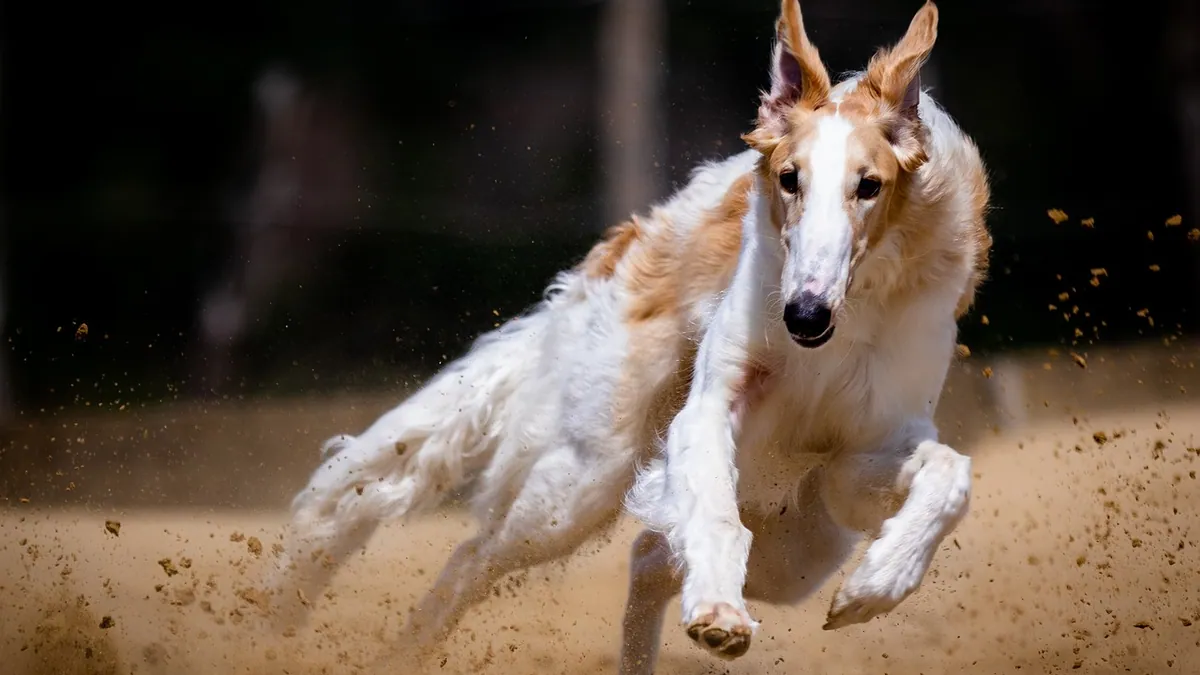
Dogs who inhale food usually learned that eating fast works, or they live with competition, excitement, or a medical problem that drives hunger. To get your dog to chew his food, you slow the meal down with the right bowl, the right food format, and a calm feeding routine. This article is educational and is not a substitute for veterinary diagnosis or treatment.
Quick Answer
- Switch to a slow feeder bowl or scatter the kibble on a snuffle mat so each bite takes effort.
- Feed several small meals instead of one large one, and separate dogs that eat together.
- Hand-feed or toss kibble one piece at a time for a few minutes before the bowl goes down.
- Add water or broth to kibble so your dog has to lap and pause between bites.
- See a veterinarian if fast eating comes with vomiting, retching, a hard swollen belly, weight loss, or a sudden change in appetite.
Why Some Dogs Eat So Fast
Chewing is a learned motor skill, not an instant reflex. Puppies move from suckling to rhythmical chewing as their teeth erupt and their jaw muscles develop, and the timing of that switch varies from dog to dog [1]. The nerves in the tissue around the teeth help set the rhythm of chewing once it starts [2]. A dog who never had to work for food as a puppy may simply never build a slow, steady chewing pattern.
Hunger state also changes behavior. In a scent detection task, dogs who had not eaten breakfast showed more whining and more engagement with the feeder and the apparatus, which is consistent with mild frustration [3]. A hungry dog is a motivated dog, and a motivated dog eats fast.
Then there is the environment. Multiple dogs in one room, a noisy kitchen, or a bowl that gets refilled the moment it empties all teach the same lesson: eat now, eat quickly, or someone else will.
How to Get My Dog to Chew His Food: Step by Step
Step 1: Measure the meal
Use a measuring cup or kitchen scale so you know exactly how much your dog gets. If you split the daily ration into three or four meals, each meal is smaller and there is less to bolt. Ask your veterinarian how many calories your dog needs each day if you are unsure.
Step 2: Change the delivery, not the diet
Start with a slow feeder bowl. These have ridges, mazes, or wells that force your dog to work around obstacles for every mouthful. If your dog is new to one, put a few pieces of kibble in the easy channels first so he does not get frustrated and quit.
If your dog ignores the slow feeder, try these instead:
- Scatter kibble across a snuffle mat or a section of clean floor.
- Put the meal in a food puzzle or a treat-dispensing ball.
- Hand-feed one piece at a time for the first few minutes.
- Toss single pieces across the room so your dog trots between bites.
- Add warm water or low-sodium broth to the bowl so the kibble softens and your dog must lap.
Step 3: Build a calm pre-meal routine
Ask for a sit and a stay before the bowl goes down. Wait a few seconds. Then release. This short pause lowers arousal and gives your dog a job to do before eating. Feed in a quiet room with the door closed if you have more than one pet.
Step 4: Split the meal across the day
Two meals a day is common, but three or four smaller meals work better for a dog who bolts. If you work away from home, use a timed feeder or a frozen stuffed toy for the midday portion.
Step 5: Give chewing an outlet outside meals
Chewing is a natural behavior, and puppies in particular need something appropriate to chew. In one study, puppies were given rubber chew toys, either plain or peanut butter scented with a squeaker, and owners reported on chewing and mouthing at home over a week [4]. The takeaway for owners is simple: provide legal chew items so your dog is not practicing fast eating as his only oral habit.
Step 6: Track it
Write down how long each meal takes for one week. A meal that used to vanish in 30 seconds and now takes four minutes is progress. If nothing changes, that is useful information for your vet visit.
Slow Feeding Schedule and Setup Checklist
| Time of day | What to do | Why it helps |
|---|---|---|
| Morning | Measure the ration, feed half in a slow feeder | Smaller portions and obstacles slow each bite |
| Midday | Frozen stuffed toy or puzzle with part of the ration | Adds chewing time while you are away |
| Evening | Second half of the ration, scatter fed or hand fed | Breaks the bowl-equals-bolt habit |
| After meals | Pick up bowls, offer a chew toy | Redirects oral behavior to an appropriate item |
| Weekly | Weigh your dog and check body condition | Fast eating plus weight change needs a vet visit |
Setup checklist:
- A slow feeder bowl sized to your dog's muzzle, not too deep for flat-faced breeds.
- A snuffle mat or a towel you can roll kibble into.
- One or two food puzzles that match your dog's skill level.
- A quiet feeding spot away from other pets and foot traffic.
- A kitchen scale or measuring cup for accurate portions.
- Fresh water available at all times.
If your dog is also turning his nose up at meals, that is a different problem. See Why Is My Dog Not Eating? for help sorting appetite changes from picky eating.
Signs That Something Is Wrong
Fast eating is sometimes just a habit. Sometimes it is a symptom.
Watch for these signs:
- Vomiting right after meals, especially if food comes up whole.
- Retching or unproductive gagging.
- A belly that looks swollen, feels tight, or sounds hollow when tapped.
- Pacing, drooling, or restlessness after eating.
- Weight loss or weight gain you did not plan.
- Eating non-food items, which can point to a nutritional or behavioral problem.
- Sudden onset of fast eating in a dog who used to eat slowly.
Large, deep-chested breeds are at higher risk for bloat, which is a life-threatening emergency. If your dog has a distended abdomen, is retching without producing anything, or is collapsing, go to an emergency clinic immediately.
Dental pain can also change how a dog eats. If your dog chews on one side, drops food, or has terrible breath, read Dog Bad Breath Caused By Food and Dog Food That Causes Bad Breath to see what is worth mentioning at your next exam.
Common Mistakes Owners Make
Free-feeding a bolter. Leaving food out all day does not slow most dogs down. It usually means the bowl gets emptied in one or two fast sessions.
Using a slow feeder that is too hard. If your dog gives up, paws the bowl across the floor, or gets frustrated, the design is wrong for him. Try a shallower maze or scatter feeding instead.
Feeding all dogs together. Competition is one of the most common reasons a dog eats too fast. Feed in separate rooms or use baby gates.
Adding a lot of high-value toppers. Extra fat and calories can add up. If you add broth, keep it low sodium and count it toward the daily ration.
Ignoring the vet because the dog seems fine. A dog can eat fast and still be losing weight, which points to a medical cause. Fast eating plus any of the red flags above deserves an exam.
Punishing the behavior. Scolding a dog for eating fast does not teach chewing. It raises stress at mealtime, which can make bolting worse.
Assuming all chewing is bad chewing. Chewing is normal and needed. The goal is to direct it to safe items. If your dog chews his paws instead of toys, that is a separate problem covered in Dog Chewing Paws Until Raw.
Supplies and Setup That Actually Matter
The bowl matters more than most owners expect. A slow feeder with shallow ridges works for flat-faced breeds and small dogs. A deeper maze works for dogs with long muzzles. Wash it after every meal, since trapped kibble and saliva get stale fast.
Food puzzles come in levels. Start easy and move up only when your dog finishes in under a few minutes. A puzzle that is too hard can cause the same frustration seen in hungry dogs during demanding tasks [3].
Chew toys are not a substitute for meals, but they do give your dog an outlet for natural oral behavior. In the puppy study, rubber chew toys were used in short five-minute observation sessions and then provided at home for a week, with owners reporting on chewing and mouthing frequency [4]. Rotate two or three toys so your dog does not get bored with the same one.
If your dog has dental disease, a hard chew can hurt. Ask your veterinarian which textures are safe for your dog's mouth before you buy anything.
For dogs who gulp water as well as food, use a shallow water bowl or a water bottle with a narrow spout. Drinking fast can lead to vomiting too.
Limitations and When to Contact a Veterinarian
No article can tell you whether your dog's fast eating is behavioral or medical. That takes a hands-on exam, a weight history, and sometimes bloodwork or imaging. Individual cases need a veterinarian.
Call your veterinarian the same day if your dog:
- Vomits after most meals for more than a day.
- Refuses food after eating fast for several days.
- Has diarrhea along with the fast eating.
- Seems painful around the mouth or jaw.
- Is losing weight despite a normal or increased appetite.
Go to an emergency clinic now if your dog:
- Has a hard, swollen, or painful abdomen.
- Retches or gags without bringing anything up.
- Collapses, pants heavily, or has pale gums.
- Has trouble breathing.
- Swallowed a toy, bone, or object that could block the gut.
Schedule a routine visit if your dog:
- Has always eaten fast but is otherwise healthy, and you want a feeding plan.
- Needs a dental check before you add hard chews.
- Has a sudden change in eating speed with no other symptoms.
If your dog stops eating altogether, use My Dog Won't Eat: When to Worry to decide how quickly to call.
Frequently Asked Questions
Does a slow feeder really work?
Yes, for most dogs. A slow feeder forces your dog to work around obstacles for each bite, which stretches a meal from seconds to minutes. Some dogs adapt within a day, and others need a few tries with an easier design first.
Should I wet my dog's kibble to slow him down?
Wetting kibble can help because your dog has to lap and pause between bites. Use warm water or low-sodium broth and count any added calories toward the daily ration. Do not leave wet food out for hours, since it spoils faster than dry kibble.
Can fast eating cause bloat in dogs?
Fast eating is one risk factor for bloat, especially in large, deep-chested breeds. Bloat is an emergency, so a swollen belly, retching, or collapse means a trip to the vet right away. Slower meals and smaller portions lower some of the risk but do not remove it.
My dog eats fast but seems healthy. Do I still need a vet visit?
A routine visit is reasonable if the fast eating is new, if your dog is losing weight, or if you want a feeding plan. If your dog has always eaten this way and has no other symptoms, you can start with slow feeding at home and mention it at the next exam.
Will my dog chew more if I hand-feed him?
Hand-feeding often slows a dog down because each piece is delivered one at a time. It also builds focus on you instead of the bowl. Use it for part of the meal, then switch to a slow feeder or puzzle for the rest.
Related Articles
- Why Is My Dog Not Eating?
- Dog Bad Breath Caused By Food
- My Dog Won't Eat: When to Worry
- Dog Food That Causes Bad Breath
- Dog Chewing Paws Until Raw
- Dog Not Eating But Acting Normal: When to Wait and When to Call
- Why Does My Puppy Eat So Fast? Risks and How to Slow It Down
- Why Does My Dog Drink Water So Fast? How to Slow Them Down
- How Do Dogs Eat? Speed, Bones, and Normal Habits
References
- Development of masticatory muscles and oral behavior from suckling to chewing in dogs. Comparative biochemistry and physiology. A, Comparative physiology, 1991.
- A role of periodontal sensation in development of rhythmical chewing in dogs. Comparative biochemistry and physiology. Comparative physiology, 1994.
- Effects of feeding on dogs' frustration-related behaviours during a laboratory-based scent detection task. Behavioural processes, 2026.
- To chew or not to chew? Exploring the influence of scented chew toys on puppy chewing. Frontiers in behavioral neuroscience, 2025.