Why Does My Puppy Eat So Fast? Risks and How to Slow It Down
By Dr. Zubair Khalid, DVM, MS, PhD ·
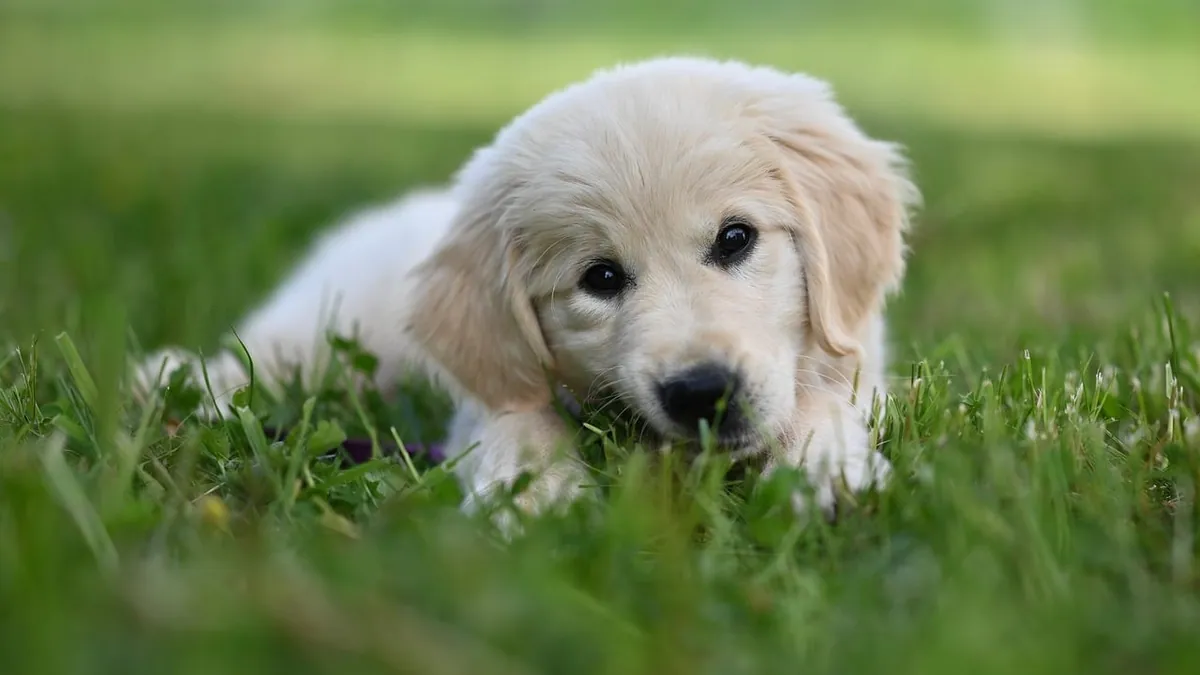
If your puppy eats too fast, the most common reasons are competition with littermates, a feeding schedule that leaves long gaps between meals, and the simple fact that puppies explore the world with their mouths. Most cases are behavioral and easy to improve with a few changes at home. A smaller number of puppies bolt food because of a medical problem, so it helps to know what to watch for.
This article is educational and is not a substitute for veterinary diagnosis or treatment.
Quick Answer
- Fast eating is normal in many puppies, especially those from large litters or shelters where food was scarce or shared.
- The main risks are swallowing air (aerophagia), vomiting right after meals, gas, and in deep-chested breeds, a life-threatening stomach twist called gastric dilatation-volvulus (GDV).
- Aerophagia was the strongest predisposing risk factor for gastric dilatation in one study of Irish setters, with an unadjusted odds ratio of 12.44 [1].
- Feeding once daily was also linked to higher risk in that same study, with an adjusted odds ratio of 2.90, so splitting meals into two or three smaller portions is a reasonable first step [1].
- Slow feeders, food puzzles, and scatter feeding are safe, low-cost tools you can start using at the next meal.
Why Does My Puppy Eat So Fast?
Normal reasons puppies gulp food
Puppies are wired to eat quickly. In a litter, the puppy who lingers over the bowl may lose the meal to a sibling. That instinct does not disappear when your puppy comes home to a quiet kitchen with a full bowl.
Puppies also have small stomachs and high energy needs, so hunger comes on fast. If you feed two meals a day with a long overnight gap, your puppy may hit the bowl genuinely ravenous. Some puppies simply enjoy eating and get excited the moment they hear the kibble hit the bowl.
Breed can play a role too. Some breeds are famously food-motivated, and individual puppies vary a lot in how fast they eat even within the same litter.
When fast eating is a learned habit
Fast eating can become a habit that sticks. If bolting food has ever been rewarded with more food, a second bowl, or a treat to slow the puppy down, the behavior gets reinforced. Puppies who eat next to another pet often speed up because they expect competition, even if none is happening.
Changing the bowl, the location, or the schedule can interrupt the pattern. That is why the practical steps later in this article focus on the environment as much as the puppy.
Medical Causes to Rule Out
Most fast eating is behavioral, but a veterinarian should check for medical reasons, especially if the behavior started suddenly in an older puppy or came with other signs.
Parasites and intestinal disease
Intestinal parasites and chronic enteropathies can reduce how well a puppy absorbs nutrients. A puppy who is not absorbing food well may feel hungry all the time and eat frantically. Dietary management is the cornerstone of treatment for chronic enteropathy in dogs, and about 50% of cases in referral practice respond to diet changes alone [2]. If your puppy eats fast and also has soft stool, weight loss, or a dull coat, ask your veterinarian about stool testing and a diet trial. See Why Is My Dog Losing Weight? for more on that pattern.
Hunger from underfeeding or poor-quality growth diets
Puppies grow fast and need a complete and balanced growth diet in the right amount. If the portion is too small, or the food is not formulated for growth, your puppy may be genuinely hungry between meals. Your veterinarian can check your puppy's body condition score and calculate a daily calorie target based on weight and expected adult size.
Appetite changes from medication or illness
Some medications and illnesses change appetite. Appetite stimulants exist for dogs who will not eat, and one study found that mirtazapine increased food acceptance on the first day in a small group of dogs, with the effect not maintained on the second day [3]. That is the opposite problem from yours, but it shows that appetite is a medical signal worth tracking. If your puppy's eating speed changed along with energy level, vomiting, or diarrhea, book a veterinary visit.
When Fast Eating Becomes a Problem
Gas, vomiting, and stomach upset
Swallowing air during a fast meal can lead to gas, burping, and a bloated-looking belly. Some puppies vomit soon after eating, especially if they drink a lot of water right after dry kibble. Occasional spit-up after a meal is common, but repeated vomiting is not something to ignore.
Bloat and GDV risk
Gastric dilatation-volvulus is the most serious concern. The stomach fills with gas and twists, cutting off blood flow. It is a surgical emergency. In a large prospective study of large and giant breed dogs, the cumulative incidence of GDV during the study was 6% [4]. A newer study of companion dogs found a lifetime prevalence of 0.23% and an incidence of 1.74 per 1,000 dog years at risk [5]. Those numbers are much lower in the general dog population, but the risk is real and higher in certain breeds.
Risk factors identified in that newer study included being purebred, being male, weighing more than 40 kg, having a low body condition score, and being a Poodle or Poodle mix [5]. The same study did not find increased GDV odds linked to fearful or anxious behavior [5]. An earlier Irish setter study found that aerophagia, a single food type, and feeding once daily raised the risk of gastric dilatation [1]. Speed of eating itself was not confirmed as a risk in that study, which is a useful reminder that fast eating is a concern mainly because of the air a puppy swallows, not the speed alone [1].
When it affects weight and growth
A puppy who eats too fast may not chew well, which can reduce digestion. If your puppy is eating fast but still looks thin, or is gaining weight too slowly, that is a reason to see your veterinarian. Growth rate matters in large breed puppies, and both underfeeding and overfeeding can cause problems.
How to Slow Down Puppy Eating: Step by Step
Step 1: Split meals and set a schedule
Feed at least two meals a day, and three or four for very young puppies. In the Irish setter study, feeding once daily was associated with higher odds of gastric dilatation (adjusted odds ratio 2.90) [1]. Smaller, more frequent meals also reduce the frantic hunger that drives gulping.
Keep meal times consistent. Puppies do better with routine, and a predictable schedule lowers the "feast or famine" feeling that fuels fast eating. If you are unsure how long to keep your puppy on growth food, see How Long Should A Puppy Eat Puppy Food.
Step 2: Use a slow feeder or puzzle bowl
Slow feeder bowls have ridges, mazes, or bumps that force your puppy to work around obstacles to reach kibble. Most puppies take several times longer to finish a meal from a slow feeder than from a plain bowl. Start with an easy pattern and move to a harder one as your puppy gets skilled.
Food puzzles and snuffle mats work the same way. They turn a 30-second meal into a five-minute activity, which also provides mental enrichment.
Step 3: Try scatter feeding and hand feeding
Scatter feeding means tossing kibble across a clean floor or a snuffle mat so your puppy has to sniff out each piece. This is one of the easiest ways to slow down puppy eating, and it uses natural foraging behavior.
Hand feeding a portion of the meal also slows things down and builds a positive association with your hands. You can use part of the daily ration as training rewards instead of extra treats.
Step 4: Manage the environment
Feed your puppy alone, in a quiet room, with the door closed if you have other pets. Competition is a major trigger for fast eating, and removing it often helps within days.
Avoid feeding right before or right after vigorous exercise. Let your puppy rest for a while after meals, especially if you have a deep-chested breed.
Step 5: Check the food and portion
Make sure you are feeding a complete and balanced diet formulated for your puppy's life stage and expected adult size. Weigh the food with a kitchen scale instead of using a scoop, since scoop sizes vary a lot. Ask your veterinarian to confirm the daily amount at your next visit.
If your puppy has loose stool or other digestive signs, a diet change may be part of the plan. Chronic enteropathy management often involves systematic diet trials, and response should be documented for each diet tried [2]. For puppies who refuse food instead of bolting it, see Why Is My Dog Not Eating?.
Step 6: Add enrichment outside of meals
A bored puppy often eats fast because mealtime is the highlight of the day. Add walks, training sessions, chew toys, and puzzle feeders between meals. A tired, mentally satisfied puppy is usually a calmer eater.
What Not to Do
Do not punish or startle your puppy
Yelling, grabbing the bowl, or squirting water at a fast-eating puppy does not teach chewing. It teaches fear around food, which can make gulping worse and can lead to food guarding. Never take the bowl away as a punishment.
Do not use myths to guide feeding
A few common ideas do not hold up. Putting a large object in the bowl to force your puppy to eat around it can be a choking hazard, and it does not reliably slow eating. Raising the bowl is sometimes recommended, but it is not a proven fix and may not be safe for dogs at risk of GDV. Adding large amounts of water to kibble can help some puppies, but it can also cause loose stool, so ask your veterinarian first.
Do not assume that a slow feeder alone solves the problem. If your puppy is eating fast because of hunger, competition, or a medical issue, the bowl is only one part of the plan.
Do not ignore repeated vomiting
Vomiting after meals is not something to manage at home with home remedies. Repeated vomiting, a swollen belly, retching without producing anything, or restlessness after a meal are emergency signs. See the section below.
When to Involve Your Veterinarian or a Behavior Professional
Call your veterinarian if
- Your puppy vomits after most meals.
- Your puppy eats fast and is losing weight or not gaining as expected.
- Your puppy has diarrhea, soft stool, or a change in appetite that lasts more than a day.
- Your puppy's belly looks swollen or feels tight after eating.
- Your puppy is a large or giant breed, or a deep-chested breed, and you have concerns about bloat risk.
Ask for a referral if
If your veterinarian has ruled out medical causes and your puppy still shows frantic eating, food guarding, or anxiety around meals, a veterinary behaviorist or a certified behavior professional can help. Look for someone with credentials in applied animal behavior. They can build a plan that addresses the underlying anxiety, not just the speed of eating.
Limitations and When to Contact a Veterinarian
This article covers common patterns, but every puppy is an individual. Your veterinarian needs to examine your puppy, review the diet, and check for medical causes before you make major changes.
Call your veterinarian the same day if your puppy vomits several times, seems painful in the belly, or has a sudden change in appetite or energy.
Go to an emergency clinic immediately if you see a distended or drum-tight belly, unproductive retching, drooling, pacing, collapse, or pale gums. These are signs of GDV, which is a surgical emergency. Do not wait to see if it passes.
For routine concerns about fast eating, weight, or diet, book a normal appointment. Bring a note of what you feed, how much, how often, and how fast your puppy eats, plus any vomiting or stool changes. That information helps your veterinarian sort out behavioral fast eating from a medical problem.
Frequently Asked Questions
Is it normal for a puppy to eat fast?
Yes, fast eating is common and usually normal in puppies. Litter competition, hunger, and excitement all drive it. It becomes a concern when it causes vomiting, gas, or weight problems, or when your puppy is a breed at higher risk for bloat.
Can fast eating cause bloat in puppies?
Fast eating can increase how much air a puppy swallows, and aerophagia was the strongest predisposing risk factor for gastric dilatation in one breed study [1]. Bloat and GDV are more common in older large and giant breed dogs, but the habit can start young. If you have a deep-chested breed, talk to your veterinarian about risk and feeding strategy.
Do slow feeder bowls really work?
Yes, for most puppies. Slow feeders, puzzle bowls, and snuffle mats make eating take longer and add mental enrichment. They work best when combined with smaller, more frequent meals and a calm feeding environment.
Should I feed my puppy once or twice a day?
Feed at least twice a day, and three or four times a day for young puppies. Feeding once daily was linked to higher odds of gastric dilatation in one study [1]. Smaller meals also reduce the intense hunger that leads to gulping.
When should I worry about my puppy eating too fast?
Worry if your puppy vomits after meals, has a swollen belly, is losing weight, or seems uncomfortable after eating. Get emergency care right away for a distended belly, unproductive retching, or collapse. For milder concerns, call your veterinarian for advice.
Related Articles
- How Long Should A Puppy Eat Puppy Food
- Why Is My Dog Losing Weight?
- How Long Should Dog Eat Puppy Food
- Why Does My Dog Eat Poop?
- Why Is My Dog Not Eating?
- Why Is My Dog's Stomach So Bloated And Hard
- Why Does My Dog Inhale Food? Slow Feeding and Chewing Help
- Why Does My Dog Drink Water So Fast? How to Slow Them Down
- Why Is My Puppy Always Hungry? Causes and When to Worry
References
- Risk factors for gastric dilatation in Irish setter dogs. The Journal of small animal practice, 1998.
- Dietary management of normoalbuminaemic canine chronic enteropathies. The Journal of small animal practice, 2026.
- Evaluation of the Short-Term Effects of Mirtazapine on Appetite Stimulants in Dogs: A Retrospective Study and a Placebo-Controlled Trial. Animals : an open access journal from MDPI, 2025.
- Non-dietary risk factors for gastric dilatation-volvulus in large and giant breed dogs. Journal of the American Veterinary Medical Association, 2000.
- Gastric dilatation-volvulus is associated with Poodle breeds, increased body size, and male sex, but not primary diet type or anxiety in the Dog Aging Project cohort. Journal of the American Veterinary Medical Association, 2026.