Can Dogs Eat Red and Bell Peppers?
By Dr. Zubair Khalid, DVM, MS, PhD ·
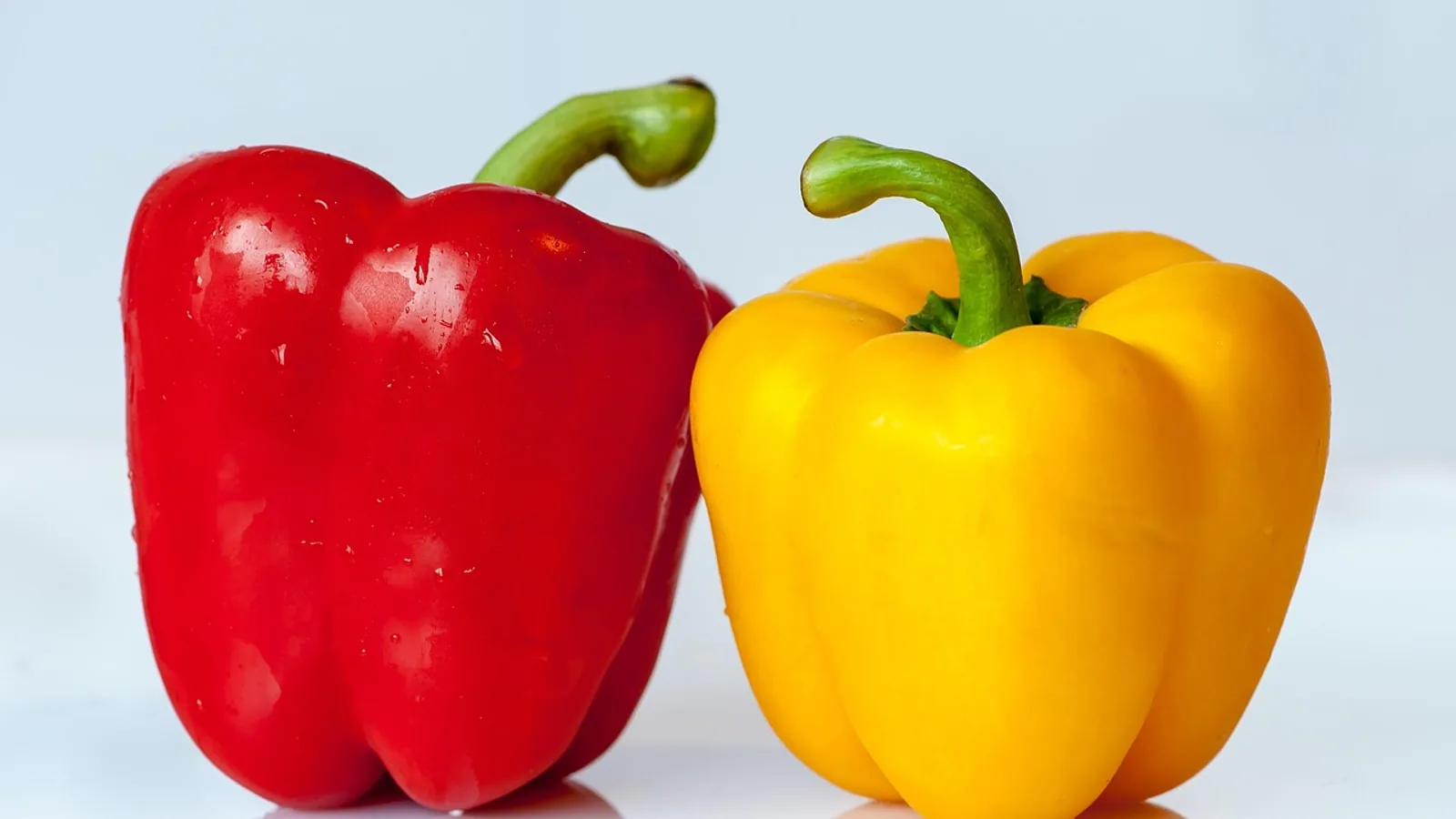
Yes. Dogs can eat bell peppers, including red, green, yellow, and orange varieties. All colors come from the same plant, Capsicum annuum, and none of them are toxic to dogs. The color difference is ripeness, not species. A green bell pepper is an unripe pepper. A red bell pepper is the same pepper left on the plant to fully ripen. Yellow and orange sit between those two stages.
The practical answer is short. Plain, washed, seeded, diced bell pepper is a safe occasional treat for most healthy adult dogs. The details matter more than the yes or no. Bell peppers are not a meal. They are a low-calorie, high-water, high-fiber extra that sits on top of a complete and balanced diet. Feed them raw or cooked plain, never fried, never salted, never stuffed with onion and garlic, and never from a jar or pickle brine.
This guide covers which peppers are safe, how red and green differ, how to prepare them, how much to give a dog of a given body weight, what can go wrong, and when a pepper is a sign of a bigger problem.
This article is educational and is not a substitute for veterinary diagnosis or treatment.
At a Glance
| Question | Short answer |
|---|---|
| Are bell peppers toxic to dogs? | No. Red, green, yellow, and orange bell peppers are non-toxic. |
| Is red different from green? | Same species. Red is ripe, green is unripe. Red is sweeter and higher in vitamin C and beta-carotene. |
| Are hot chili peppers safe? | No. Capsaicin causes mouth pain, drooling, vomiting, and stomach upset. Avoid all hot peppers. |
| Raw or cooked? | Either, as long as it is plain. No oil, butter, salt, onion, garlic, or stuffing. |
| How much for a 10 kg (22 lb) dog? | Start with one or two small diced pieces (roughly 1 to 2 teaspoons). |
| What parts are removed? | Stem, seeds, and the white inner core. Wash the outside first. |
| What forms are unsafe? | Jarred, pickled, roasted in oil, stuffed, sauced, or seasoned peppers. |
| When to call a vet? | Vomiting, diarrhea, lethargy, or any exposure to onion, garlic, or a hot pepper. |
Why Bell Peppers Are Safe for Dogs

.jpg)
The safety question has a simple answer. Bell peppers are not on any veterinary list of toxic foods for dogs. The toxic plants and foods that veterinarians warn about, such as grapes, raisins, onions, garlic, xylitol, and chocolate, work through specific mechanisms. Bell peppers do not share those mechanisms. They are a non-toxic vegetable that appears in home-prepared dog diets.
Home-prepared diets are common and often include vegetables. A large observational study of 1,726 home-prepared dog diets found that meat appeared in about 90 percent of them and vegetables in about 65 percent [1]. That does not mean every home-prepared diet is balanced. The same study found that only about 6 percent of those diets were potentially nutritionally complete by AAFCO adult dog maintenance standards [1]. That finding is the reason a pepper should be treated as a topper, not a foundation. Vegetables like bell pepper add bulk, water, fiber, and some micronutrients. They do not replace a complete diet.
The canine gut can handle plant material. Research on the gut microbiota of dogs fed a natural diet (bones, raw meat, and vegetables) versus a commercial feed showed significantly higher bacterial richness and diversity in the natural diet group, with samples clustering by diet type [2]. That tells us dogs are not strict carnivores in a way that makes vegetables harmful. It does not tell us that any specific vegetable is required. It simply confirms that plant matter passes through the canine digestive tract and interacts with the gut microbiome.
Fiber and fermentable carbohydrates also influence gut health in dogs. Studies of prebiotics and fiber sources in canine diets show that nondigestible carbohydrates can shift fermentation patterns and microbial populations, though results vary by ingredient and dose [3][4]. Bell pepper is mostly water and fiber, so it fits into that general category of low-energy plant additions. It is not a prebiotic supplement. It is a vegetable.
One more point on digestibility. A vegetarian diet study in dogs found that nutrient digestibility was not different when rye was used compared with other carbohydrate sources, and fecal quality stayed well formed and firm [5]. This supports the broader idea that dogs can process a range of plant ingredients without digestive collapse. Again, this is about the diet as a whole, not about bell pepper specifically.
All Bell Pepper Colors Are the Same Species
This is the point most owners get wrong. Red, green, yellow, and orange bell peppers are not different vegetables. They are the same vegetable at different stages of ripeness. The plant is Capsicum annuum. Green peppers are harvested early. Red peppers are left to ripen fully. Yellow and orange are intermediate stages or specific cultivars bred for those colors.
Because the difference is ripeness, the nutritional profile shifts with color. As a pepper ripens from green to red, sugar content rises and the pepper tastes sweeter. Vitamin C and beta-carotene (a precursor to vitamin A) also rise. This is why red bell peppers are the sweetest and green bell peppers are the most bitter and grassy.
For a dog, that ripeness gradient has two practical consequences.
First, red peppers are more palatable. Many dogs will accept a piece of red pepper more readily than a piece of green pepper. That is useful if you are introducing vegetables for the first time.
Second, green peppers may be more likely to cause mild gastrointestinal upset. They contain more of the bitter compounds and less sugar, and some dogs react to them with softer stool or a small amount of vomiting when they eat too much too fast. This is not toxicity. It is a digestive sensitivity, and it usually resolves when the amount is reduced or the pepper is stopped.
The key takeaway is that you do not need to worry about "which pepper is poisonous." None of the standard bell pepper colors are poisonous. You only need to worry about how much you feed, how you prepare it, and whether the dog tolerates it.
Red, Green, and Yellow Bell Peppers Compared
The table below compares the three common colors for toxicity, sugar, vitamin A, and serving size. The sugar and vitamin A entries describe the direction of change with ripeness, not laboratory values. Serving sizes are starting points for a healthy adult dog and should be adjusted for body weight and individual tolerance.
| Feature | Green bell pepper | Yellow bell pepper | Red bell pepper |
|---|---|---|---|
| Species | Capsicum annuum | Capsicum annuum | Capsicum annuum |
| Ripeness | Unripe | Partially ripe | Fully ripe |
| Toxicity to dogs | Non-toxic | Non-toxic | Non-toxic |
| Sugar content | Lowest | Moderate | Highest |
| Vitamin A (as beta-carotene) | Lowest | Moderate | Highest |
| Vitamin C | Lower | Moderate | Higher |
| Flavor | Bitter, grassy | Mildly sweet | Sweetest |
| GI upset risk | Higher if overfed | Moderate | Lower if overfed |
| Starting serving for a 10 kg dog | 1 small diced piece | 1 to 2 small diced pieces | 1 to 2 small diced pieces |
Two cautions apply to every column. First, these are treats, not supplements. A few pieces do not meaningfully change a dog's vitamin A or vitamin C status, and you should not use peppers to treat a diagnosed deficiency. Second, the serving sizes are starting points, not targets. The goal is to find the largest amount your dog tolerates without loose stool, then stay below it.
Hot Chili Peppers Are Not Bell Peppers
Bell peppers and chili peppers are related, but they are not interchangeable. Chili peppers contain capsaicin, the compound that produces heat. Capsaicin binds to pain receptors and causes burning, drooling, pawing at the mouth, vomiting, and stomach upset in dogs. The effect is dose-dependent. A tiny amount of mild chili may cause only drooling. A larger amount of a hot pepper can cause significant distress.
This is the single most important distinction in this article. "Pepper" is not one food. Sweet bell peppers are safe. Hot chili peppers, jalapeños, serranos, habaneros, cayenne, and ghost peppers are not appropriate for dogs. Do not offer them as treats, do not let a dog lick a spicy plate, and do not assume a dog will self-limit. Many dogs will eat spicy food and then suffer for it.
If your dog eats a hot pepper, remove access to the rest, offer fresh water, and call your veterinarian or a pet poison hotline if the dog is vomiting, retching, or distressed. Do not induce vomiting unless a veterinarian tells you to.
How to Prepare Bell Peppers for a Dog
Preparation is where most mistakes happen. The pepper itself is safe. What people put on it or stuff into it is often not.
Follow these steps.
- Choose a fresh, firm pepper. Look for a pepper with tight, glossy skin and no soft spots or mold. A wilted or slimy pepper is not worth feeding.
- Wash the outside thoroughly. Peppers are handled and shipped, and the skin can carry dirt and pesticide residue. Rinse under running water and rub the surface. If you want extra assurance, scrub with a clean produce brush.
- Remove the stem. Cut or twist off the stem and discard it.
- Cut the pepper open and remove the seeds and white core. The seeds and the pale inner ribs are the parts most likely to cause choking or digestive irritation. Scrape them out with a spoon or knife.
- Slice into thin strips, then dice into small pieces. Small pieces reduce choking risk and make the pepper easier to digest. For small dogs, aim for pieces no larger than a pea. For large dogs, a piece the size of a thumbnail is reasonable.
- Serve raw or cooked plain. Raw is fine. If you cook, steam, boil, or bake with no oil, butter, salt, or seasoning. Cooked pepper is softer and easier for some dogs to chew.
- Cool cooked pepper completely before serving. Hot food can burn a dog's mouth and throat.
- Start small. Offer one or two small pieces and wait 24 hours to see how your dog responds.
What to avoid at every step.
- No onion or garlic, in any form, fresh, powdered, or cooked into the pepper.
- No oil, butter, or grease.
- No salt, pepper, or spice blends.
- No stuffed pepper fillings, which usually contain onion, garlic, cheese, rice, and meat.
- No jarred, pickled, or marinated peppers.
- No roasted peppers packed in oil.
- No peppers from a salad bar or takeout container, where cross-contamination with onion and garlic is common.
How Much Bell Pepper Can a Dog Have?
There is no universal safe dose because it depends on the dog's size, age, health status, and individual sensitivity. The practical approach is to start tiny and increase only if the dog tolerates it.
For a 10 kg (about 22 lb) dog, start with one or two small diced pieces, roughly 1 to 2 teaspoons total. That is a starting point, not a daily allowance. If the dog has normal stool and no vomiting or gas after 24 hours, you can offer a slightly larger amount next time. If the stool softens, cut back or stop.
Scale from there by body weight. A 5 kg dog should start with about half of that. A 25 to 30 kg dog can start with a small handful of diced pieces, roughly 1 to 2 tablespoons. These are approximations. The right amount is the amount your dog tolerates without digestive signs.
Treats should stay a small fraction of daily calories. A common veterinary guideline is that treats make up no more than about 10 percent of a dog's daily calorie intake, with the rest coming from a complete and balanced diet. Bell pepper is low in calories, so a few pieces rarely push a dog over that line. The risk is not calories. The risk is that too much pepper displaces the balanced food or triggers diarrhea.
Do not feed bell pepper to a dog with a known sensitive stomach, inflammatory bowel disease, or a history of pancreatitis without asking your veterinarian first. Do not feed it to a dog on a prescription diet without checking whether the diet allows extra items. Some therapeutic diets are designed to be fed exclusively, and adding vegetables can dilute the intended nutrient profile.
Digestive Cautions and Common Mistakes
Most problems with bell pepper are digestive and mild. The most common mistakes are overfeeding and feeding the wrong preparation.
Overfeeding. A dog that eats a large amount of bell pepper at once can develop gas, bloating, loose stool, or vomiting. The fiber and water load is the cause. This is self-limiting in most cases and resolves within a day or two once the pepper is stopped.
Green pepper sensitivity. Some dogs tolerate red pepper but not green. The bitterness and lower sugar content of green pepper may be the trigger. If your dog reacts to green but not red, switch colors or stop altogether.
Seeds and core. Feeding the seeds and white ribs increases the chance of choking and stomach irritation. Remove them.
Seasoned or stuffed peppers. This is the most dangerous mistake. Onion and garlic are toxic to dogs and can damage red blood cells. A stuffed pepper can deliver a meaningful dose of both. If your dog eats a stuffed pepper, call your veterinarian or a pet poison hotline immediately, even if the dog looks fine.
Jarred and pickled peppers. These often contain salt, vinegar, sugar, and sometimes onion or garlic. They are not a safe treat.
Cross-contamination. Peppers chopped on a cutting board used for onion or garlic can carry residue. Use a clean board and knife.
Choking risk. Whole or large chunks of pepper can lodge in the throat, especially in small dogs. Dice small.
Food transitions. If you are changing your dog's main diet at the same time you introduce pepper, you will not know which change caused any digestive upset. A study of abrupt diet transition in dogs found that rapid changes can cause gastrointestinal distress, and that yeast cell wall supplementation tended to improve intestinal health during that transition [6]. The practical lesson is to change one thing at a time. Introduce pepper during a stable feeding period.
Welfare and Safety Points
A few broader principles apply to any new food, including bell pepper.
Introduce one new food at a time. If you add pepper, do not also add a new treat, a new chew, or a new main diet the same week. If something goes wrong, you need to know the cause.
Keep the base diet complete and balanced. The home-prepared diet study found that only about 6 percent of owner-reported home-prepared diets were potentially nutritionally complete [1]. If you feed a home-prepared diet, work with a veterinarian or a board-certified veterinary nutritionist to make sure the recipe meets AAFCO nutrient profiles. Peppers do not fix an unbalanced diet.
Watch body condition, not just weight. Adding treats without adjusting the main diet can slowly increase body condition score. Obesity is a common and serious problem in dogs, and weight management matters for lifespan and health. Research in overweight dogs shows that weight loss diets and targeted interventions can reduce serum lipids and improve metabolic markers [7][8]. If your dog is overweight, keep treats small and account for them.
Respect individual tolerance. Some dogs eat bell pepper with no issue. Others get loose stool from a single piece. Both are normal. There is no prize for feeding a food your dog does not tolerate.
Do not use pepper as a substitute for veterinary care. If your dog has a diagnosed deficiency or a medical condition, treat it with a plan from your veterinarian, not with vegetables.
When a Veterinarian Is Needed
Call your veterinarian if any of the following occur after your dog eats bell pepper or any pepper product.
- Vomiting that continues beyond one or two episodes, or vomiting with blood.
- Diarrhea that lasts more than 24 hours, or diarrhea with blood or black stool.
- Repeated retching or unproductive vomiting.
- Drooling, pawing at the mouth, or signs of mouth pain.
- Lethargy, weakness, or collapse.
- Abdominal pain, a hard or distended belly, or restlessness.
- Any known or suspected exposure to onion, garlic, or a hot chili pepper.
- Any exposure to a stuffed, pickled, or oil-packed pepper product.
- Any reaction in a dog with a chronic gastrointestinal condition, pancreatitis history, or a prescription diet.
If your dog ate a hot pepper and is distressed, call your veterinarian or a pet poison hotline right away. Do not wait for symptoms to worsen.
Limitations and When to Contact a Veterinarian
This article describes general principles for feeding bell peppers to healthy adult dogs. It cannot account for your dog's specific medical history, medications, allergies, or current diet. Dogs with kidney disease, heart disease, diabetes, pancreatitis, inflammatory bowel disease, or food allergies may need different guidance. Puppies, senior dogs, pregnant or nursing dogs, and dogs on prescription diets should be evaluated individually.
Contact your veterinarian before introducing bell pepper if your dog has any chronic condition, is on a therapeutic diet, or has had digestive problems in the past. Contact your veterinarian immediately if your dog shows any of the warning signs listed above. A veterinarian who knows your dog can give specific advice that a general article cannot.
Frequently Asked Questions
Can dogs eat bell peppers?
Yes. Bell peppers are non-toxic to dogs and can be fed as an occasional treat when they are plain, washed, seeded, and diced. They should not replace a complete and balanced diet.
Can dogs eat red peppers?
Yes. Red bell peppers are fully ripe green peppers and are safe for dogs. They are sweeter and higher in vitamin C and beta-carotene than green peppers, which often makes them more palatable.
Can dogs eat green peppers?
Yes. Green bell peppers are unripe peppers and are non-toxic. They are more bitter and may cause more gastrointestinal upset than red or yellow peppers in some dogs.
Can a dog eat a bell pepper every day?
A small amount of plain bell pepper can be offered regularly if your dog tolerates it, but it should stay a minor part of the diet. Treats should not exceed about 10 percent of daily calories, and the base diet should remain complete and balanced.
Are seeds and stems safe for dogs?
No. Remove the stem, seeds, and white inner core before feeding. These parts are harder to digest and increase the risk of choking or stomach irritation.
Can dogs eat cooked bell peppers?
Yes, if they are cooked plain with no oil, butter, salt, onion, garlic, or seasoning. Cool them completely before serving. Jarred, pickled, and oil-packed peppers are not safe.
Are hot chili peppers safe for dogs?
No. Hot peppers contain capsaicin, which causes mouth pain, drooling, vomiting, and stomach upset. Keep all hot peppers and spicy foods away from dogs.
What should I do if my dog ate a stuffed pepper?
Call your veterinarian or a pet poison hotline immediately. Stuffed peppers commonly contain onion and garlic, which are toxic to dogs, and symptoms can be delayed.
Related Articles
- Can Dogs Eat Cayenne Pepper? Capsaicin GI Irritation Guide
- Can Cats Eat Tuna Creations Lemon Pepper
- Can Dogs Eat Strawberries With The Green
- Can Cats Eat Mussels? Green-Lipped Mussel Joint Benefits
- Can Cats Eat Dandelion Greens? Oxalate and Diuretic Effect
- Can Cats Eat Green Tea? Catechin Caffeine Toxicity
- Can Dogs Have Pepper? Black, Bell, and Spicy Types
- Bourbon Red Turkey: Breed Profile and Care
Sources
- Findings from the Dog Aging Project: home-prepared diets for companion dogs feature diverse ingredients, and few are nutritionally complete.
- Differences in the gut microbiota of dogs (Canis lupus familiaris) fed a natural diet or a commercial feed revealed by the Illumina MiSeq platform
- Effect of dietary mannanoligosaccharide supplementation on nutrient digestibility, hindgut fermentation, immune response and antioxidant indices in dogs
- Faecal Microbiota of Dogs Offered a Vegetarian Diet with or without the Supplementation of Feather Meal and either Cornmeal, Rye or Fermented Rye: A Preliminary Study
- Nutrient Digestibility of a Vegetarian Diet with or without the Supplementation of Feather Meal and Either Corn Meal, Fermented Rye or Rye and Its Effect on Fecal Quality in Dogs
- Supplementation of Yeast Cell Wall Fraction Tends to Improve Intestinal Health in Adult Dogs Undergoing an Abrupt Diet Transition
- Effect of a weight loss diet with or without Spirulina supplementation on serum lipids and antioxidant capacity of overweight dogs
- Effect of black ginseng and silkworm supplementation on obesity, the transcriptome, and the gut microbiome of diet-induced overweight dogs