Can Dogs Eat Lettuce? Safe Types and Serving Tips
By Dr. Zubair Khalid, DVM, MS, PhD ·
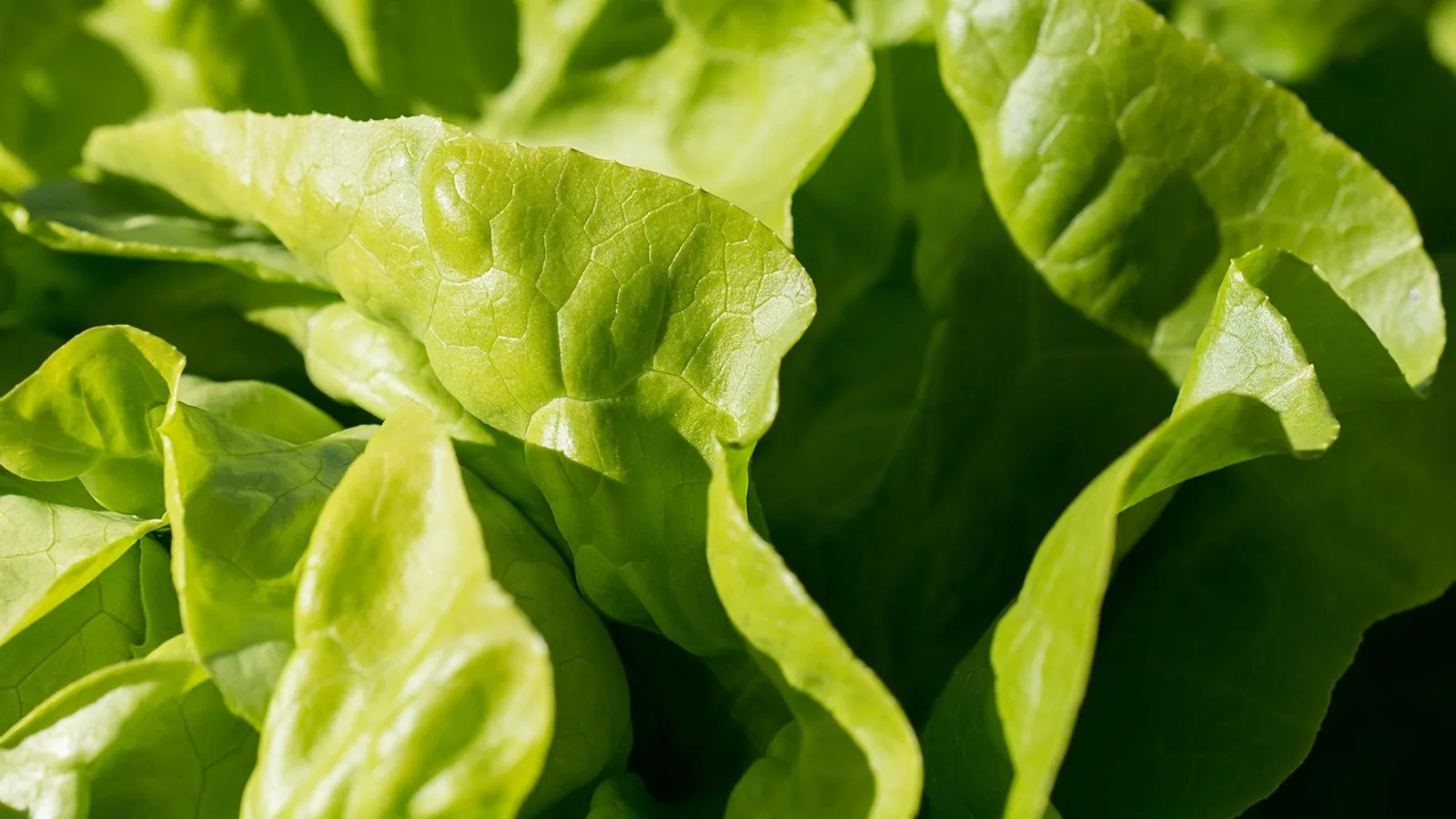
Can dogs eat lettuce? Yes. Plain lettuce is safe for most dogs when it is fed in small amounts. Romaine, iceberg, and butterhead are the common varieties that owners ask about, and all three are non-toxic to dogs. That answer comes with two important qualifiers. First, lettuce delivers very little nutrition. It is mostly water and fiber, so it does not replace any part of a balanced diet. Second, lettuce is only safe when it is plain. Dressings, onions, garlic, and added salt turn a harmless leaf into something a dog should not eat.
This guide explains which lettuce types are safe, which are not, how much to feed a dog of each size, how to reduce choking risk, and what to do when lettuce causes loose stool or gas. It also covers the toppings and salad ingredients that cause most of the real problems. A single leaf of romaine will not hurt a healthy dog. A plate of leftover Caesar salad can.
This article is educational and is not a substitute for veterinary diagnosis or treatment.
At a Glance: Lettuce Safety Checklist
| Question | Short answer |
|---|---|
| Is plain lettuce safe for dogs? | Yes, in small amounts |
| Which types are safe? | Romaine, iceberg, butterhead, leaf lettuce, arugula, spinach (small amounts) |
| Which types are unsafe? | Onion, garlic, chives, leeks, shallots, and any lettuce coated in dressing or salt |
| Is lettuce nutritious for dogs? | No. It is mostly water and fiber with minimal calories |
| How much can a small dog have? | A few small leaves, cut into pieces |
| How much can a large dog have? | Up to a small handful, cut into pieces |
| Main risk? | Choking on large pieces and stomach upset from too much fiber |
| Biggest mistake? | Feeding salad with dressing, onions, garlic, or salt |
Why Lettuce Is Safe, and Why It Still Matters Little
Lettuce is a leaf vegetable with a high water content and a modest amount of fiber. It contains no compounds that are toxic to dogs. That is the core reason plain lettuce is considered safe. Dogs are omnivores with a digestive system that handles plant material, and vegetables are a normal part of what many dogs eat [1][2]. A study of free-ranging canids found that vegetable material made up roughly half of the total dietary mass in stomach contents, which confirms that plant matter is a natural part of the canine family diet [3]. A separate review noted that dogs can obtain essential nutrients from both animal-based and plant-based ingredients [2].
That said, the safety of lettuce is not the same as the value of lettuce. When you ask whether a dog can eat lettuce, the honest answer includes the fact that lettuce contributes almost nothing to a dog's nutritional needs. It is low in calories, low in protein, and low in fat. It offers small amounts of fiber, water, and some phytonutrients. A review of plant-based ingredients and phytonutrients in canine nutrition found that vegetables and fruits supply non-essential compounds that may support health, but the evidence is still developing and these ingredients are not a substitute for a complete diet [2]. Lettuce sits at the low end of that spectrum. It is a safe treat, not a food group.
The bigger picture matters here. A study of home-prepared dog diets found that only 6% of those diets were potentially nutritionally complete by adult dog maintenance standards, even though vegetables appeared in 65% of them [4]. That finding does not mean vegetables are bad. It means owners often build diets around ingredients that feel healthy without meeting a dog's actual nutrient requirements. Lettuce belongs in the treat category. It should never crowd out a complete and balanced food.
Is Lettuce Toxic to Dogs?
No. Plain lettuce is not toxic to dogs. There is no toxin in romaine, iceberg, butterhead, or leaf lettuce that harms dogs. The American Veterinary Medical Association and other veterinary bodies do not list lettuce among foods that are dangerous to pets. The danger comes from what is added to the lettuce, not the lettuce itself.
The unsafe additions are the ones owners overlook most often:
- Onions, garlic, chives, leeks, and shallots. These alliums are toxic to dogs and can damage red blood cells. They appear in many salad dressings and in some mixed greens.
- Salad dressing. Dressings add fat, salt, sugar, and often garlic or onion powder. A high-fat meal can trigger digestive upset and, in sensitive dogs, pancreatitis.
- Added salt. Salt in dressings and seasoning can be harmful in larger amounts.
- Other salad toppings. Croutons, cheese, bacon bits, and candied nuts add fat and calories that a dog does not need.
A dog that eats a leaf of plain romaine is fine. A dog that eats a bowl of dressed salad needs a call to a veterinarian, especially if the dressing contained onion or garlic powder. Symptoms of allium toxicity can be delayed, so a same-day call is the right move even if the dog looks normal.
Safe vs Unsafe Lettuce Types and Toppings
Use this table as a quick reference. The safe column is about the plain vegetable only. The unsafe column covers both lettuce types that should be avoided and the toppings that cause the most harm.
| Category | Safe for dogs | Not safe for dogs |
|---|---|---|
| Lettuce varieties | Romaine, iceberg, butterhead, green leaf, red leaf | None of the common lettuce varieties are toxic on their own |
| Other greens | Arugula, spinach in small amounts, mâche | Mixed spring greens sold with onion or garlic in the blend |
| Alliums | None | Onion, garlic, chives, leeks, shallots, scallions |
| Dressings | None | Ranch, Caesar, vinaigrette, oil-based dressing, blue cheese |
| Toppings | None beyond the plain leaf | Croutons, cheese, bacon bits, candied nuts, fried noodles, deli meat |
| Seasoning | None | Salt, pepper blends, garlic salt, onion powder, seasoning mixes |
| Preparation | Raw, washed, cut into small pieces | Cooked in butter or oil, sautéed, wilted with garlic |
A few notes on the safe column. Spinach is safe in small amounts, but it is higher in oxalates than lettuce, so it belongs in the occasional category rather than the daily one. Arugula is safe and has a peppery taste some dogs enjoy. The mixed greens sold in bags deserve a careful label check because some blends include shredded alliums.
The unsafe column is where most real-world incidents happen. Onion and garlic are the classic toxic ingredients in human salads, and they are easy to miss in a dressing. If you are not sure whether a salad contained alliums, treat it as if it did and call your veterinarian.
How Much Lettuce Can a Dog Eat? Portion Guide by Size
Portion size for lettuce is small by design. Lettuce is a low-calorie food, so the goal is a taste and a bit of crunch, not a meal. The numbers below are starting points for a healthy adult dog. A dog with a sensitive stomach should start smaller.
| Dog size | Approximate body weight | Suggested serving | Notes |
|---|---|---|---|
| Toy and small breeds | Under 20 lb | A few small leaves, torn into thumbnail-sized pieces | One to two leaves is plenty |
| Medium breeds | 20 to 50 lb | A small handful, cut into bite-sized pieces | Two to four leaves |
| Large breeds | 50 to 90 lb | Up to a small handful to a modest handful | Four to six leaves |
| Giant breeds | Over 90 lb | Up to a handful, cut into pieces | Six to eight leaves |
Two rules apply to every size. First, cut the lettuce into small pieces. Second, introduce it slowly. Start with one small piece and see how your dog handles it. If the stool stays normal and there is no gas, you can offer a slightly larger amount next time.
Lettuce should make up a very small share of a dog's daily intake. Treats of any kind, including vegetables, are generally kept to a small fraction of daily calories so they do not unbalance the diet. A complete and balanced commercial food or a properly formulated home diet supplies the nutrients a dog needs. Lettuce does not [4][2].
Serving Tips: How to Prepare Lettuce for a Dog
- Choose a plain variety. Romaine, iceberg, or butterhead are the simplest choices. Skip bagged blends that may contain alliums.
- Wash the leaves. Rinse under running water and pat dry. This removes dirt and reduces the chance of a stomach upset from residue.
- Remove the core. The thick base of romaine and iceberg is firm and can be a choking hazard. Discard it.
- Cut into small pieces. Aim for pieces no larger than a thumbnail for small dogs and no larger than a bite for large dogs. Cutting is the single most effective step against choking.
- Serve raw. Raw lettuce keeps its crunch and its shape. Cooking is unnecessary and cooking with butter, oil, or garlic makes it unsafe.
- Do not add anything. No dressing, no salt, no cheese, no croutons. The leaf is the whole treat.
- Offer it as a treat, not a meal. Put it in the bowl as a topper or hand it as a snack. Do not replace a meal with lettuce.
- Watch the response. Note the stool and any gas over the next day. Adjust the amount or stop if your dog reacts poorly.
A common and useful trick is to freeze small pieces of plain lettuce or to tuck a piece inside a puzzle toy. This slows eating and gives a dog something to work at. It also reduces the chance of a dog gulping a large leaf whole.
Choking Risk and How to Reduce It
Choking is the most practical danger with lettuce, and it is easy to prevent. The risk comes from large, stiff pieces, especially the rib of romaine and the core of iceberg. A dog that gulps food without chewing can swallow a leaf that is too big to pass comfortably. This is more likely in dogs that eat fast, in flat-faced breeds with narrow airways, and in small dogs with small throats.
Signs that a dog is choking include pawing at the mouth, gagging, coughing, drooling, and distress. If a dog can still breathe and cough, keep it calm and call your veterinarian. If the airway is fully blocked, this is an emergency and the dog needs immediate veterinary care.
Steps that reduce choking risk:
- Cut lettuce into pieces sized for your dog.
- Remove the firm core and the thick central rib.
- Avoid feeding whole leaves to small dogs.
- Do not let a dog eat lettuce while excited or while playing.
- Supervise the first few times you offer it.
- Keep the amount small so the dog is not rushed to finish a large portion.
Choking is not the only mechanical concern. A large piece of lettuce can also cause mild gagging or vomiting if it is swallowed whole. Cutting the leaf solves both problems.
Digestive Effects: Loose Stool and Gas
Too much lettuce can cause loose stool or gas. This is the second most common issue owners report, and the cause is fiber and water. Lettuce is high in water and provides fiber that the large intestine ferments. A small amount is usually harmless. A large amount can change stool consistency.
The canine gut responds to fiber in ways that are not always predictable. A study comparing dogs fed raw diets to dogs fed commercial diets found differences in the fecal microbiome and metabolome, and diet composition shifted the amount of fiber and nitrogen-free extract the dogs received [5]. Other work has looked at how plant-based proteins and fiber sources affect digestibility and fecal fermentative end products [6]. The practical takeaway for owners is simple. Fiber affects stool, and lettuce is a fiber source. If your dog is sensitive to fiber, lettuce may soften the stool.
What to do if lettuce causes a problem:
- Stop the lettuce. Remove it for a few days and see if the stool returns to normal.
- Reduce the amount. If you want to keep offering it, cut the portion in half.
- Feed it less often. Once or twice a week is enough for most dogs.
- Watch for blood, mucus, or repeated vomiting. These are not normal and need veterinary attention.
- Do not push through diarrhea. A single soft stool after a new food is common. Ongoing loose stool is not something to ignore.
Gas is usually harmless but unpleasant. If a dog develops frequent gas after lettuce, the simplest fix is to stop feeding it. Lettuce is optional. No dog needs it.
Lettuce and Weight: What the Evidence Does Not Say
Owners sometimes reach for lettuce because it is low in calories. That instinct comes from human dieting, and it does not translate well to dogs. Canine obesity is a real and common concern [7], but the solution is portion control of a complete diet and appropriate exercise, not replacing meals with lettuce. A dog fed lettuce instead of balanced food will miss essential nutrients. The study of home-prepared diets makes this point clearly. Vegetable-heavy home diets were common, yet almost none were nutritionally complete [4].
If your dog needs to lose weight, the right step is a conversation with your veterinarian about a measured, complete diet and an exercise plan. Lettuce can be a low-calorie treat within that plan, but it is not a weight-loss strategy on its own.
What About Other Salad Ingredients?
Owners often feed lettuce as part of a larger salad, and that is where most problems start. Here is how common salad ingredients stack up for dogs.
| Ingredient | Status for dogs | Why |
|---|---|---|
| Plain lettuce | Safe in small amounts | Non-toxic, low calorie, mostly water and fiber |
| Cucumber | Generally safe in small amounts | High water content, no toxicity |
| Carrot | Generally safe in small amounts | Firm texture, cut to reduce choking risk |
| Tomato (ripe) | Generally safe in small amounts | Green parts and leaves are not safe |
| Onion | Not safe | Toxic to red blood cells |
| Garlic | Not safe | Toxic to red blood cells |
| Chives and scallions | Not safe | Same allium family |
| Cheese | Not recommended | High fat and salt |
| Croutons | Not recommended | Processed grains, salt, fat |
| Bacon bits | Not recommended | High fat, high salt, processed |
| Ranch or Caesar dressing | Not safe | Fat, salt, and often garlic or onion |
| Vinaigrette | Not safe | Oil, acid, and often garlic or herbs |
The pattern is consistent. Plain vegetables are usually fine in small amounts. Processed, seasoned, and fatty additions are not. When in doubt, feed the leaf alone.
Does Lettuce Have Any Nutritional Benefit for Dogs?
Lettuce offers water, a small amount of fiber, and trace amounts of vitamins and minerals. It also contains phytonutrients, which are plant compounds that may support health. A review of plant-based ingredients in canine nutrition found that vegetables and fruits provide non-essential phytonutrients with some data suggesting health benefits, including effects on gastrointestinal and immune health [2]. That review also noted that the evidence is still developing and that plant ingredients are part of a balanced diet, not a replacement for it [2].
Vitamins in leafy greens need context. Vitamin A is an example. A study on vitamin A in growing dogs examined the safe upper limit and found that the tolerable range for supplementation is narrower than older recommendations suggested [8]. That finding is about concentrated supplementation, not about a leaf of romaine. Still, it is a reminder that more is not better with vitamins. Lettuce's contribution here is trivial.
The fair summary is that lettuce is safe and may add a bit of fiber and phytonutrients, but it is not a meaningful source of nutrition for a dog. It is a low-calorie treat with a satisfying crunch.
Dogs That Should Skip Lettuce
Some dogs should not be given lettuce, or should only receive it with veterinary guidance.
- Dogs with a history of gastrointestinal disease. Fiber can worsen symptoms in some conditions. Ask your veterinarian first.
- Dogs prone to gas or loose stool. Lettuce may trigger both.
- Dogs that eat too fast or have choked before. The choking risk is higher.
- Flat-faced breeds. Brachycephalic dogs have narrower airways and may struggle more with a large piece.
- Dogs on a prescription or therapeutic diet. Adding any food can unbalance a carefully formulated diet. Ask your veterinarian before adding lettuce.
- Dogs with food allergies or sensitivities. Introduce one new food at a time and watch for reactions.
If your dog falls into any of these groups, a quick call to your veterinary clinic is the safest first step.
Common Mistakes Owners Make
Feeding salad instead of lettuce. The dressing, cheese, and croutons are the problem, not the leaf. Feed plain lettuce only.
Forgetting about alliums in mixed greens. Some bagged blends contain shredded onion or garlic. Read the label.
Giving a whole leaf to a small dog. A whole romaine leaf is large relative to a small dog's throat. Cut it up.
Using lettuce as a meal replacement. Lettuce cannot meet a dog's nutritional needs. Only a complete and balanced diet can [4][2].
Adding salt or seasoning for flavor. Dogs do not need seasoning, and salt can be harmful in quantity.
Assuming more fiber is always better. Fiber affects stool, and too much can cause loose stool or gas [5][6].
Ignoring a bad reaction. A soft stool once is minor. Repeated diarrhea, vomiting, or lethargy needs veterinary care.
Step-by-Step: Introducing Lettuce Safely
- Pick a plain variety such as romaine, iceberg, or butterhead.
- Wash the leaf and pat it dry.
- Remove the core and the thick rib.
- Cut the leaf into small pieces sized for your dog.
- Offer one small piece as a treat.
- Watch for choking, gagging, or distress during eating.
- Check the stool and gas over the next 24 hours.
- If all is normal, you can offer a slightly larger amount next time.
- Keep the total amount small and occasional.
- Stop and call your veterinarian if any problem develops.
Safety and Welfare Points
Feeding lettuce safely is mostly about respecting two limits. The first is nutritional. Lettuce is a treat, not a food group, and it should not displace a complete diet [4][2]. The second is physical. Small pieces reduce choking risk. A treat that causes choking is not a treat.
There is also a handling point. Wash lettuce before feeding it, just as you would for yourself. This reduces dirt and residue. Store cut lettuce in the refrigerator and discard pieces that have wilted or spoiled.
Finally, keep the human salad separate from the dog's bowl. The simplest way to avoid an accidental allium exposure is to never feed from a dressed salad plate. If a dog does get into a dressed salad, call your veterinarian. Do not wait for symptoms.
Limitations and When to Contact a Veterinarian
Lettuce is safe for most healthy dogs in small amounts, but no single article can account for your dog's individual health, diet, and medical history. Contact your veterinarian if any of the following occur.
- Your dog ate lettuce with dressing, onion, garlic, chives, or a large amount of salt.
- Your dog is gagging, coughing, pawing at the mouth, or having trouble breathing after eating.
- Your dog has repeated vomiting, diarrhea, blood in the stool, or mucus in the stool.
- Your dog seems lethargic, in pain, or off its food after eating lettuce or salad.
- Your dog has a known gastrointestinal condition, a prescription diet, or a history of pancreatitis.
- Your dog is a flat-faced breed and shows any sign of airway distress after eating.
- You are unsure how much lettuce your dog ate or what was on it.
When in doubt, call. It is far better to ask a question than to wait on a problem that could have been handled early.
Frequently Asked Questions
Can dogs eat lettuce every day?
Yes, a small amount of plain lettuce can be offered daily, but most dogs do fine with it a few times a week. Keep the portion small so it does not crowd out a complete diet.
Can a dog eat iceberg lettuce?
Yes. Iceberg lettuce is safe for dogs in small amounts. It is mostly water and fiber, so remove the firm core and cut the leaves into small pieces before feeding.
Is romaine lettuce better than iceberg for dogs?
Neither is a meaningful source of nutrition. Romaine has slightly more vitamins and minerals than iceberg, but both are low-calorie treats. Choose whichever your dog tolerates well.
What happens if my dog eats salad with dressing?
Dressing can contain fat, salt, and alliums such as garlic or onion, all of which can harm a dog. Call your veterinarian, especially if the dressing contained onion or garlic powder, and watch for vomiting or diarrhea.
Can lettuce give my dog diarrhea?
Yes, too much lettuce can cause loose stool or gas because of its fiber and water content. Stop the lettuce and let the stool normalize. Call your veterinarian if diarrhea persists or worsens.
Is lettuce a good low-calorie treat for overweight dogs?
Lettuce is low in calories, but it is not a weight-loss plan. If your dog needs to lose weight, ask your veterinarian about a measured complete diet and an exercise plan.
Are onions and garlic in salad dangerous for dogs?
Yes. Onions, garlic, chives, leeks, and shallots are toxic to dogs and can damage red blood cells. Even small amounts in a dressing can be a problem, so call your veterinarian.
How do I stop my dog from choking on lettuce?
Cut the lettuce into small pieces, remove the core and thick rib, and supervise your dog while it eats. Avoid feeding whole leaves, especially to small dogs.
Related Articles
- Can Dogs Eat Pears? Core Hazards & Serving Sizes
- Can Dogs Eat Papaya? Papain Enzyme and Serving Size
- Can Dogs Eat Bananas? Sugar Content & Serving Limits
- Can Dogs Eat Peanut butter? Xylitol Warnings & Serving Size
- Safe Veggies For Dogs To Eat
- Cat Litter Guide: Types, Health Tips, and Best Practices
- Can Dogs Eat Quinoa? Safe Serving Guide
- Can Cats Eat Apples? Safety, Seeds and Serving Tips
Sources
- Natural pet food: a review of natural diets and their impact on canine and feline physiology.
- Roles of plant-based ingredients and phytonutrients in canine nutrition and health.
- Digestive anatomy and diet of free-ranging maned wolf (Chrysocyon brachyurus).
- Findings from the Dog Aging Project: home-prepared diets for companion dogs feature diverse ingredients, and few are nutritionally complete.
- The fecal microbiome and metabolome differs between dogs fed Bones and Raw Food (BARF) diets and dogs fed commercial diets.
- Apparent total tract macronutrient digestibility, fecal characteristics, and fecal fermentative end-product concentrations of healthy adult dogs fed bioprocessed soy protein.
- Jog with your dog: Dog owner exercise routines predict dog exercise routines and perception of ideal body weight.
- Safety evaluation of vitamin A in growing dogs.