Can Chickens Eat Bananas and Banana Peels?
By Dr. Zubair Khalid, DVM, MS, PhD ·
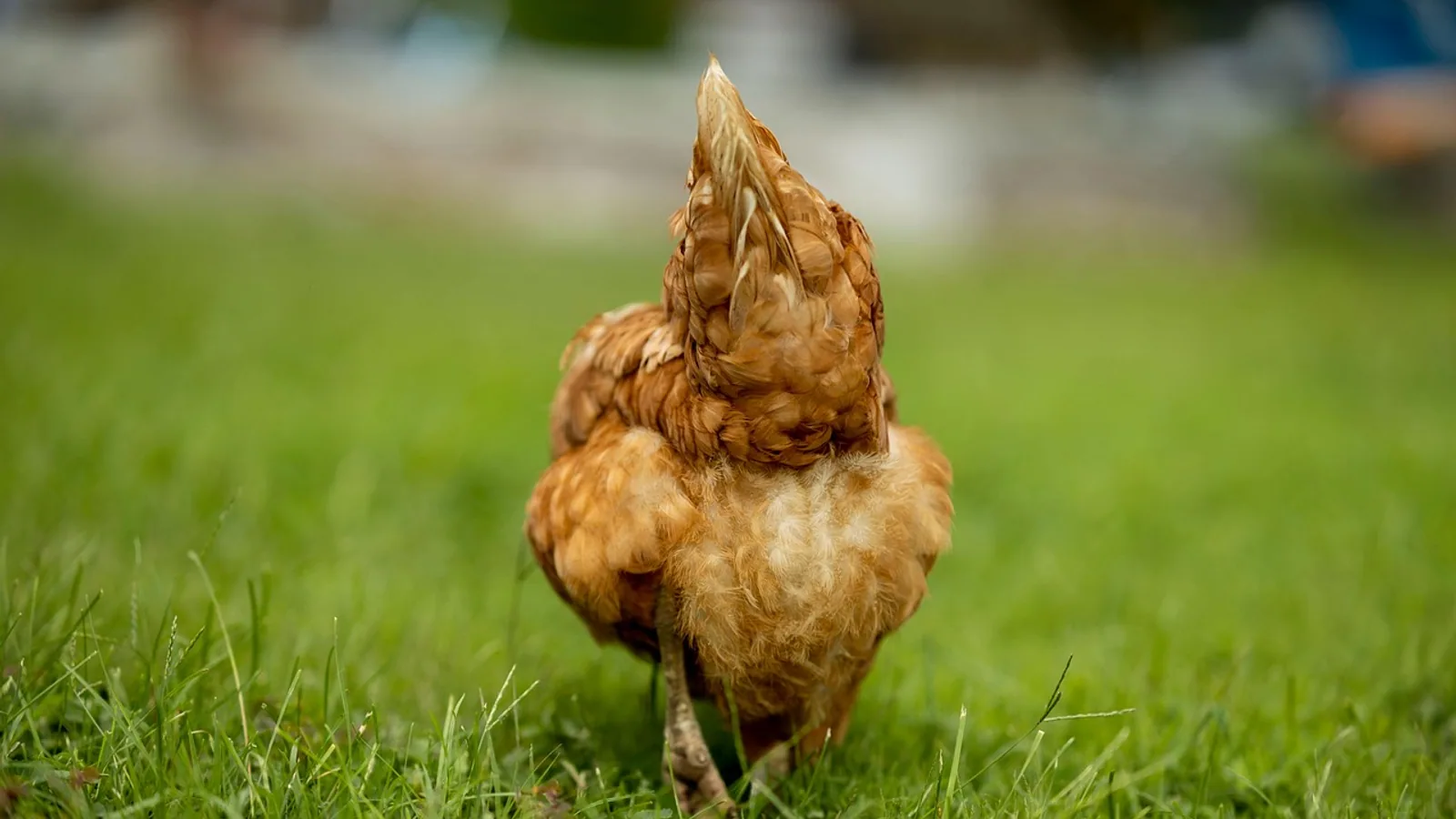
Yes. Chickens can eat ripe banana flesh and banana peels. Banana is a safe treat for backyard flocks when it is offered in small amounts and treated as a garnish rather than a meal. Ripe flesh is high in sugar and low in protein, so it must never replace layer pellets or a balanced ration. Peels are edible too, but they carry a real pesticide residue risk and a choking or crop-impaction risk if they are fed in large, tough pieces. Wash peels thoroughly, chop them small, and keep total fruit treats to a modest fraction of the daily diet.
This guide covers what bananas and banana peels do and do not contribute to a chicken's diet, how much to feed by bird size, how to prepare peels safely, the signs that you are overfeeding fruit, and when a digestive problem needs veterinary attention.
This article is educational and is not a substitute for veterinary diagnosis or treatment.
At a Glance
| Question | Short answer |
|---|---|
| Can chickens eat ripe banana flesh? | Yes, in small amounts (about 1 to 2 tablespoons per bird, 2 to 3 times weekly) |
| Can chickens eat banana peels? | Yes, if washed thoroughly and chopped into small pieces |
| Can chickens eat banana skins? | Yes, the same rules apply as for peels |
| Main nutritional concern | High sugar, low protein, so it displaces balanced feed if overfed |
| Main safety concern with peels | Pesticide residue and crop impaction from large pieces |
| Green or unripe banana | Not recommended |
| Banana leaves and the rest of the plant | Not recommended as a fresh treat |
| Signs of overfeeding fruit | Diarrhea, drop in egg production, weight gain |
Quick peel prep checklist
- Rinse the peel under running water and rub the surface with your fingers or a produce brush.
- Discard the stem end and any bruised or moldy sections.
- Cut the peel into strips no wider than a pencil, then cross-cut into short pieces.
- Offer a small handful per bird, not a whole peel per bird.
- Remove uneaten peel within a few hours so it does not sour in the coop.
- Never feed peels that have been sprayed and not washed, or peels from a fruit that sat in a lunchbox all day.
Why Bananas Are a Treat, Not a Feed
A chicken's nutritional needs are built around protein, energy, calcium, and a long list of vitamins and minerals delivered in a consistent ratio. Layer pellets and a balanced ration are formulated to hit those targets. Fruit sits outside that formulation. Banana flesh is mostly water and sugar with a small amount of fiber and potassium. It contributes calories and palatability, not the protein a laying hen needs to build egg albumen or the calcium she needs for shell quality.
The banana plant has attracted research attention as a feed resource, and that research is worth understanding because it explains both the appeal and the limits of banana in poultry diets. A 2025 review in Poultry Science describes the banana plant as a sustainable resource for the livestock and poultry industry, rich in nutrients, fibers, and bioactive compounds, with potential as a natural growth promoter, prebiotic, and antioxidant source [1]. That same review reports that banana peel is a good source of vitamins, crude protein in the range of 6 to 9 percent, starch around 3 percent, total nutritional fiber of 43.2 to 49.7 percent, and crude fat of 3.8 to 11 percent [1]. Those numbers describe dried, processed peel used as a feed ingredient, not a fresh peel tossed into the run. The distinction matters. A fresh peel is mostly water and fiber, and a chicken will not eat enough of it to matter nutritionally.
Peels also contain flavonoids, tannins, phlobatannins, alkaloids, glycosides, and terpenoids, compounds with antibacterial, antioxidant, immunostimulant, and anti-inflammatory properties in experimental settings [1]. This is the basis for interest in banana peel as a functional feed additive. It is not a reason to feed your flock unlimited peel. The bioactive dose studied in feed trials is a formulated inclusion rate, not a kitchen scrap.
What the research does and does not show
Banana peel has been studied as a functional additive in broiler production. One trial incorporated banana peel powder at 2, 4, and 6 percent into broiler nuggets and found significant increases in ash and crude fiber, improvements in water holding capacity and cooking yield, and higher total phenolic content with lower TBARS values, a marker of fat oxidation [2]. Another study evaluated banana peel extract powder against Salmonella Gallinarum challenge in broiler chicks and examined immune-related gene expression, gut morphology, and growth performance [3]. A separate line of research found that soluble non-starch polysaccharides from plantain banana reduced Salmonella Typhimurium invasion of chicken intestinal tissue, with dietary supplementation at 50 mg per day reducing viable bacterial counts from splenic tissue by 98.9 percent in the study model [4].
These are controlled studies using processed peel, extracted compounds, or purified fiber at defined doses. They tell us that banana-derived ingredients have genuine biological activity in poultry. They do not tell us that a hen eating a fresh peel from your hand will gain the same benefit. Treat the science as background, and treat the fruit itself as a low-value treat.
Can Chickens Eat Banana Peels?
Yes, chickens can eat banana peels, and many birds enjoy them. The peel is the part most owners ask about because it is the part that would otherwise go in the trash. Two practical problems come with it.
Pesticide residue
Banana peels are often pesticide-treated. Conventional bananas are grown with fungicides and insecticides applied during cultivation and post-harvest handling, and residue can remain on the peel surface. You cannot see or smell most of it. The fix is mechanical, not chemical. Wash the peel thoroughly under running water and rub the surface. A produce brush helps. If you want a stronger routine, a brief soak followed by a rinse is reasonable, but scrubbing under running water is the step that does the work.
If you cannot confirm how a banana was grown, and you cannot wash it well, do not feed the peel. This is a judgment call each owner makes, and it is a reasonable one to make conservatively.
Crop impaction risk
A chicken's crop is a pouch at the base of the esophagus where food softens before moving down the digestive tract. Large, tough, fibrous pieces can sit in the crop and cause an impaction. Banana peel is fibrous and leathery. A whole peel or a large strip is exactly the kind of material that can cause trouble. Chop peels into small pieces, ideally strips no wider than a pencil and then cut short, so the bird cannot swallow a long, pliable ribbon of peel.
What peel contributes
The nutritional case for peel is modest when it is fresh. The crude protein, starch, fiber, and fat figures reported in the literature describe dried peel used as a feed ingredient [1]. Fresh peel is a fiber source with some micronutrients and bioactive compounds. It is a treat with a small amount of nutritional value, not a protein source and not a substitute for feed.
Can Chickens Eat Banana Skins?
Yes. Banana skins and banana peels are the same thing, and the answer does not change with the word you use. The rules are identical. Wash the skin thoroughly, chop it small, and feed it in moderation. Some owners report that their birds prefer the flesh and ignore the skin, while others report the opposite. Either outcome is fine. Offer it and let the flock decide.
One practical note: a very ripe, brown, mushy skin is easier to chop and easier to eat than a firm green skin. A brown skin also tends to have less pesticide residue than a fresh one in general handling terms, though washing is still the right habit.
Safe Portions by Bird Size
The single most common mistake with fruit treats is portion size. Owners reason that a banana is small, so a whole banana per bird must be fine. It is not. The table below gives practical serving sizes. These are treats, not rations, and they should not exceed roughly 10 percent of the bird's daily intake.
| Bird type | Typical body weight | Ripe flesh per serving | Peel per serving | Frequency |
|---|---|---|---|---|
| Bantam | 0.5 to 1 kg | 1 teaspoon to 1 tablespoon | 1 to 2 small chopped pieces | 2 to 3 times weekly |
| Standard layer hen | 1.5 to 2.5 kg | 1 to 2 tablespoons | 2 to 3 small chopped pieces | 2 to 3 times weekly |
| Meat or dual-purpose bird | 3 to 5 kg | 2 to 3 tablespoons | 3 to 4 small chopped pieces | 2 to 3 times weekly |
A few rules make these numbers work in practice.
- Feed fruit in the afternoon, after the flock has filled up on complete feed.
- Scatter pieces so dominant birds do not monopolize the treat.
- Count all fruit, including melon, apple, and berries, toward the same daily treat budget.
- Reduce or skip fruit on days when the flock is already getting kitchen scraps or garden produce.
- Never leave a pile of fruit in the coop overnight.
Why Overfeeding Fruit Is a Real Problem
Fruit is not toxic to chickens. The harm comes from dilution. Every bite of banana is a bite of balanced ration the bird did not eat. Three problems follow.
Diarrhea
Fruit is high in sugar and water. A sudden increase in fruit intake pulls water into the gut and loosens droppings. Loose droppings are messy, they attract flies, and they make it hard to judge whether a bird is actually sick. If droppings turn watery after a fruit-heavy day and return to normal when fruit is withdrawn, the fruit was the cause.
Reduced egg production
Laying hens need consistent protein, energy, and calcium to keep producing. When fruit displaces feed, the hen's nutrient intake drops and egg production can fall. Shell quality can suffer too, because calcium intake falls with the ration. A hen that was laying five eggs a week may drop to three, and owners often look for disease when the real cause is the treat bucket.
Obesity and fatty liver
Excess energy from sugar and starch is stored as fat. Backyard hens that get generous kitchen scraps and limited exercise are prone to obesity. Overweight hens lay poorly, are more prone to heat stress, and can develop fatty liver. A heavy, lethargic hen with a distended abdomen and poor laying is a hen that needs a diet review, not more treats.
Signs your flock is getting too much fruit
- Watery or loose droppings that improve when fruit is removed
- A drop in egg numbers or shell quality without other signs of illness
- Birds that ignore their pellets and wait by the gate for scraps
- Gradual weight gain, especially in hens that no longer lay
- Feather picking or aggression from birds competing for treats
If you see these signs, cut fruit out completely for two weeks. Feed only the complete ration and clean water. Most flocks return to normal droppings and normal laying within that window. If they do not, the problem is something else and needs a veterinarian.
Green Bananas and Banana Plant Leaves
Green or unripe bananas are not recommended. Unripe fruit is high in resistant starch and tannins, which are harder to digest and can contribute to digestive upset. There is no nutritional reason to feed unripe banana when ripe fruit is available.
Banana leaves and the rest of the plant are also not recommended as a fresh treat for backyard flocks. The research on banana plant material as poultry feed involves processed by-products such as dried peel, peel powder, and extracted fiber used at controlled inclusion rates [1][5][2]. Feeding fresh leaves from a garden plant is a different practice with different risks, including pesticide exposure and unknown residue from ornamental or household plant care. Stick to the fruit and the washed peel.
How to Introduce Banana to Your Flock
Introduce any new treat slowly. A bird that has never eaten banana may ignore it, peck it once, or eat it eagerly. All three responses are normal.
- Start with a single small piece of ripe flesh for one or two birds.
- Watch droppings for 24 to 48 hours.
- If droppings stay normal, offer a slightly larger portion to the whole flock.
- Add peel only after flesh is established as tolerated.
- Keep a written note of what you fed and when, so you can trace a problem back to its source.
A treat log sounds fussy. It is not. When a hen has loose droppings, the fastest way to solve the puzzle is to know exactly what she ate in the last 48 hours.
Equipment and Supplies for Safe Treat Prep
You do not need special equipment, but a few items make the job easier and safer.
- A produce brush for scrubbing peels under running water
- A cutting board reserved for produce
- A sharp knife for cutting peels into short, narrow strips
- A small bowl for portioning, so you do not overfeed by eye
- A shallow dish or scatter area that is easy to clean
- A covered bin for peel waste that is not fed
Selection criteria are simple. The brush should have stiff but flexible bristles so it cleans the peel surface without tearing it. The knife should be sharp enough to cut a peel cleanly in one stroke, because a dull knife crushes the peel into irregular chunks. The bowl should be small enough that a full bowl is still a safe portion for your flock size.
Common Mistakes Owners Make
Feeding a whole banana to a small flock. A whole banana is too much for two or three hens. Portion by bird, not by fruit.
Leaving peels unwashed. Pesticide residue on the peel is the main avoidable risk. Wash every peel.
Cutting peels into long strips. A long, pliable strip can lodge in the crop. Cut short pieces.
Substituting banana for feed. Banana is low in protein. A hen cannot build eggs on fruit.
Feeding fruit every day. Two to three times weekly is the working limit for most flocks.
Ignoring a production drop. A laying slowdown after a treat change is a signal, not a coincidence.
Feeding moldy or fermented fruit. Moldy fruit can carry mycotoxins. Discard it.
Letting fruit sit in the coop. Fruit attracts pests and spoils quickly in warm weather.
Troubleshooting Digestive Problems After Feeding Banana
Loose droppings for one day
Pull all fruit for 48 hours. Offer clean water and the normal ration. If droppings firm up, the fruit was the cause and you can reintroduce it at a smaller portion.
Loose droppings that persist
Persistent diarrhea is not a treat problem. It can reflect infection, parasites, or a dietary imbalance that needs diagnosis. Contact a veterinarian.
A bird that seems to have something stuck in the crop
A full, doughy crop in the morning before the bird has eaten is a warning sign. A crop that does not empty overnight can indicate impaction or another motility problem. This is a veterinary issue, not a wait-and-see issue.
A hen that stops laying after a treat change
Remove fruit for two weeks and monitor. If laying does not recover, look at total diet, lighting, and flock health with your veterinarian.
A bird that gorges on fruit and seems unwell
Overeating fruit can cause a temporary upset. Withhold food for a few hours, provide water, and monitor. If the bird is lethargic, has a distended crop, or is not eating by the next morning, call a veterinarian.
Welfare and Safety Points
Treats are part of good flock management when they support enrichment and bonding without undermining nutrition. A few welfare principles apply.
- Enrichment matters. Scattering treats gives hens something to do and reduces boredom-driven feather pecking.
- Consistency matters more than variety. A stable ration with occasional treats beats a chaotic diet.
- Clean water is non-negotiable. Fruit increases water demand.
- Observe daily. The best diagnostic tool you own is a habit of watching your birds eat, drink, and move.
- Handle fruit safely for yourself too. Wash your hands after handling peels, and wash the cutting board.
The American Veterinary Medical Association and similar bodies emphasize preventive care and species-appropriate nutrition as foundations of animal health. For backyard poultry, that translates to a complete feed as the base of the diet and treats as a small, controlled addition.
Limitations and When to Contact a Veterinarian
This article gives general guidance for healthy backyard chickens. Individual birds differ in age, breed, production status, and underlying health, and a treat that suits one flock may not suit another. Your veterinarian can assess your specific birds and diet.
Contact a veterinarian if you see any of the following.
- Diarrhea that lasts more than 48 hours after removing fruit
- A crop that stays full overnight or feels doughy in the morning
- A sudden drop in egg production that does not recover after two weeks on a plain ration
- Weight loss, lethargy, or a bird that separates from the flock
- Difficulty breathing, a discharge from the nostrils or eyes, or a swollen face
- Any bird that stops eating or drinking
- Blood in the droppings or black, tarry droppings
- A bird that has eaten a large amount of peel and appears uncomfortable
Do not attempt to treat a suspected crop impaction at home. A veterinarian can examine the bird, determine whether the crop is impacted or simply slow, and recommend the right course.
Frequently Asked Questions
Can chickens eat bananas?
Yes. Ripe banana flesh is safe in small amounts, roughly 1 to 2 tablespoons per bird, two to three times weekly. It is a treat, not a meal.
Can chickens have bananas every day?
No. Daily fruit increases the risk of diarrhea, reduced egg production, and obesity. Two to three times weekly is a reasonable limit for most flocks.
Can chickens eat banana peel?
Yes, if the peel is washed thoroughly and chopped into small pieces. Unwashed peels may carry pesticide residue, and large pieces can cause crop impaction.
Can chickens eat banana peels raw?
Yes. Raw peel is fine when it is clean and cut small. There is no need to cook it.
Can chickens eat banana skins safely?
Yes. Banana skins and peels are the same material, and the same washing and chopping rules apply.
Can chickens have banana peels in large amounts?
No. Large amounts of peel displace balanced feed and increase the risk of digestive upset. Keep portions small.
Is green banana safe for chickens?
No. Green or unripe banana is not recommended. It is harder to digest and offers no advantage over ripe fruit.
What happens if I feed my chickens too much banana?
Overfeeding fruit can cause diarrhea, a drop in egg production, and weight gain. Remove fruit for two weeks and feed only the complete ration. If problems persist, contact a veterinarian.
Related Articles
- Can Cats Eat Bananas
- Can Dogs Eat Bananas
- Can Dogs Eat Strawberries And Bananas
- Can Dogs Eat bananas? Vet Safety, Benefits & Hazards
- Can Dogs Eat Bananas? Sugar Content & Serving Limits
- Why Have My Chickens Stopped Laying Eggs?
- Can Dogs Eat Fish? Safe Types, Benefits, and Risks
- Can Chickens Eat Carrots? Safe Feeding Guide
- Can Dogs Eat Black Beans? Safe Feeding Guide
Further Reading
Sources
- Fermented banana feed and nanoparticles: a new eco-friendly, cost-effective potential green approach for poultry industry.
- Supplementation of banana peel powder for the development of functional broiler nuggets.
- Potential of Banana peel extract powder as a promising alternative to antibiotics for treating Salmonella Gallinarum infection in broiler chicks.
- Dietary supplementation with soluble plantain non-starch polysaccharides inhibits intestinal invasion of Salmonella Typhimurium in the chicken.
- Production of Single Cell Protein (SCP) from the Peel Waste of Pea, Potato, and Banana by Aspergillus Flavus NRRL 21882 as an Efficient Organic Poultry Supplement.