How to Tell If My Puppy Has a Blockage: Signs and Action
By Dr. Zubair Khalid, DVM, MS, PhD ·
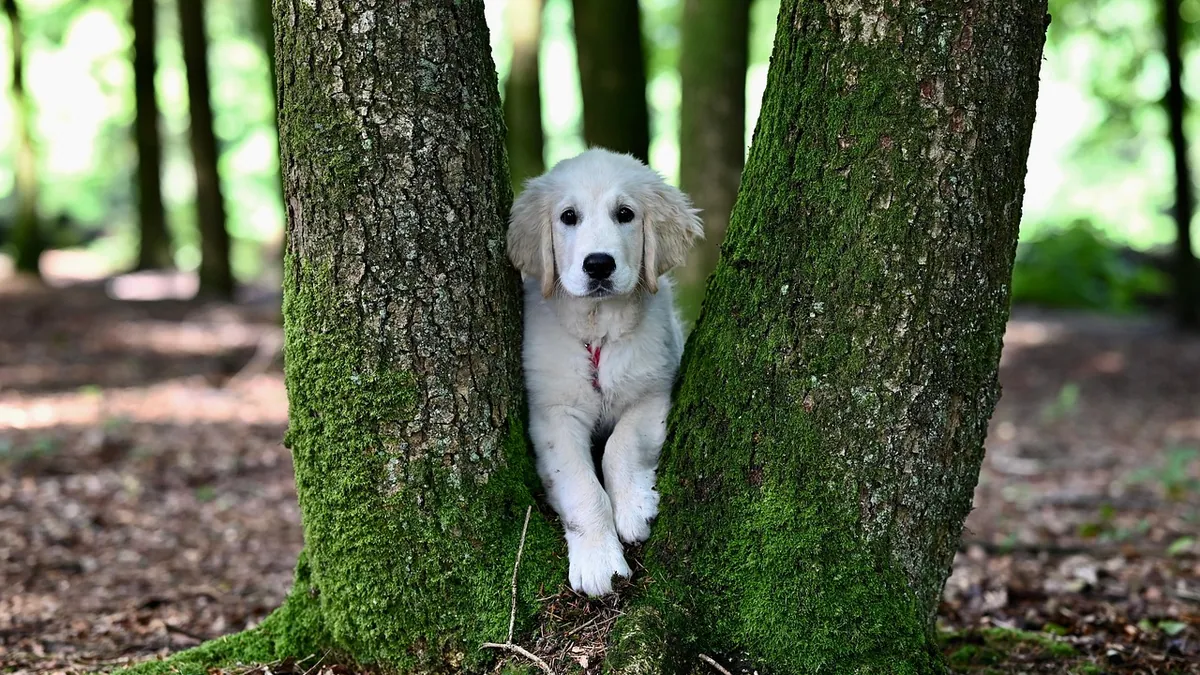
Puppies explore the world with their mouths, so swallowing a toy, sock, or bone fragment is common. A blockage happens when an object or material cannot pass through the intestines, and the signs usually include repeated vomiting, a painful belly, and a puppy that suddenly acts tired or stops eating. Knowing how to tell if my puppy has a blockage early can mean the difference between a simple vet visit and emergency surgery.
This article is educational and is not a substitute for veterinary diagnosis or treatment.
Quick Answer
- Repeated vomiting, especially after drinking water, is the most common sign of a blockage in puppies.
- A blocked puppy often has a swollen, painful belly and may whine when you touch it.
- Lethargy, refusing food, and no bowel movements for 24 hours are serious warnings.
- Never wait to "see if it passes" if your puppy is vomiting and painful. Go to a vet or emergency clinic now.
- Do not give human medications, food, or oil to try to move the object. That can cause more harm.
What a Blockage Looks Like and What Is Normal
A blockage (also called a bowel obstruction) means something is stuck in the stomach or intestines. Food, fluid, and gas build up behind the stuck object. The puppy cannot digest normally, and the intestines can become damaged or even rupture.
Normal puppy behavior includes playful energy, regular meals, soft to firm stools, and occasional spit-up. A puppy might vomit once after eating too fast, then act completely normal. That is different from a blockage.
With a blockage, vomiting keeps coming back. It may happen several times a day, often within minutes of eating or drinking. The vomit may contain food, yellow bile, or foam. Some puppies vomit up pieces of the object they swallowed.
The belly tells you a lot. A blocked puppy often has a tight, bloated abdomen. Gentle touching may cause whining, tensing, or pulling away. Some puppies pace and cannot get comfortable. Others lie still and seem depressed.
Stools change too. You may see small amounts of diarrhea at first, then no stool at all. Some puppies strain to poop with little or nothing coming out. Others pass a little mucus or blood.
Main Causes of Blockages in Puppies
Puppies are at higher risk because they chew and swallow things they should not. Common swallowed items include toys, balls, bones, socks, underwear, string, hair ties, plastic wrap, corn cobs, and sponges. Some puppies also eat sand, rocks, or fabric.
Behavior can play a role. Dogs with ADHD-like traits, including impulsivity and high activity, may be more likely to swallow foreign objects [1]. That does not mean every energetic puppy will have a blockage, but it is a risk factor to watch.
| Cause | Typical clues | How urgent |
|---|---|---|
| Foreign object (toy, bone, fabric) | Known or suspected ingestion, repeated vomiting, painful belly | Emergency now |
| Sand ingestion | Access to beach or sandbox, vomiting, diarrhea, gritty stool | Same day, urgent if vomiting |
| Intestinal mass or stricture | Gradual weight loss, chronic vomiting, older puppy or adult | Same day to 48 hours |
| Severe worms or parasites | Potbelly, diarrhea, visible worms in stool | Routine visit, urgent if vomiting |
| Liver lobe torsion after surgery | Sudden weakness, pale gums, collapse after an operation | Emergency now |
Sand ingestion is a real concern. In one study of 55 dogs, 35% had radiographs consistent with a gastrointestinal obstruction from sand [2]. All of those dogs were managed medically without surgery, but many needed hospitalization [2]. That does not mean every sand case is safe at home. Your vet decides based on imaging and your puppy's condition.
Liver lobe torsion is rare, but it has been reported in a 6-month-old puppy after surgery for an obstructive foreign body [3]. The puppy became lethargic and vomited, then developed bleeding into the abdomen [3]. This shows that a blockage and its treatment can lead to serious complications, even after the object is removed.
Red Flags That Make It an Emergency
Some signs mean you should stop reading and call an emergency clinic right now.
- Vomiting that will not stop, especially more than 3 times in a few hours.
- A hard, swollen, or painful belly.
- Dry heaving or unproductive retching.
- Weakness, collapse, or pale gums.
- Drooling or gagging with a known swallowed object.
- No poop for 24 hours along with vomiting.
- Blood in vomit or stool.
- Seizures, tremors, or extreme restlessness.
These signs suggest the blockage is severe or that the intestine may be damaged. Waiting can lead to shock, infection, or death.
If you know or suspect your puppy swallowed something, call your veterinarian or an emergency hospital immediately. Do not wait for symptoms to get worse.
Safe Things You Can Do at Home While Waiting
Home care for a suspected blockage is limited. The safest action is to get veterinary care. Still, there are a few things you can do while you arrange transport.
- Remove all food, water, toys, and chew items from your puppy's reach.
- Keep your puppy calm and confined in a crate or small room.
- Do not give human pain medications. Many are toxic to dogs.
- Do not give hydrogen peroxide to make your puppy vomit unless a veterinarian tells you to.
- Do not pull on a string or object hanging from the mouth or rear. That can cut the intestine.
- Collect any vomit or stool in a sealed bag to show the vet.
- Write down what you think was swallowed, when, and how much.
If your puppy is vomiting, do not offer food or water. If your puppy is not vomiting but seems uncomfortable, call your vet for instructions. Your veterinarian will tell you whether to come in right away or monitor at home.
For more on swallowed toys, see My Dog Ate a Toy: How to Tell If It Will Pass or Cause a Blockage. For sponges, see Dog Ate a Sponge: Signs of Blockage and What to Do.
What the Veterinarian Will Check and Test
Your vet will start with a full physical exam. They will check your puppy's hydration, gum color, heart rate, breathing, and abdominal pain. They will ask what your puppy ate, when it happened, and whether vomiting or diarrhea started.
Imaging is the next step. X-rays (radiographs) can show some objects, especially metal, bone, or sand [2]. Ultrasound is often better for soft objects, fluid-filled intestines, and partial obstructions. A study of 90 dogs and cats with gastrointestinal signs found that tele-ultrasonography was accurate for detecting obstruction, even when read by radiologists with different experience levels [4]. That means ultrasound is a reliable tool when a trained professional performs and reads it.
Blood work helps too. Your vet may check electrolytes, blood glucose, and organ values. A complete blood count can show infection or inflammation. These tests help your vet decide whether your puppy is stable enough for surgery or needs fluids and stabilization first.
Sometimes vets use a barium study. Your puppy swallows a contrast liquid, and repeated X-rays track how it moves. If the contrast stops at one point, that suggests a blockage.
If your vet suspects a complete obstruction, surgery is often needed. The object is removed through an incision in the intestine (enterotomy) or stomach (gastrotomy). Your puppy will need pain medication, fluids, and monitoring after surgery. Complications like liver lobe torsion are rare but possible [3].
How to Tell If My Puppy Has a Blockage: A Step-by-Step Check
You cannot diagnose a blockage at home. But you can gather clues that help your vet.
- Watch for vomiting. Count how many times in the last 12 hours.
- Check the belly. Is it bloated, hard, or painful to touch?
- Look at the gums. Pink and moist is normal. Pale, white, or tacky gums are urgent.
- Check for stool. When was the last normal poop?
- Note behavior. Is your puppy playful or dull and withdrawn?
- Think about access. Did your puppy have a chance to swallow something?
If you see vomiting plus a painful belly plus lethargy, treat it as an emergency. Do not wait for all three to appear.
Prevention and Monitoring
Prevention is the best medicine for blockages. Puppies cannot be trusted to leave dangerous items alone.
- Puppy-proof your home. Pick up socks, toys, string, rubber bands, and plastic bags.
- Choose toys that are too large to swallow. Avoid toys with squeakers that can be pulled out.
- Supervise outdoor time. Watch for rocks, sticks, acorns, and sand.
- Use a crate or playpen when you cannot watch your puppy.
- Train a solid "drop it" and "leave it" cue.
- Keep trash cans latched or behind closed doors.
- Schedule routine vet visits to check growth and stool quality.
If your puppy has behavior problems like chewing or eating non-food items, talk to your vet. Some puppies with impulse control issues may benefit from behavior plans. See Puppy Behavior Problems and How Do I Know If My Dog Has Behavior Problems.
Worms and parasites can also cause vomiting and a potbelly that might look like a blockage. If you see worms in stool or your puppy has diarrhea, read How Do I Know If My Dog's Got Worms.
Limitations and When to Contact a Veterinarian
No article can replace an exam, imaging, and blood work. Every puppy is different, and only your veterinarian can diagnose a blockage.
Call your veterinarian the same day if your puppy has:
- Vomiting once or twice but still playful and eating.
- Soft stool or mild diarrhea with no vomiting.
- A known swallowed object but no symptoms yet.
- A bloated belly that is not painful.
Go to an emergency clinic now if your puppy has:
- Repeated vomiting or dry heaving.
- A painful or hard belly.
- Lethargy, weakness, or collapse.
- Pale gums or trouble breathing.
- No poop for 24 hours with vomiting.
- Known ingestion of a sharp object, string, or large item.
Do not wait for a routine appointment if your puppy is vomiting and painful. Blockages can kill within hours to days.
Frequently Asked Questions
How long can a puppy live with a blockage?
It depends on the object and where it is stuck. A complete blockage can cause severe damage within 24 to 48 hours. Some puppies decline faster. If you suspect a blockage, treat it as an emergency and go to a vet now.
Can a puppy pass a blockage on its own?
Sometimes a small, smooth object passes with medical management. In one study, all dogs with sand ingestion were managed without surgery, but many needed hospitalization and fluids [2]. Your vet will decide if your puppy can be monitored or needs surgery.
What does a blocked puppy's poop look like?
It may be absent, small, or watery. Some puppies pass mucus or a little blood. You might see pieces of the object in the stool. No poop for 24 hours along with vomiting is a red flag.
Will a puppy with a blockage still eat and drink?
Some will try to eat or drink, then vomit right after. Others refuse everything. A puppy that is still eating and playing is less likely to have a complete blockage, but partial blockages can still happen. Only your vet can tell for sure.
Can I give my puppy anything to help pass a blockage?
No. Do not give oil, food, human medications, or hydrogen peroxide unless your veterinarian tells you to. Some home remedies make vomiting worse or cause other problems. The safest thing is to call your vet and follow their instructions.
Related Articles
- How Do I Know If My Dog Has Behavior Problems
- My Dog Ate a Toy: How to Tell If It Will Pass or Cause a Blockage
- How Do I Know If My Dog's Got Worms
- Dog Ate a Sponge: Signs of Blockage and What to Do
- Puppy Behavior Problems
- How Do I Know If My Dog Has Rabies
- Stomach Blockage in Dogs: Symptoms, Causes, and When to Worry
- Urinary Blockage in Dogs: Symptoms and Treatment
- Urethral Blockage in Dogs: Emergency Signs and Care
References
- New Advances in Attention-Deficit/Hyperactivity Disorder-like Dogs. Animals : an open access journal from MDPI, 2024.
- Clinical Features, Medical Management, and Patient Outcomes Following Sand Ingestion in 55 Dogs (2018-2024). Journal of veterinary emergency and critical care (San Antonio, Tex. : 2001), 2026.
- Liver Lobe Torsion Following an Enterotomy for an Obstructive Foreign Body in a Puppy. Veterinary medicine and science, 2025.
- Accuracy and reliability of tele-ultrasonography in detecting gastrointestinal obstruction in dogs and cats. The Journal of small animal practice, 2023.