Can Milk Fever Kill a Cat? Eclampsia Signs and Treatment
By Dr. Zubair Khalid, DVM, MS, PhD ·
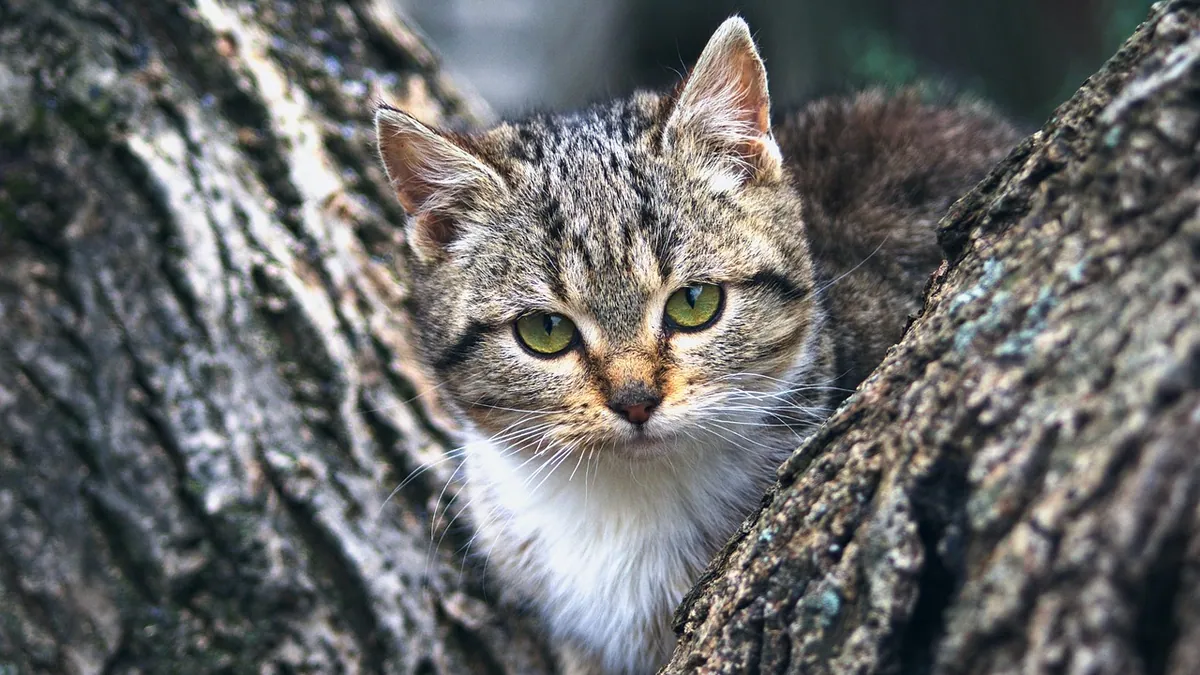
Can milk fever kill a cat? Yes, it can. Eclampsia, also called milk fever or postpartum hypocalcemia, is a life-threatening drop in blood calcium that most often hits nursing mothers during peak milk production. Without fast treatment, it can progress to seizures, coma, and death [1]. This article is educational and is not a substitute for veterinary diagnosis or treatment.
Quick Answer
- Eclampsia is a calcium emergency, not simple tiredness. A nursing cat with tremors, wobbling, or a stiff gait needs a veterinarian right away [1].
- It is most common at peak lactation, often around 2 to 3 weeks after giving birth, when milk demand is highest [1].
- Early signs can look like restlessness, panting, or muscle twitching. These can worsen to seizures and coma within hours [1].
- Treatment is intravenous calcium given by a veterinarian. The dose is calculated from your cat's weight and condition, never from a home recipe.
- Do not wait to see if she improves on her own. Call your veterinarian or an emergency clinic now if you see neurologic signs in a nursing queen.
What Is Milk Fever in Cats?
Milk fever is the everyday name for eclampsia, which veterinarians also call periparturient hypocalcemia [1]. "Periparturient" means around the time of birth, and "hypocalcemia" means low calcium in the blood.
Calcium does far more than build bones. It helps muscles contract, nerves send signals, and the heart beat in a steady rhythm. When a nursing mother pours calcium into her milk, her blood calcium can fall faster than her body can replace it. The result is a progressive neurologic emergency [1].
The word "fever" is misleading. Most cats with eclampsia do not run a high temperature. The name comes from old livestock terminology, and it stuck.
Calcium problems in cats are not rare. One large referral hospital database found ionized calcium disorders in cats, including both high and low calcium, and the severity of the abnormality often pointed to the underlying cause [2]. In nursing queens, the cause is usually the drain of lactation.
Signs Owners Notice First
The tricky part of eclampsia is that the earliest signs look like normal new-mother behavior. A queen with kittens is supposed to be tired. She is supposed to lie around and nurse. So owners often wait, and that waiting can cost precious hours.
Watch for a cluster of signs instead of one alone. Early clues include:
- Restlessness, pacing, or an inability to settle
- Panting or fast breathing without heat or exertion
- Fine muscle twitching, especially in the face, ears, or legs
- A stiff, unsteady walk or wobbling
- Turning toward her kittens but refusing to nurse
- Hiding, crying, or acting disoriented
As calcium falls further, signs become unmistakable. Tremors spread, the cat loses coordination, and she may become disoriented [1]. From there, the condition can move to seizures, coma, and death [1].
Some queens show signs during labor instead of after. Low calcium at that stage can slow or stop normal contractions and contribute to a difficult birth [1]. If your cat has been in labor a long time without producing kittens, that is also an emergency.
If your cat has a skin rash along with fever or neurologic signs, that combination deserves the same urgent attention. You can read more about warning signs in Cat Skin Rash with Fever: Emergency Signs You Shouldn't Ignore.
Causes and Risk Factors
Eclampsia happens when calcium leaving the body through milk outpaces calcium coming in from diet and bone. Several things raise the risk.
Lactation itself. Peak milk production is the classic trigger, which is why cases cluster around 2 to 3 weeks after birth [1].
Litter size and milk demand. The more kittens nursing, the more calcium the queen loses. In dogs, eclampsia is seen most often in small breeds nursing large litters [1]. The same principle applies to cats, even though feline cases are reported less often.
Body size. Small mothers with big litters have less reserve to draw on.
Diet. A queen eating a complete and balanced diet for pregnancy and nursing has better calcium reserves than one eating table scraps or an unbalanced homemade diet. Diet quality matters for calcium balance in cats at every life stage. A kitten fed an all-meat style diet developed hypocalcemia with weak bones, and correcting the diet normalized calcium levels within 2 months [3]. That case was not eclampsia, but it shows how strongly diet shapes calcium in cats.
First litters and poor condition. Queens who are young, thin, or in poor body condition may have less to spare.
One more point that surprises owners: calcium problems are not always about too little calcium in the bowl. Giving a nursing queen extra calcium supplements during pregnancy can actually blunt her body's own calcium-regulating response and set her up for a crash after birth. Ask your veterinarian before adding any calcium product.
How Veterinarians Diagnose It
Diagnosis starts with the story. A veterinarian hearing "nursing queen, 2 to 3 weeks after birth, trembling and wobbly" will already suspect eclampsia. That combination of signalment and clinical signs is enough to make a presumptive diagnosis and start treatment [1].
Confirmation comes from a blood test. Measuring the total serum calcium concentration is the standard way to confirm hypocalcemia [1]. Many clinics also run an ionized calcium level, which measures the active form of calcium in the blood and can be more sensitive in sick patients [2].
Your veterinarian will likely also check:
- Blood glucose, because low blood sugar can mimic some of these signs
- Electrolytes, including potassium and magnesium, since imbalances often travel together in sick cats [4][5]
- Kidney values, to assess overall health and guide treatment
- Temperature, heart rate, and an ECG if the rhythm seems abnormal
Calcium and magnesium disturbances are linked to heart rhythm problems, blood pressure collapse, and longer hospital stays in critically ill companion animals [4]. That is one reason veterinarians treat these cases as emergencies instead of sending the cat home to "rest."
Treatment Options
Treatment for eclampsia is fast and specific. The core therapy is intravenous calcium given slowly while the cat is monitored. Your veterinarian calculates the exact dose and rate from your cat's weight, calcium level, and heart rhythm. Never attempt to give calcium at home, and never give oral calcium to a cat showing neurologic signs, because she cannot swallow safely.
Calcium therapy is powerful, and too much is dangerous. In one reported feline case, an overdose of calcium gluconate caused severe hypercalcemia, acute kidney injury, coma, and cardiovascular instability, and the cat needed hemodialysis to survive [6]. That case shows why calcium is a hospital drug with careful monitoring, not a home remedy.
Alongside calcium, your veterinarian may treat:
- Seizures, with anticonvulsant medication if needed
- Low blood sugar, with intravenous dextrose if glucose is low
- Electrolyte imbalances, corrected with intravenous fluids
- The underlying trigger, which usually means managing lactation
For the queen's immediate safety, the kittens often need to be separated and hand-fed or foster-nursed for a period. Removing the calcium drain is part of breaking the cycle. Your veterinarian will tell you when, or whether, it is safe to let the kittens nurse again.
If your cat is not producing urine normally or has a blocked bladder, that is a separate emergency that can also cause dangerous electrolyte changes, including high potassium [5]. You can learn more in Can Urinary Tract Infections Kill Cats.
Recovery, Outlook, and Long-Term Management
Most cats with eclampsia improve quickly once calcium is replaced. Many respond during or shortly after the infusion, though some need continued monitoring and repeat blood work.
The outlook depends on how fast treatment starts and whether organ damage has occurred. Cats treated early usually recover well. Cats that reach the seizure or coma stage have a much rougher road, and some do not survive [1].
After discharge, expect a plan that includes:
- Feeding the queen a complete and balanced diet formulated for pregnancy and nursing
- Managing the kittens' nursing schedule, sometimes with supplemental hand-feeding
- Recheck blood work to confirm calcium is holding steady
- Spaying if you were not planning to breed her again, since future pregnancies carry the same risk
If your queen is nursing and you are also thinking about what she eats and drinks day to day, two related reads are Can Cats Drink Milk? and Can Cats Eat Lactose-Free Milk? Digestibility Guide.
A Quick Comparison of Stages
| Stage | What You See | What It Means | Urgency |
|---|---|---|---|
| Early | Restlessness, panting, fine twitching, stiff walk | Calcium is falling, nerves are overactive | Call your vet now |
| Moderate | Obvious tremors, wobbling, disorientation | Neurologic signs are progressing [1] | Emergency visit |
| Severe | Seizures, collapse, coma | Life-threatening hypocalcemia [1] | Emergency now |
| During labor | Weak or absent contractions, prolonged labor | Low calcium can contribute to dystocia [1] | Emergency now |
Prevention
Prevention is mostly about planning ahead for a nursing queen.
Feed a complete and balanced diet. Choose a commercial diet labeled for pregnancy and nursing, or one your veterinarian approves. This is the single most reliable step.
Do not add calcium supplements on your own. Extra calcium during pregnancy can backfire. Ask your veterinarian first.
Know the risk window. Mark your calendar for 2 to 3 weeks after birth, when milk production peaks [1]. That is when to watch most closely.
Limit litter size stress. If a queen is small and the litter is large, talk to your veterinarian about supplemental feeding for the kittens before problems start.
Consider spaying. If you are not intentionally breeding, spaying removes the risk entirely.
Plan for the birth. Have your veterinarian's number and an emergency clinic's number saved before labor begins, not after.
Limitations and When to Contact a Veterinarian
This article cannot tell you whether your specific cat has eclampsia. Only a veterinarian who examines her and runs blood work can do that. Individual cases need a veterinarian, and timing matters enormously.
Call an emergency clinic right now if your cat:
- Has a seizure, collapses, or becomes unresponsive
- Has tremors, twitching, or a stiff, wobbly walk
- Is a nursing queen showing panting, restlessness, or disorientation
- Has been in labor a long time without delivering
- Is breathing fast, crying, or unable to settle
Call your veterinarian the same day if your cat:
- Is nursing and seems unusually tired or off
- Is eating less or avoiding her kittens
- Has any muscle twitching you can see
Schedule a routine visit if:
- You are planning to breed your cat and want nutrition guidance
- You want to discuss spaying
- You want a postpartum checkup for a queen who seems normal but you want reassurance
Do not drive to the clinic with a seizuring cat on your lap. Call ahead so the team can prepare, and keep her confined and safe during transport.
Frequently Asked Questions
Is milk fever fatal in cats?
Yes, it can be fatal if it is not treated. Eclampsia progresses from tremors and disorientation to seizures, coma, and death [1]. The good news is that cats treated early with intravenous calcium usually recover well.
How fast can eclampsia progress in a cat?
It can move quickly, sometimes within hours. Early signs like restlessness and twitching can escalate to seizures and coma as calcium continues to fall [1]. That speed is why any neurologic sign in a nursing queen is an emergency.
Can a cat get eclampsia before giving birth?
Yes. Low calcium can occur during parturition, not only after birth, and it may contribute to a difficult delivery [1]. If your cat is in labor and seems weak or contractions have stalled, call your veterinarian.
Can I treat milk fever at home with calcium supplements?
No. Oral calcium is not safe for a cat with neurologic signs, and the injectable form can cause severe harm if the dose or rate is wrong. An overdose of calcium gluconate caused coma, acute kidney injury, and cardiovascular instability in a reported feline case [6]. Treatment belongs in a veterinary hospital.
Will my cat need to stop nursing her kittens?
Often yes, at least temporarily. Removing the calcium drain is part of stabilizing the queen, and the kittens may need hand-feeding or a foster mother. Your veterinarian will guide the timing and help you plan kitten nutrition.
Related Articles
- Can Cats Drink Milk?
- Can Urinary Tract Infections Kill Cats
- Cat Skin Rash with Fever: Emergency Signs You Shouldn't Ignore
- Can Cats Eat Cream Cheese? Dairy Fat and Additive Risks
- Can Cats Eat Lactose-Free Milk? Digestibility Guide
- Can Dogs Drink Cat Milk
- Eclampsia in Cats: Symptoms, Risks, and Emergency Care
- Eclampsia in Cats: Symptoms, Treatment, and Recovery
- Milk Fever in Cats: Symptoms, Causes, and When to Call a Vet
References
- Eclampsia in Small Animals - Metabolic Disorders. Merck Veterinary Manual.
- Severity of Ionized Hypercalcemia and Hypocalcemia Is Associated With Etiology in Dogs and Cats. Frontiers in veterinary science, 2019.
- Nutritional secondary hyperparathyroidism in a kitten, supported by immunoenzymatic measurement of feline intact parathyroid hormone. Journal of veterinary diagnostic investigation : official publication of the American Association of Veterinary Laboratory Diagnosticians, Inc, 2023.
- Ionized calcium and ionized magnesium disturbances in dogs and cats with septic peritonitis. Frontiers in veterinary science, 2025.
- Emergency management of hyperkalemia in dogs and cats - Part 2: Diagnosis and treatment. The Canadian veterinary journal = La revue veterinaire canadienne, 2026.
- Successful treatment of severe iatrogenic hypercalcemia and acute kidney injury with hemodialysis in a cat. Journal of veterinary internal medicine, 2026.