Mild Hypothermia in Cats: Symptoms and Warming Steps
By Dr. Zubair Khalid, DVM, MS, PhD ·
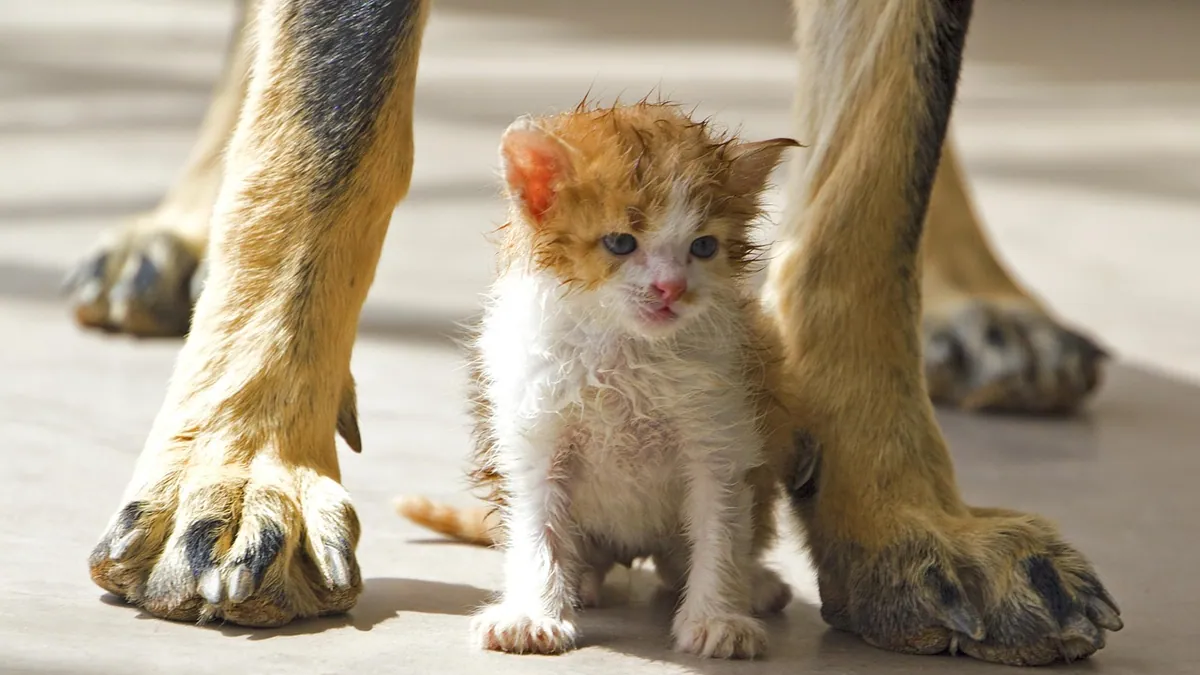
A cat with a body temperature that has dropped below normal may be mildly hypothermic, and the first signs owners often notice are shivering, cold ears and paws, and unusual quietness. Mild hypothermia in cats symptoms are easy to miss at home because they can look like ordinary sleepiness or a cat that simply wants to curl up. This article is educational and is not a substitute for veterinary diagnosis or treatment.
Quick Answer
- A normal cat body temperature is roughly 100.0 to 103.5°F (37.8 to 39.7°C), and mild hypothermia in cats is defined as a temperature of about 98.2 to 99.9°F (36.8 to 37.7°C) [1].
- The most common early signs are shivering, cold ears, cold paws, curling into a tight ball, and seeking warm places.
- Warming should be gradual and gentle. Use blankets, body heat, and a warm room, never a hot water bottle directly against the skin.
- Never use a hair dryer, heating pad on high, or hot water, because a cold cat cannot move away from heat fast enough and burns easily.
- If your cat is unresponsive, barely breathing, stiff, or has a temperature below 95°F (35°C), this is an emergency and you should go to a veterinarian right away [1].
What Mild Hypothermia in Cats Symptoms Look Like
Hypothermia means the body's core temperature has fallen below normal. In cats, veterinarians sort low temperatures into stages. Mild hypothermia is 98.2 to 99.9°F (36.8 to 37.7°C), moderate is 96.1 to 98.1°F (35.6 to 36.7°C), severe is 91.6 to 95.9°F (33.1 to 35.5°C), and critical is 95°F (35°C) or below [1]. These numbers matter because the lower the temperature, the higher the risk of a poor outcome.
Early signs you can see at home
A mildly cold cat is often still alert and able to walk, but something seems off. You may notice:
- Shivering, which is the body's attempt to generate heat
- Cold ears, paws, and tail
- Tucking the paws under the body and curling into a tight ball
- Seeking warm spots like vents, laps, or under blankets
- Slower movement, less interest in food, or unusual quietness
- A tucked tail and hunched posture
Shivering is a good sign in one way. It means the body is still trying to warm itself. As hypothermia gets worse, shivering can stop, which is a warning that the cat is losing the ability to regulate its own temperature.
What is normal
A healthy cat's temperature is about 100.0 to 103.5°F (37.8 to 39.7°C) [1]. Rectal temperature is the most accurate way to check at home, but many owners find it stressful. If you have a pet thermometer and feel comfortable, a gentle rectal reading gives you real information. Ear thermometers made for pets are less reliable, so treat any reading as a rough guide and rely on how your cat looks and acts.
Main Causes of Low Body Temperature in Cats
Cold exposure is the obvious cause, but it is not the only one. A cat's temperature can drop because of illness, injury, or anesthesia. The table below lists common causes and how urgent each one tends to be.
| Cause | Typical clues | How urgent |
|---|---|---|
| Cold weather exposure | Cat was outside, wet, or in a cold room. Shivering, cold ears. | Urgent if temperature keeps dropping or the cat is wet |
| Wet fur or a cold bath | Cat is soaked, especially a kitten or thin cat. | Urgent, dry and warm right away |
| Anesthesia or surgery | Cat recently sedated, groggy, slow to wake. | Same day, follow your veterinarian's instructions |
| Shock or trauma | Weakness, pale gums, fast breathing, collapse. | Emergency now |
| Severe illness or infection | Not eating, vomiting, lethargy, hiding. | Same day to emergency, depending on severity |
| Kidney disease or toxin exposure | Confusion, vomiting, little urine, or known exposure to antifreeze or other poisons. | Emergency now |
| Very young, very old, or very thin cats | Small body size, low body fat, chronic illness. | Same day, these cats lose heat fast |
Cold weather is a major risk for cats that spend time outdoors. Low temperatures combined with wind, snow, or ice can lead to hypothermia and frostbite, and the best prevention is keeping cats indoors [2]. For cats that cannot stay inside, shelter, dry bedding, unfrozen water, and extra food all help, because cats burn more calories to stay warm in winter [2].
Illness can also drive temperature down. In one reported case, a cat with dangerously high magnesium levels from a supplement was brought in with stupor, hypothermia, and a slow heart rate [3]. In people with advanced kidney disease, hypothermia is a rare but serious complication of uremic syndrome, where toxin buildup disrupts normal temperature control [4]. These are uncommon causes, but they show why a low temperature is not always about the weather.
Anesthesia is another common setting. Cats lose heat during surgery, and studies in cats show that insulating the legs and using active warming slows the drop in core temperature [5]. Warmed inspired air also helps maintain body temperature in anesthetized animals [6]. This is why veterinary teams monitor temperature closely during and after procedures.
Red Flags That Make It an Emergency
Some signs mean you should stop what you are doing and get to a veterinarian now. Do not wait to see if your cat warms up on its own.
- Temperature below 95°F (35°C) [1]
- No shivering in a cat that feels very cold
- Unresponsive, limp, or difficult to wake
- Slow, shallow, or irregular breathing
- Pale, white, or blue gums
- Stiff limbs or a body that feels cold to the touch
- Collapse, seizures, or a slow or hard-to-find heartbeat
- Known exposure to a toxin, such as antifreeze
A cat with severe hypothermia may look calm or sleepy, which can fool owners into thinking the cat is just tired. If your cat is cold and not acting normally, treat it as serious. If you suspect poisoning, call the ASPCA Animal Poison Control Center at (888) 426-4435 or the Pet Poison Helpline at (855) 764-7661. For more on toxins, see Antifreeze Poisoning in Dogs and Cats: What Owners Should Know.
Safe At-Home Warming Steps
If your cat is alert, shivering, and able to move, you can start gentle warming at home while you arrange a veterinary visit. The goal is slow, steady warming, not a sudden blast of heat.
Step 1: Move to a warm, dry place
Bring your cat into a warm room, away from drafts, windows, and cold floors. If your cat is wet, gently towel dry the fur. Wet fur pulls heat away from the body fast. Keep the room quiet, because stress can make a cold cat worse.
Step 2: Use gentle, indirect heat
Wrap your cat in a warm blanket or towel. Your own body heat works well. Hold your cat against you, or place a blanket-wrapped cat on your lap. You can also warm towels in a dryer and wrap your cat in them.
If you use a heating pad, set it on the lowest setting and place a thick towel or blanket between the pad and your cat. Never put a heating pad, hot water bottle, or hot pack directly on the skin. A cold cat may not feel pain or pull away from heat, so burns can happen quickly.
Step 3: Warm the core, not just the limbs
Focus on the chest, belly, and back. Warming only the paws and legs can push cold blood back to the heart and make things worse. Keep the limbs covered too, since insulating the legs helps slow heat loss [5].
Step 4: Offer warm fluids and food if your cat is alert
If your cat is fully awake and able to swallow, you can offer a small amount of room-temperature or slightly warm water. Do not force food or water into a cat that is weak, dull, or having trouble swallowing. Do not give any medication, alcohol, or human warming products. Your veterinarian will decide if fluids or other treatment are needed.
Step 5: Check the temperature if you can
If you have a pet thermometer, take a gentle rectal temperature every 10 to 15 minutes. Stop active warming once the temperature reaches about 100°F (37.8°C). Continuing to warm a cat past normal can cause overheating.
Step 6: Call your veterinarian
Even if your cat seems to improve, call your veterinarian. A low temperature can be the first sign of a bigger problem, and your cat may need blood work, fluids, or monitoring. If your cat does not improve within 15 to 20 minutes, or gets worse at any point, go to the nearest emergency clinic.
What Your Veterinarian Will Check and Test
Your veterinarian will start with a full physical exam and an accurate temperature reading. They will check heart rate, breathing, gum color, hydration, and mental alertness. A low temperature at triage is linked to outcome, which is why emergency teams take it seriously [1].
Tests your veterinarian may recommend
- Blood work to check organ function, blood sugar, and electrolytes
- A urine test, especially if kidney problems are suspected
- Imaging such as X-rays or ultrasound if trauma or internal disease is possible
- A toxin screen or specific tests if poisoning is suspected
Treatment
Treatment depends on the cause and how cold your cat is. Mild cases may only need passive warming with blankets and a warm room. More serious cases may need active warming devices, warmed intravenous fluids, oxygen, and treatment for the underlying condition. If your cat is dehydrated, your veterinarian may give fluids under the skin or into a vein. The dose and type of fluid are based on your cat's weight and health, so your veterinarian calculates them for your pet. For signs of dehydration at home, see Cat Dehydration Symptoms: How to Tell and What to Do.
Prevention and Monitoring
Prevention is simpler than treatment. Keep your cat indoors, especially in winter, because outdoor cats face the highest risk of hypothermia and frostbite [2]. If your cat goes outside, limit the time and always check the weather first.
Practical steps
- Provide a warm, dry, draft-free sleeping area inside
- Use heated beds or microwaveable pads made for pets, always with a cover
- Feed a bit more in cold months, since cats burn extra calories to stay warm [2]
- Check older, thin, or sick cats more often, because they lose heat faster
- Dry your cat thoroughly after a bath or if it gets wet
- Watch for shivering, cold ears, and hiding, and act early
If your cat has a chronic illness, ask your veterinarian how to monitor temperature at home and what temperature should prompt a call. Some cats need extra care during cold snaps, and a plan made in advance helps you act fast.
Limitations and When to Contact a Veterinarian
This article gives general guidance, but every cat is different. A temperature reading, the cat's age, weight, health history, and other signs all change what is best for your pet. Your veterinarian is the only one who can diagnose and treat your cat.
Contact your veterinarian the same day if your cat has a temperature between 95°F and 99.9°F (35 to 37.7°C), is shivering and not warming up, is eating less, or has a known illness [1]. Go to an emergency clinic now if your cat is unresponsive, breathing slowly, has pale or blue gums, has a temperature below 95°F (35°C), or was exposed to a toxin [1]. If you are unsure, call first. It is always better to check.
Frequently Asked Questions
Can I warm my cat with a hair dryer?
No, do not use a hair dryer. The heat is hard to control, and a cold cat may not move away from it. Hot air can burn the skin and dry out the coat. Use blankets, body heat, and a warm room instead.
How long does it take for a mildly hypothermic cat to warm up?
With gentle warming, mild cases often improve within 30 to 60 minutes. If your cat is not warming up, or gets worse, that is a sign to seek veterinary care. Do not keep warming at home for hours without checking with a veterinarian.
Is shivering always a sign of hypothermia?
No, cats can shiver from fear, pain, or fever. But shivering along with cold ears, cold paws, and seeking warmth points to a low body temperature. If you are not sure, take a rectal temperature or call your veterinarian.
Can a cat get hypothermia indoors?
Yes. Indoor cats can get cold in a chilly house, after a bath, during anesthesia, or because of illness. Kittens, seniors, and thin cats lose heat fastest. Keep indoor temperatures comfortable and dry your cat well after any bath.
What temperature is too low for a cat?
A temperature below 95°F (35°C) is an emergency and needs immediate veterinary care [1]. Temperatures between 95°F and 99.9°F (35 to 37.7°C) range from severe to mild and should be checked by a veterinarian the same day [1]. If you cannot take a temperature, judge by how your cat looks and acts.
Related Articles
- Cat Heatstroke: Emergency Cooling Steps and When to Rush to the Vet
- Hypoallergenic Cats: Fact or Fiction? A Health Guide
- Cat Dehydration Symptoms: How to Tell and What to Do
- Antifreeze Poisoning in Dogs and Cats: What Owners Should Know
- How Often Do Cats Go Into Heat? Feline Estrous Cycle & Signs Guide
- Cat Drank Antifreeze
- Hypothermia in Cats: At-Home Warming and When to Go
- Hypothermia in Cats After Surgery and Other Causes
- Frostbite in Cats: Signs, Ears, Paws, and Care
References
- Triage body temperature predicts outcome in cats at emergency department admission: a retrospective study of 1440 cases (January 2018 to December 2021). Journal of feline medicine and surgery, 2025.
- Cold Weather Tips For Cats. Cornell University College of Veterinary Medicine.
- Hypermagnesemia in a Cat Secondary to Suspected Intoxication. Journal of veterinary emergency and critical care (San Antonio, Tex. : 2001), 2025.
- Profound Hypothermia as a Rare Presentation of Uremic Syndrome in a Patient With Advanced Chronic Kidney Disease: A Case Report and Literature Review. Cureus, 2026.
- Insulating the extremities of cats with highly insulating materials during anesthesia reduces core temperature decline with additional benefit from active warming. Journal of the American Veterinary Medical Association, 2025.
- Efficacy of Warmed Inspired Air for Prevention of Perianesthetic Hypothermia in New Zealand White Rabbits (Oryctolagus cuniculus). Journal of the American Association for Laboratory Animal Science : JAALAS, 2025.