Can Cats Have Heart Attacks from Stress or Fear?
By Dr. Zubair Khalid, DVM, MS, PhD ·
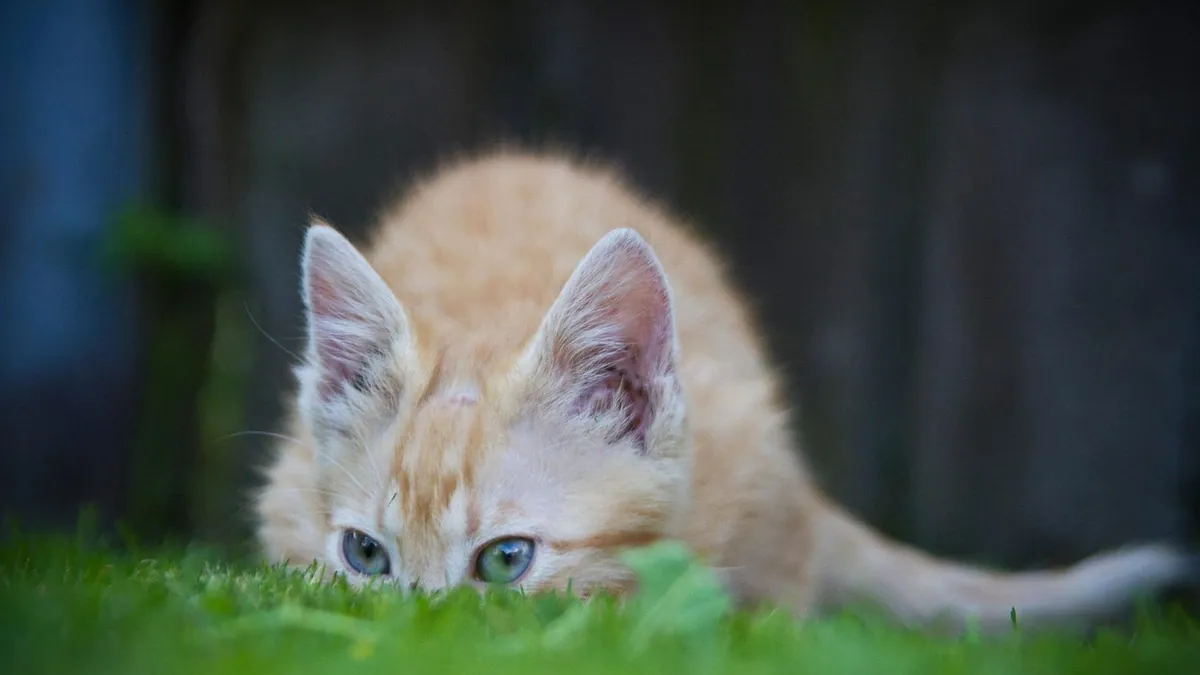
Can cats have heart attacks from being scared? In the everyday sense of a sudden blocked artery, almost never. Cats do not typically get the kind of heart attack people do. But fear and stress can affect a cat's heart, and in rare cases a very frightening event can push a cat with existing heart disease into a crisis.
This article is educational and is not a substitute for veterinary diagnosis or treatment.
Quick Answer
- True heart attacks (blocked coronary arteries causing muscle death) are rare in cats. Cats more often develop heart muscle disease, heart failure, or rhythm problems.
- Severe stress causes a surge of adrenaline and other stress hormones. In a cat with underlying heart disease, that surge can trigger trouble breathing, collapse, or a dangerous heart rhythm.
- Sudden hind leg paralysis, cold back legs, or open-mouth breathing are emergencies. Go to a veterinarian right away.
- You can lower cardiac stress at home with hiding boxes, quiet spaces, and gentle handling. Hiding boxes reduced fear and stress scores in hospitalized cats in most reviewed studies [1].
- Never give a cat human sedatives or anxiety medicines on your own. A veterinarian calculates the dose from your cat's weight and health.
What Is a Heart Attack in Cats?
A heart attack in people usually means a coronary artery is blocked, so part of the heart muscle dies from lack of blood. That pattern is uncommon in cats. When a cat suddenly collapses or struggles to breathe, the cause is usually something else.
Veterinarians use the term heart disease for any abnormality of the heart. That includes problems with structure, function, or electrical activity, and it can be present at birth or develop later [2]. Heart failure is not a single disease. It is a syndrome where severe heart dysfunction means the cardiovascular system cannot keep blood circulating properly [3].
So when an owner asks "can cats have heart attacks from stress," the honest answer is that the feared event is usually one of these:
- Congestive heart failure. Fluid builds up, often in or around the lungs, and the cat breathes hard.
- Arterial thromboembolism. A clot lodges in the arteries of the back legs. The legs go cold and painful, and the cat may drag them.
- A dangerous heart rhythm. The heart beats so fast or so chaotically that blood pressure drops and the cat collapses.
- Transient myocardial thickening. The heart muscle thickens briefly, often after a stressful event like anesthesia and surgery, and can look like hypertrophic cardiomyopathy at first [4].
Signs Owners Notice
Cats hide illness well. The signs below can appear slowly or all at once.
Breathing changes
- Fast breathing while resting
- Open-mouth breathing or panting (always abnormal in a cat)
- Belly moving in and out with each breath
- Sleeping with the head stretched out or the neck extended
Behavior and activity changes
- Hiding more than usual
- Tiring quickly or refusing to play
- Pacing, yowling, or seeming restless and unable to settle. These can be anxiety signs, but they can also point to a medical problem, so see Why Is My Cat Pacing and Meowing? Anxiety or Medical Issue?
- Sudden fear of familiar people, which deserves a closer look. See Why Is My Cat Suddenly Afraid of Me?
Emergency signs
- Sudden hind leg weakness, dragging, or paralysis
- Back legs that feel cold to the touch
- Loud crying or signs of severe pain
- Collapse or fainting
- Blue or gray gums
Cold back legs with sudden paralysis suggest a clot or shock. Read more in Why Is My Cat having cold extremities? Arterial Thromboembolism and Shock.
| Sign | What it may mean | Urgency |
|---|---|---|
| Fast breathing at rest | Possible heart failure or fluid | Same day |
| Open-mouth breathing | Severe respiratory or cardiac distress | Emergency now |
| Sudden hind leg paralysis | Arterial thromboembolism | Emergency now |
| Collapse or fainting | Rhythm problem or low blood pressure | Emergency now |
| Hiding more, less playful | Early heart disease or stress | Routine visit soon |
Causes and Risk Factors
What actually causes heart problems in cats
Most heart disease in cats is acquired, meaning it develops after birth. The most common form is hypertrophic cardiomyopathy, where the heart muscle thickens and the ventricle becomes stiff, which reduces how well it fills with blood [3]. Some cats are born with structural defects. Others develop high blood pressure or heartworm disease.
Slightly more than 10% of animals examined by a veterinarian have some form of cardiovascular disease [2]. That number covers dogs and cats together, and many of those cats have mild disease that is found by chance.
Where stress fits in
Stress does not create a normal heart out of nothing. It acts as a trigger in a heart that already has a problem.
Fear and anxiety set off a stress response. That response releases catecholamines such as adrenaline, which raise heart rate and blood pressure. In a cat with a thickened or weakened heart, that extra workload can tip the balance. One study of cats that developed transient myocardial thickening after spay or neuter surgery noted that perioperative stress, pain, and the resulting catecholamine release may contribute to the condition in susceptible cats [4].
Stress also matters for cats in the hospital. A hiding box reduced fear and stress scores in most of the studies reviewed, and the benefit was seen faster in cats that were aggressive [1]. One study found lower heart rates in cats given a hiding box, though other factors may have played a role [1].
Risk factors to know
- A heart murmur or known heart disease
- Middle age to older cats, though young cats can be affected
- Certain breeds with a higher risk of heart muscle disease
- High blood pressure or thyroid disease
- Pain, surgery, or anesthesia in a cat with heart disease [4]
- A home with constant noise, conflict, or few places to hide
How It Is Diagnosed
Your veterinarian starts with a physical exam, listening for a murmur, a gallop rhythm, or an irregular beat. They check gum color, breathing rate, and pulses in the back legs.
Next steps often include:
- Chest X-rays to look at heart size and check for fluid in or around the lungs
- Echocardiography (ultrasound of the heart) to measure wall thickness, chamber size, and how well the heart pumps
- Blood pressure measurement, since systemic hypertension can stress the heart [3]
- Blood tests to check kidney values, thyroid hormone, and markers of heart muscle strain
- An electrocardiogram to look at the heart's electrical activity, which can reveal rhythm problems [2]
The heart is hard to assess from the outside because it is hidden behind the rib cage, so imaging is often needed to see what is really going on [2].
Treatment Options
Treatment depends on what is wrong. There is no single drug for "cat heart attack."
If the cat is in heart failure
Veterinarians use medications to remove excess fluid, open up blood flow, and support the heart's pumping. Oxygen therapy and a quiet, low-stress cage help a cat in respiratory distress. Diuretics are common. Your veterinarian chooses the drug and the dose based on your cat's weight, kidney function, and current medications.
If there is a rhythm problem
Some cats need drugs to slow or steady the heartbeat. Others need treatment for an underlying cause such as high blood pressure or thyroid disease.
If there is a clot
Clot events are painful and often life threatening. Treatment focuses on pain control, oxygen, and drugs that prevent new clots. Some cats need surgery, though this is not available everywhere.
Managing fear and stress
This is a real part of treatment, not an afterthought. A hiding box, a towel over the carrier, dim light, and minimal handling all lower fear during a hospital stay [1]. At home, keep the routine predictable and give your cat control over where it rests.
If your cat needs help with fear or anxiety, a veterinarian may prescribe an oral medication. A review of oral anxiolytic, sedative, and anesthetic drugs in cats found that many agents can reduce fear-based behavior or produce sedation, though palatability and other practical issues vary [5]. Your veterinarian calculates the dose from your cat's weight and health. Never use your own medication.
For a deeper look at stress signals, see Cat Stress Signs: How to Recognize and Reduce Stress in Your Cat.
Recovery, Outlook, and Long-Term Management
Heart disease in cats generally does not go away. It can become more serious over time and may lead to death [2]. That sounds grim, and it is honest. Many cats still live comfortably for months or years with monitoring and medication.
What long-term care looks like:
- Regular rechecks. Your veterinarian sets the schedule, often every few months, with repeat imaging or blood pressure checks.
- Medication at the same times daily. Missing doses can destabilize a cat in heart failure.
- Breathing rate checks at home. Count breaths while your cat sleeps. A rising rate is often the first sign of trouble.
- Weight and appetite tracking. Loss of appetite is a common early warning.
- Low-stress handling. Keep carrier trips calm and use familiar bedding.
- A safe home base. Cats that hide when scared need quiet, covered spots. If your cat is hissing at nothing or seems to react to things that are not there, that can be a sign of pain, vision change, or another medical issue. See Cat Hissing at Nothing: When to Worry About Hallucinations or Medical Issues.
Cats that survive a cardiac arrest need intensive care afterward. Most rearrest within 24 hours, so post-arrest care focuses on stabilizing the heart and lungs, finding the cause, protecting the brain, and preventing another event [6].
Prevention
You cannot prevent every heart problem. You can lower the odds of a stress-triggered crisis.
Reduce fear at home
- Give your cat at least one hiding spot in every room it uses
- Keep litter boxes, food, and water in quiet, low-traffic areas
- Avoid sudden loud noises and crowded gatherings
- Let your cat approach you instead of picking it up
- Use pheromone sprays or diffusers if your veterinarian recommends them
Reduce fear at the vet
- Use a carrier with a removable top so the exam can happen with less handling
- Cover the carrier with a towel in the car
- Ask about pre-visit medication. Fear, anxiety, and stress are among the most common behavioral problems in cats, and there are established recommendations for making clinic visits calmer for the cat, the owner, and the staff [7]
- Ask for a quiet exam room and time to settle before anyone touches your cat
Screen for heart disease
- Ask your veterinarian to listen for a murmur at every annual exam
- Have blood pressure checked in older cats
- Treat high blood pressure and thyroid disease promptly
- Tell your veterinarian about any prior collapse, fainting, or breathing episode
Limitations and When to Contact a Veterinarian
No article can tell you what is happening inside your cat's chest. Individual cases need a veterinarian who can examine your cat, listen to its heart, and run the right tests.
Go to an emergency clinic now if you see:
- Open-mouth breathing, gasping, or blue gums
- Sudden hind leg paralysis or cold back legs
- Collapse, fainting, or a seizure
- Loud crying with inability to use the back legs
Call for a same-day appointment if you see:
- Resting breathing rate that is clearly faster than usual
- New coughing or wheezing
- Refusing food for more than 24 hours
- Hiding constantly and refusing interaction
Bring up at a routine visit:
- A new murmur or a change in an existing one
- Gradual slowing down or less interest in play
- Any episode of collapse, even if your cat seemed fine afterward
Frequently Asked Questions
Can a cat die from fear?
It is possible but rare. A severe fright can trigger a surge of stress hormones that destabilizes a cat with existing heart disease, leading to heart failure, a dangerous rhythm, or collapse. A healthy cat with a normal heart is very unlikely to die from a scare alone.
Do cats get heart attacks like people do?
Usually no. The classic human heart attack comes from a blocked coronary artery, and that pattern is uncommon in cats. Cats more often develop heart muscle disease, heart failure, or rhythm disturbances that can look similar from the outside.
What should I do if my cat is breathing fast after a scare?
Treat fast breathing at rest as an emergency. Count the breaths while your cat is calm, and if the rate stays high or your cat is using its belly to breathe, go to a veterinarian right away. Do not wait to see if it passes.
Can stress cause heart disease in a cat?
Stress is not known to cause heart disease on its own. It acts as a trigger that can worsen an existing problem, especially in a cat with a thickened heart or high blood pressure. Managing stress is still worthwhile because it improves comfort and lowers the chance of a crisis.
Are some cats more sensitive to stress?
Yes. Cats vary a lot in how they handle change, noise, and handling. Cats that hide, freeze, or become aggressive at the vet tend to show the strongest fear responses, and they often benefit most from hiding boxes and calm handling [1]. Your veterinarian can help you build a plan for a cat that struggles with stress.
Related Articles
- Cat Stress Signs: How to Recognize and Reduce Stress in Your Cat
- Why Is My Cat Pacing and Meowing? Anxiety or Medical Issue?
- Cat Hissing at Nothing: When to Worry About Hallucinations or Medical Issues
- Why Is My Cat Suddenly Afraid of Me?
- Why Is My Cat having cold extremities? Arterial Thromboembolism and Shock
- Cat Anxiety Medication: What You Need to Know
- Can Cats Have Heart Problems or Heart Failure?
- Anxiety in Cats: Causes, Signs, and When to Get Help
- Why Is My Cat Panting Like a Dog? Causes and When to Worry
References
- Thinking inside the box: do hiding boxes reduce the fear and stress of hospitalised cats?. Veterinary evidence, 2025.
- Heart Disease and Heart Failure in Cats - Cat Owners. Merck Veterinary Manual.
- Heart Failure in Cats - Cat Owners. Merck Veterinary Manual.
- Retrospective Evaluation of Anesthetic-Analgesic Protocols in Cats with and Without Transient Myocardial Thickening Following Gonadectomy. Animals : an open access journal from MDPI, 2026.
- Oral use of anxiolytic, sedative, and anaesthetic medications in domestic cats (Felis catus): A scoping review. Veterinary journal (London, England : 1997), 2026.
- Enhancing post-cardiac arrest care for dogs and cats: a veterinary technician's guide to the RECOVER Initiative. Journal of the American Veterinary Medical Association, 2025.
- Tools for the Approach of Fear, Anxiety, and Stress in the Domestic Feline: An Update. Veterinary medicine international, 2025.