Cat Bleeding After Giving Birth: Normal vs Emergency
By Dr. Zubair Khalid, DVM, MS, PhD ·
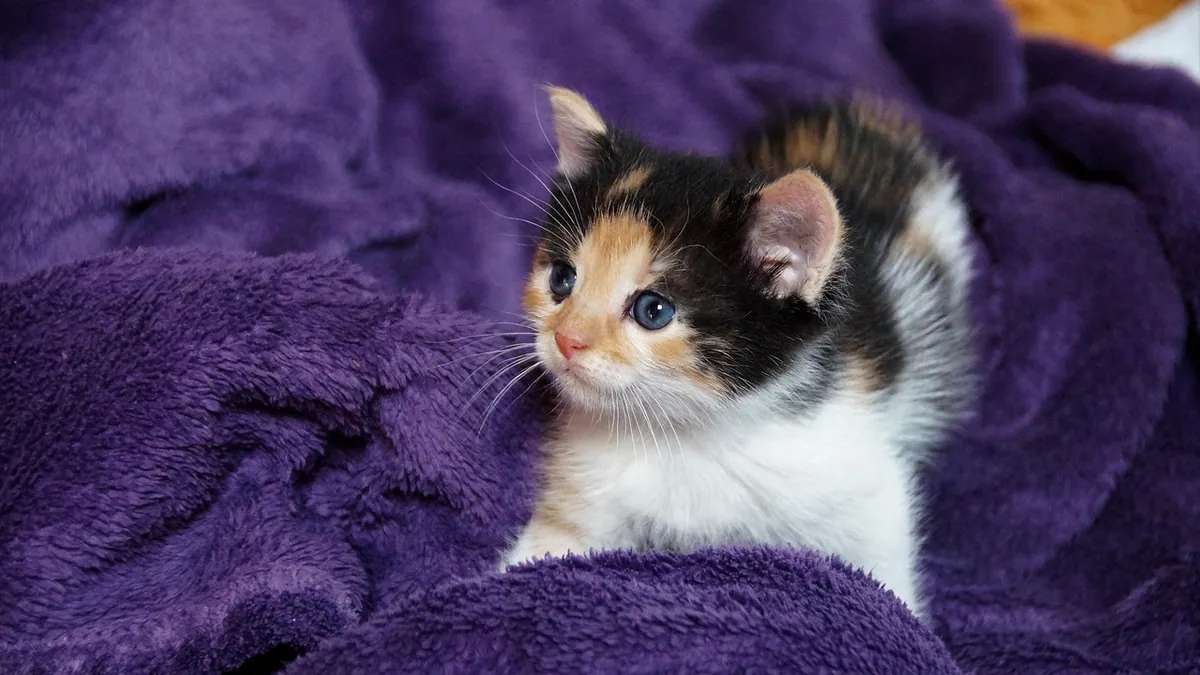
Is it normal for cats to bleed after giving birth? Yes, some bleeding is normal. Most queens have a small amount of bloody discharge for a few days to about a week after delivery. Heavy bleeding, bleeding that lasts longer than a week, or bleeding with lethargy, pale gums, or a foul smell is not normal and needs veterinary care.
This article is educational and is not a substitute for veterinary diagnosis or treatment.
Quick Answer
- A small amount of dark red or brownish discharge for up to about a week after birth is expected in most cats.
- Bright red blood that soaks bedding, drips steadily, or comes in large clots is an emergency. Call an emergency vet right away.
- A retained placenta or a dead kitten still inside the uterus can cause bleeding, infection, and a foul-smelling discharge.
- Signs of shock (pale gums, cold body, weakness, fast breathing) mean you should go to an emergency clinic now.
- Do not give any medication, including pain relievers, without a veterinarian's direction. Many human drugs are toxic to cats.
What Normal Postpartum Bleeding Looks Like in Cats
After your cat delivers her kittens, her uterus is healing and shedding the tissues that supported the pregnancy. Some vaginal discharge is part of that process.
Normal discharge is usually dark red to brownish, sometimes slightly pink. It tends to be modest, meaning you see staining on bedding or around the vulva, not pools of blood. It often decreases over several days. A mild bloody or brownish discharge for a few days after birth is common and expected.
Your cat should look otherwise well during this time. She should be nursing, eating, drinking, and interacting with her kittens. Her gums should stay pink, and she should not act weak or confused.
Bleeding disorders can change this picture. Cats with clotting problems may bleed longer than expected after any tissue trauma, including birth. Platelet problems often cause prolonged bleeding after procedures or small surface bleeds [1]. Clotting-protein defects tend to cause delayed bleeding, deep bruises, or large collections of clotted blood called hematomas [2]. If your cat has a known bleeding disorder, or if she bleeds far more than you expect, treat it as serious.
Main Causes of Bleeding After Birth
Several problems can cause bleeding after a cat gives birth. The table below outlines the most common ones and how urgent each is.
| Cause | Typical clues | How urgent |
|---|---|---|
| Normal postpartum discharge | Dark red or brown discharge, small amount, cat is bright and nursing | Monitor at home |
| Retained placenta | Bleeding continues or worsens, tissue passed, foul smell, cat seems uncomfortable | Call your vet today |
| Retained or dead kitten | Bleeding with lethargy, no more contractions, firm painful belly, no mammary development in some cases [3] | Emergency now |
| Uterine tear or trauma | Sudden heavy bright red bleeding, weakness, collapse | Emergency now |
| Bleeding disorder | Prolonged bleeding after delivery, bruising, nosebleeds, black stools [2][1] | Emergency now |
| Infection (metritis) | Foul-smelling discharge, fever, poor appetite, lethargy | Call your vet today |
Retained Placenta
Each kitten is usually born with its own placenta. Sometimes a placenta stays inside the uterus. This can keep the uterus from closing down normally and can lead to ongoing bleeding or infection. A retained placenta is a common reason for bleeding that does not settle within the expected few days.
Watch for a discharge that smells bad, a cat who seems painful or dull, or bleeding that keeps going. Your veterinarian can examine her and decide whether treatment is needed.
Retained or Dead Kitten
If a kitten remains in the uterus, the cat may stop having contractions and may not deliver the rest of the litter. A retained dead kitten can cause bleeding, infection, and serious illness. In one reported case, a cat with a dead singleton fetus had a 48-hour history of lethargy, increased thirst, poor appetite, and bloody vaginal discharge [3]. That cat also had a firm, painful mass in the abdomen on palpation [3].
This situation is an emergency. The cat can become very sick quickly.
Uterine Tear or Heavy Bleeding
Heavy bleeding after birth is called postpartum hemorrhage. It is a leading cause of illness and death after childbirth in people, and it can happen even in individuals with no risk factors [4]. The same principle applies to cats. A torn uterus or a vessel that does not close can bleed heavily and fast.
If your cat is soaking through bedding with bright red blood, she needs emergency care now.
Bleeding Disorders
Some cats have inherited or acquired problems with clotting. Acquired clotting disorders are more common than inherited ones [2]. Hemophilia A is the most common inherited bleeding disorder in cats, and affected cats bleed for a long time after injury or surgery [2]. Platelet disorders can also cause prolonged bleeding after procedures [1].
If your cat has always bruised easily or bled a lot after past surgeries or injections, tell your veterinarian. That history matters.
Red Flags That Mean Emergency
Call an emergency veterinary clinic right away if you see any of these:
- Bright red blood that soaks bedding or drips steadily
- Large blood clots passed from the vagina
- Bleeding that continues past about a week or gets heavier instead of lighter
- Pale, white, or blue gums
- Weakness, wobbling, collapse, or unresponsiveness
- Fast or labored breathing
- Cold ears, paws, or body
- A foul-smelling discharge
- A firm, painful belly or a cat who cries when touched
- Straining without passing a kitten
- A kitten or placenta you know is still inside
Bleeding into a body cavity is another concern. In cats with hemothorax (blood in the chest), increased breathing rate and effort were common, and most cats were anemic when they arrived [5]. Bleeding inside the body is not always visible from the outside. If your cat is breathing fast or seems weak, do not wait for visible blood.
What You Can Do at Home While You Wait
Your job at home is to keep your cat calm, keep her warm, and get help fast. Do not try to treat heavy bleeding on your own.
- Call the emergency clinic first so they know you are coming.
- Keep your cat and her kittens in a quiet, warm, dim area.
- Place clean towels under her so you can see how much she is bleeding.
- Do not put anything into her vagina and do not pull on any tissue you see.
- Do not give human pain medications. Many are toxic to cats.
- Offer water, but do not force food or fluids.
- If a kitten is stuck and partially visible, do not pull. Let the veterinarian handle it.
- Note the time bleeding started, how much you see, and any other signs. This helps the vet team.
If your cat is bleeding from another site, such as her nose, that can also point to a clotting problem. Our guide on cat bleeding from nose: when to see a vet explains what those signs can mean. Bleeding from the urinary tract is a different issue, covered in cat blood in urine but acting normal: causes and next steps.
What Your Veterinarian Will Check
Your veterinarian will start with a full physical exam. They will check your cat's gum color, heart rate, breathing, temperature, and belly. They will look at the vulva and any discharge.
They may ask about the birth itself. How many kittens were delivered? Did you see a placenta for each one? How long has she been bleeding? Is she nursing?
Testing often includes:
- Blood work to check red blood cells, white blood cells, and platelets
- Clotting tests if a bleeding disorder is suspected
- X-rays or ultrasound to look for a retained kitten or placenta
- A vaginal exam in some cases
Imaging can be very helpful. In the reported case of a dead fetus, radiography showed gas inside the fetus and overlapping skull bones, which are signs of fetal death [3]. Ultrasound showed gas and mineralized bones from the macerated fetus [3]. Your vet may use similar tools to find the cause of bleeding.
Treatment depends on the cause. Options can include fluids, medications to help the uterus contract, antibiotics for infection, surgery to remove a retained placenta or kitten, or a blood or plasma transfusion for serious bleeding. Transfusions of whole blood or plasma are used to treat hemophilia A in cats [2]. Your veterinarian will decide what your cat needs based on her exam and test results.
Prevention and Monitoring After Birth
You cannot prevent every postpartum problem, but good monitoring helps you catch trouble early.
- Count the kittens and the placentas if you can. Knowing how many placentas passed helps your vet.
- Check bedding daily for the amount and color of discharge.
- Weigh kittens daily for the first couple of weeks. Kittens who are not gaining may signal a problem with the mother.
- Watch your cat's appetite, energy, and nursing behavior.
- Keep her indoors and away from other cats while she recovers.
- Schedule a postpartum check with your vet, even if everything looks fine.
If your cat has a known bleeding disorder, talk with your veterinarian before breeding. Hemophilia A is inherited, and affected cats can pass it on [2]. Spaying prevents future pregnancies and removes the risk of postpartum bleeding entirely.
Some bleeding problems show up in other ways. If your cat is scratching herself raw, that is usually a skin issue, not a clotting one. See cat scratching until bleeding: emergency or manageable? for that situation. Blood in vomit or diarrhea is another separate problem, covered in cat vomiting and diarrhea with blood: emergency signs.
Limitations and When to Contact a Veterinarian
This article cannot tell you whether your specific cat is bleeding normally. Only a veterinarian who examines her can do that. Individual cases need a veterinarian's eyes and hands.
Call an emergency clinic now if you see heavy bright red bleeding, large clots, collapse, pale gums, trouble breathing, or a known retained kitten or placenta.
Call your regular veterinarian the same day if bleeding is light but lasting longer than expected, the discharge smells bad, your cat seems painful or dull, or she is not eating well.
Schedule a routine visit if your cat seems well but you want a postpartum check, or if you have questions about spaying and future pregnancies.
Frequently Asked Questions
How long does bleeding last after a cat gives birth?
Light discharge often lasts a few days and can taper off within about a week. If it continues past a week, gets heavier, or smells bad, call your veterinarian. Every cat is different, so your vet's exam is the best guide.
Can a cat bleed to death after giving birth?
Yes, heavy postpartum bleeding can be life threatening. Postpartum hemorrhage is a leading cause of illness and death after childbirth in people, and it can occur without warning [4]. If your cat is soaking bedding or acting weak, go to an emergency clinic right away.
What does a retained placenta look like in a cat?
You may not see the placenta itself. Instead, you may notice bleeding that keeps going, a bad-smelling discharge, or a cat who seems uncomfortable. Your veterinarian can check with an exam and imaging to find out if tissue is still inside.
Should I take my cat to the vet after she gives birth even if she seems fine?
Yes, a postpartum check is a good idea. Your vet can confirm that all kittens and placentas passed, check for infection, and make sure your cat is recovering well. It is also a good time to talk about spaying.
Is bleeding after birth a sign of a clotting disorder in cats?
Sometimes. Clotting-protein defects can cause delayed bleeding, deep bruises, or hematomas, while platelet problems often cause prolonged bleeding after procedures [2][1]. If your cat has bled a lot after past surgeries or injections, tell your vet.
Related Articles
- Cat Scratching Until Bleeding: Emergency or Manageable?
- Cat Bleeding from Nose: When to See a Vet
- Cat Blood in Urine but Acting Normal: Causes and Next Steps
- Cat Eye Discharge: Normal or Infection?
- Cat Vomiting and Diarrhea with Blood: Emergency Signs
- Cat Straining to Pee: Emergency or Urgent?
- Vaginal Discharge in a Pregnant Cat: Normal or Emergency?
- Caring for a Cat After She Gives Birth
- Cat Just Gave Birth: What to Do to Help
References
- Platelets of Cats - Cat Owners. Merck Veterinary Manual.
- Bleeding and Clotting Disorders in Cats - Cat Owners. Merck Veterinary Manual.
- Imaging diagnosis of intrauterine fetal death in a cat with singleton pregnancy. Topics in companion animal medicine, 2026.
- Animal models of postpartum hemorrhage. Lab animal, 2024.
- Causes and consequences of feline haemothorax: A retrospective case series. The Veterinary record, 2024.