Why Is My Senior Dog Peeing Less Often? Causes and When to Worry
By Dr. Zubair Khalid, DVM, MS, PhD ·
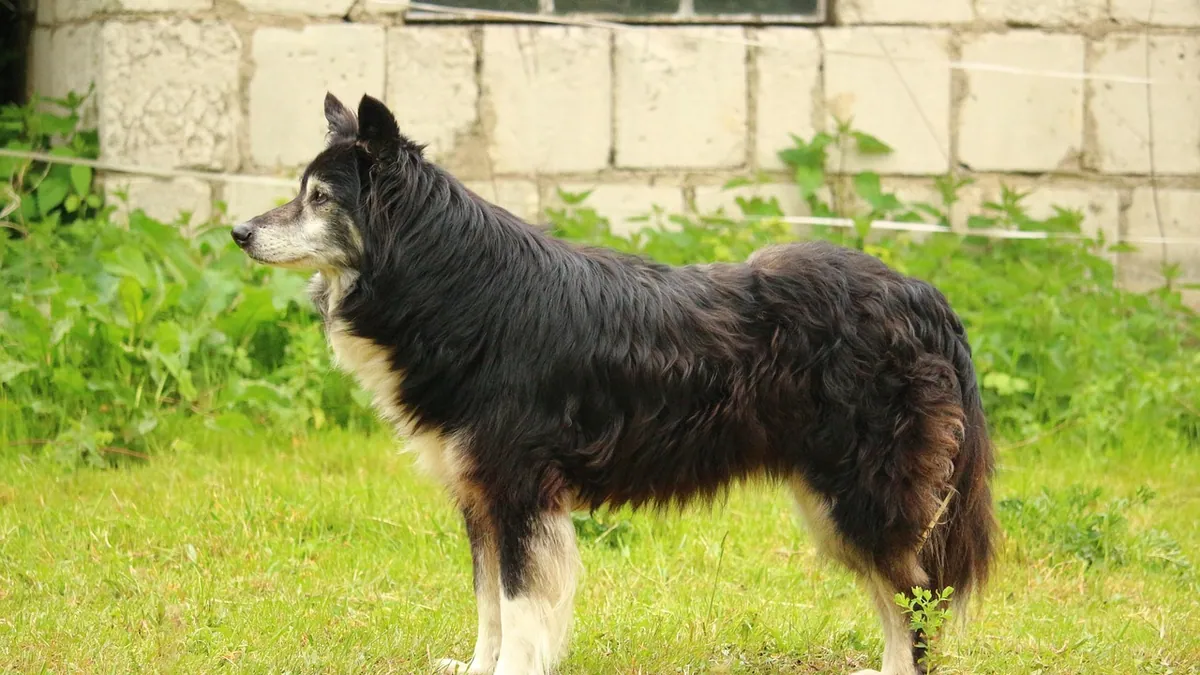
A senior dog urinating less frequently is often an early sign that something has changed in the body, and it deserves attention. Some of the causes are mild, such as drinking less on a hot day or a shift in routine. Others, like kidney disease or a urinary blockage, can become life threatening within hours.
This article is educational and is not a substitute for veterinary diagnosis or treatment.
Quick Answer
- A sudden drop in urination, especially with straining, vomiting, or a hard belly, is an emergency. Call your vet or an emergency clinic now.
- Gradual changes over weeks are more often linked to aging, dehydration, or kidney disease and need a routine but prompt visit.
- Count the actual puddles and note the size for 24 hours. Owners often underestimate how much a dog is producing.
- Never restrict water to reduce urination unless your veterinarian tells you to.
- A dog that cannot pass urine at all can die within a day or two, so do not wait to see if it improves [1].
What Less Frequent Peeing Looks Like and What Is Normal
Most healthy adult dogs urinate roughly 3 to 5 times a day, though this varies with size, diet, weather, and routine. A large dog on dry food in cool weather may go twice a day and be perfectly fine. A small dog on wet food may go 5 or 6 times. The number matters less than the pattern for your individual dog.
What you are watching for is a change from your dog's normal. If your senior dog has always gone out 4 times a day and is now asking to go twice, that is a signal. If your dog has always gone twice a day and still does, that may simply be your dog's normal.
Pay attention to volume as well as frequency. Small, frequent trips with little urine each time point toward irritation or partial blockage, not true reduction in output. You can read more about that pattern in Dog Urinating Small Amounts Frequently: Causes and When to Worry.
Two related patterns often get confused with peeing less:
- Senior dog peeing in sleep. This is usually incontinence, not reduced urination. In spayed female dogs, urethral sphincter mechanism incompetence is the most common cause, and it typically shows up as leaking while sleeping or lying down while the dog still voids normally at other times [2].
- Senior dog not pooping as much. Less stool often means less food intake, which also means less urine. If your dog is eating less, both changes usually trace back to the same problem.
A dog that is producing normal amounts of urine but holding it longer may have pain, arthritis, or trouble posturing. That is a different issue from the kidneys making less urine.
Main Causes of a Senior Dog Urinating Less Frequently
The causes fall into three broad groups: the dog is not making enough urine, the urine is being held or blocked, or the dog is losing fluid somewhere else. The table below gives the typical clues for each.
| Cause | Typical clues | How urgent |
|---|---|---|
| Dehydration from reduced drinking | Tacky gums, skin tenting, mild lethargy, less urine of normal color | Same-day visit if it persists more than a day |
| Age-related water loss and reduced thirst | Gradual decline over months, dry gums, weight loss, low energy | Routine visit, but do not delay |
| Chronic kidney disease | Increased drinking and urination early on, then reduced output late, weight loss, bad breath | Prompt visit, same day if vomiting |
| Acute kidney injury | Sudden drop in urine, vomiting, not eating, possible toxin exposure | Emergency now |
| Urinary obstruction (stones, tumor, stricture) | Straining, dribbling, hard or painful belly, restlessness, no urine | Emergency now |
| Neurologic bladder problems | Distended but soft bladder, weak tail or hind end, leaking | Same-day to emergency |
| Pain or arthritis | Reluctance to posture, accidents indoors, holding longer | Routine visit |
| Medications or diet changes | Timing matches a new drug or food | Call your vet |
Dehydration and Aging Changes
Aging changes how a dog handles water. Body composition shifts, thirst perception drops, and the kidney becomes less able to concentrate urine, all of which push older dogs toward dehydration [3]. That dehydration can reduce urine output even when the kidneys are working reasonably well.
This is one reason a senior dog may drink less without any obvious illness. It is also why free access to fresh water matters more, not less, as your dog ages.
Kidney Disease
Kidney disease is one of the most common reasons a senior dog's urination pattern changes. Early on, damaged kidneys lose the ability to concentrate urine, so the dog drinks more and pees more. As the disease advances, the kidneys can produce less urine overall.
Acute kidney injury is the more dangerous form. It can follow exposure to certain drugs or toxins, and it can cause a dog to stop producing urine almost entirely. In one reported case, a dog developed severe oliguria (very low urine output) after receiving firocoxib, and the dog needed dialysis to recover [4]. About half of dogs with severe acute kidney injury survive [1].
Urinary Obstruction
A blockage anywhere from the kidney down to the urethra stops urine from leaving the body. The bladder fills, the dog strains, and little or nothing comes out. Stones, tumors, and scar tissue are common causes.
Urothelial carcinoma is the most common bladder tumor in dogs and often invades the trigone, urethra, or prostate, where it can block urine flow [5]. In one case report, a 14-year-old dog with a trigonal mass and extensive stones had reduced urine volume per voiding and prolonged urination time before a stent restored flow [6]. Stones alone can also cause urinary retention, along with pain, blood in the urine, and straining [7].
Neurologic and Muscle Causes
Nerves control the bladder. Damage to the sacral spinal cord or pelvic nerves, or a bladder muscle that has lost its tone, leads to a distended bladder that may be easy to express but that the dog cannot empty voluntarily [2]. Anal tone and the perineal reflex are often reduced in these dogs.
Pain, Arthritis, and Behavior
An older dog with sore hips or knees may hold urine longer because posturing hurts. A dog with cognitive changes may forget the routine. These causes are less dangerous but still worth addressing, because holding urine raises the risk of infection.
If your dog is having accidents instead of holding it, see Older Dog Peeing In House.
Red Flags That Make This an Emergency
Go to an emergency clinic now if you see any of these:
- Your dog is straining to urinate with nothing or only drops coming out.
- The belly feels hard, tight, or painful.
- Your dog is vomiting, drooling, pacing, or crying.
- There has been no urine for 12 hours or more.
- Your dog collapsed or is very weak.
- You suspect exposure to antifreeze, grapes, raisins, certain pain medications, or any toxin.
A complete blockage can be fatal within a day or two, especially when both kidneys are affected suddenly [1]. Do not wait for a morning appointment if your dog cannot pass urine.
Call your veterinarian the same day if you see:
- A clear drop in urine output over 24 hours
- Vomiting or not eating
- Bad breath, mouth ulcers, or weight loss
- A new medication started within the past week
Safe Things You Can Do at Home While You Wait
You cannot fix a blockage or kidney failure at home. What you can do is gather information and avoid making things worse.
- Do not restrict water. Unless your vet has told you otherwise, leave fresh water available. Limiting water can speed up dehydration and kidney injury.
- Measure output. Note the time and rough size of each urination for 24 hours. A rough scale (small, medium, large) is enough.
- Check the gums. Dry or tacky gums suggest dehydration. So does skin that stays tented when you gently pinch it.
- Offer wet food or a little water added to kibble if your dog is eating. This adds fluid without forcing it.
- Keep the routine calm. Stress can reduce drinking in some dogs.
- Do not give human pain medications. Many are toxic to dogs, and some, like firocoxib in the case above, have been linked to acute kidney injury [4].
- Call ahead. Emergency clinics often want to know your dog is struggling to urinate so they can prepare.
If your dog is drinking and peeing more than usual instead, that is a different pattern. See Why Is My Dog Peeing So Much?.
What Your Veterinarian Will Check and Test
Your vet will start with a physical exam. They will feel the bladder through the belly wall. A large, firm, painful bladder suggests obstruction. A large, soft bladder that expresses easily suggests a neurologic or muscle problem [2].
They will also check hydration, gum color, heart rate, and temperature, and they may check anal tone and the perineal reflex if a nerve problem is suspected [2].
Common tests include:
- Blood work. Blood urea nitrogen and creatinine rise when the kidneys are not filtering well. In the case report above, both improved within 3 days after urine flow was restored [6].
- Urinalysis. This shows how well the urine is concentrated and whether there is blood, protein, or infection. Dogs with stones often show protein and blood in the urine [7].
- Imaging. X-rays and ultrasound can find stones, tumors, and enlarged kidneys. When urine flow is blocked, the kidney can become abnormally enlarged and the ureter can dilate from backed-up urine [1].
- Urine culture. This checks for infection, which can cause straining and frequent small voiding.
If your dog is not producing urine, treatment may include intravenous fluids, a urinary catheter, and sometimes medication to promote urination [1]. If those fail and the dog is truly not making urine, the remaining options are dialysis or euthanasia [1]. For dogs with a tumor blocking the urethra, radiation therapy relieved the obstruction in 15 of 25 dogs in one study, with higher success using definitive-intent protocols [5].
Prevention and Monitoring for Senior Dogs
You cannot prevent every cause, but you can catch changes early.
- Track the routine. Note how often your dog goes out and roughly how much. A written log for a week gives your vet real data.
- Weigh your dog monthly. Weight loss often shows up before other signs of kidney disease.
- Keep water available and clean. Refresh bowls daily, and consider a fountain if your dog likes moving water.
- Ask about kidney-friendly monitoring. Senior blood work and a urinalysis once or twice a year can catch kidney changes before symptoms appear.
- Review medications. Ask your vet whether any current drug can affect kidney function or urine output.
- Watch for the opposite pattern too. A sudden increase in drinking and urination is often the first sign of kidney trouble. See Dog Urinating More Frequently: When to See the Vet.
Limitations and When to Contact a Veterinarian
This article cannot tell you what is wrong with your individual dog. Only a veterinarian who examines your dog, runs tests, and knows the history can do that.
Emergency now: no urine for 12 hours, straining with no output, a hard or painful belly, vomiting with reduced urination, collapse, or known toxin exposure.
Same day: a clear drop in urine output over 24 hours, not eating, vomiting, bad breath, or a new medication that lines up with the change.
Routine visit within a few days: a gradual decline over weeks with normal energy and appetite, or a change you have noticed but cannot pin down.
When in doubt, call. A phone call costs nothing, and a blocked bladder does not wait.
Frequently Asked Questions
Is it normal for an older dog to pee less often?
A mild, gradual change can be part of normal aging, since older dogs often drink less and lose some ability to concentrate urine [3]. A sudden change, or one that comes with vomiting, straining, or weight loss, is not normal and needs a vet visit.
How many times a day should a senior dog urinate?
There is no single correct number. Most healthy dogs go 3 to 5 times a day, but large dogs in cool weather may go twice and be fine. What matters is whether your dog's pattern has changed from its own baseline.
Can dehydration alone cause a senior dog to pee less?
Yes. Older dogs have reduced thirst perception and altered water balance, so they can become dehydrated more easily [3]. Dehydration reduces urine output, and it can also worsen kidney function if it continues.
What if my senior dog is peeing less but acting normal?
A gradual drop with normal energy and appetite still deserves a routine vet visit and a urine test. Early kidney disease often causes no obvious signs beyond a change in drinking and urination.
Can a urinary blockage in a dog fix itself?
No. A true blockage from a stone, tumor, or stricture will not clear on its own, and a complete blockage can be fatal within a day or two [1]. This is always an emergency, even if your dog seems calm.
Related Articles
- Dog Urinating Small Amounts Frequently: Causes and When to Worry
- Why Is My Dog Peeing So Much?
- Dog Urinating More Frequently: When to See the Vet
- Dog Urinating Frequently: Causes and When to Call the Vet
- Older Dog Peeing In House
- Dog Urinating More Often: When to See a Vet and When to Wait
- Why Is My Dog Leaking Urine? Causes and When to Worry
- Senior Dog Incontinence While Sleeping: Causes and Help
- Clear Dog Pee: Is It Normal or a Warning Sign?
References
- Noninfectious Diseases of the Urinary System in Dogs - Dog Owners. Merck Veterinary Manual.
- Disorders of Micturition in Dogs and Cats - Urinary System. Merck Veterinary Manual.
- The Emerging Role of Water Loss in Dog Aging. Cells, 2025.
- Resolution of Noncardiogenic Pulmonary Oedema and Suspected Uraemic Pneumonitis in a Dog With Acute Kidney Injury Treated by Haemodialysis. Veterinary medicine and science, 2026.
- Radiation therapy as a treatment for urinary obstruction secondary to urothelial carcinoma in dogs. Journal of veterinary internal medicine, 2026.
- Case Report of Urethral Stenting in a Dog with Multifactorial Lower Urinary Tract Obstruction Associated with Suspected Transitional Cell Carcinoma and Severe Cystolithiasis. Veterinary sciences, 2026.
- Comprehensive diagnostic evaluation of urolithiasis and cystitis in K9 dogs in Iraq: Clinical, laboratory, and imaging correlates. Open veterinary journal, 2025.