Senior Dog Not Eating: Causes, Weight Loss and What to Do
By Dr. Zubair Khalid, DVM, MS, PhD ·
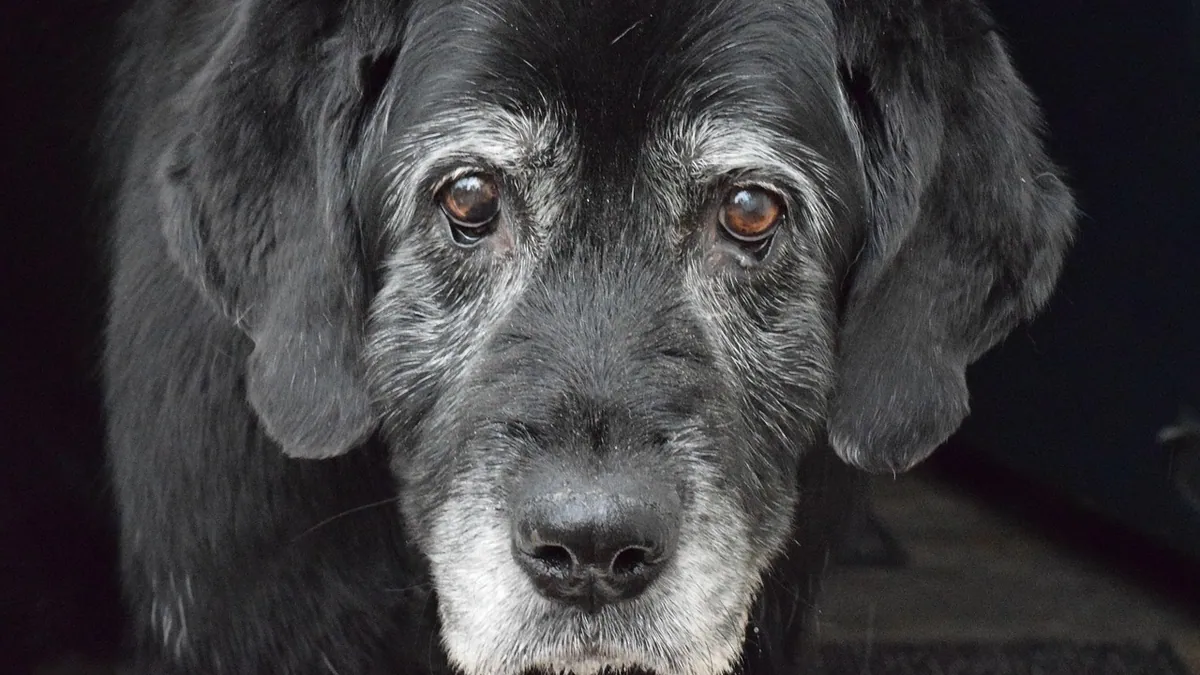
A senior dog who stops eating is telling you something. Sometimes it is as simple as a dull appetite or a sore mouth, and sometimes it points to organ disease, pain, or dental trouble that needs treatment. The longer an older dog goes without food, the more weight and muscle they lose, so it helps to know what to watch for and when to call your veterinarian.
This article is educational and is not a substitute for veterinary diagnosis or treatment.
Quick Answer
- A senior dog who skips one meal but still drinks, plays, and acts normal can often be watched for 12 to 24 hours.
- A senior dog who has not eaten for 24 hours, or who is vomiting, weak, or painful, needs to be seen the same day.
- Weight loss with a normal or increased appetite is a red flag for problems like diabetes, kidney disease, or cancer.
- Not eating plus not pooping can mean an intestinal blockage, severe constipation, or another emergency.
- Never force food or water into your dog's mouth, and never give human medications for nausea or pain.
What Going Off Food Looks Like in an Older Dog
A senior dog eating less can show up in different ways. Some dogs walk away from a full bowl. Others eat a few bites and quit. Some seem hungry but drop food out of their mouth, chew on one side, or swallow with effort. Others beg for treats but refuse their regular meals.
The pattern matters as much as the amount. A dog who eats well for two days and then skips a day is different from a dog whose appetite has been sliding downhill for two weeks. Keep a simple log of what your dog eats, how much, and when. That record helps your veterinarian more than a general memory of "he's not eating much."
It also helps to know what is normal for your dog. A picky eater who has always been fussy is different from a dog who has cleaned the bowl for 10 years and suddenly stops. Any sudden change in a senior dog deserves attention.
Main Causes of a Senior Dog Not Eating
Many conditions cause appetite loss in older dogs. Some are mild and treatable. Others are serious and get worse without care. The table below groups the most common causes and the clues that point to each one.
| Cause | Typical clues | How urgent |
|---|---|---|
| Dental disease or oral pain | Drooling, dropping food, bad breath, chewing on one side, yelping when eating | Vet visit within a day or two |
| Nausea or stomach upset | Vomiting, lip licking, eating grass, gulping water then vomiting | Same-day call if it lasts more than 24 hours |
| Kidney disease | Drinking more, urinating more, weight loss, dull coat, vomiting | Same-day to urgent |
| Liver disease | Vomiting, yellow gums or eyes, lethargy, weight loss | Urgent |
| Pancreatitis | Painful belly, hunched posture, vomiting, history of fatty meal | Emergency |
| Diabetes | Drinking and urinating more, weight loss despite eating, cloudy eyes | Same-day to urgent |
| Cancer | Weight loss, lumps, bleeding, pain, gradual appetite decline | Urgent |
| Dental or oral tumors | Foul odor, visible mass, bleeding, trouble swallowing | Urgent |
| Pain anywhere | Stiffness, reluctance to move, whining, pacing, panting | Same-day to urgent |
| Cognitive decline | Pacing, staring at walls, night waking, house soiling, confusion | Routine visit soon |
| Medication side effects | Appetite loss starting after a new drug or dose change | Call your vet the same day |
| Stress or environment change | New pet, move, schedule change, recent boarding | Watch for 24 to 48 hours |
Cognitive changes are common in aging dogs. In one survey of owners of geriatric dogs, 89% reported signs consistent with canine cognitive dysfunction, and most of those dogs also showed myoclonus, which are sudden muscle jerks [1]. Cognitive decline in dogs is also highly variable, meaning some dogs change slowly and others decline faster [2]. A dog with dementia may forget to eat, pace at night, or seem confused about where the bowl is.
Urinary and kidney problems often travel with cognitive decline. In a study of aging dogs, urine specific gravity decreased significantly with age, and urinalysis abnormalities like proteinuria were common [3]. That is one reason a senior dog who is not eating but drinking water needs a urine test, not just a wait-and-see approach.
If your dog is eating but still losing weight, that is a different problem with its own list of causes. You can read more about that pattern in Why Is My Dog Losing Weight?.
Senior Dog Not Eating but Drinking Water
This is one of the most common calls veterinarians get. A dog who refuses food but drains the water bowl often has one of a few problems.
Increased thirst with appetite loss can point to kidney disease, diabetes, liver disease, or a urinary tract infection. It can also happen with nausea, fever, or pain. In some dogs, drinking a lot of water actually makes them feel full, which reduces appetite.
A dog who is drinking but not eating is not safe to leave for days. Water keeps them hydrated for a while, but they still need calories, protein, and electrolytes. If this pattern lasts more than 24 hours, call your veterinarian.
Senior Dog Not Eating and Not Pooping
No stool plus no food is a more urgent combination. It can mean:
- Severe constipation, which is common in older dogs and can become painful and dangerous
- An intestinal blockage from a toy, bone, or foreign object
- A mass or stricture in the intestines
- Severe dehydration or weakness
- Pain that is stopping normal gut movement
If your dog has not pooped in 24 to 48 hours and is also not eating, treat it as a same-day problem. If your dog is retching, has a swollen belly, or is crying out, go to an emergency clinic now.
Red Flags That Mean Emergency Care Now
Call an emergency hospital or go in immediately if your senior dog has any of these:
- A bloated, hard, or painful belly
- Unproductive retching or repeated vomiting
- Collapse, weakness, or trouble standing
- Pale, white, or blue gums
- Trouble breathing
- Seizures or sudden disorientation
- A known or suspected toxin exposure
- Severe pain, crying, or restlessness that will not settle
- Blood in vomit or stool, or black tarry stool
For suspected poisoning, call the ASPCA Animal Poison Control Center at (888) 426-4435 or the Pet Poison Helpline at (855) 764-7661. Keep the product container and note the time of exposure.
What You Can Safely Do at Home While You Wait
You cannot diagnose your dog at home, but you can gather useful information and make eating a little easier.
Offer small, frequent meals. Instead of one big bowl, offer a few tablespoons every few hours. A dog who feels nauseated may eat a little when the portion is tiny.
Warm the food slightly. A few seconds in the microwave can make food smell stronger, which often helps older dogs with a reduced sense of smell. Stir it well and test the temperature with your finger.
Try a bland, gentle option. Plain cooked chicken or turkey with white rice is a short-term option for an upset stomach, but it is not a complete diet for more than a few days [4]. Ask your veterinarian how long to use it and what to transition to.
Hand-feed if it helps. Some dogs eat better from your hand or from a flat plate. This is fine as a short-term trick.
Keep treats to a small share of the diet. Veterinary nutritionists often recommend keeping treats to about 10% of total calories, especially if weight is a concern [4]. If your dog is refusing meals but taking treats, that still counts as a clue, not a solution.
Do not force food or water. Forcing can cause choking and aspiration pneumonia. It also makes your dog afraid of you and of eating.
Do not give human medications. Human anti-nausea drugs, pain relievers, and appetite stimulants can be toxic to dogs. Your veterinarian will calculate any dose from your dog's weight and health.
Keep a log. Write down what was offered, how much was eaten, when your dog last pooped and urinated, and any vomiting. Bring this to your appointment.
If your dog is not eating at all and you want a broader symptom guide, see Dog Not Eating: When to Worry and What to Do.
What Your Veterinarian Will Check
Your veterinarian will start with a full physical exam. That includes checking your dog's mouth and teeth, feeling the abdomen, checking hydration, and looking for pain, masses, or enlarged organs. They will also weigh your dog and compare that to previous weights, since trends matter more than a single number.
Common tests include:
- Blood work (complete blood count and chemistry panel) to check organs, blood sugar, and protein levels
- Urinalysis to look for infection, crystals, protein, and urine concentration
- Fecal testing for parasites and digestive problems
- X-rays or ultrasound to look for masses, blockages, or organ changes
- Blood pressure, since high blood pressure is more common in older dogs and can affect appetite and organs
If your dog has lost weight, your veterinarian may also calculate a body condition score and muscle condition score. These help separate fat loss from muscle loss, which changes the treatment plan.
Nutrition often becomes part of the plan. There is no single senior diet that fits every dog. A veterinary nutritionist quoted by Cornell notes that a senior diet is not automatically needed unless there are specific problems like muscle wasting, arthritis, or obesity, and that these conditions each need a different approach [5]. Many older dogs do better on slightly higher protein and marine-based omega-3 fatty acids, but fat levels need care [5].
If your dog needs to gain or lose weight, the plan should be built with your veterinarian. Home-prepared diets can work, but they must be complete and balanced, and a custom recipe from a veterinary nutritionist is often the best route for dogs with health conditions [4]. For weight management support, see Dog Weight Loss Tips.
Preventing and Monitoring Appetite Problems in Senior Dogs
You cannot prevent every cause of appetite loss, but you can catch problems earlier.
Weigh your dog monthly. Use the same scale and record the number. A slow drop of a pound or two over a few months is easy to miss by eye.
Watch water intake. A sudden increase in drinking is a signal worth a vet visit, even if your dog is still eating.
Check the mouth regularly. Lift the lips and look at the teeth and gums once a week. Dental pain is one of the most common and most fixable reasons a senior dog stops eating.
Keep a stool and urine log. Note the last time your dog pooped and urinated, and what it looked like. Changes in color, consistency, or frequency matter.
Stick to a routine. Feed at the same times in the same place. Older dogs with cognitive changes do better with predictable schedules.
Ask about diet at every senior wellness visit. Bring the food label and note how much you feed. Your veterinarian can adjust the plan as your dog's body changes.
Do not switch foods suddenly. Rapid changes can cause stomach upset. Transition over several days by mixing increasing amounts of the new food with the old.
Limitations and When to Contact a Veterinarian
This article cannot tell you what is wrong with your individual dog. Only a veterinarian who examines your dog, reviews the history, and runs tests can do that.
Call your veterinarian the same day if your senior dog:
- Has not eaten for 24 hours
- Is eating less for more than two or three days
- Is drinking much more or much less than usual
- Has vomited more than once or has diarrhea lasting more than a day
- Has not pooped in 24 to 48 hours
- Is losing weight
- Seems painful, weak, or confused
- Started a new medication and then stopped eating
Go to an emergency clinic now if your dog has a swollen belly, repeated unproductive retching, collapse, trouble breathing, pale gums, seizures, or a suspected poisoning.
Frequently Asked Questions
How long can a senior dog go without eating?
Most healthy adult dogs can go about 24 hours without food before it becomes a concern, but senior dogs have less reserve. A dog with an underlying illness can decline much faster. If your older dog has not eaten in 24 hours, call your veterinarian instead of waiting longer.
Why is my old dog not eating but still drinking water?
Increased thirst with appetite loss often points to kidney disease, diabetes, liver disease, or a urinary infection. It can also happen with nausea or pain. Because these conditions get worse without treatment, a same-day call is the right move.
Should I switch my senior dog's food to tempt them?
A sudden food switch can cause stomach upset, so it is usually better to warm the current food or offer small amounts more often. If your dog has a specific health problem, your veterinarian may recommend a different diet. Ask before making a permanent change.
Can dental pain really stop a dog from eating?
Yes. Dental disease, broken teeth, and oral tumors are common in older dogs and can make chewing painful enough that a dog refuses food. Signs include drooling, dropping food, bad breath, and chewing on one side. A dental exam is one of the first things your veterinarian will do.
My senior dog is eating but losing weight. What does that mean?
Eating normally while losing weight usually means the body is not absorbing or using nutrients properly. Common causes include diabetes, kidney disease, cancer, and intestinal disease. This pattern needs a veterinary visit with blood work and a weight trend, not a wait-and-see approach.
Related Articles
- Dog Not Eating: When to Worry and What to Do
- Why Is My Dog Not Eating?
- Why Is My Dog Losing Weight?
- Dog Weight Loss Tips
- Senior Cat Weight Loss: When to Worry and What to Do
- Dog Diarrhea and Not Eating: Causes and When to Act
- Dog Loss of Appetite: Causes and When to Worry
- Senior Dog Diet Plan: What to Feed an Older Dog
- Dog Can't Keep Food Down: Causes and What to Do
References
- Myoclonus in geriatric dogs and its association with canine cognitive dysfunction: an online survey. Frontiers in veterinary science, 2026.
- Aging dogs exhibit heterogeneous cognitive decline trajectories: A longitudinal comparative model. Journal of Alzheimer's disease : JAD, 2026.
- The relationship between urinalysis abnormalities, soiling behavior, and cognitive decline in aging dogs. Journal of veterinary internal medicine, 2026.
- Re-evaluating your dog’s diet. Cornell University College of Veterinary Medicine.
- Choosing food for your senior dog. Cornell University College of Veterinary Medicine.