How Often Do Cats Poop? Normal Schedule Explained
By Dr. Zubair Khalid, DVM, MS, PhD ·
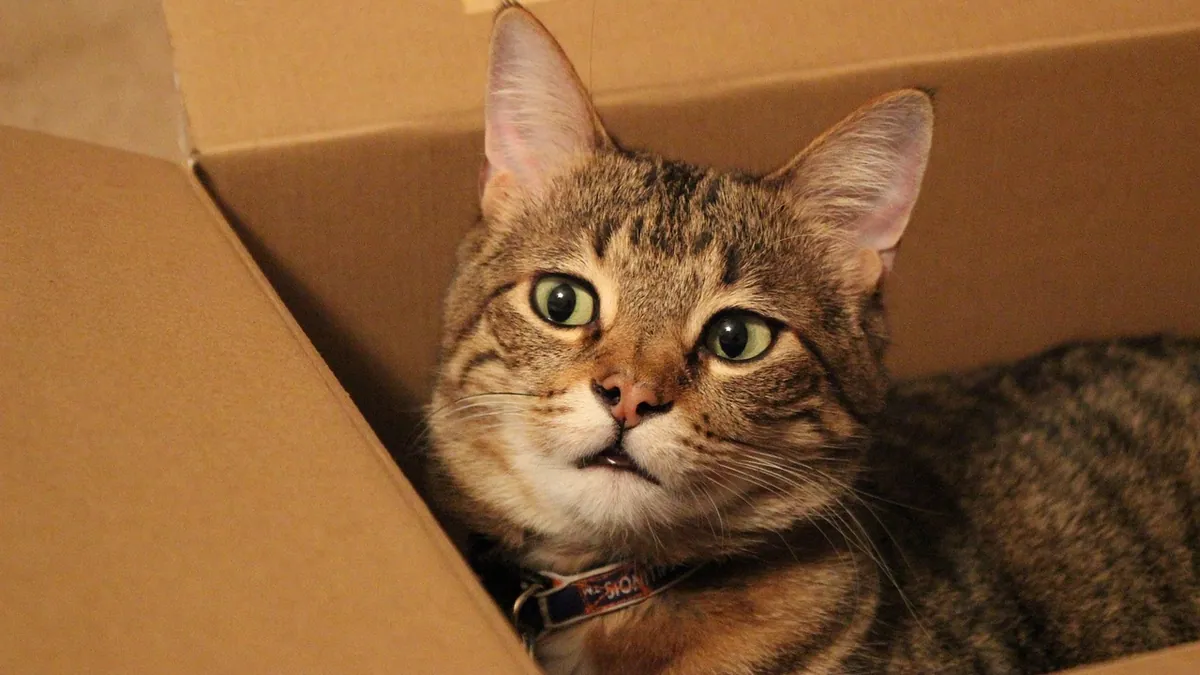
Most healthy adult cats poop about once or twice a day, though the exact timing depends on age, diet, and each cat's own rhythm. Kittens go more often, and some adults skip a day without any problem. Knowing your cat's personal baseline is what helps you catch constipation or diarrhea early.
This article is educational and is not a substitute for veterinary diagnosis or treatment.
Quick Answer
- A typical adult cat produces one to two bowel movements in 24 hours, and the stool should be firm, log shaped, and easy to scoop.
- Kittens eat more often and usually poop two to four times a day.
- Most cats poop within a few hours after a meal, often 4 to 12 hours later.
- A single missed day can be normal, but two or more days without poop is a reason to call your veterinarian.
- Any sudden change in frequency, color, or consistency that lasts more than 24 to 48 hours deserves a checkup.
What Normal Cat Poop Looks Like
Normal stool is brown, holds its shape, and has a mild odor. It should not be rock hard, watery, greasy, or coated in mucus. A healthy cat squats, produces stool without crying out, and walks away without licking or biting at the rear end.
Pain or discomfort around the rear end shows up in specific ways. A cat may scoot its buttocks on the ground, lick or bite at the anal area, or strain painfully while defecating [1]. Those signs point to a problem in or around the rectum or anal sacs, not just a picky litter box habit.
The litter box itself is your best record. Scoop at the same time each day so you learn how many deposits your cat leaves and what they look like. That habit gives you a real baseline instead of a guess.
When Do Cats Usually Poop? Frequency by Age and Diet
Adult cats
For most healthy adult cats, one to two bowel movements a day is the norm. A study that tracked defecation in healthy cats and cats with chronic kidney disease found that healthy cats had far fewer days without a bowel movement than cats with kidney disease [2]. In other words, a cat that regularly skips days is not simply "normal for them" if they are older or have kidney issues.
Kittens
Kittens eat small meals more often, so they poop more often. Expect two to four bowel movements a day in most kittens. Very young kittens who are still nursing need help from their mother to stimulate defecation, and orphaned kittens need the same help from a caregiver.
Senior cats
Older cats slow down in many ways, including in the gut. They are also more likely to have chronic kidney disease, which raises the risk of constipation [2]. If your senior cat's output drops from daily to every other day, mention it at the next visit or sooner.
Diet and hydration
Dry food only diets, low fiber, and poor water intake all make stool harder and less frequent. Cats on a high fiber or psyllium supplemented diet often pass stool more easily and more regularly. In one six month trial, cats with chronic constipation did better on a gastrointestinal diet containing 6% psyllium than on a control diet with 0.5% psyllium [3]. Fiber helps by adding bulk, which also helps the anal sacs empty as stool passes [1].
When do cats poop after eating?
Most cats move their bowels a few hours after a meal, commonly 4 to 12 hours later. That timing follows the gastrocolic reflex, the wave of gut activity triggered by eating. If your cat eats at 7 a.m. and again at 6 p.m., you may see stool in the box mid morning and late evening.
How Do Cats Poop?
Cats squat with their back rounded, tail lifted, and hind legs planted. The colon pushes stool toward the rectum, and the anal sphincter relaxes to let it out. Anal sacs on each side of the anus release a small amount of fluid as stool passes.
When that process hurts, cats change their behavior. They may strain, cry, or leave the box without producing anything. Impacted anal sacs feel like hard masses near the sacs, and an abscessed gland can ooze next to the anus [1]. A veterinarian can often express impacted sacs by hand, and if the material is too hard or dry, a softening agent can be infused into the sac [1]. Antibiotics may be prescribed if infection is present, and surgery to remove the sacs is an option when treatment fails or the problem keeps returning [1].
Main Causes of a Change in Pooping
| Cause | Typical clues | How urgent |
|---|---|---|
| Constipation | Hard, dry, small stool, straining, less frequent trips to the box | Call your vet if it lasts more than 24 to 48 hours |
| Chronic kidney disease | Older cat, drinking more, urinating more, more days with no stool [2] | Routine visit soon, sooner if not eating |
| Large bowel diarrhea | Small amounts of soft stool with mucus or blood, urgency, straining [4] | Same day if there is blood or your cat seems sick |
| Chronic diarrhea | Loose stool lasting weeks, weight loss, dull coat [5] | Routine visit, sooner if weight is dropping |
| Anal sac disease | Scooting, licking the rear, pain when sitting or pooping [1] | Same day if swollen or oozing |
| Intestinal parasites or infection | Sudden diarrhea, sometimes with vomiting | Same day for a fecal test |
| Rectal tumor | Straining, narrow stool, blood, older cat | Prompt visit, since malignant rectal tumors in cats are usually lymphosarcoma and need chemotherapy [1] |
Chronic diarrhea in cats has many possible causes, and the mechanisms include osmotic and secretory diarrhea, a leaky intestinal barrier, and abnormal gut motility [5]. Sorting out which one is happening matters, because treatment and diet depend on the answer [5]. In one review of 493 cats with chronic diarrhea, feline coronavirus was found in 321 of them, and samples from cats under one year old were more often positive than samples from older cats [6]. That does not mean every cat with loose stool has coronavirus, but it shows how many different things can sit behind a long running gut problem.
Red Flags That Mean Emergency
Go to an emergency clinic now if you see any of these:
- Your cat is straining hard and nothing comes out, especially a male cat who also cannot urinate.
- The abdomen looks swollen, hard, or painful to touch.
- There is a large amount of fresh blood or black tarry stool.
- Your cat is vomiting repeatedly, collapsed, or breathing fast.
- Your cat has not pooped in three days or more and is not eating.
Straining that produces nothing can look like constipation when the real problem is a urinary blockage, which is fatal within a day or two without treatment. If you cannot tell the difference, treat it as an emergency. For more on this, see Cat Straining to Poop but Nothing Comes Out: Emergency or Not?.
Safe Things You Can Do at Home
While you wait for an appointment, a few steps are safe and useful.
- Keep fresh water available in more than one spot, and consider a fountain if your cat likes moving water.
- Add canned food or water to meals if your cat tolerates it, since moisture softens stool.
- Do not give human laxatives, enemas, or pain relievers. Some are toxic to cats, and enemas can cause serious harm.
- Do not change the diet abruptly. Sudden switches can trigger diarrhea on their own.
- Scoop twice a day and write down what you find, including size, shape, and color.
- Keep the box clean and in a quiet spot, since stress and dirty boxes can make cats hold stool.
If your cat is eating and acting normal but has not pooped in a day, watch closely for another 24 hours. If your cat is eating normally but has not pooped for two days, read Cat Not Pooping but Eating Normally: Causes and When to Help and call your veterinarian. For a longer timeline, see Cat Not Pooping: How Long Is Too Long?.
What Your Veterinarian Will Check and Test
Your veterinarian starts with a full history. They will ask how often your cat poops, what the stool looks like, what your cat eats, and whether you have seen scooting, straining, or licking at the rear.
The physical exam includes feeling the abdomen for hard stool and checking the anal area. A rectal examination is usually done to diagnose anal sac disease, and extra tests may be needed if infection or a tumor is suspected [1].
Common tests include:
- A fecal exam to look for parasites and other causes of diarrhea [4]
- Blood work, including a complete blood count, serum biochemistry, and a total thyroxine measurement, plus a urinalysis and blood pressure check when a systemic disease like kidney disease is possible [2]
- Imaging such as X-rays or ultrasound when a blockage, mass, or motility problem is suspected [4]
- Colonoscopy with mucosal biopsy when large bowel disease is suspected and simpler tests do not explain the signs [4]
Treatment depends on the cause. Large bowel disease is managed by treating the underlying problem along with diet changes and supportive care [4]. Chronic diarrhea needs accurate diagnosis of the mechanism plus long term nutritional management [5]. Constipation often responds to a higher fiber diet, and a psyllium enriched gastrointestinal diet has been shown to help cats with chronic constipation over six months [3]. Your veterinarian will calculate any medication dose from your cat's weight and health, so never guess at a dose at home.
Prevention and Monitoring
- Feed a consistent, balanced diet and change foods slowly over a week or more.
- Keep water intake up. Wet food, fountains, and multiple bowls all help.
- Scoop daily and note the number of bowel movements. A written log beats memory.
- Keep the box clean and provide one box per cat plus one extra.
- Schedule routine exams so weight, hydration, and lab work get checked before problems get big. See How Often Should You Take Your Cat to the Vet?.
- Watch for the early signs of anal sac trouble, including scooting and licking [1].
- If your cat has kidney disease, ask your veterinarian how closely to track bowel movements, since cats with kidney disease have more days without defecation than healthy cats [2].
Limitations and When to Contact a Veterinarian
This article gives general ranges, not a diagnosis for your cat. Every cat is different, and only a veterinarian who examines your cat can tell you what is normal for them.
Call your veterinarian the same day if your cat has not pooped in 48 hours, has diarrhea lasting more than 24 hours, is straining without producing stool, or has blood or mucus in the stool.
Go to an emergency clinic now if your cat is straining and cannot pass urine, has a swollen or painful belly, is vomiting repeatedly, is collapsed, or has heavy bleeding from the rectum.
Schedule a routine visit if the change is mild but lasting, such as softer stool for a week, a slow drop in how often your cat poops, or new scooting and licking at the rear end. If you are unsure how long your cat can safely go without a bowel movement, read How Long Can A Cat Go Without Peeing Or Pooping and then call your vet with the details.
Frequently Asked Questions
Is it normal for a cat to poop only once a day?
Yes, one bowel movement a day is normal for many adult cats. The key is whether that matches your cat's usual pattern and whether the stool looks healthy. A sudden drop from two a day to one, or a stool that turns hard and dry, is worth mentioning to your veterinarian.
Why is my cat pooping less than usual?
Common reasons include dehydration, a low fiber diet, less exercise, stress, and underlying disease such as kidney disease. Cats with kidney disease have more days without a bowel movement than healthy cats. If the change lasts more than a day or two, have your cat checked.
Can a cat go a day without pooping and still be fine?
Often yes, especially if your cat is eating, drinking, and acting normal. Watch for straining, vomiting, or a hard belly, which change the picture. If a full day passes with no stool and your cat seems uncomfortable, call your veterinarian.
Does wet food make cats poop more?
Wet food adds water, which usually softens stool and can make it easier to pass. It does not always increase the number of bowel movements. Many cats on wet food poop about the same number of times, just with less straining.
When should I worry about my cat's poop?
Worry when the change lasts more than a day or two, when there is blood or black tarry stool, or when your cat strains and produces nothing. Also worry if your cat stops eating, vomits, or seems painful. Those signs mean a call or visit today, not next week.
Related Articles
- Cat Not Pooping: How Long Is Too Long?
- How Long Can A Cat Go Without Peeing Or Pooping
- Cat Not Pooping but Eating Normally: Causes and When to Help
- How Often Should You Take Your Cat to the Vet?
- Cat Straining to Poop but Nothing Comes Out: Emergency or Not?
- Cat Diarrhea but Acting Normal: When to Monitor and When to Call
- How Often Do Kittens Poop? What Is Normal
- How Often Should a Cat Poop and Fart? Normal Gut Habits
- How Often Do Cats Use the Bathroom? Normal Patterns
References
- Disorders of the Rectum and Anus in Cats - Cat Owners. Merck Veterinary Manual.
- Quantification of defecation frequency in cats with and without chronic kidney disease. Journal of feline medicine and surgery, 2025.
- A psyllium-supplemented gastrointestinal diet is effective for the management of chronic constipation in cats: a 6-month controlled clinical trial. Journal of feline medicine and surgery, 2026.
- Large-Intestinal Disorders in Dogs and Cats: Diagnosis, Management, and Clinical Outcomes. The Veterinary clinics of North America. Small animal practice, 2026.
- Feline chronic diarrhea: causes and nutritional management. Veterinary and animal science, 2026.
- Feline Coronavirus Prevalence in 493 Cats With Chronic Diarrhea. Journal of veterinary internal medicine, 2025.