Dog Poop Not Solid: Causes of Loose Stool in Dogs
By Dr. Zubair Khalid, DVM, MS, PhD ·
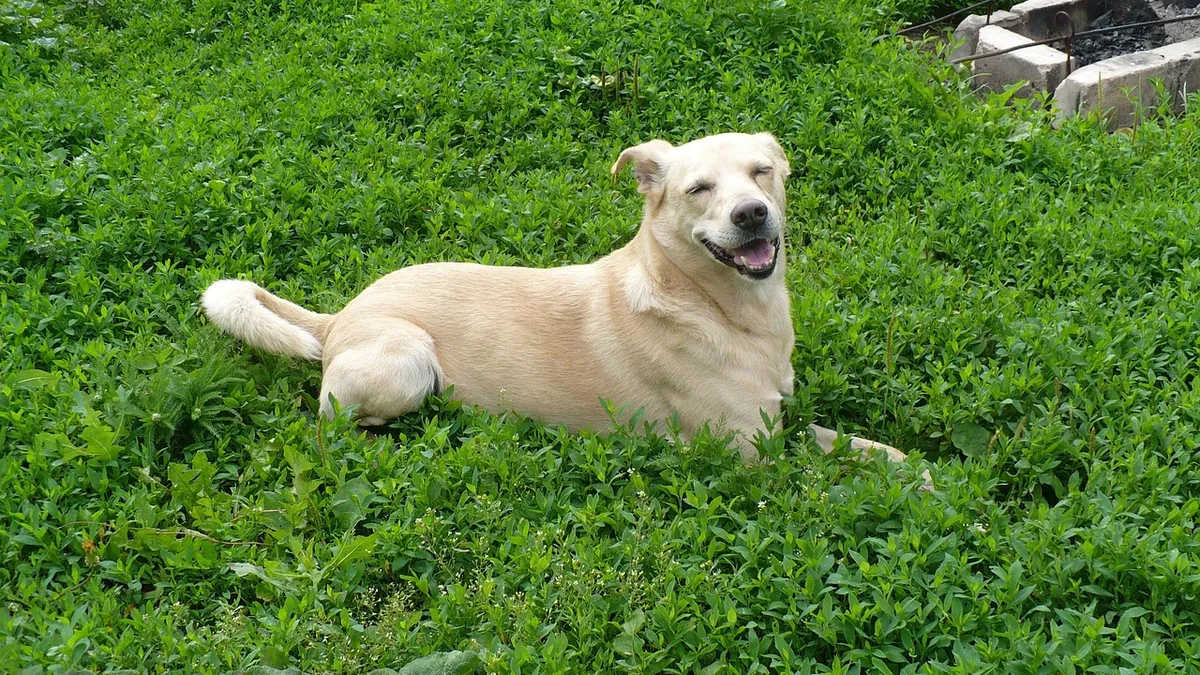
Loose stool in dogs means the feces has more water and less form than usual, so it spreads instead of holding a shape. Most cases come from something the dog ate, a sudden diet change, parasites, or stress, and many improve within a day or two with simple care. Some causes are serious, so knowing the red flags matters as much as knowing the fixes.
This article is educational and is not a substitute for veterinary diagnosis or treatment.
Quick Answer
- A single soft stool in a dog that is eating, drinking, and acting normal is usually not an emergency. Watch the next few bowel movements.
- Sudden diet changes, table scraps, trash, and rich treats are common triggers. Campylobacter shedding was more common in dogs that recently ate table scraps or trash (9.6%) than in dogs that did not (2.0%) [1].
- Puppies dehydrate faster than adult dogs and are more vulnerable to parvovirus, which attacks the intestinal lining and causes severe, bloody diarrhea [2].
- Blood, black tarry stool, repeated vomiting, lethargy, or a painful belly mean call your veterinarian or an emergency clinic right away.
- Do not give human antidiarrheal drugs or guess at doses. Your veterinarian calculates any medication dose from your dog's weight and health.
What Loose Stool Looks Like and What Counts as Normal
Normal dog poop is firm enough to pick up cleanly. It holds a log shape, has a mild odor, and stays consistent from day to day. Color varies with diet, but a healthy brown is typical.
Loose stool sits on a spectrum. At the mild end, the stool is soft and loses its shape but still has some body. In the middle, it looks like soft serve or a cow patty. At the severe end, it is watery, and watery diarrhea is the form most likely to cause dehydration.
Veterinarians often score stool on a numbered scale, from very hard to watery. A 13-point fecal scale has been used to grade consistency in puppies, and research shows that photographs of stool can be scored with good agreement compared with scoring fresh samples in person [3]. That matters for owners because it means a clear photo of the stool is genuinely useful information for your vet.
The opposite problem, dog poop that is hard, dry, or pellet-like, usually points to dehydration, too little fiber, or a dog that is not drinking enough. Hard stool is a different issue from loose stool, but both can reflect diet and hydration.
The large intestine helps maintain fluid and electrolyte balance, absorbs nutrients, and stores feces. When the colon is damaged by inflammation, parasites, or other causes, diarrhea is often the result [2]. That is why colon problems tend to produce frequent small stools, sometimes with mucus, while small intestine problems tend to produce larger volume stool.
Why Dog Poop Is Not Solid: The Main Causes
Diet and Food Triggers
Diet is the most common and most fixable cause. A sudden switch from one food to another, a new treat, grease from the grill, or a raid on the trash can all shift the gut and pull water into the stool.
Food quality may also matter. In a six-month study of 16 adult Labrador Retrievers, dogs fed a fresh-frozen diet showed improved fecal consistency compared with dogs fed extruded kibble, with changes detected shortly after the transition phase [4]. That does not mean every dog needs a fresh diet. It does suggest that what and how you feed can shape stool quality.
Food intolerance and food allergy can cause chronic soft stool, sometimes with itching or ear problems. These take a structured diet trial to sort out, and guessing at proteins rarely works.
Parasites and Infections
Intestinal parasites like roundworms, hookworms, giardia, and coccidia are common in puppies and in dogs that visit parks, daycares, or kennels. They often cause intermittent soft stool that comes and goes.
Bacterial and viral infections also play a role. Campylobacter jejuni was found in 14.3% of puppies compared with 2.8% of adult dogs in one New York study, and shedding was more common in dogs that had recently eaten table scraps or trash [1]. Parvovirus is the most feared viral cause. It spreads through the bloodstream and attacks rapidly dividing cells, especially in the bone marrow and the lining of the small intestine, and virus production in the intestinal lining causes severe damage and bloody diarrhea [2]. Normal intestinal bacteria can then enter damaged tissue and the bloodstream, and white blood cell counts can drop, allowing secondary infections [2].
Stress and Environment
Boarding, grooming, travel, a new baby, a move, or a loud thunderstorm can loosen stool within hours. Stress colitis often produces mucus on the stool and urgency. It usually resolves once the trigger passes, but repeated stress diarrhea deserves a vet visit.
Chronic Gut Disease
Some dogs have ongoing inflammation in the gut. Protein-losing enteropathy is a syndrome where the intestine loses excessive protein, most often from intestinal lymphangiectasia and chronic intestinal inflammation [5]. Diet optimization, instead of aggressive immunosuppression, increasingly offers the best outcomes, and many cases that do not respond to steroids respond to tailored dietary changes [5]. This is a diagnosis your veterinarian makes, not something to manage at home.
Other Causes
Medications, especially antibiotics, can disrupt gut bacteria. Toxin exposure, foreign objects, and some metabolic diseases also cause loose stool. If the stool problem started after a new medication, call the prescribing veterinarian.
| Cause | Typical clues | How urgent |
|---|---|---|
| Diet change or table scraps | Soft stool within hours to a day, dog still bright and eating | Monitor 24 to 48 hours |
| Parasites | Intermittent soft stool, weight loss, visible worms or rice-like segments | Routine vet visit soon |
| Stress colitis | Mucus, urgency, recent boarding, travel, or loud event | Monitor, vet if over 48 hours |
| Parvovirus | Puppy, bloody diarrhea, vomiting, lethargy, not eating | Emergency now |
| Bacterial infection | Acute watery diarrhea, sometimes fever or vomiting | Same-day vet visit |
| Chronic enteropathy | Weeks of soft stool, weight loss, poor coat | Routine vet visit, may need diet trial |
| Foreign object or toxin | Vomiting, belly pain, known ingestion | Emergency now |
Red Flags That Make It an Emergency
Call an emergency clinic immediately if you see any of these.
- Blood in the stool, or black tarry stool that looks like coffee grounds
- Repeated vomiting, especially if your dog cannot keep water down
- A puppy under six months with watery or bloody diarrhea, since parvovirus can progress fast [2]
- Lethargy, weakness, collapse, or a dog that will not stand
- A belly that looks bloated and feels painful when touched
- Known or suspected ingestion of a toxin, medication, or foreign object
- Diarrhea that continues past 48 hours in an adult dog, or past 24 hours in a puppy
Dehydration is the main danger with watery stool. Signs include tacky gums, skin that stays tented when you pinch it, sunken eyes, and reduced urination.
What You Can Safely Do at Home While You Wait
Start with a short fast for adult dogs, typically 12 to 24 hours, then offer small bland meals. Skip the fast for puppies and for dogs with medical conditions, and call your vet instead.
Plain cooked white rice with boiled, unseasoned chicken or lean hamburger is a common bland option. Feed small amounts several times a day. Transition back to regular food over three to five days once stool firms up.
Keep fresh water available at all times. Dehydration is the biggest risk with loose stool, so encourage drinking.
Pick up and bag stool promptly, and clean the yard. Some causes, including parasites and bacteria, can spread to other pets and to people.
Do not give human antidiarrheal medications unless your veterinarian tells you to. Do not guess at doses. Your vet calculates any dose from your dog's weight and health.
If your dog is straining without producing stool, or producing only small amounts, that is a different problem. See Dog Straining to Poop: Causes and When to Help. If your dog has stopped pooping but is still eating, see Dog Not Pooping but Eating Normally: Causes and Solutions.
For guidance on what to offer during a mild bout, see What To Give Dog For Loose Stool. If your vet recommends a supplement, see Dog Loose Stool Supplement.
What Your Veterinarian Will Check and Test
Your vet starts with a full history. When did the stool change? What is your dog eating? Any table scraps, trash, or new treats? Any vomiting, weight loss, or change in energy? Bring a fresh stool sample in a sealed bag if you can, and bring a photo if you cannot.
The physical exam checks hydration, belly pain, body condition, and temperature. Your vet may also check the gums and skin turgor for dehydration.
Testing usually starts with a fecal flotation and a fecal PCR panel to look for parasites and infectious agents. Blood work checks for anemia, white blood cell changes, organ function, and protein levels. Low protein can point toward protein-losing enteropathy, which requires individualized management based on breed, diagnostics, and response to treatment [5].
If the problem is chronic, your vet may recommend imaging, an elimination diet trial, or referral to an internal medicine specialist. Diet optimization is often the most effective long-term tool for chronic gut disease [5].
Prevention and Monitoring
Feed a consistent diet and make changes slowly over seven to ten days. Keep trash secured and ask guests not to share food. Limit fatty scraps, which are a frequent trigger for soft stool and, in some dogs, pancreatitis.
Keep parasite prevention current year-round. Pick up stool promptly, wash hands after handling pets and waste, and keep puppies away from unknown dogs until their vaccine series is complete.
Track your dog's stool with a simple log or photos. Since photographs can be scored with good agreement against in-person scoring [3], a dated photo record helps your vet see patterns you might otherwise miss.
Weigh your dog monthly. Unexplained weight loss with soft stool is a reason to call your vet, not to wait.
Limitations and When to Contact a Veterinarian
This article covers common patterns, not your individual dog. Loose stool has dozens of causes, and the same sign can mean a mild upset or a life-threatening infection. Your veterinarian is the only one who can examine your dog, run tests, and set a treatment plan.
Contact your veterinarian the same day if your dog has loose stool plus vomiting, has not eaten for 24 hours, is on medication that could be involved, or is a puppy, senior, or dog with a chronic illness.
Go to an emergency clinic now for blood in the stool, black tarry stool, repeated vomiting, collapse, a painful or bloated belly, or suspected toxin or foreign object ingestion.
Schedule a routine visit if soft stool lasts more than two to three days, keeps coming back, or comes with weight loss, dull coat, or low energy.
Frequently Asked Questions
How long can loose stool last before I should worry?
Most mild cases from diet or stress settle within 24 to 48 hours. Call your vet if it lasts longer than that in an adult dog, or longer than 24 hours in a puppy. Any blood, vomiting, or lethargy moves the timeline to right now.
Should I fast my dog with diarrhea?
A short fast of 12 to 24 hours is sometimes used for healthy adult dogs, followed by small bland meals. Do not fast puppies, small breeds, or dogs with medical conditions. Ask your veterinarian first, since fasting is not right for every dog.
Can I give my dog human diarrhea medicine?
No, not without veterinary direction. Some human antidiarrheal products are unsafe for dogs, and the correct dose depends on your dog's weight and health. Your veterinarian will calculate any dose and tell you whether medication is even needed.
Is soft stool in puppies different from soft stool in adult dogs?
Yes. Puppies dehydrate faster, are more likely to carry certain infections, and are at higher risk from parvovirus [2]. Campylobacter shedding was also more common in puppies than adults in one study [1]. Treat puppy diarrhea as more urgent than adult diarrhea.
Does my dog's diet really change stool consistency?
Yes. Diet is one of the strongest influences on stool quality. In one study, dogs fed a fresh-frozen diet showed improved fecal consistency compared with kibble-fed dogs [4]. If your dog has chronic soft stool, ask your vet about a structured diet trial.
Related Articles
- What To Give Dog For Loose Stool
- Dog Loose Stool Supplement
- Dog Not Pooping but Eating Normally: Causes and Solutions
- Best Supplement For Loose Stools In Dogs
- Dog Straining to Poop: Causes and When to Help
- Why Does My Dog Eat Poop?
- Diarrhea vs Loose Stool in Dogs: What's the Difference?
- Why Is My Dog's Poop Always Soft? Causes and Fixes
- Why Is My Dog's Poop Slimy? Causes and When to Worry
- Canine Intestinal Parasites Causing Diarrhea: Diagnosis, Treatment, and Prevention
References
- Fecal Campylobacter jejuni shedding in healthy dogs and dogs with acute diarrhea in central New York. American journal of veterinary research, 2026.
- Disorders of the Stomach and Intestines in Dogs - Dog Owners. Merck Veterinary Manual.
- Validation of photographic fecal scoring in puppies. Preventive veterinary medicine, 2026.
- Impacts of a fresh-frozen dog food on fecal consistency and microbiome in colony dogs. Journal of animal science, 2026.
- Emerging Concepts in the Understanding and Treatment of Canine Protein-Losing Enteropathy. The Veterinary clinics of North America. Small animal practice, 2026.