Can Stress Make a Cat Vomit? What to Know
By Dr. Zubair Khalid, DVM, MS, PhD ·
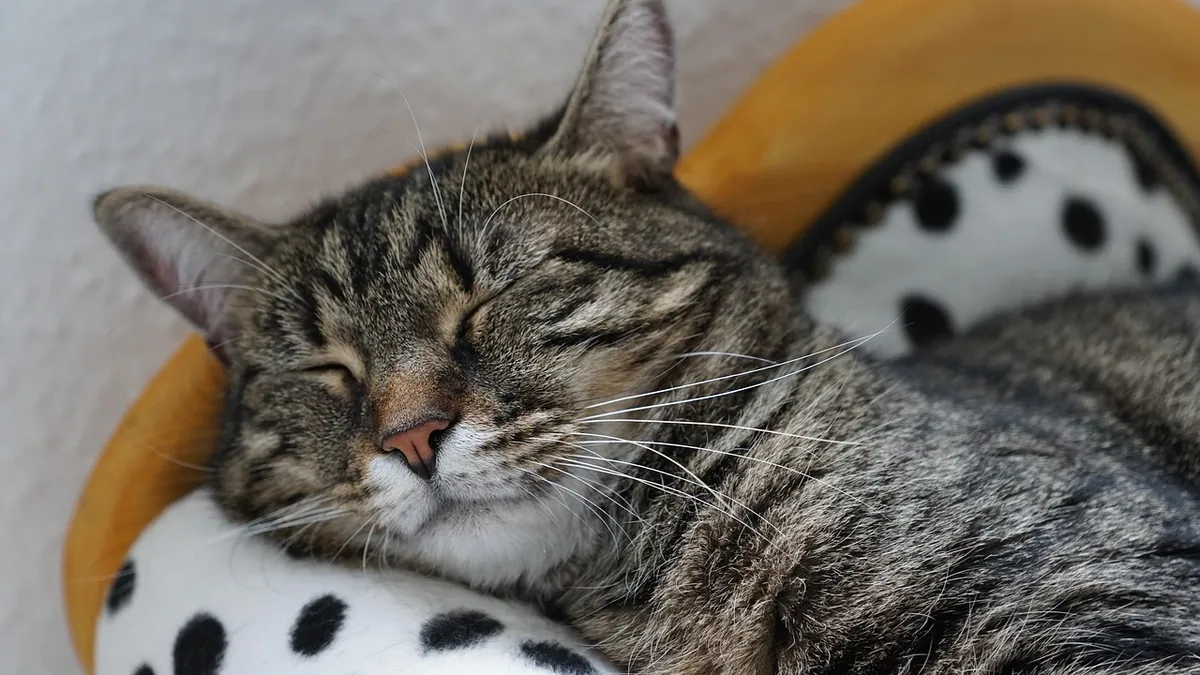
Yes, do cats vomit when stressed? Stress and anxiety can absolutely trigger vomiting in some cats, especially when something in their routine or environment changes. That said, stress is only one possible cause, and vomiting is a symptom that can point to many different problems. This article is educational and is not a substitute for veterinary diagnosis or treatment.
Quick Answer
- Stress can cause vomiting in cats, but it is usually a diagnosis of exclusion, meaning your veterinarian will first rule out medical causes.
- A single, mild vomit in a cat that otherwise eats, drinks, and behaves normally is often not an emergency, but repeated vomiting is.
- Hairballs are a normal type of vomiting for many cats, but frequent hairballs are not normal and can signal a problem [1].
- Vomiting that comes with lethargy, hiding, pain, or refusal to eat needs same-day veterinary attention.
- Never give human anti-nausea or anti-vomiting medication to a cat unless your veterinarian prescribes it and calculates the dose for your cat's weight and health.
What Cat Vomiting From Stress Looks Like
Vomiting is an active process. Your cat's belly contracts, and food, fluid, or foam comes up with effort. This is different from regurgitation, which is a passive, almost effortless spilling of undigested food that usually happens right after eating. The distinction matters because the two have different causes.
Stress-related vomiting often looks like this:
- It happens around a specific trigger, such as a new pet, a move, a loud construction project, or a change in schedule.
- Your cat may vomit once or a few times, then seem otherwise fine.
- You may also see other stress signs, like hiding, over-grooming, decreased appetite, or unusual vocalizing [2].
- The vomit is often food or yellow fluid, and it may happen shortly after eating.
Cats are individuals. Some cats show stress by vomiting, others by hiding or spraying. One study of owner-cat interactions found that forced or unwanted handling raised cortisol (a stress hormone) in cats, while calm, passive interaction lowered it [3]. That tells us stress is real and measurable in cats, even when owners do not see obvious signs.
Main Causes of Vomiting in Cats
Vomiting has a long list of possible causes. The table below groups the most common ones and what makes each more or less urgent.
| Cause | Typical clues | How urgent |
|---|---|---|
| Hairballs | Longhaired cat, vomits a tube-shaped wad of hair, often after grooming [1] | Usually not urgent if occasional. Frequent hairballs need a vet visit [1] |
| Stress or anxiety | Vomiting tied to a change or trigger, other stress behaviors present | Routine visit unless severe or ongoing |
| Dietary upset | New food, eating too fast, scavenging, recent treat change | Often mild. Same-day if repeated |
| Foreign object or blockage | Repeated vomiting, not eating, painful belly, no stool | Emergency |
| Toxin exposure | Known or suspected exposure to a poison, drooling, tremors, weakness | Emergency |
| Infection or inflammation | Fever, diarrhea, lethargy, poor appetite | Same-day to urgent |
| Organ disease (kidney, liver, thyroid) | Weight loss, increased thirst, vomiting, dull coat | Same-day to urgent |
| Cancer or masses | Chronic vomiting, weight loss, older cat | Urgent, needs testing |
| Medication side effect | Vomiting started after a new drug or procedure [4] | Call your vet the same day |
Hairballs deserve a closer look because owners often dismiss them. Cats swallow loose hair while grooming, and that hair can clump in the stomach and be vomited up [1]. In some cats, the hair stays in the stomach, hardens, and irritates the stomach or blocks the digestive tract [1]. Longhaired breeds are at higher risk [1]. If your cat brings up hairballs more than once every week or two, that is a reason to see your veterinarian.
Stress itself is harder to pin down. Fear, anxiety, and stress are among the most common behavioral problems in cats, and cats show these emotions in ways that are easy to miss [5]. A study of indoor and outdoor cats found that cats showing isolation and excessive vocalization had higher hair cortisol levels, a marker of longer-term stress [2]. Interestingly, the guardians' own reports of stress did not match the hormone data, which means owners may not always recognize stress in their cats [2].
If your cat's vomiting is happening mostly at night, see Cat Vomiting at Night: Causes and When to Worry. For a broader symptom guide, read Why Is My Cat Vomiting? Common Causes and Red Flags.
Red Flags That Make It an Emergency
Some signs mean you should stop reading and call an emergency veterinary hospital now.
- Vomiting that will not stop, or vomiting more than a few times in a few hours.
- Vomiting with a swollen, painful, or hard belly.
- Vomiting blood (red or dark, coffee-ground material).
- Your cat is trying to vomit but nothing comes up, or is retching unproductively.
- Known or suspected exposure to a toxin, human medication, or a foreign object.
- Collapse, weakness, tremors, or trouble breathing.
- Vomiting plus no urine output, or a male cat straining to urinate.
- Vomiting in a very young kitten or a senior cat with other health problems.
For poison concerns in the United States, call the ASPCA Animal Poison Control Center at (888) 426-4435 or the Pet Poison Helpline at (855) 764-7661. These lines may charge a consultation fee.
Safe Things You Can Do at Home While Waiting
If your cat vomited once and seems otherwise normal, you can take a few careful steps. These do not replace veterinary care, but they can help you gather information.
- Remove food for a short time, then offer small, bland meals if your veterinarian agrees. Do not fast a cat for more than a few hours without veterinary guidance, because cats can develop serious liver problems when they stop eating.
- Keep fresh water available at all times. Dehydration is a real risk with repeated vomiting.
- Write down what came up, when it happened, and what your cat ate beforehand. This helps your veterinarian.
- Separate your cat from other pets so you can track eating, drinking, and litter box use.
- Reduce obvious stressors. Give your cat a quiet room, a hiding box, and time alone.
- Do not give human medications such as famotidine, omeprazole, or anti-nausea drugs unless your veterinarian prescribes them. The dose must be calculated for your cat's weight and health.
If your cat is on a new medication and started vomiting, call your veterinarian before giving the next dose. You can read more in Is Your Cat's Medication Causing Vomiting? When to Worry.
What Your Veterinarian Will Check and Test
Your veterinarian will start with a full history and physical exam. Expect questions about diet, hairballs, stress triggers, other pets, and any recent changes at home.
Common tests include:
- Blood work to check organ function, blood sugar, and electrolyte levels.
- A fecal exam to look for parasites.
- X-rays or ultrasound to look for foreign objects, masses, or blockages.
- A hairball or trichobezoar may show up on imaging if it has hardened in the stomach [1].
- Thyroid testing, especially in older cats.
- A trial of a hypoallergenic or limited-ingredient diet if food sensitivity is suspected.
If your veterinarian suspects stress as a trigger, they may ask about your cat's environment and daily routine. A cat-friendly home with hiding places, vertical space, and predictable feeding times can lower stress [5]. In some cases, your veterinarian may discuss anti-anxiety medication or pheromone products. Doses and choices are set by your veterinarian based on your cat's weight and health.
If vomiting is severe or happens after surgery or certain drugs, your veterinarian may use an antiemetic. A review of antiemetic strategies in cats found that maropitant reduced vomiting risk compared with control in controlled studies [4]. That does not mean every vomiting cat needs this drug. Your veterinarian decides based on the cause and your cat's condition.
Prevention and Monitoring
You cannot prevent every cause of vomiting, but you can lower the odds and catch problems early.
- Brush your cat regularly, especially longhaired breeds, to reduce swallowed hair [1].
- Feed a consistent, high-quality diet and transition foods slowly over 7 to 10 days.
- Use puzzle feeders or slow feeders if your cat eats too fast.
- Keep litter boxes clean and provide one more box than the number of cats.
- Offer hiding spots, perches, and quiet areas. Indoor cats benefit from enriched environments with these resources [2].
- Stick to a routine. Cats often do better with predictable feeding, play, and quiet times [5].
- Watch for early signs of stress, such as hiding, over-grooming, or vocalizing more than usual [2].
- Track vomiting episodes in a notebook or phone app. Patterns help your veterinarian.
If your cat has chronic vomiting, ask your veterinarian about a monitoring plan. Some cats need periodic blood work, weight checks, or diet trials. If stress is part of the picture, a behavior plan can help. For more on when vomiting needs a closer look, see Cat Vomiting: When to Worry and What to Do.
Limitations and When to Contact a Veterinarian
This article cannot tell you what is causing your cat's vomiting. Only a veterinarian who examines your cat can do that. Individual cases need a veterinarian, and the timing of your call matters.
Contact your veterinarian the same day if:
- Your cat vomited more than twice in 24 hours.
- Your cat is not eating or drinking normally.
- You see diarrhea, lethargy, or weight loss.
- Your cat is on a new medication.
- Your cat has a history of kidney, liver, or thyroid disease.
Go to an emergency hospital now if:
- Vomiting is continuous or severe.
- Your cat is retching with nothing coming up.
- You see blood in the vomit.
- Your cat is weak, collapsed, or having trouble breathing.
- You suspect poisoning or a swallowed object.
Schedule a routine visit if:
- Your cat vomits hairballs more than once every week or two [1].
- Vomiting happens around stress triggers but your cat is otherwise well.
- You want to discuss diet, enrichment, or behavior changes.
Frequently Asked Questions
Can stress alone make a cat vomit?
Yes, stress can trigger vomiting in some cats, especially when their routine or environment changes [5]. However, stress is usually diagnosed after other medical causes are ruled out. If your cat vomits often, a veterinary exam is the safest next step.
How can I tell if my cat's vomiting is from stress or something medical?
You often cannot tell on your own. Stress-related vomiting tends to happen around a trigger, while medical vomiting may come with lethargy, weight loss, or appetite changes. Your veterinarian can run tests to separate the two.
Should I feed my cat after it vomits?
Offer a small amount of water first, then a small bland meal if your cat seems well and your veterinarian agrees. Do not fast a cat for long periods without veterinary guidance. If vomiting repeats, call your veterinarian.
Can hairballs be a sign of stress?
Hairballs are usually a grooming issue, not a stress issue [1]. That said, stressed cats may over-groom and swallow more hair. Frequent hairballs should be checked by a veterinarian [1].
What if my cat vomits after I give a new medication?
Stop and call your veterinarian before giving the next dose. Vomiting is a known side effect of some drugs used in cats [4]. Your veterinarian can adjust the medication or add a treatment to reduce nausea.
Related Articles
- Cat Vomiting: When to Worry and What to Do
- Cat Vomiting: When to Worry and How to Help
- Cat Vomiting at Night: Causes and When to Worry
- Why Is My Cat Vomiting? Common Causes and Red Flags
- Is Your Cat's Medication Causing Vomiting? When to Worry
- Cat Vomiting After Drinking Water: Causes and When to Worry
- Stress Colitis in Cats: Why Stress Causes Diarrhea
- Cat Threw Up: What to Do and When to Call the Vet
- Cat Vomiting and Not Eating: Causes and When to Worry
References
- Vomiting in Cats - Cat Owners. Merck Veterinary Manual.
- Stress in Indoor and Outdoor Cats: Association between Hair Cortisol Levels, Housing Style, and Guardians' Perceptions of Behavior. Journal of applied animal welfare science : JAAWS, 2026.
- EXPRESS: The hormonal effects of owner-cat interactions on pet cats of different potential attachment styles. Journal of feline medicine and surgery, 2026.
- Receptor-Targeted Antiemetic Strategies in Cats: A Systematic Review and Intervention-Specific Meta-Analysis. Veterinary medicine and science, 2026.
- Tools for the Approach of Fear, Anxiety, and Stress in the Domestic Feline: An Update. Veterinary medicine international, 2025.