Cat Poop That Looks Like Undigested Food: What It Means
By Dr. Zubair Khalid, DVM, MS, PhD ·
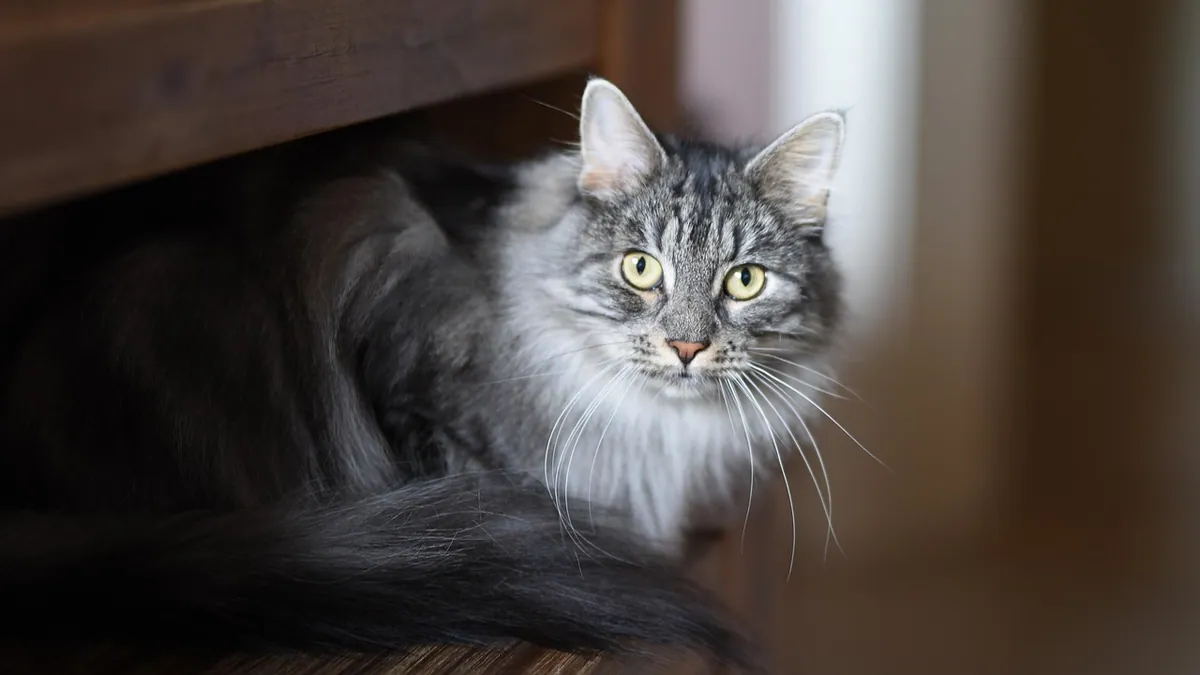
Cat poop that looks like undigested food is often just fur, bone fragments, or plant material your cat swallowed and could not break down. Sometimes, though, it points to a real digestion problem where food is passing through without being absorbed. This article helps you tell the difference and decide what to do next.
This article is educational and is not a substitute for veterinary diagnosis or treatment.
Quick Answer
- Normal cat poop is brown, formed, and log shaped, and it should not contain obvious chunks of the food your cat just ate.
- Seeing fur, small bone bits, grass, or plant fibers is common and usually harmless.
- Seeing recognizable kibble, meat, or rice in the stool, especially with weight loss or diarrhea, suggests maldigestion and needs a vet visit.
- Cats are obligate carnivores with a short digestive tract, so they digest meat well but handle starch and plant matter poorly [1].
- Do not change your cat's diet or give any medication on your own. Your veterinarian sets the plan based on the cause.
What Cat Poop Normally Looks Like
Knowing what normal looks like makes it easier to spot a problem. Healthy cat stool is brown, firm but not hard, and shaped like a log. It holds its form when you scoop it. The color comes from bile and from bacteria working in the colon.
A normal stool should not have visible pieces of the food your cat ate. If you can still recognize the kibble or the chunks of wet food in the litter box, the food was not broken down and absorbed the way it should be. That is the key difference between harmless debris and true maldigestion.
Small amounts of hair are normal, especially in longhaired cats and during shedding season. Cats groom themselves and swallow loose fur. Most of it passes through. You may also see bits of grass or plant material if your cat nibbles on houseplants or goes outside.
Cats are built to eat meat. They have a relatively short digestive tract compared with people and pigs, and they have little to no salivary amylase, the enzyme that starts breaking down starch [1]. This means cats digest protein and fat efficiently but do not handle plant matter or starch well. So plant bits in the stool are more likely to pass through looking unchanged.
Undigested Food in Cat Stool: What It Looks Like
The appearance matters. Here is how to read what you are seeing.
Harmless debris. Fur, small bone fragments from a raw diet, grass, and plant fibers. These are things a cat's body never intended to fully digest. They often appear as distinct pieces mixed into otherwise normal stool.
True undigested food. Recognizable kibble pieces, chunks of meat, or grains like rice. This looks like the food went in one end and came out the other. It often comes with loose stool, a larger volume of poop, or a greasy sheen.
Fatty or greasy stool. Pale, bulky, shiny, or foul smelling stool can signal that fat is not being absorbed. This is a classic sign of a problem with the pancreas or the small intestine.
Mucus or a jelly like coating. A small amount can be normal. A lot of mucus, especially with straining, suggests irritation in the colon.
If you are also seeing vomit with recognizable food, that is a related but separate problem. You can read more about it in What Does It Mean When A Cat Throws Up Undigested Food and Cat Vomiting Undigested Food After Eating.
Main Causes of Food That Looks Undigested
| Cause | Typical clues | How urgent |
|---|---|---|
| Normal indigestible matter (fur, bone, plant bits) | Otherwise normal stool, normal appetite and energy | Routine, monitor at home |
| Overeating or eating too fast | Large meal, food boluses in stool, no weight loss | Routine, adjust feeding |
| Food allergy or food intolerance | Diarrhea, vomiting, itchy skin, weight loss | Vet visit soon |
| Chronic enteropathy (gut inflammation) | Long term diarrhea, weight loss, poor appetite | Vet visit soon |
| Exocrine pancreatic insufficiency (EPI) | Weight loss, greasy pale stool, ravenous appetite | Vet visit soon |
| Intestinal parasites | Diarrhea, mucus, sometimes visible worms | Vet visit soon |
| Foreign body or blockage | Vomiting, no stool, pain, lethargy | Emergency now |
Food Allergy and Food Intolerance
Some cats react to a protein in their food. The gut becomes inflamed and cannot absorb nutrients well, so food passes through partly undigested. Your veterinarian may recommend a diet with a protein your cat has never eaten before, such as lamb, venison, or rabbit, to identify a food allergy [2]. Some cats improve on dietary management alone, and medication may be added short term to calm the inflammation [2].
Chronic Enteropathy
Chronic enteropathy is a group of long term gut conditions in cats. It includes food responsive enteropathy, chronic inflammatory enteropathy (also called inflammatory bowel disease), and low grade intestinal T cell lymphoma. Cats with chronic enteropathy have changes in the fats and bile acids in their stool compared with healthy cats [3]. Signs include ongoing diarrhea, weight loss, and a dull coat.
Exocrine Pancreatic Insufficiency (EPI)
EPI means the pancreas does not make enough digestive enzymes. Without those enzymes, food is not broken down and nutrients are not absorbed. The most common sign in cats with EPI is weight loss [4]. Many of these cats also have chronic enteropathy at the same time [4]. Cats with EPI have abnormal gut bacteria and abnormal fecal fatty acids compared with healthy cats [5]. Their serum also shows higher levels of certain fatty acids and related compounds [6]. EPI is diagnosed with a blood test called feline trypsin-like immunoreactivity, or fTLI [4].
Parasites and Infection
Intestinal worms and some protozoal infections irritate the gut lining and reduce absorption. You may see diarrhea, mucus, or a potbellied look. A fecal test at your vet's office can find these.
Foreign Body or Blockage
If your cat swallowed string, a toy, or a bone that is stuck, food cannot move through normally. This is a medical emergency. Signs include repeated vomiting, no poop, belly pain, and low energy.
Red Flags That Mean Emergency
Some signs mean you should stop reading and call a veterinary emergency hospital now.
- Repeated vomiting, especially with no poop being produced
- A hard, painful, or swollen belly
- Straining to poop with nothing coming out
- Blood in the stool, or black tarry stool
- Collapse, weakness, or heavy breathing
- Suspected swallowing of string, ribbon, or a sharp object
- Seizures, tremors, or wobbliness
For poison exposures, call the ASPCA Animal Poison Control Center at (888) 426-4435 or the Pet Poison Helpline at (855) 764-7661. These may charge a consultation fee.
Safe Things You Can Do at Home While You Wait
You cannot fix maldigestion at home, but you can keep your cat safe and gather useful information for your vet.
Stop free feeding for now. Note how much your cat eats and when. If your cat is vomiting, your vet may ask you to withhold food for 24 to 48 hours to rest the digestive system [2]. Do not do this on your own for a kitten, a diabetic cat, or a cat on medication without asking your vet first.
Save a stool sample. Put a fresh sample in a clean zip top bag or a sealed container and bring it to the appointment. A fresh sample within a few hours is best.
Take photos. Photograph the stool and any vomit. Photos help your vet see what you saw.
Keep a simple log. Write down what your cat eats, when it eats, stool appearance, energy level, and any vomiting. This history speeds up diagnosis.
Do not switch foods suddenly. A sudden diet change can make diarrhea worse. Ask your vet before changing anything.
Do not give human medications. Never give your cat human anti diarrhea drugs, pain relievers, or antacids. Many are toxic to cats.
Keep your cat hydrated. Offer fresh water often. If your cat stops drinking, call your vet.
If your cat is vomiting undigested food but acting normal, that is still worth a call. You can read more in Cat Vomiting Undigested Food But Acting Normal.
What Your Veterinarian Will Check and Test
Your vet will start with a full history and a physical exam. They will weigh your cat and compare it to previous weights. Weight loss is a major clue, since it is the most common sign in cats with EPI [4].
Fecal testing. A stool sample is checked for parasites, bacteria, and sometimes fat content. Fecal analysis can also look at gut bacteria balance and fatty acids, which are abnormal in cats with EPI [5].
Blood work. A complete blood count and chemistry panel check for anemia, organ problems, and nutrient deficiencies. Cats with EPI often have low vitamin B12 because cats make the protein that absorbs B12 only in the pancreas [1].
fTLI test. This blood test measures feline trypsin like immunoreactivity and is how EPI is diagnosed [4].
Abdominal ultrasound. Ultrasound looks at the pancreas, intestinal wall, and other organs. In one study, the pancreas looked normal or nearly normal on ultrasound in 39% of cats with EPI, so a normal scan does not rule it out [4].
Diet trial. Your vet may recommend a novel protein diet to test for food allergy [2]. This takes weeks and must be done strictly, with no treats or table food.
Treatment. Treatment depends on the cause. Your vet may add soluble fiber to the diet and reduce it over time as signs improve [2]. Antibiotics or anti inflammatory medication may be added short term, along with medication to firm the stool while inflammation settles [2]. Antiparasitic drugs are used if parasites are found [2]. For EPI, enzyme replacement and B12 supplementation are typical, and your vet calculates the dose based on your cat's weight and health.
Prevention and Monitoring
You cannot prevent every digestive problem, but you can lower the odds and catch issues early.
Feed a consistent, high quality diet. Cats do best on meat based food. Avoid sudden switches and too many table scraps.
Control portions. Overeating can push food through too fast. Measure meals instead of free feeding if your cat tends to gorge.
Keep up with parasite prevention. Follow your vet's schedule for deworming and flea control.
Brush your cat regularly. This reduces the fur your cat swallows during grooming.
Weigh your cat monthly. A baby scale or a trip to the vet works. Losing weight without trying is a red flag.
Watch the litter box. Scoop daily and note changes in color, shape, and content. Early detection makes treatment easier.
Schedule routine exams. Once or twice a year for adult cats, more often for seniors or cats with known gut problems.
Limitations and When to Contact a Veterinarian
This article cannot tell you what is wrong with your cat. Only a veterinarian who examines your cat and runs tests can do that. Individual cases need a veterinarian's judgment.
Call today (same day): diarrhea lasting more than 24 hours, one or two episodes of vomiting, a single episode of blood in the stool, mild lethargy, or a cat that is eating less than usual.
Go to an emergency hospital now: repeated vomiting, no poop for a day or more, a painful or swollen belly, collapse, trouble breathing, suspected foreign body, or a cat that cannot keep water down.
Book a routine visit: intermittent soft stool, gradual weight loss, dull coat, or any stool that looks like undigested food for more than a few days.
When in doubt, call your vet's office. A phone call is free and can save you worry.
Frequently Asked Questions
Is it normal to see fur in my cat's poop?
Yes, small amounts of fur in the stool are normal. Cats swallow loose hair while grooming, and most of it passes through the digestive tract. Large clumps of fur, or fur with vomiting and weight loss, can point to overgrooming or a hairball problem that needs a vet visit.
Can my cat's food come out looking the same as when it went in?
Yes, and that is a sign the food was not digested. Recognizable kibble or meat in the stool usually means the gut or pancreas is not breaking food down properly. It can also happen if your cat ate a very large meal too quickly.
Does undigested food in stool always mean a serious illness?
No. Fur, bone, and plant bits are common and harmless. True undigested food with weight loss, diarrhea, or a ravenous appetite is more concerning and should be checked by your vet.
Can I just switch my cat's food to fix this?
Do not switch foods suddenly on your own. A sudden change can worsen diarrhea. Your vet may recommend a specific diet, such as a novel protein food, as part of a planned food trial [2].
How long can I wait before calling the vet?
Call the same day if you see diarrhea lasting more than a day, vomiting, blood in the stool, or a drop in appetite. Call immediately if your cat stops pooping, seems painful, or becomes weak. Waiting too long with a blockage or severe gut disease can be dangerous.
Related Articles
- What Does It Mean When A Cat Throws Up Undigested Food
- Cat Throwing Up Food Undigested
- My Cat Is Throwing Up Undigested Food
- Cat Vomiting Undigested Food After Eating
- Cat Vomiting Undigested Food But Acting Normal
- Cat Vomiting Undigested Food Hours Later
- What Healthy Cat Poop Looks Like: Grading Quality
- Grey Cat Poop: What the Color Means and When to Worry
- Cat Poop Colors: What Yellow, Tan, and Light Stool Mean
References
- Characteristics of the Digestive Tract of Dogs and Cats. Advances in experimental medicine and biology, 2024.
- Disorders of the Stomach and Intestines in Cats - Cat Owners. Merck Veterinary Manual.
- Fecal Concentrations of Long-Chain Fatty Acids, Sterols, and Unconjugated Bile Acids in Cats with Chronic Enteropathy. Animals : an open access journal from MDPI, 2023.
- Abdominal ultrasound and clinicopathologic findings in 22 cats with exocrine pancreatic insufficiency. Journal of veterinary internal medicine, 2021.
- Gastrointestinal microbiota and fecal fatty acids of cats with exocrine pancreatic insufficiency. Journal of feline medicine and surgery, 2026.
- Untargeted analysis of the serum metabolome in cats with exocrine pancreatic insufficiency. PloS one, 2021.