Why Is My Cat's Pee Not Clumping in the Litter?
By Dr. Zubair Khalid, DVM, MS, PhD ·
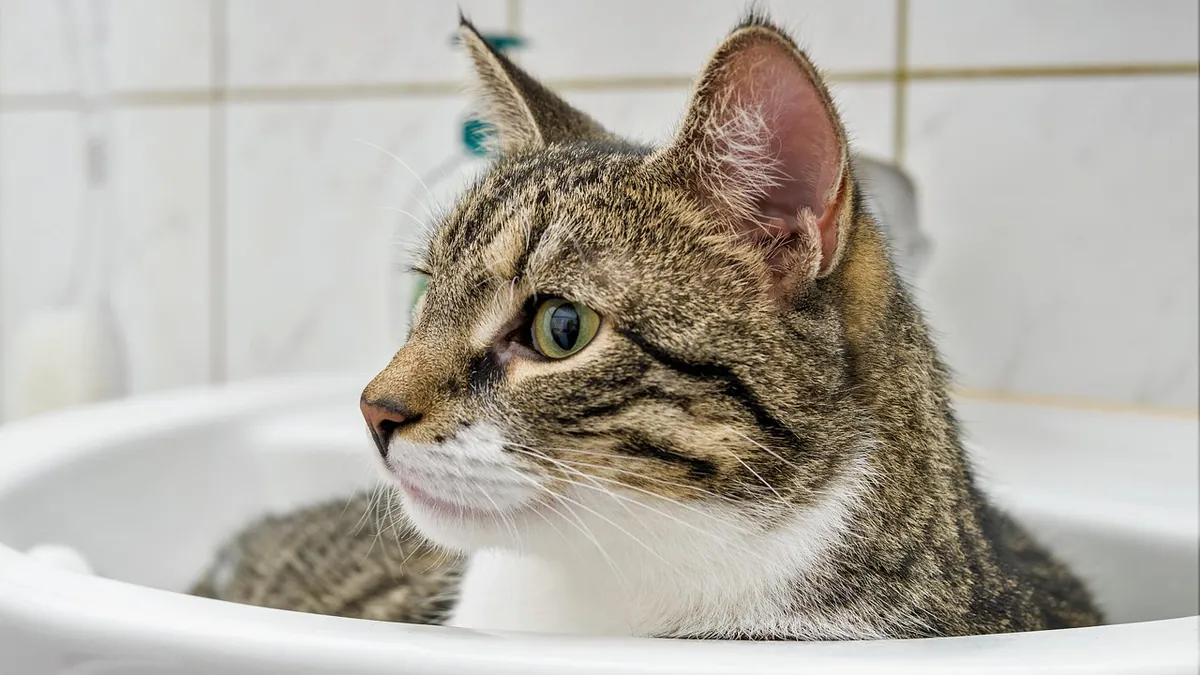
If your cat's pee is not clumping in the litter, the urine is probably more watery than usual. Clumping litter firms up around concentrated urine, so a flat, soupy, or barely-there clump usually means your cat is passing dilute urine. That can be harmless, but it can also be an early signal of kidney disease, diabetes, or another medical problem.
This article is educational and is not a substitute for veterinary diagnosis or treatment.
Quick Answer
- Dilute urine is the most common reason pee stops clumping. The litter absorbs more liquid and forms a weak or flat clump.
- Kidney disease and diabetes are two of the top medical causes. Both make cats produce more, weaker urine.
- A cat who drinks more, pees bigger volumes, or pees more often needs a vet visit, not just a litter change.
- Cats prefer clumping clay litter and boxes at least 50 cm (about 20 inches) long, so rule out a litter or box problem too [1].
- Never wait on a male cat who strains, cries, or produces no urine. That is an emergency today.
What "Not Clumping" Actually Looks Like
Clumping litter works by absorbing urine and binding into a solid mass. When urine is concentrated, you get a firm clump that holds together when you scoop it. When urine is dilute, the clump is soft, flat, wide, or falls apart. Sometimes the litter just looks damp.
Normal cat urine is fairly concentrated. A healthy cat on dry food often produces urine with a specific gravity of 1.035 or higher, which is a measure of how concentrated it is [2]. When that number drops, the urine gets watery and clumps get weak.
Watch for these patterns:
- Bigger, flatter wet spots than usual
- Clumps that crumble or smear instead of lifting cleanly
- More clumps per day, even if each one is small
- A litter box that smells less like ammonia (dilute urine has less odor)
- Your cat drinking from the bowl more often
Any of these can point to a medical cause. Some are also normal. A cat who eats only canned food, for example, takes in more water and makes more dilute urine. That is expected.
Why Is My Cat's Pee Not Clumping in Litter? The Main Causes
| Cause | Typical clues | How urgent |
|---|---|---|
| Chronic kidney disease | Increased urination frequency, longer time in the box, less covering after going, weight loss, more drinking [3] | See a vet within days |
| Diabetes mellitus | Large urine volumes, heavy drinking, weight loss despite a good appetite | See a vet within days |
| Heavy water intake or canned-food diet | Dilute urine but normal energy, appetite, and weight | Routine visit |
| Urinary tract infection or crystals | Frequent small trips, straining, licking the genital area, possible blood | See a vet within 24 hours |
| Litter or box problem | Pee lands outside the box or the cat avoids it, no other signs | Try a fix, then call if it continues |
| Early kidney changes | Dilute urine in a mature cat with no other signs yet | Routine visit with a urine test |
Kidney Disease
Chronic kidney disease is common in cats and is a leading cause of death in the species [3]. It is also hard to catch early, because cats hide illness well. One of the first measurable changes is urine that will not concentrate.
A large study of apparently healthy mature cats found that poorly concentrated urine was linked to a higher risk of developing chronic kidney disease later [2]. That means a weak clump in a middle-aged or older cat is worth a urine test, even if your cat seems fine.
Cats with kidney disease often show a pattern in the litter box. A smart litter box study found that cats with chronic kidney disease urinated more often, spent longer in the box, and covered their waste less than healthy cats [3]. If your cat's box habits have shifted in several ways at once, that is a stronger signal.
Diabetes Mellitus
Diabetes causes high sugar in the blood, and the kidneys dump that extra sugar into the urine. Sugar pulls water with it, so the cat makes large amounts of dilute urine. You may notice a box that needs scooping far more often, a water bowl that empties fast, and a cat who is losing weight while eating well.
Heavy Water Intake
Some cats simply drink a lot. Others eat mostly canned food, which is about 75 percent water. Both raise urine volume and lower concentration. This is not automatically a problem, but a sudden change in drinking habits in an adult cat deserves a check.
Diet can also shift urine volume. In one study, increasing potassium in the diet raised water intake and urine production and lowered urine specific gravity in a dose-response pattern [4]. Diet changes like this belong in a conversation with your vet, not a solo experiment.
Urinary Tract Problems
Infections, crystals, and bladder stones cause irritation. Cats with these problems often make many small trips to the box, strain, or cry out. The urine may be bloody or have a sharp smell. Dilute urine can also make a bladder infection more likely, so the two problems sometimes travel together.
Litter and Box Issues
Sometimes the litter is the problem, not the cat. Cats in one study preferred clumping clay litter and boxes measuring at least 50 cm, and a setup with both features improved normal urination behavior and reduced house-soiling [1]. If your cat is avoiding the box or going right next to it, read Cat Not Using Litter Box for a step-by-step reset.
A cat who pees outside the box may also be telling you something medical. See Why Is My Cat Peeing Outside the Litter Box? for the full list of reasons.
Red Flags That Mean Emergency Now
Go to an emergency clinic right away if you see any of these:
- A male cat who strains, howls, or produces no urine at all. A blocked urethra is fatal within a day or two without treatment.
- Repeated trips to the box with nothing coming out
- Crying or pacing while trying to urinate
- Blood in the urine, or urine that looks like it has pink or red streaks
- Vomiting, collapse, or heavy breathing along with litter box changes
- A cat who stops eating and drinking
Do not wait to see if it passes. Urinary blockage is one of the few true emergencies in feline medicine.
Safe Things You Can Do at Home While You Wait
You cannot fix dilute urine with a litter change, but you can make the wait safer and gather better information.
- Switch to a clumping clay litter if you use crystals or pellets. Cats prefer clumping clay, and it makes urine volume easier to judge [1].
- Use a box at least 50 cm long, and one box per cat plus one extra [1].
- Measure water intake. Fill a marked pitcher each morning and see how much disappears in 24 hours.
- Track clump count and size for two or three days. Write it down. Your vet will want this.
- Keep the box clean. Scoop twice a day so you can see new output.
- Do not restrict water. A cat who is losing fluid through dilute urine needs to drink.
- Do not change food or add supplements on your own. Diet changes for kidney or urinary issues need a vet's plan.
- If your cat is peeing on carpet, a couch, or a wall, that is often a sign of discomfort or stress. Read Why Is My Cat Suddenly Peeing on the Carpet? and Why Is My Cat Suddenly Peeing on the Couch? for cleanup and behavior tips while you sort out the medical side.
What Your Veterinarian Will Check and Test
Your vet will start with a full history. Bring your notes on water intake, clump count, and any behavior changes. Then expect some of these:
- Physical exam, including checking hydration, weight, and bladder size
- Urinalysis with urine specific gravity, which measures how concentrated the urine is
- Urine culture if an infection is suspected
- Blood work to check kidney values, blood sugar, and electrolytes
- Blood pressure, since kidney disease and high blood pressure often go together
- Imaging such as X-rays or ultrasound if stones or bladder problems are possible
Urine specific gravity is the key number for your question. A low value confirms dilute urine and points the workup toward kidney disease, diabetes, or another cause. Your vet will also compare today's value to past results if you have them.
If your cat is diagnosed with kidney disease, monitoring becomes a long-term habit. Some owners use smart litter boxes that track urination frequency, duration, and covering behavior, since those features differ between cats with chronic kidney disease and healthy cats [3]. Healthy cats also show steady daily patterns in feeding and litter box use, which makes changes easier to spot over time [5].
Prevention and Monitoring
You cannot prevent every case of kidney disease or diabetes, but you can catch problems earlier.
- Weigh your cat monthly. Weight loss is an early clue for both kidney disease and diabetes.
- Watch the water bowl. A sudden increase in drinking is one of the most useful signs you can report.
- Pay attention to clump size and count. A change in either one is worth a note.
- Schedule yearly exams for adult cats and twice-yearly exams for cats over 10.
- Ask for a urinalysis at every senior visit, even if your cat seems healthy. Dilute urine in a mature cat should raise concern for future kidney disease [2].
- Keep the litter setup comfortable. Cats prefer clumping clay and boxes at least 50 cm long, and a good setup supports normal urination behavior [1].
- Feed a diet your vet recommends. If your cat has urinary or kidney concerns, ask before changing anything, since diet affects urine volume and concentration [4].
Limitations and When to Contact a Veterinarian
This article cannot tell you why your individual cat's urine is dilute. Only a vet who examines your cat and runs tests can do that.
Contact a vet the same day if your cat is straining, going frequently with small amounts, has blood in the urine, or seems uncomfortable. Go to an emergency clinic immediately if a male cat cannot pass urine, if your cat cries out while trying, or if your cat collapses or vomits along with litter box changes.
Book a routine visit within a few days if the clumps are weak but your cat is eating, drinking, and acting normally. Bring your notes on water intake and clump count. Early detection makes a real difference for conditions like chronic kidney disease, which is easier to manage when caught before symptoms get severe [3].
Frequently Asked Questions
Does dilute urine always mean my cat is sick?
No. Cats on canned food or who drink a lot of water can have naturally dilute urine. What matters is the pattern. A sudden change, or dilute urine in a mature cat with other signs, needs a vet visit and a urine test.
Can stress make my cat's pee not clump?
Stress does not usually change how concentrated the urine is, but it can change where your cat goes. A stressed cat may pee outside the box, which can look like a litter problem. If the clumps themselves are weak, think medical first.
Should I switch to a different litter to fix this?
A litter change will not fix dilute urine, since the problem is inside your cat. It can help if your cat is avoiding the box. Cats prefer clumping clay litter, so switching to it may improve box use even if it does not change the clumps [1].
How much water should my cat drink each day?
There is no single number that fits every cat, since body size, diet, and health all matter. The useful approach is to measure your cat's normal intake, then watch for a clear increase. A sudden jump in drinking is a reason to call your vet.
Can a urinary infection cause weak clumps?
Yes, sometimes. Infections and crystals cause frequent small trips and straining, and the urine may be dilute or bloody. Any cat with straining or blood in the urine should be seen within 24 hours, since these signs can also mean a blockage.
Related Articles
- Why Is My Cat Peeing Outside the Litter Box?
- Why Is My Cat Suddenly Peeing on the Carpet?
- Why Is My Cat Suddenly Peeing on the Couch?
- Why Is My Cat Suddenly Peeing on the Wall?
- Cat Not Using Litter Box
- Cat Blood in Urine but Acting Normal: Causes and Next Steps
- Why Is My Cat Peeing Just a Little Bit?
- Why Is My Cat's Pee Red? Blood in Urine Causes
- Cat Pee vs Poop in the Litter Box: What's Normal
References
- Litter box size and litter type preference and their associated behavioral changes in cats. The Journal of veterinary medical science, 2025.
- Poorly concentrated urine is associated with an increased risk of developing chronic kidney disease in apparently healthy cats. Journal of the American Veterinary Medical Association, 2026.
- Enhancing Detection of Feline Chronic Kidney Disease Through Smart Litter Box Monitoring. Animals : an open access journal from MDPI, 2026.
- Increasing Dietary Potassium Enhances Urine Production and Reduces Risk of Calcium Oxalate Stone Formation in Senior Cats. Animals : an open access journal from MDPI, 2026.
- Characterising individual feeding and elimination behaviours in healthy cats using a connected smart feeder and litter box: a preliminary study. Journal of feline medicine and surgery, 2026.