Jelly-Like Poop in Cats: Causes and What to Do
By Dr. Zubair Khalid, DVM, MS, PhD ·
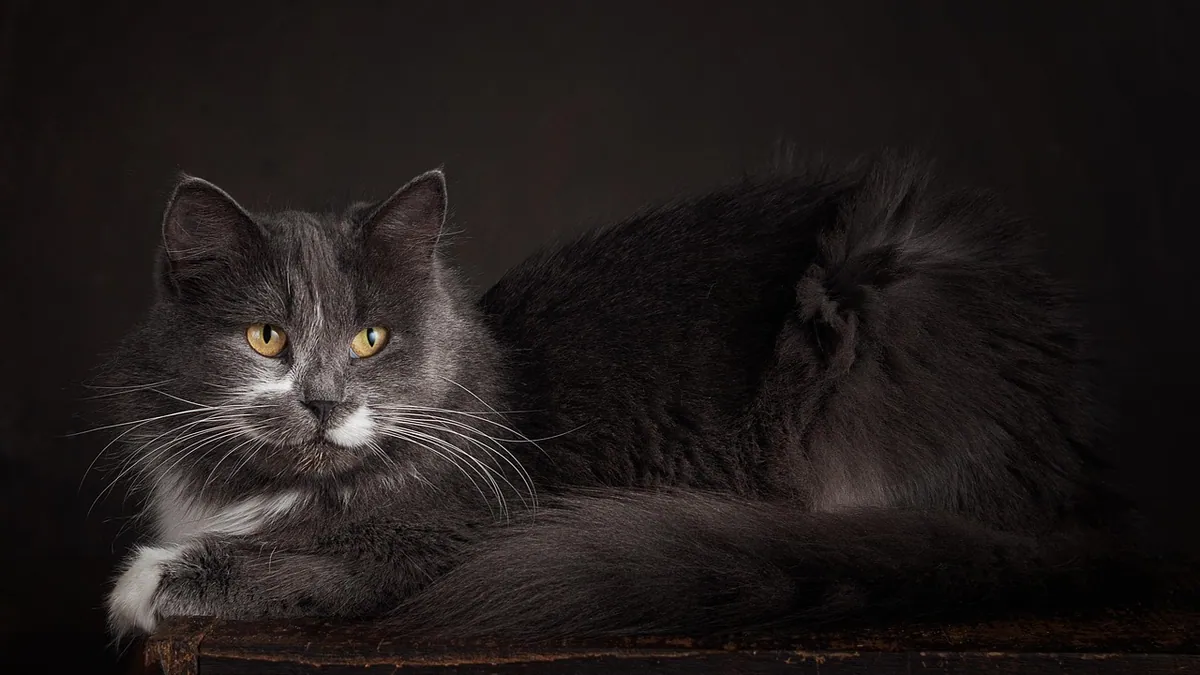
Jelly-like poop in cats usually means your cat is passing intestinal mucus, the slippery substance that lines and protects the colon. When the large intestine gets irritated, it can shed extra mucus, so the stool looks like clear or cloudy jelly, sometimes with blood or a gelatinous coating. A cat poop jelly like this is a sign to watch closely, because it can point to colitis, parasites, or a sudden diet upset.
This article is educational and is not a substitute for veterinary diagnosis or treatment.
Quick Answer
- Jelly-like stool is usually mucus from an irritated large intestine, not a disease on its own [1].
- Small amounts of jelly with a normal, formed stool can be monitored for 24 hours.
- Jelly with blood, repeated trips to the box, straining, vomiting, or lethargy needs a same-day vet call.
- Never give human anti-diarrheal or antibiotic medicine to a cat without veterinary direction.
- Bring a fresh stool sample in a sealed bag or container if you can, since fecal testing is often the fastest way to find parasites or infection [1].
What Jelly-Like Cat Poop Looks Like and What Is Normal
Normal cat stool is firm, brown, and shaped like a small log. It holds together when you scoop it. A tiny bit of clear mucus on the outside of a normal stool can happen and is often harmless.
Jelly-like poop looks different. You may see:
- A clear, cloudy, or yellowish gel surrounding the stool
- A blob of jelly with little or no solid feces
- Streaks of red blood mixed into the jelly
- A shiny, slimy coating that leaves residue on the litter scoop
The large intestine, also called the colon or large bowel, absorbs water and salts, stores feces, and houses healthy gut bacteria. When illness, parasites, or other problems damage the colon, diarrhea and excess mucus are common results [1]. That is why the jelly often shows up with loose stool or with many small, urgent trips to the litter box.
If your cat is passing mucus but almost no stool, see our guide on Cat Straining to Poop but Only Passing Mucus: Causes and Care.
Main Causes of Jelly-Like Poop in Cats
Many conditions can irritate the colon and produce mucus. Some are mild and short-lived. Others need treatment.
| Cause | Typical clues | How urgent |
|---|---|---|
| Colitis (colon inflammation) | Jelly, loose stool, straining, small frequent poops | Vet visit within 24 to 48 hours |
| Parasites (worms, giardia, coccidia) | Jelly, diarrhea, weight loss, bloated belly, worms in stool | Same-day to 48 hours, fecal test needed |
| Sudden diet change or food intolerance | Jelly after a new food, treat, or table scrap | Monitor 24 hours, call if it continues |
| Bacterial colitis | Bloody mucus, straining, vocalizing in the box | Same-day vet visit |
| Rectal polyp or mass | Blood in feces, straining, jelly coating, tissue at the anus | Vet visit soon, exam needed [2] |
| Rectal prolapse | Pink or red tissue sticking out of the anus | Emergency |
| Stress or litter box upset | Jelly with normal stool, box avoidance | Monitor and address stress |
| Foreign body or stricture | Chronic straining, thin stool, vomiting | Same-day vet visit |
Colitis and Large Bowel Inflammation
Colitis is the most common reason for jelly-like stool. The colon becomes inflamed and produces extra mucus to protect itself. Cats with colitis often strain, pass small amounts of stool frequently, and may have blood or mucus in the feces.
One reported case described a cat with an 8-month history of bloody stool, mucoid diarrhea, straining, and vocalizing in the litter box. Testing found granulomatous colitis linked to Escherichia coli, and the cat needed antibiotics, a hydrolyzed protein diet, and a deworming course [3]. This shows how a long-standing jelly and blood pattern can have a specific, treatable cause.
Parasites and Infection
Intestinal parasites are a frequent cause of mucus and diarrhea in cats. A fecal test can identify worms, giardia, coccidia, and other organisms. Your veterinarian may also test for viral causes. Feline enteric coronavirus is highly contagious among cats in close contact and causes small intestine inflammation, though it is not usually fatal [1].
Diet Upset and Food Allergy
A sudden switch in food, a new treat, or eating something unusual can irritate the colon. Food trials with specific diets are sometimes used to diagnose colitis causes [1]. If the jelly started right after a diet change, that timing matters.
Polyps, Masses, and Structural Problems
Rectal polyps occur infrequently in cats. They are usually benign and do not spread. Signs include straining to defecate, blood in the feces, and diarrhea. A veterinarian can feel the polyp during a rectal exam, and its surface tends to bleed easily [2]. Surgery usually leads to rapid recovery and long survival [2].
Rectal prolapse is different. Part of the rectum pushes out through the anus. It can be caused by intestinal, anorectal, or urinary disease, and it happens most often in young cats with severe diarrhea or frequent straining [2]. This is an emergency.
Other structural problems, such as a colonic stricture, can cause chronic straining and tenesmus (the feeling of needing to go). One case report described a cat with a distal colonic stricture found during colonoscopy [4]. These cases need imaging and specialist care.
Stress and Behavior
Stress can trigger gut changes. If your cat is pooping outside the box along with the jelly, read Why Is My Cat Pooping Outside the Litter Box? Causes and Solutions. Straining that looks like constipation can also be something more serious, which we cover in Cat Straining to Poop: Constipation or Something Worse?.
Red Flags: When Jelly-Like Poop Is an Emergency
Call your veterinarian right away or go to an emergency clinic if you see any of these:
- Large amounts of red blood or black, tarry stool
- Jelly-like poop with blood and your cat is weak, pale, or collapsing
- Pink or red tissue sticking out of the anus (possible prolapse) [2]
- Repeated vomiting, especially with no food kept down
- No poop for more than 24 hours with straining and crying
- A hard, painful belly
- Hiding, growling when touched, or refusing all food
- Known or suspected access to string, toys, bones, or medication
Blood in jelly-like stool can come from colitis, parasites, polyps, or more serious disease [2][3]. Do not wait to see if it clears on its own when blood is present.
Safe Things You Can Do at Home While You Wait
Home care is about comfort and information gathering. It is not a substitute for treatment.
- Offer small amounts of the same food your cat normally eats. Sudden diet changes can make diarrhea worse.
- Keep fresh water available. Dehydration is a real risk with diarrhea.
- Clean the litter box and note the time, amount, and appearance of each stool.
- Take a photo of the jelly stool and any blood.
- Collect a fresh stool sample in a sealed bag or clean container for the vet visit [1].
- Keep your cat indoors and away from other cats if you suspect an infection.
- Do not give human medicines such as loperamide, bismuth, or antibiotics. Your veterinarian calculates any dose from your cat's weight and health.
If your cat is vomiting as well, see Cat Vomiting Bile: Causes and When to Call the Vet.
What Your Veterinarian Will Check and Test
Your veterinarian will start with a detailed history. They will ask about diet, timing, litter box habits, other pets, indoor or outdoor access, and any recent changes. Then they will do a full physical exam, including a rectal exam to check for polyps, masses, or prolapse [2].
Testing may include:
- Fecal testing for parasites and bacteria [1]
- Blood work and urine testing to check for systemic illness [1]
- Abdominal x-rays or ultrasound to look at the colon wall and organs [1]
- Food trials with a specific diet to diagnose some colitis causes [1]
- Endoscopy or colonoscopy to see inside the colon [2][1]
- Biopsies to confirm the type of inflammation [1][3]
In one case, ultrasound confirmed diffuse colonic wall thickening, and colonoscopy showed extensive ulceration and redness before biopsy confirmed the diagnosis [3]. This is why jelly-like stool that keeps coming back often needs more than a simple exam.
Colonoscopy is generally a benign procedure, but rare complications such as colonic perforation can occur and may be life-threatening [4]. Your veterinarian will discuss risks and benefits based on your cat's condition.
Prevention and Monitoring
You cannot prevent every cause of jelly-like stool, but you can lower the odds and catch problems early.
- Change foods slowly over 7 to 10 days, mixing old and new.
- Keep up with parasite prevention as directed by your veterinarian.
- Schedule routine wellness exams and fecal tests, especially for cats that go outside.
- Watch for early signs: straining, small frequent poops, blood, or mucus.
- Reduce stress with stable routines, enough litter boxes, and quiet spaces.
- Track episodes in a note on your phone so you can show your vet a pattern.
If your cat has repeated jelly-like stool, keep a simple log. Write down the date, what the stool looked like, whether blood was present, and what your cat ate that day. This helps your veterinarian choose the right tests faster.
Limitations and When to Contact a Veterinarian
This article cannot tell you what is causing your cat's jelly-like stool. Only a veterinarian can examine your cat, run tests, and make a diagnosis. Individual cases need a veterinarian.
Contact your veterinarian the same day if you see jelly-like stool with blood, repeated straining, vomiting, or a cat that seems uncomfortable.
Go to an emergency clinic now if you see a prolapse, heavy bleeding, collapse, a painful belly, or a cat that cannot pass stool at all.
Schedule a routine visit if the jelly appears once with a normal stool and your cat is eating, drinking, and acting normal. If it happens again within a few days, move the visit up.
Frequently Asked Questions
Is jelly-like poop in cats always serious?
No, a small amount of mucus on a normal stool can be harmless. It becomes more concerning when it repeats, comes with blood, or your cat strains, vomits, or acts sick. Persistent jelly-like stool deserves a veterinary exam.
Can I wait a day to see if it clears up?
You can monitor for 24 hours if your cat is eating, drinking, and acting normal and there is no blood. Call your veterinarian if the jelly continues, gets worse, or your cat starts vomiting or hiding. Any blood means call the same day.
Does jelly-like poop mean my cat has worms?
Not always, but parasites are a common cause. A fecal test is the only way to know. Many intestinal parasites are treatable, and testing also rules out other causes of colon irritation.
Can stress cause jelly-like stool in my cat?
Yes, stress can change gut function and lead to mucus in the stool. A new pet, a move, or a dirty litter box can trigger it. If stress seems likely and there is no blood or vomiting, address the stress and watch closely.
Will my cat need surgery for jelly-like poop?
Most cats do not need surgery. Surgery is reserved for specific problems such as rectal polyps or prolapse [2]. Your veterinarian will decide based on the exam and test results.
Related Articles
- Cat Straining to Poop but Only Passing Mucus: Causes and Care
- Are Jelly Cats Safe for Pets? A Complete Safety Guide
- Cat Vomiting Bile: Causes and When to Call the Vet
- Cat Straining to Poop: Constipation or Something Worse?
- Why Is My Cat Pooping Outside the Litter Box? Causes and Solutions
- Cat Not Pooping but Eating Normally: Causes and When to Help
- Liquid Cat Poop: Causes of Watery Diarrhea and What to Do
- Cat Poop Runny: Causes of Diarrhea and What to Do
- Yellow Mucus in Cat Poop: Causes and When to Worry
References
- Disorders of the Stomach and Intestines in Cats - Cat Owners. Merck Veterinary Manual.
- Disorders of the Rectum and Anus in Cats - Cat Owners. Merck Veterinary Manual.
- Repeat histopathology and culture of colonic biopsy specimens after treatment for Escherichia coli-associated granulomatous colitis in a cat. JFMS open reports, 2023.
- Anaesthetic Challenges During Colonoscopy-Induced Intestinal Perforation in a Cat. Veterinary sciences, 2026.