What Cat Diarrhea Color Means: A Guide to Stool Changes
By Dr. Zubair Khalid, DVM, MS, PhD ·
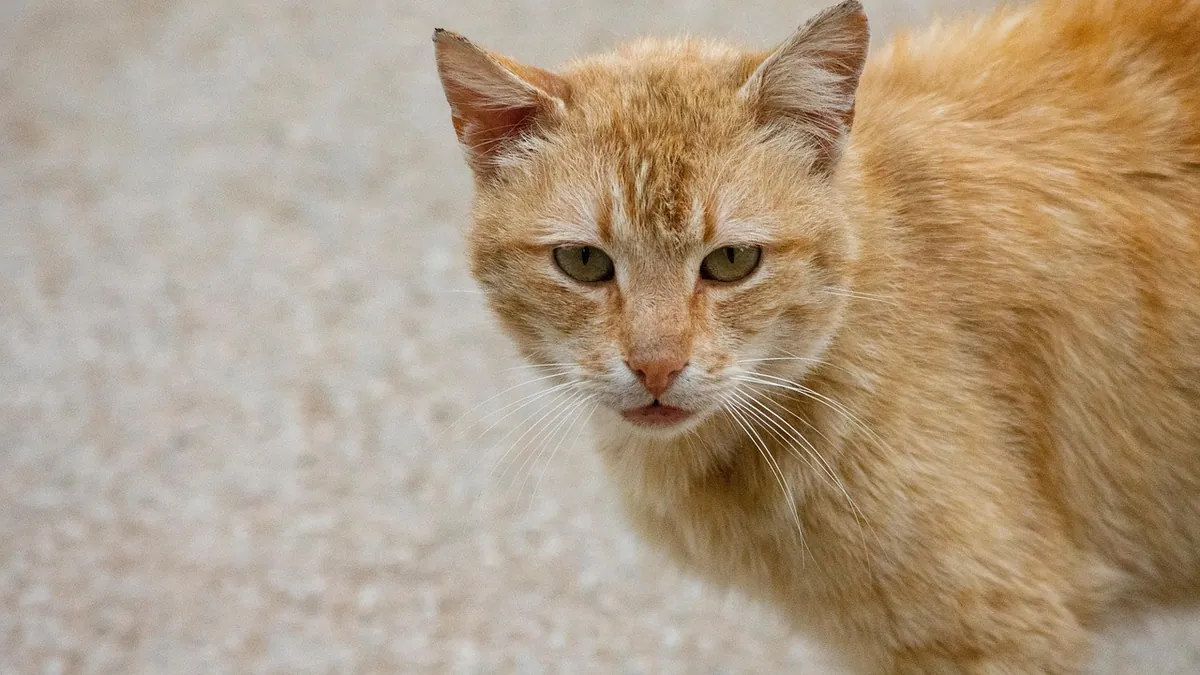
Cat diarrhea color meaning comes down to what is passing through your cat's gut and how fast it is moving. Color alone does not diagnose a disease, but it does help you decide how quickly to act. Some colors point to diet or mild upset, while others point to bleeding or a problem that needs same-day care.
This article is educational and is not a substitute for veterinary diagnosis or treatment.
Quick Answer
- Green diarrhea often means stool is moving through the gut too fast for normal bile processing, or your cat ate something grassy or unusual.
- Orange or yellow diarrhea usually suggests fast transit or a diet or liver issue, and it needs a vet visit if it lasts more than a day or two.
- Black, tarry diarrhea is a red flag for digested blood from the upper gut and needs emergency care.
- Bright red streaks mean fresh bleeding from the lower gut or rectum, which also needs prompt veterinary attention.
- Any diarrhea in a kitten, a senior cat, or a cat that is vomiting, weak, or not eating is urgent, no matter the color.
What Normal Cat Stool Looks Like
Normal cat poop is firm, log-shaped, and brown. The brown color comes from bile and from bacteria working in the colon. A healthy stool holds its shape when you scoop it and does not leave a lot of residue behind.
Diarrhea is any stool that is looser than normal. It can be soft, pudding-like, watery, or fully liquid. The color can shift at the same time, and that shift is often the clue owners notice first.
Vets divide diarrhea into small bowel and large bowel patterns based on the signs, and that difference guides testing and treatment [1]. Small bowel diarrhea tends to be larger in volume and may come with weight loss or vomiting. Large bowel diarrhea tends to come with straining, mucus, and more frequent small trips to the litter box.
What Different Diarrhea Colors Suggest
Green Diarrhea in Cats
Green stool usually means food is racing through the intestinal tract. Bile starts out green, and when transit is fast, it does not have time to turn brown. Eating grass or a lot of plant material can also turn stool green.
Green diarrhea by itself is often mild. Watch for other signs like vomiting, belly pain, or a cat that hides and stops eating. If green diarrhea lasts more than 24 to 48 hours, or your cat is a kitten, call your vet.
Orange or Yellow Diarrhea in Cats
Orange or yellow diarrhea often points to fast transit too, since bile and undigested food are passing quickly. It can also show up with diet changes, food intolerance, or liver and gallbladder problems.
Gallbladder sludge is common in cats and is not always linked to active disease. In one review of 166 cats, sludge was found in 64% of them, and it was not significantly linked to positive bile cultures or to neutrophilic cholangitis [2]. That means sludge on an ultrasound is not automatically the cause of your cat's diarrhea, and your vet will look at the whole picture.
Black Diarrhea in Cats
Black, tarry diarrhea is one of the most serious colors. It usually means digested blood from bleeding higher up in the stomach or small intestine. The blood turns black as it moves through the gut.
Call your vet right away if you see black tarry stool. This is an emergency sign, especially if your cat is weak, pale, or vomiting. Do not wait to see if it clears up on its own.
Red or Bloody Diarrhea in Cats
Bright red blood in or on the stool means fresh bleeding from the lower intestine, colon, or rectum. Small streaks can come from inflammation, parasites, or straining. Larger amounts, or blood mixed throughout the stool, need prompt care.
Bloody diarrhea can be a sign of inflammatory bowel disease. In one case report, a young cat with vomiting and bloody stool was diagnosed with lymphocytic-plasmacytic and eosinophilic enterocolitis after biopsy [3]. That cat improved with treatment, which shows why a proper diagnosis matters. If you see blood with vomiting, read Cat Vomiting and Diarrhea with Blood: Emergency Signs.
Gray, Pale, or Greasy Diarrhea in Cats
Pale, gray, or greasy stool can suggest fat is not being digested well. This can happen with liver, gallbladder, or pancreatic problems. It can also happen with certain intestinal diseases.
This color pattern is not an emergency by itself, but it should be checked at a routine or same-week visit. Your vet will likely run blood work and may recommend an ultrasound.
Main Causes Behind Cat Diarrhea Color Changes
| Cause | Typical clues | How urgent |
|---|---|---|
| Sudden diet change or food intolerance | Soft stool within a day or two of a new food, no blood, cat still eating | Routine visit if it lasts more than 2 days |
| Bacterial imbalance in the gut | Loose stool, gas, sometimes mucus, often after stress or antibiotics | Same-day call if bloody or if your cat seems sick |
| Inflammatory bowel disease | Recurring diarrhea, vomiting, weight loss, sometimes blood | Schedule a vet visit soon, testing needed [1][3] |
| Parasites | Diarrhea that comes and goes, possible blood or mucus, kittens at higher risk | Same-day call for kittens, routine for adults |
| Foreign object or toxin | Sudden vomiting and diarrhea, drooling, belly pain, cat hides | Emergency now |
| Liver or gallbladder disease | Pale or orange stool, yellow gums or eyes, poor appetite | Same-day call |
| Bleeding in the upper gut | Black tarry stool, weakness, pale gums | Emergency now |
Chronic diarrhea in cats has many possible causes, and the mechanisms include osmotic and secretory diarrhea, poor intestinal barrier function, and abnormal gut motility [1]. That is why color is a starting point, not a final answer.
Gut bacteria also play a role. Research in mice showed that fecal microbes from cats with diarrhea could impair the intestinal barrier and trigger colon inflammation, with Gram-negative bacteria suspected as a driver [4]. This supports what vets already see in practice: an unhealthy gut bacterial balance can keep diarrhea going.
Red Flags That Mean Emergency Care
Some signs mean you should stop reading and call an emergency clinic.
- Black, tarry stool
- Large amounts of bright red blood
- Vomiting blood or material that looks like coffee grounds
- Pale or white gums
- Weakness, collapse, or trouble standing
- Belly that looks swollen or feels painful
- Known or suspected access to a toxin, human medication, or string
- Diarrhea in a kitten under 8 weeks old
Kittens dehydrate fast. If your kitten has diarrhea, see Kitten Diarrhea: Causes, Safe Home Care, and Emergency Signs.
Safe Things You Can Do at Home While You Wait
You can support your cat at home while you arrange a vet visit. Keep changes small and simple.
Keep fresh water available at all times. Dehydration is the biggest short-term risk with diarrhea. Offer multiple water bowls in quiet spots.
Do not fast your cat. Cats can develop serious liver problems if they stop eating for even a couple of days. If your cat will eat, offer small amounts of the food they normally tolerate.
Avoid sudden diet swaps. If you change food, do it slowly over several days. Sudden changes can worsen diarrhea.
Do not give human diarrhea medicine. Over-the-counter products for people can be toxic to cats. Never give loperamide, bismuth, or similar products without a vet's direction.
Do not give antibiotics you have at home. The wrong antibiotic can make gut bacteria problems worse.
Collect a stool sample. A fresh sample in a clean bag or container helps your vet run tests faster. A sample from the last 12 hours is best.
Take a photo of the stool. Color is easier to describe with a picture, and it helps your vet judge severity.
If your cat is vomiting too, see Cat Vomiting and Diarrhea: When to Worry. For a broader look at severity, read Cat Diarrhea: How to Tell If It's Serious and What to Do.
What Your Veterinarian Will Check
Your vet will start with a full history. They will ask about diet, recent changes, litter box habits, vomiting, weight loss, and any possible exposure to toxins or foreign objects.
Physical exam. Your vet checks hydration, gum color, belly pain, weight, and body condition. They may take your cat's temperature.
Fecal testing. A stool sample can be checked for parasites, bacteria, and other causes. This is often the first test for diarrhea.
Blood work. A complete blood count and chemistry panel can show dehydration, infection, organ problems, and electrolyte changes. In the case report of the cat with enterocolitis, blood work showed marked eosinophilia and basophilia, which helped point toward the diagnosis [3].
Imaging. X-rays or ultrasound can look for foreign objects, thickened intestines, or gallbladder changes. Ultrasound is also how vets find gallbladder sludge, though sludge alone does not confirm disease [2].
Additional testing. If diarrhea is chronic, your vet may recommend specialized tests, diet trials, or a biopsy. Chronic diarrhea often needs a step-by-step approach because so many conditions can cause it [1].
Treatment. Treatment depends on the cause. It may include a therapeutic diet, anti-parasite medication, antibiotics, anti-nausea medication, or steroids for inflammatory disease. In the case report, the cat improved on prednisolone, tylosin, and metronidazole, with antibiotics tapered as signs resolved [3]. Your vet will choose medications and calculate every dose based on your cat's weight and health.
Prevention and Monitoring
You cannot prevent every cause of diarrhea, but you can lower the odds and catch problems early.
Keep the diet steady. Sudden food changes are a common trigger. Transition over 7 to 10 days when you switch foods.
Control parasites. Keep your cat on a vet-recommended parasite prevention plan, especially if they go outside or live with other pets.
Watch the litter box. You are the best monitor of your cat's normal stool. Note color, shape, and frequency so you can spot changes fast.
Limit table scraps and trash access. Fatty foods and spoiled food can trigger gut upset.
Keep stress low. Stress can shift gut bacteria. Keep litter boxes clean, provide hiding spots, and keep routines predictable.
Schedule routine exams. Regular checkups help catch chronic gut or liver problems before they get worse. If your cat has repeated bouts, see Cat Diarrhea: Causes, Home Care, and When to Worry.
Limitations and When to Contact a Veterinarian
Color is a clue, not a diagnosis. Two cats with the same stool color can have very different problems, and only a veterinarian can sort that out. Individual cases need a veterinarian who can examine your cat and run the right tests.
Call an emergency clinic now if you see: black tarry stool, a lot of bright red blood, vomiting blood, pale gums, collapse, a swollen painful belly, or a known toxin exposure.
Call your vet the same day if you see: bloody diarrhea, diarrhea with repeated vomiting, diarrhea in a kitten or senior cat, or a cat that is hiding, crying, or refusing food.
Schedule a routine visit if you see: soft stool lasting more than 2 days, color changes without other signs, or repeated bouts over weeks.
Frequently Asked Questions
Does green diarrhea in cats always mean something serious?
No, green diarrhea is often mild and linked to fast transit or eating grass. It becomes a concern when it lasts more than a day or two or comes with vomiting, weakness, or loss of appetite. Kittens with green diarrhea should be seen quickly.
Can black diarrhea in cats go away on its own?
Black tarry diarrhea should always be treated as an emergency. It usually means bleeding in the upper gut, and that bleeding can be serious. Do not wait to see if it clears up.
What does orange cat poop with diarrhea mean?
Orange or yellow diarrhea often means food is moving through the gut too fast. It can also point to diet problems or liver and gallbladder issues. If it lasts more than a couple of days, have your vet check your cat.
Should I stop feeding my cat if they have diarrhea?
No, do not fast your cat. Cats that stop eating can develop dangerous liver problems within a few days. Offer small amounts of their usual food and keep water available, then follow your vet's advice.
How long can I wait before calling the vet about diarrhea color?
Call right away for black or bloody stool. For other colors, call if diarrhea lasts more than 24 to 48 hours, or sooner if your cat is a kitten, is vomiting, or seems unwell. When in doubt, call your vet.
Related Articles
- Cat Diarrhea: How to Tell If It's Serious and What to Do
- Cat Vomiting and Diarrhea with Blood: Emergency Signs
- Kitten Diarrhea: Causes, Safe Home Care, and Emergency Signs
- Cat Diarrhea: Causes, Home Care, and When to Worry
- Cat Vomiting and Diarrhea: When to Worry
- Cat Diarrhea Treatment
- Cat Diarrhea Colors: What Green, Brown, or Light Stool Means
- Cat Poop Chart: What Color and Consistency Mean
- Cat Poop Colors: What Yellow, Tan, and Light Stool Mean
References
- Feline chronic diarrhea: causes and nutritional management. Veterinary and animal science, 2026.
- Gallbladder sludge in cats: associations with bile culture, liver enzymes and cholangiohepatitis in 166 cases. Journal of feline medicine and surgery, 2025.
- Case report: Lymphocytic-plasmacytic and eosinophilic enterocolitis presented with marked eosinophilia and basophilia in a cat. Frontiers in veterinary science, 2023.
- Gram-Negative Bacterial Overgrowth Predominated by: Potential Association with Intestinal Barrier Impairment and Inflammatory Diarrhea in Cats. Veterinary sciences, 2026.