Cat Cyst With Blood or on the Kidney
By Dr. Zubair Khalid, DVM, MS, PhD ·
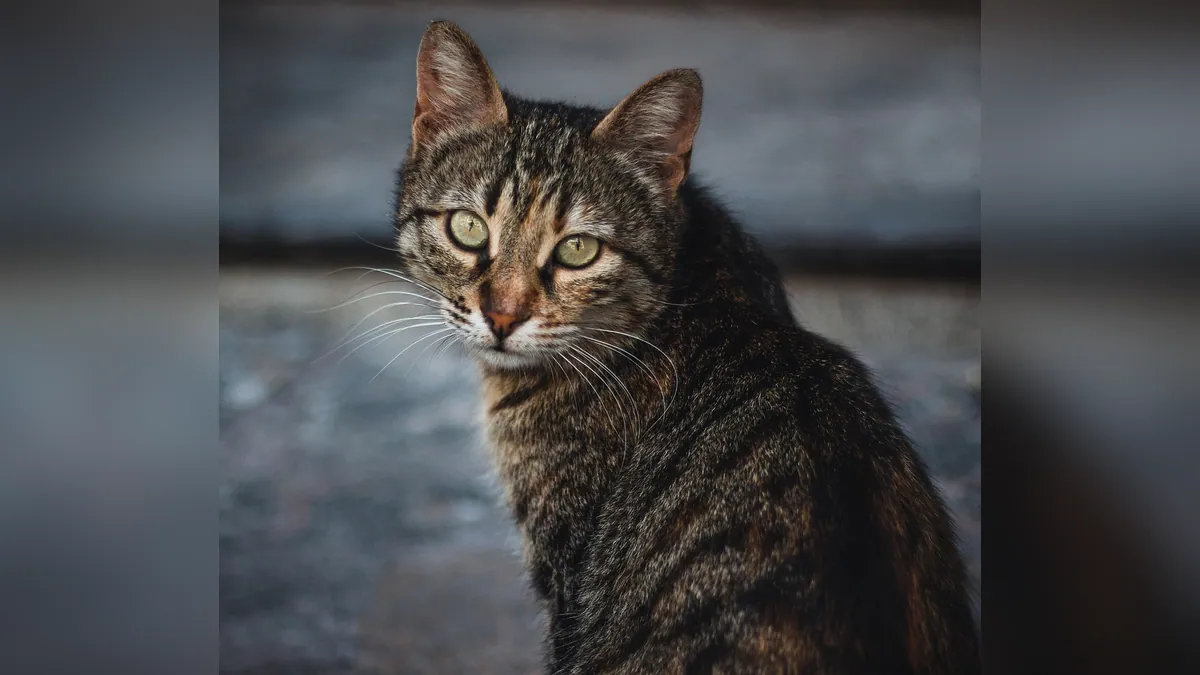
A cat cyst with blood usually means one of two very different things. A cyst on or under the skin can bleed after a scratch or a needle poke, and that blood is often harmless. A cyst found on a kidney is usually seen on ultrasound or another imaging test, and blood inside or around it needs a veterinarian to sort out the cause.
This article is educational and is not a substitute for veterinary diagnosis or treatment.
Quick Answer
- A skin cyst that bleeds is a surface problem. A kidney cyst is an internal finding, usually discovered when your vet images the belly for another reason.
- Blood in the urine, a bloody lump that keeps refilling, or a cyst that grows quickly all need a vet visit, often the same day.
- Most simple kidney cysts in cats are monitored with repeat ultrasound and bloodwork instead of surgery.
- Blood around a kidney can come from a bleed, an infection, a blocked ureter, or a tumor, so imaging alone may not give the full answer.
- Never squeeze, drain, or bandage a bleeding cyst at home. Apply gentle pressure with a clean cloth and call your vet.
What You Are Actually Looking At
Owners often use the word cyst for any lump. In veterinary medicine, a cyst is a closed sac with fluid inside. It can sit in the skin, under the skin, inside the kidney, or in other organs. The word itself does not tell you whether the lump is dangerous.
A kidney cyst is a fluid-filled pocket in or on the kidney. Your vet may find it during an abdominal ultrasound, a contrast x-ray, or a CT scan. One report described a young cat with a large cystic structure in the belly that turned out to be a swollen kidney from a narrowed ureter, not a true cyst [1]. That is why a cyst seen on one image is often not the final diagnosis.
Blood can show up in two places. It can be inside the cyst fluid, or it can collect around the cyst in the tissue. Blood inside a cyst is sometimes called a hemorrhagic cyst. Blood around a kidney can also come from urine leaking into the space around the organ, which is a different problem with a different treatment [2].
Causes of a Cat Cyst With Blood
The table below groups the common reasons a cyst may contain or leak blood. Urgency depends on your cat's overall condition, not the lump alone.
| Cause | Typical clues | How urgent |
|---|---|---|
| Bleeding skin cyst (bite, scratch, or self-trauma) | A soft lump that oozes dark blood, a scab, or a small open spot. Your cat acts normal. | Routine visit within a few days unless bleeding will not stop |
| Ruptured or inflamed skin cyst | Redness, swelling, pain when touched, discharge with a bad smell | Same-day visit |
| Simple renal cyst (kidney cyst) | Found on ultrasound, no symptoms, normal bloodwork | Routine monitoring |
| Renal cyst that bleeds into the urine | Blood in the urine, straining, frequent trips to the litter box | Same-day visit |
| Uriniferous perinephric pseudocyst (urine leaking around the kidney) | A firm, growing belly, lethargy, a kidney with fluid around it on ultrasound [2] | Same-day to emergency visit |
| Hydronephrosis from a blocked ureter | A large belly mass, especially in a young cat, sometimes trouble breathing from pressure [1] | Urgent, often surgical |
| Kidney tumor such as hemangiosarcoma | Weight loss, drinking and urinating more, blood in the urine, abnormal vessels on ultrasound [3] | Emergency or urgent referral |
| Cyst in another organ (brain, reproductive tract, prostate in males) | Nervous signs, collapse, or a mass found on imaging [4][5][6] | Emergency if your cat collapses or has seizures |
A few of these deserve a closer look.
Kidney Cysts Found on Imaging
A renal cyst in a cat is often an incidental finding. Your vet may spot it while checking the kidneys for another reason. Many simple cysts stay the same size for years and cause no symptoms. Others grow, press on healthy kidney tissue, or bleed.
A cyst that bleeds into the urine can look exactly like a urinary tract infection or bladder stones from the outside. You may see pink or red urine, more litter box trips, or accidents outside the box. If your cat is passing blood, see Cat Peeing Blood: What Should You Do? for the steps to take first.
Urine Leaking Around the Kidney
A perinephric pseudocyst is a pocket of fluid that forms around a kidney. When the fluid is urine, it is called a uriniferous pseudocyst. This happens when urine escapes from the kidney's drainage system and collects under the capsule, the thin cover around the organ [2]. The belly swells, and your cat may seem tired or off its food. This is not a simple cyst and it does not resolve on its own.
Blocked Ureters and Swollen Kidneys
The ureter is the tube that carries urine from the kidney to the bladder [7]. If it narrows or blocks, urine backs up and the kidney swells. On ultrasound this can look like a large cyst [1]. A young cat with a growing belly and no other obvious cause should be checked for this.
Tumors That Bleed
Some kidney masses bleed. One case report described a cat with weight loss, heavy drinking and urination, and repeated bloody cystitis. Imaging showed abnormal, tangled blood vessels inside the kidney, and the final diagnosis was a kidney hemangiosarcoma [3]. A tumor like this can look like a cyst with blood on an ultrasound, so your vet may recommend more testing.
Cysts in Other Organs
Cysts can also form in the brain, the reproductive tract, and other sites. A cat with a cyst in the brain may show balance problems, head tilt, or weakness [5][6]. A cat with a bleeding cyst in the reproductive tract may collapse from blood loss [4]. These are uncommon, and they usually cause signs that point away from the skin or kidney.
Red Flags That Make It an Emergency
Call an emergency clinic right away if you see any of these.
- Bleeding from a lump that does not stop after 5 minutes of firm, steady pressure.
- A lump that grows over hours, or one that keeps refilling after it drains.
- Blood in the urine along with straining, crying, or no urine at all.
- A swollen belly that is getting bigger, especially with lethargy or trouble breathing.
- Pale gums, weakness, collapse, or a cat that will not stand.
- Seizures, a head tilt that suddenly gets worse, or a cat that seems confused.
- Vomiting, no appetite, or no drinking for more than 24 hours.
Blood in the urine with straining can also point to a blockage, which is a life-threatening problem in male cats. If your cat is acting normal but the urine is pink, see Cat Blood in Urine but Acting Normal: Causes and Next Steps for guidance on timing.
What You Can Safely Do at Home
You cannot diagnose a cyst at home, and you should not try to drain one. Here is what helps while you wait for your appointment.
- Put on clean gloves or use a clean cloth. Apply gentle, steady pressure to a bleeding skin lump for 5 minutes without peeking.
- Do not squeeze, poke, or cut the lump. Do not apply human antibiotic creams, hydrogen peroxide, or alcohol.
- Take a photo of the lump with something for scale, like a coin. Note the date and time.
- Measure your cat's water intake if you can. A bowl that holds a known amount makes this easier.
- Watch the litter box. Note the number of trips, the amount of urine, and any color change.
- Keep your cat indoors so you can monitor it and prevent more trauma to the lump.
- Write down any medications, supplements, and flea or tick products your cat has had. Your vet will ask [8].
If your cat is bleeding heavily, do not wait. Go to the nearest emergency hospital.
What Your Veterinarian Will Check
Your vet starts with a full history and a hands-on exam. Expect questions about drinking, urination, appetite, weight change, and past illnesses [8]. The exam includes feeling the kidneys and bladder and checking the gums, belly, and skin [8].
From there, your vet picks tests based on what the exam suggests. Common options include:
- Blood tests to check kidney values, red blood cell count, and electrolytes.
- A blood pressure check, since the kidneys help control blood pressure [7].
- Urinalysis to look for blood, bacteria, crystals, and protein [8].
- Ultrasound, which is the most useful test for telling a cyst from a tumor or a swollen kidney.
- X-rays and contrast x-rays, where a dye outlines the urinary tract [8].
- CT with excretory urography, which can trace where urine is leaking from the kidney [2].
- A biopsy or fine needle sample if a mass is found [8].
- Cystoscopy, where a small camera is passed into the urethra to look inside the urinary tract [8].
For a skin cyst, your vet may simply examine it and watch it. If it keeps bleeding or looks infected, they may drain it, flush it, or remove it. Any procedure and any medication dose is set by your veterinarian based on your cat's weight and health.
Monitoring and Prevention
There is no proven way to prevent a kidney cyst. What you can do is catch changes early.
- Keep routine wellness visits. Your vet can feel the kidneys and check urine and blood values [8].
- If a kidney cyst is found, ask how often to recheck it. Many vets repeat an ultrasound in 3 to 6 months, then space visits out if the cyst is stable. Your vet sets the schedule for your cat.
- Track water intake and litter box habits at home. A change in either one is a reason to call.
- Treat skin lumps early. A cyst that is scratched or bitten is more likely to bleed and get infected.
- Keep your cat at a healthy weight and manage other diseases, since the kidneys help control blood pressure and red blood cell production [7].
- If your cat has had blood in the urine, ask your vet whether a urine culture or imaging is needed. Bloody urine can come from infection, stones, or a cyst, and the treatment differs for each. See Why Is My Cat Peeing blood? Cystitis, Infection & Stones for more on those causes.
Limitations and When to Contact a Veterinarian
No article can tell you whether your cat's cyst is harmless. Only an exam and testing can do that. Individual cases need a veterinarian who can see your cat, review its history, and run the right tests.
Contact your vet the same day if you notice blood in the urine, a lump that is red or painful, a lump that has changed size, or a cat that is eating less than usual.
Go to an emergency clinic now if bleeding will not stop, your cat collapses, breathes with an open mouth, strains to urinate with no urine produced, or has a seizure.
Schedule a routine visit if a lump has been stable for weeks but you want it checked, or if your cat had a kidney cyst on a past ultrasound and is due for a recheck.
Frequently Asked Questions
Can a cyst on my cat's kidney burst?
A simple kidney cyst can rupture, but this is uncommon. If it does, blood may appear in the urine or collect around the kidney. A swollen, painful belly or a cat that suddenly seems weak needs an emergency visit.
Is blood in a cyst always cancer?
No. Blood inside a cyst can come from trauma, infection, inflammation, or a benign cyst that bled on its own. Cancer is one possibility, which is why imaging and sometimes a tissue sample are needed to tell the difference.
Will my cat need surgery for a kidney cyst?
Most simple kidney cysts do not need surgery. Your vet will likely monitor the cyst with repeat imaging and bloodwork. Surgery is considered when a cyst leaks urine, blocks the kidney, grows quickly, or causes pain.
Can I drain my cat's cyst at home?
No. Do not try to drain or squeeze a cyst. You can cause bleeding, infection, or damage to the tissue around it. A veterinarian can decide whether draining or removal is safe and how to do it.
Does a bleeding skin cyst mean my cat has a kidney problem?
No. A bleeding skin cyst and a kidney cyst are separate problems. A skin cyst bleeds because of a scratch, a bite, or pressure. A kidney cyst is found inside the body on imaging. If your cat has both, your vet will treat and monitor each one on its own.
Related Articles
- Cat Peeing Blood: What Should You Do?
- Why Is My Cat Peeing blood? Cystitis, Infection & Stones
- Cat Blood in Urine but Acting Normal: Causes and Next Steps
- Why Is My Cat having blood in urine? UTI and Bladder Stones Diagnosis
- Cat Blood in Urine: Causes and When to Rush to the Vet
- Cat Ear Infection with Blood: What to Do Right Now
- Cysts in Cats: Skin, Belly, Kidney, and Leg Lumps
- Lump on a Cat's Kidney or Liver: What It Means
- Cat Cyst vs Abscess vs Cancer: Key Differences
References
- Congenital Unilateral Ureteral Stenosis With Hydronephrosis in a Kitten. Topics in companion animal medicine, 2019.
- Organ-Sparing Surgical Management of a Uriniferous Perinephric Pseudocyst Associated with a Calyceal Diverticulum in a Cat with a Solitary Kidney. Veterinary sciences, 2026.
- Ultrasonographic and CT Features of a Neoplasia-Associated Visceral Arteriovenous Fistula in a Cat. Veterinary radiology & ultrasound : the official journal of the American College of Veterinary Radiology and the International Veterinary Radiology Association, 2026.
- First Report of Hematosalpinx in a Cat With a Large Hematoma and Severe Anemia. Case reports in veterinary medicine, 2025.
- Case report: Intracranial epidermoid cyst in a cat. Frontiers in veterinary science, 2024.
- Symptomatic lateral ventricular cystic lesion in a young cat. JFMS open reports, 2020.
- The Urinary System of Cats - Cat Owners. Merck Veterinary Manual.
- Detecting Disorders of the Kidneys and Urinary Tract of Cats - Cat Owners. Merck Veterinary Manual.