Cat Anal Gland Expression and Fear: What to Know
By Dr. Zubair Khalid, DVM, MS, PhD ·
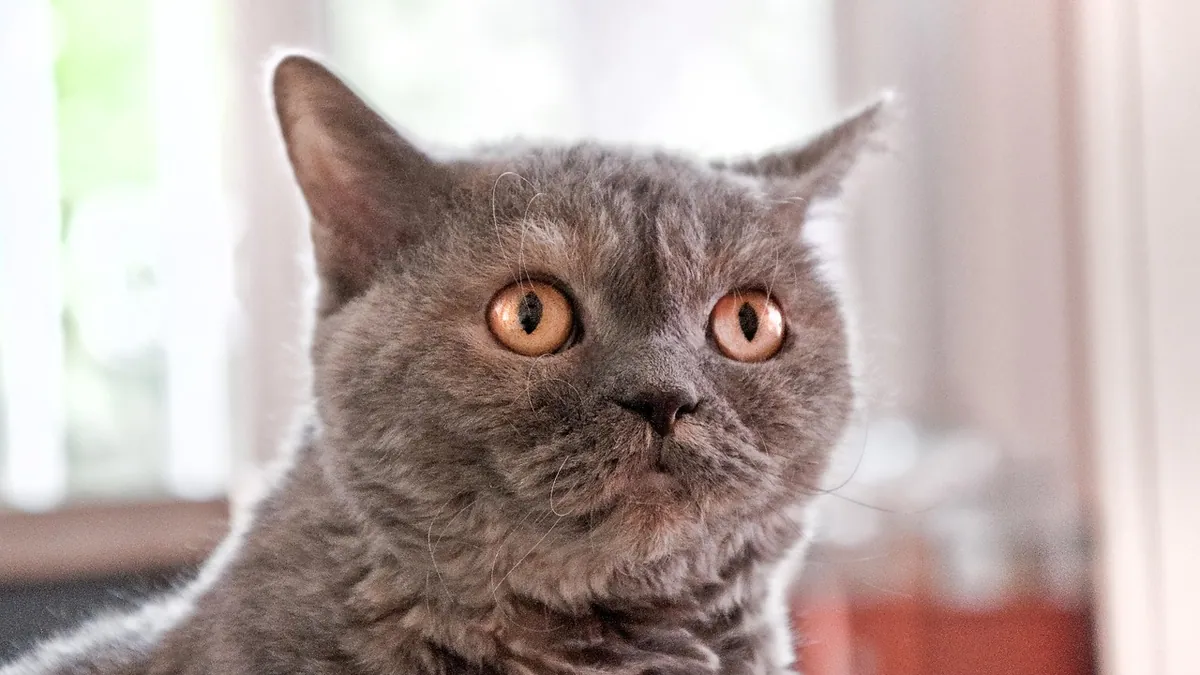
A cat anal gland expression when scared is usually a normal reflex, not a sign of disease. When a cat feels intense fear, the muscles around the anal sacs can squeeze out a small amount of oily, foul-smelling fluid. This is different from the ongoing problems that cause impaction, infection, or tumors, which need veterinary care.
This article is educational and is not a substitute for veterinary diagnosis or treatment.
Quick Answer
- A one-time release of smelly fluid during a fright (vet visit, carrier, loud noise, new pet) is a normal fear response and does not need treatment.
- Anal sacs are scent glands, and cats use their secretions for communication, including individual recognition [1].
- Repeated scooting, licking, straining, or a persistent bad smell points to impaction or infection, not fear.
- In cats, the most common form of anal sac disease is impaction [2].
- If you see swelling, redness, pain, blood, or pus near the anus, call your veterinarian promptly.
What Are Cat Anal Glands?
Anal glands (also called anal sacs) are two small pouches just inside the anus, one on each side. They sit under the skin at roughly the 4 o'clock and 8 o'clock positions. Each sac has a tiny duct that opens onto the edge of the anus.
These glands produce a thin, oily, yellowish-brown fluid with a strong, musky odor. In carnivores like cats, this secretion is part of chemical communication. Cats use scent signals to identify individuals and share information with other cats [1]. The odor comes partly from bacteria that live in the sacs and break down the secretion into volatile compounds [1].
Normal anal sacs empty a little bit every time a cat passes a firm stool. The stool presses against the sacs as it moves through the rectum and pushes fluid out through the ducts. When a cat is relaxed and healthy, you rarely notice this happening.
Cat Anal Gland Expression When Scared: What Is Normal?
Fear is one of the few times you may actually see or smell anal gland fluid at home. When a cat is startled or terrified, the muscles around the anus can contract hard and squeeze the sacs. A small amount of fluid lands on the fur, the floor, or in the carrier.
This is a reflex. It is not under the cat's conscious control, and it is not a sign that the glands are diseased. It is the same basic response that helps some animals release a strong scent when threatened.
Common triggers include:
- A trip to the veterinarian or a car ride
- Being put in a carrier
- A loud noise, such as thunder or a dropped pan
- A new pet or a strange cat in the yard
- Rough handling or being picked up when the cat does not want to be held
Stress hormones rise in cats during forced or unwanted interactions, and cortisol patterns change with the type of handling [3]. A frightened cat may also hide, flatten its ears, hiss, or try to escape. If you are seeing those behaviors often, our guide to cat stress signs can help you spot and reduce them.
If your cat hides after a scare, that is usually normal short-term behavior. Our article on cat hiding explains when hiding crosses into something that needs a vet visit.
Signs Owners Notice
Owners usually notice one of three things: a smell, a behavior, or a change at the rear end.
Smell. A sudden fishy or musky odor after a scare is the classic fear expression. A smell that lingers for days, or that keeps coming back, is more suspicious for impaction or infection.
Scooting. Your cat drags its bottom across the carpet or floor. This is often called scooting, and it usually means the area feels irritated or itchy.
Licking. Excessive licking or biting at the rear end, tail base, or back legs.
Straining or crying in the litter box. A cat with anal sac disease may strain to defecate, pass small or soft stools, or seem uncomfortable when sitting [2].
Swelling or a lump. A swollen, red, or hot area beside the anus can mean an abscess. A firm mass can be a tumor.
Discharge. Pus, blood, or thick brown material on the fur or in the litter box.
Personality changes. Some cats get quiet, hide, or stop using the litter box. Painful rear-end discomfort can also contribute to litter box avoidance, which we cover in litter box aversion in cats.
Normal fear expression vs. a problem
| Feature | Normal fear expression | Impaction or infection |
|---|---|---|
| When it happens | Once, during a scare | Repeatedly, or with no trigger |
| Amount of fluid | Small, thin, oily | Thick, paste-like, or pus-like |
| Smell | Strong but fades after cleaning | Persistent, gets worse over days |
| Bottom behavior | None, or brief licking | Scooting, licking, biting, straining |
| Rear-end appearance | Normal | Swollen, red, painful, or lumpy |
| Stool | Normal | Small, soft, or painful to pass |
| Appetite and mood | Normal after settling | May eat less, hide, or act off |
Causes and Risk Factors
Fear and stress
Acute fear is the main reason a healthy cat expresses anal glands at home. The trigger is usually obvious, and the episode passes within minutes.
Impaction
Impaction means the sacs fill with thick, pasty material that will not empty. In cats, impaction is the most common form of anal sac disease [2]. Impaction can be uncomfortable and can progress to inflammation or an abscess if it is not treated.
Anal sacculitis and abscess
Anal sacculitis is inflammation of the sacs. An abscess is a pocket of pus that forms when bacteria multiply inside a blocked sac. Both cause pain, swelling, and sometimes fever.
Tumors
Anal sac tumors are uncommon in cats but do occur. Reports describe apocrine gland carcinoma and squamous cell carcinoma of the anal sac in cats [4][5]. These tumors can spread, so early detection matters.
Other risk factors
Soft stools are a common contributor because firm stool helps empty the sacs. Obesity, chronic diarrhea, and skin allergies can also play a role. Small-breed dogs are classically prone to impaction and sacculitis, but that pattern is about dogs, and cats are affected differently [2]. In cats, impaction is the main problem veterinarians see [2].
How It Is Diagnosed
Diagnosis starts with a physical examination. Your veterinarian will look at and gently feel the area around the anus. They may check the sacs by gloved palpation to see whether they feel full, firm, or painful.
If the sacs feel abnormal, the vet may collect a sample of the fluid and look at it under a microscope. Imaging such as ultrasonography can help evaluate deeper tissue, and a biopsy may be needed if a mass is found [2]. Blood work is often part of the workup when infection or a tumor is suspected.
Tell your vet about the timing of the smell. A single episode right after a fright is useful information, and so is a smell that has been present for a week.
Treatment Options
Treatment depends on what is actually wrong.
No treatment for a normal fear response. If your cat expressed once during a scare and is otherwise fine, there is nothing to treat. Clean the area with a warm damp cloth, wash any bedding, and let your cat settle.
Manual expression. For impaction, a veterinarian can gently squeeze the sacs to empty them. This is a technical procedure, and doing it at home can injure the delicate tissue or push infection deeper. Let your vet do it.
Medications. Anti-inflammatory drugs or antimicrobials may be prescribed for inflammation or infection [2]. Your veterinarian calculates the dose from your cat's weight and health, so never use a leftover medication or a human product.
Surgical drainage. An abscess may need to be lanced and drained so pus can escape [2].
Surgery. For repeated problems or tumors, removal of the anal sacs may be recommended [2]. This is a bigger procedure, and your vet will discuss the risks.
Anxiety support. If fear is driving repeated episodes, treating the fear itself helps. Some cats benefit from behavior work, and some need medication. Our article on cat anxiety medication explains how those drugs are used. Oral anxiolytic and sedative medications have been studied in cats for reducing fear and defensive behavior during handling, though palatability and side effects vary [6].
Recovery, Outlook, and Long-Term Management
For a simple fear expression, there is no recovery period. Your cat is fine as soon as it calms down.
For impaction, most cats feel better quickly after the sacs are emptied. Some need a follow-up visit to make sure the sacs stay empty.
For infection or an abscess, expect a course of medication and a recheck. Healing usually takes days to a couple of weeks, depending on severity.
For tumors, the outlook depends on the type, size, and spread. In one report, a cat with anal sac squamous cell carcinoma lived about 552 days after surgery with multimodal treatment, while another cat was euthanized 28 days after diagnosis because of declining quality of life [5]. These are single cases, so they do not predict what will happen with your cat. Your veterinarian will give you a realistic picture based on staging.
Long-term management often focuses on stool quality. Firm, well-formed stools help the sacs empty naturally. Your vet may suggest a diet change or a fiber supplement. Keep your cat at a healthy weight, and keep up with routine exams.
Prevention
You cannot prevent every fear response, and you should not try to. Startling events are part of life.
What you can do:
- Reduce avoidable stress. Use a calm, predictable routine. Give your cat a quiet place to retreat.
- Make carrier trips easier. Leave the carrier out with a soft blanket so it is not a strange object that only appears before vet visits.
- Handle your cat gently. Forced interactions raise cortisol, while passive, low-pressure contact is linked to lower cortisol and higher oxytocin [3].
- Keep stools firm. Talk with your vet about diet and fiber if your cat has chronic soft stool.
- Watch the rear end. A quick look during grooming or petting can catch swelling early.
- Keep routine wellness visits. Early detection is the best tool for tumors and chronic sac problems.
Limitations and When to Contact a Veterinarian
This article covers general patterns. Your cat is an individual, and only a veterinarian who examines your cat can diagnose and treat it.
Contact your veterinarian the same day if you see:
- Swelling, redness, or a lump near the anus
- Pus, blood, or thick brown discharge
- Repeated scooting or constant licking at the rear end
- Straining to defecate, crying in the litter box, or not passing stool
- A bad smell that lasts more than a day or two
Go to an emergency clinic now if you see:
- A large, hot, painful swelling that may be an abscess
- Your cat is crying out, unable to sit, or pacing in pain
- Vomiting, collapse, or severe lethargy
- No bowel movement for more than a day or two with straining
Schedule a routine visit if:
- Your cat expresses anal glands every time it is scared, and the fear is affecting daily life
- You notice a mild smell that comes and goes
- Your cat has chronic soft stools
Frequently Asked Questions
Is it normal for a cat to express anal glands when scared?
Yes, a single small release during a fright is normal. The muscles around the sacs squeeze out fluid as part of the fear reflex. If it happens often or without a clear trigger, have your cat checked.
Can I express my cat's anal glands at home?
It is not recommended. The tissue is delicate, and squeezing the wrong way can cause pain, bleeding, or push infection deeper. A veterinarian can do it safely and can tell whether the sacs are impacted or infected.
Why does my cat scoot on the floor?
Scooting usually means the rear end feels irritated. Common causes include full or impacted anal sacs, inflammation, or an abscess. It is not a behavior problem, so a vet visit is the right next step.
Do anal gland problems mean my cat needs surgery?
Most cats do not. Impaction is often treated by manual expression, and infection is treated with medication [2]. Surgery is reserved for repeated problems, abscesses that will not heal, or tumors [2].
Can anal gland problems in cats be cancer?
They can be, though it is uncommon. Both apocrine gland carcinoma and squamous cell carcinoma of the anal sac have been reported in cats [4][5]. A firm mass near the anus should always be examined by a veterinarian.
Related Articles
- Litter Box Aversion in Cats: Resolving Substrate, Location and Multi-Cat Stress
- Cat Anxiety Medication: What You Need to Know
- Cat Stress Signs: How to Recognize and Reduce Stress in Your Cat
- Cat Hiding: When to Worry and When It's Normal Cat Behavior
- How To Express Dog's Rectal Glands
- Cat Vomiting: When to Worry and What to Do
- Anxiety in Cats: Causes, Signs, and When to Get Help
- Cat Hemorrhoids: Why Cats Get Anal Swelling and What Helps
- Perianal Fistula in Cats: Treatment and Outlook
References
- Bacteria isolated from Bengal cat (Felis catus × Prionailurus bengalensis) anal sac secretions produce volatile compounds potentially associated with animal signaling. PloS one, 2019.
- Anal Sac Disease in Dogs and Cats - Digestive System. Merck Veterinary Manual.
- EXPRESS: The hormonal effects of owner-cat interactions on pet cats of different potential attachment styles. Journal of feline medicine and surgery, 2026.
- Apocrine gland anal sac adenocarcinoma with perineural metastasis in a cat. JFMS open reports, 2018.
- Squamous cell carcinoma of the anal sac in two cats. The Journal of small animal practice, 2021.
- Oral use of anxiolytic, sedative, and anaesthetic medications in domestic cats (Felis catus): A scoping review. Veterinary journal (London, England : 1997), 2026.