Bloat in Cats: Causes of a Bloated Belly and What to Do
By Dr. Zubair Khalid, DVM, MS, PhD ·
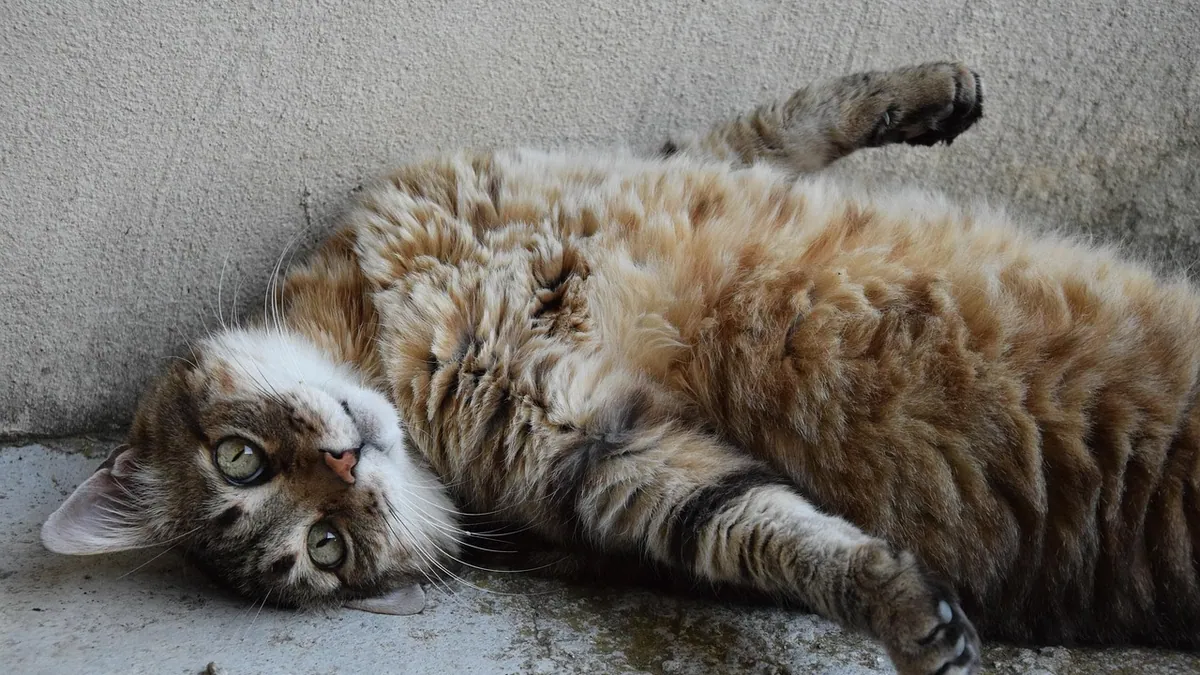
Bloat in cats symptoms usually point to a different problem than the life-threatening twisting bloat seen in dogs. A bloated belly in cats is most often caused by gas, fluid, parasites, constipation, or a mass, and the urgency depends on how fast it appeared and how sick your cat looks. This article is educational and is not a substitute for veterinary diagnosis or treatment.
Quick Answer
- A swollen, drum-like belly that came on suddenly, especially with vomiting, drooling, or pain, needs emergency care right away.
- A soft belly that feels gassy after a meal or a diet change is often mild, but watch it for 24 hours.
- Bloating with weight loss, poor appetite, or a pot-bellied look can signal fluid, worms, or a mass and needs a vet visit.
- Never press hard on a distended belly or give human gas medicine to a cat.
- Take a photo of the belly, note when it started, and call your vet with those details.
What a Bloated Cat Belly Looks Like and What Is Normal
A normal cat belly is soft and slightly tucked. You can gently feel the ribs and the spine without a thick cushion of fat. After a big meal, many cats look a little rounder for an hour or two, and that is fine.
A truly bloated belly looks stretched and tight. The skin may look shiny. The shape can be wide and low, like a drum, or pear-shaped and heavy. Your cat may stand with a hunched back or crouch, which can be a sign of abdominal pain [1].
Some cats with a swollen belly also drool, vomit, refuse food, or breathe faster. Digestive disease in cats can show up as drooling, diarrhea, constipation, vomiting, loss of appetite, bleeding, abdominal pain, and bloating [1]. Any mix of these signs tells you the belly is part of a bigger problem.
It helps to know what is normal for your cat. Weigh your cat monthly on a baby scale if you can. A belly that grows over weeks is easier to spot when you track weight. If your cat is gaining weight all over, that is a different issue than a belly that swells while the rest of the body stays thin. You can read more about body condition in How To Help Cat Lose Belly Fat and Cat Weight Gain Causes.
Bloat in Cats Causes: Why the Belly Swells
The word bloat means different things in dogs and cats. In dogs, bloat often means the stomach fills with gas and twists, which is a surgical emergency. In cats, that specific twisting pattern is rare. A bloated belly in cats is usually caused by gas in the gut, fluid in the abdomen, a mass, an enlarged organ, or a uterus problem.
Here is a simple way to think about it. Gas and stool make the belly feel soft or doughy. Fluid makes it feel like a water balloon and often shifts when the cat moves. A mass or enlarged organ feels firm and uneven.
| Cause | Typical clues | How urgent |
|---|---|---|
| Gas from food or diet change | Soft belly, gurgling sounds, gas, normal appetite, recent new food | Usually mild, watch 24 hours |
| Constipation or megacolon | Straining to defecate, small hard stools, low energy | See vet within a day or two |
| Intestinal worms | Pot-bellied look, dull coat, weight loss, worms in stool | Routine visit soon |
| Abdominal fluid (ascites) | Tight water-balloon belly, weight loss, fast breathing | Same day, emergency if breathing is hard |
| Enlarged spleen or splenic torsion | Sudden lethargy, vomiting, firm enlarged spleen, distension | Emergency |
| Uterine infection or torsion (unspayed cats) | Lethargy, poor appetite, distension, no vaginal discharge needed | Emergency |
| Abdominal mass or cancer | Slow belly growth, weight loss, poor appetite, firm lumps | Vet visit within days |
Gas Bloat in Cats
Gas bloat in cats is the mildest form. It often follows a sudden diet change, eating too fast, or eating food that does not agree with your cat. The belly feels soft and may gurgle. Your cat usually still eats and plays.
Some cats swallow air when they gulp food or when they have dental pain. Others get gas from a sensitive stomach. If the belly is soft and your cat acts normal, you can watch for a day. If the bloating repeats with every meal, your vet may suggest a diet trial or a check for parasites.
Food Bloat in Cats
Food bloat in cats means the belly is full from a large meal or from food that is hard to digest. It is not the same as the deadly dog condition. A cat that raids the food bin can look very round for a few hours.
The danger with food bloat is that a huge meal can cause vomiting and discomfort. If your cat vomits repeatedly, seems painful, or the belly stays tight for more than a few hours, call your vet. Do not wait to see if it passes on its own.
Fluid in the Abdomen
Fluid in the belly, called ascites, makes the abdomen look tight and heavy. The belly may slosh when your cat walks. Fluid can come from liver disease, heart disease, cancer, or inflammation of the lining of the abdomen.
One report described a young cat with a swollen belly and poor appetite. Imaging showed severe ascites, an enlarged pancreas, and thickened peritoneum with nodules, and the cat was later diagnosed with spread of pancreatic cancer [2]. This shows that fluid in a cat belly is never something to ignore, even in a young cat.
Worms and a Pot-Bellied Look
Kittens and cats with heavy worm loads often have a round, pot-bellied look. The belly is soft but looks too big for the rest of the body. The coat may be dull, and the cat may lose weight or have diarrhea.
Worms are easy to treat once diagnosed. A fecal test at your vet confirms the type. Keep your cat on a monthly parasite preventive, and treat kittens on the schedule your vet gives you.
Masses, Organ Enlargement, and Cancer
A firm, uneven belly that grows over weeks often means a mass or an enlarged organ. The spleen, liver, pancreas, and uterus can all enlarge and push the belly out.
A case report described a cat with sudden lethargy, vomiting, and abdominal distension. Ultrasound found a very enlarged spleen and concern for a splenic infarct, and surgery confirmed splenic torsion [3]. Another report described a cat with abdominal distension and weight loss that turned out to have pancreatic adenocarcinoma, a type of pancreatic cancer [4]. These are uncommon, but they show why a firm, growing belly needs imaging.
Uterine Problems in Unspayed Cats
If your cat is not spayed, a swollen belly can come from the uterus. A uterine infection called pyometra can fill the uterus with fluid. One report described a cat with three days of lethargy and poor appetite, dehydration, fast breathing, and abdominal distension, with no vaginal discharge. Imaging found a fluid-filled uterus with a torsion, and surgery confirmed pyometra [5].
Uterine torsion, where the uterus twists, is rare in cats but dangerous. A pregnant cat with torsion can show acute abdominal pain, lethargy, distension, and fast breathing [6]. Spaying prevents both pyometra and uterine torsion. If your unspayed cat has a swollen belly and seems sick, treat it as an emergency.
Red Flags That Make It an Emergency
Call an emergency clinic now if you see any of these:
- A belly that swelled suddenly, over hours instead of weeks
- A belly that feels tight like a drum and is painful to touch
- Repeated vomiting, retching, or drooling
- Fast or labored breathing
- Pale or white gums
- Collapse, weakness, or a cat that will not stand
- A hunched posture or crying when picked up
- A swollen belly in an unspayed female cat
- No poop for more than a day with straining and a hard belly
Breathing trouble is the most urgent sign. A belly full of fluid or gas pushes on the diaphragm and makes it hard for your cat to breathe. That is a same-minute emergency.
Safe Things You Can Do at Home While Waiting
You cannot fix a bloated belly at home, but you can keep your cat safe and gather useful information.
- Do not press, massage, or squeeze the belly. You could injure an organ or cause pain.
- Do not give human gas medicine, laxatives, or pain pills. Many are toxic to cats, and dosing is not the same as for people.
- Remove food for a short time only if your vet tells you to. Cats should not fast for long.
- Keep fresh water available unless your vet says otherwise.
- Take a photo of the belly from the side and in published veterinary research.
- Note the time the bloating started, what your cat ate, and whether it has vomited, pooped, or peed.
- Keep your cat indoors and quiet. Limit jumping and rough play.
- Call your vet or an emergency clinic and describe what you see.
If your cat is breathing fast, open-mouthed, or struggling, skip the waiting and go straight to the nearest emergency hospital.
What Your Veterinarian Will Check and Test
Your vet will start with a full physical exam. They will feel the belly gently, check gum color, take your cat's temperature, and listen to the heart and lungs. They will also weigh your cat and compare that to past visits.
Next, they may recommend:
- Blood work to check organ function, electrolytes, and blood cell counts
- A fecal test to look for worms and other parasites
- X-rays to see gas patterns, masses, or a fluid-filled uterus
- Ultrasound to look at the organs, find fluid, and check blood flow
- A fluid sample if ascites is present, to look for infection or cancer cells
Imaging is often the fastest way to tell gas from fluid from a mass. In the splenic torsion case, ultrasound confirmed the enlarged spleen and abnormal blood flow before surgery [3]. In the uterine torsion case, ultrasound showed the fluid-filled uterus and the twisted tissue [5]. Doppler ultrasound can even show whether uterine and fetal blood flow is present in a pregnant cat with torsion [6].
Treatment depends on the cause. Gas and diet issues may need a food change and medication for nausea. Worms need deworming. Fluid may need drainage and treatment of the underlying disease. A mass or torsion needs surgery. Your vet will calculate any drug dose from your cat's weight and health, so never use a dose from the internet.
Prevention and Monitoring
You cannot prevent every cause of a bloated belly, but you can lower the risk and catch problems early.
- Feed measured meals on a steady schedule. Sudden diet changes are a common trigger for gas.
- Use a slow feeder if your cat gulps food or swallows air.
- Keep your cat on year-round parasite prevention.
- Spay your female cat. This removes the risk of pyometra and uterine torsion.
- Weigh your cat monthly and write it down.
- Watch for early signs like weight loss, poor appetite, or a belly that looks bigger than last month.
- Keep up with routine vet visits, especially for senior cats.
If your cat is losing weight while the belly looks bigger, that combination deserves a vet visit soon. You can read more about that pattern in Why Is My Cat Losing Weight?. For a broader look at belly swelling, see Why Is My Cat's Belly Swollen? and Cat Swollen Belly Causes.
Limitations and When to Contact a Veterinarian
This article cannot tell you what is causing your cat's bloated belly. Only a veterinarian who examines your cat can do that. Individual cases need a veterinarian, and the timing matters.
Go to an emergency clinic now for sudden distension, breathing trouble, repeated vomiting, collapse, pale gums, or a swollen belly in an unspayed cat.
Call for a same-day appointment if the belly is tight, your cat is painful, has not eaten for a day, or has not pooped in more than a day.
Schedule a routine visit within a few days if the belly has grown slowly, your cat is losing weight, or you see a pot-bellied look with a dull coat.
When in doubt, call your vet and describe what you see. A phone call costs nothing and can save your cat's life.
Frequently Asked Questions
Is a bloated belly in cats as dangerous as bloat in dogs?
No, the two are usually different problems. Dogs often get a gas-filled stomach that twists, which is a surgical emergency. Cats more often get bloating from gas, fluid, worms, constipation, or a mass, and the danger depends on the cause. Sudden, painful distension in a cat is still an emergency.
Can gas alone make my cat's belly look big?
Yes, gas can stretch the belly and make it look round. Gas bloat usually follows a diet change or fast eating, and the belly feels soft. If your cat is eating, playing, and pooping normally, watch for a day. If the belly stays tight or your cat seems sick, call your vet.
Could worms cause a bloated belly in my cat?
Yes, worms are a common cause of a pot-bellied look, especially in kittens. The belly looks round and soft while the rest of the body may be thin. A fecal test confirms the type, and deworming plus monthly prevention solves it.
My cat has a swollen belly but still eats. Should I wait?
It depends on how the belly feels and how fast it grew. A soft belly that appeared after a meal can wait a day. A tight belly, a belly that keeps growing, or any weight loss means you should call your vet. Do not wait weeks just because your cat is still eating.
Can a swollen belly in an unspayed cat be an emergency?
Yes, it can. An unspayed cat with a swollen belly may have a uterine infection or a twisted uterus, and both are emergencies. One reported case had distension with no vaginal discharge at all, so a clean rear end does not rule it out. Spaying prevents these problems.
Related Articles
- Why Is My Cat's Belly Swollen?
- Cat Swollen Belly Causes
- Why Is My Cat Losing Weight?
- How To Help Cat Lose Belly Fat
- Cat Weight Gain Causes
- Pancreatitis In Cats Symptoms
- Why Is My Kitten's Belly Bloated?
- Bloat in Cats: Treatment Options and Home Care Limits
- IBD in Cats: Symptoms, Causes, and Diet Options
References
- Introduction to Digestive Disorders of Cats - Cat Owners. Merck Veterinary Manual.
- Postmortem diagnosis of exocrine pancreatic adenocarcinoma mimicking encapsulating peritoneal sclerosis in a cat: Clinical and histopathological insights. Open veterinary journal, 2025.
- Splenic torsion in a cat with chronic anemia. JFMS open reports, 2024.
- Hyalinizing pancreatic adenocarcinoma in a cat. JFMS open reports, 2025.
- Radiographic and ultrasonographic appearance of pyometra with unilateral uterine torsion in a domestic shorthair cat. Veterinary radiology & ultrasound : the official journal of the American College of Veterinary Radiology and the International Veterinary Radiology Association, 2024.
- Doppler Ultrasonography for Assessing Uterine Viability and Fetal Vitality in Uterine Torsion in a Domestic Cat (Felis catus): A Case Report. Animals : an open access journal from MDPI, 2026.