
This article is educational and is not a substitute for veterinary diagnosis or treatment.
Feline Acne: Causes, Chin Lesions, Treatment, and Prevention
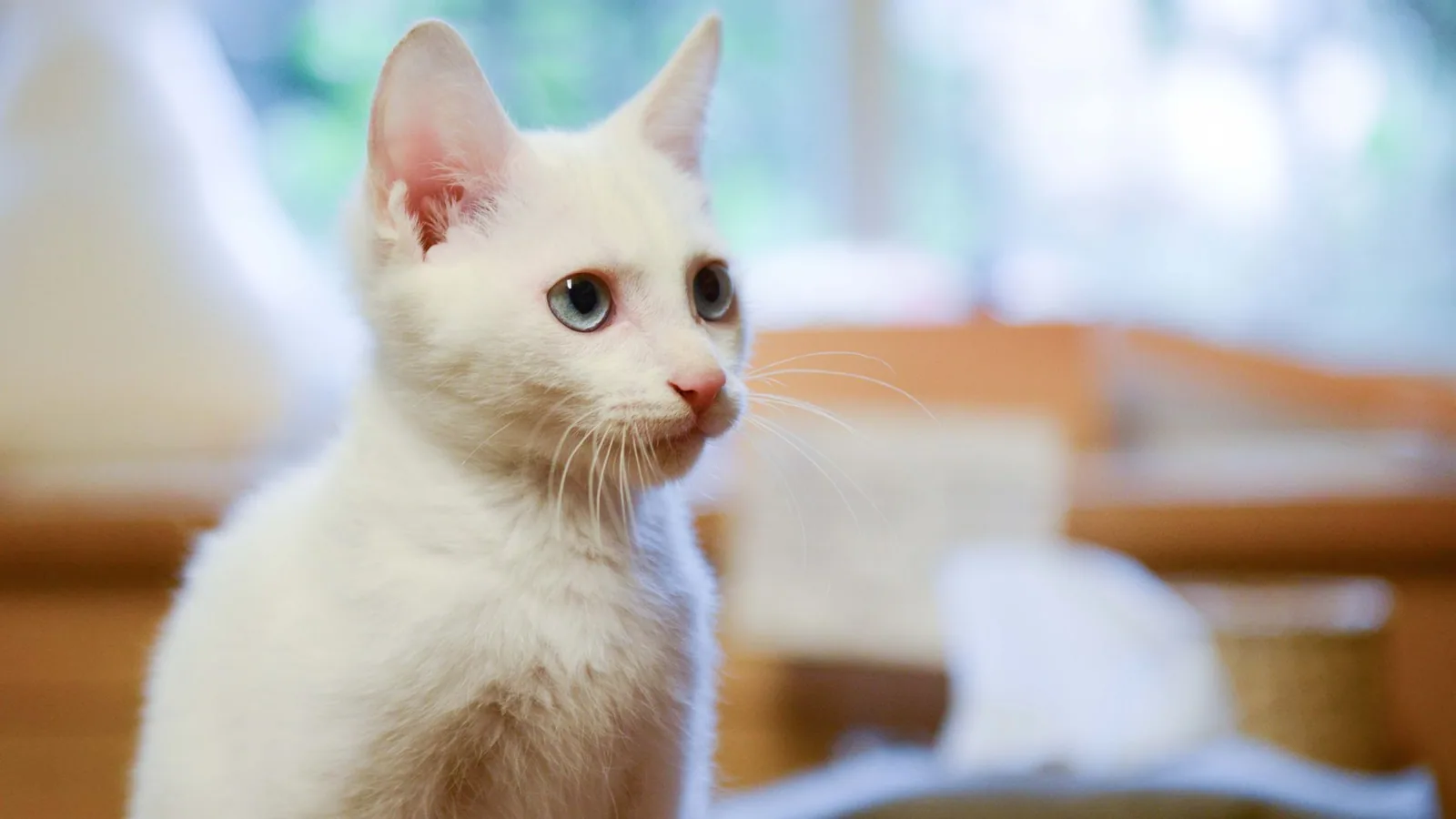
Feline acne is a common dermatologic condition affecting the chin and lip area of cats. It is characterized by the formation of comedones (blackheads), papules, pustules, crusts, and sometimes secondary bacterial infections. While often mild and cosmetic, feline acne can progress to painful, inflamed lesions that require veterinary intervention. This article provides a definitive, evidence-based review of the causes, clinical presentation, diagnostic approach, treatment options, and prevention strategies for feline acne, drawing on peer-reviewed veterinary literature and established clinical guidelines.
At a Glance: Feline Acne Overview
| Feature | Description |
|---|---|
| Common name | Feline acne, cat chin acne |
| Primary location | Chin, lower lip, upper lip, commissure of the lips [2] |
| Most common lesions | Comedones (73%), alopecia (68%), crusts (55%), papules (45%), erythema (41%) [1] |
| Age of onset | Median 4 years (range 6 months to 14 years) [1] |
| Pruritus | Reported in 35% of affected cats [1] |
| Key differentials | Demodicosis, dermatophytosis, eosinophilic granuloma complex, contact dermatitis, pyoderma |
| First-line treatment | Topical therapy (e.g., chlorhexidine, benzoyl peroxide, mupirocin) [2] |
| Prognosis | Generally good with appropriate management; recurrence is common |
Anatomy and Physiology of Feline Chin Skin
The chin and perioral region of cats contain numerous sebaceous glands, which are specialized exocrine glands that secrete sebum, an oily substance that helps maintain skin and coat health. These glands are concentrated in areas such as the chin, lips, tail base, and eyelids. In feline acne, the sebaceous glands become hyperactive or obstructed, leading to the formation of comedones.
Histopathological studies have shown that sebaceous gland duct dilatation is present in 73% of affected cats, and follicular keratosis with plugging and dilatation occurs in 59% [1]. The underlying pathophysiology likely involves abnormal follicular keratinization, increased sebum production, and secondary microbial colonization. Unlike human acne, the role of Propionibacterium acnes in feline acne is not well established.
Causes and Pathophysiology
The exact cause of feline acne remains incompletely understood, but several contributing factors have been identified.
Primary Factors
Follicular Keratinization Disorder: Abnormal shedding of keratinocytes within the hair follicle leads to plugging and formation of comedones. This is the most consistent histopathological finding [1].
Sebaceous Gland Dysfunction: Sebaceous gland duct dilatation and occlusion are common [1]. The glands may become inflamed, leading to pyogranulomatous sebaceous adenitis in 23% of cases [1].
Genetic Predisposition: Some breeds may be overrepresented, although large-scale breed prevalence studies are lacking. Persian cats have been anecdotally reported to be more prone.
Secondary and Exacerbating Factors
Poor Grooming: Cats that cannot groom effectively due to obesity, arthritis, or dental disease may accumulate debris and sebum on the chin.
Plastic Food Bowls: Plastic bowls can harbor bacteria and may cause contact irritation. Some cats develop chin acne after switching to plastic bowls.
Stress: Stress may exacerbate acne through hormonal changes and reduced grooming.
Underlying Allergies: Allergic skin disease, including atopic dermatitis and food allergy, can predispose cats to secondary acne [6].
Infectious Agents:
- Malassezia pachydermatis was isolated from 18% of affected cats in one study [1].
- Microsporum canis was cultured from a single affected cat [1].
- Bacteria were isolated from 45% of affected cats, with coagulase-positive staphylococci and alpha-haemolytic streptococci being most common [1].
- Demodex cati has been associated with acne-like lesions in some cases. In one study, the presence of acne-like lesions was associated with a 3.3 times higher odds of Otodectes cynotis infestation [4].
Hormonal Factors: Neutering status may influence acne development. One study found that female cats (intact and spayed) were significantly under-represented among dermatology cases overall [3].
Clinical Presentation and Lesion Description
Feline acne typically presents as a spectrum of lesions confined to the chin and lips. The most common lesions, according to a study of 22 affected cats, include [1]:
- Comedones (blackheads): 73% of cases. These are the hallmark lesion and appear as small, black, waxy plugs within hair follicles.
- Alopecia (hair loss): 68% of cases.
- Crusts: 55% of cases. Crusts form when exudate dries on the skin surface.
- Papules: 45% of cases. Small, raised, red bumps.
- Erythema (redness): 41% of cases.
- Pruritus (itching): 35% of cases. Cats may rub their chin on furniture or scratch.
- Nodules and fistulas: Less common, reported in some cases [2].
In a separate study of 25 cats, the chin was the most common area affected, but the lower lip, upper lip, and commissure of the lips also frequently had lesions [2]. Lesions can be unilateral or bilateral.
Progression
In mild cases, only comedones are present. With progression, papules, pustules, and crusts develop. If secondary bacterial infection occurs, the area may become swollen, painful, and exudative. Severe cases can lead to furunculosis (ruptured hair follicles) and pyogranulomatous inflammation [1, 2].
Differential Diagnoses
Several conditions can mimic feline acne. A thorough diagnostic workup is essential to rule out other causes.
| Condition | Key Distinguishing Features |
|---|---|
| Demodicosis | Mites on deep skin scrapings; may require biopsy for Demodex gatoi |
| Dermatophytosis | Positive fungal culture; Wood's lamp examination may show fluorescence; broken hairs |
| Eosinophilic granuloma complex | Linear, ulcerated, or raised plaques; eosinophils on cytology |
| Contact dermatitis | History of exposure to irritants; lesions resolve with avoidance |
| Pyoderma (bacterial) | Pustules, crusts, and exudate; positive bacterial culture |
| Feline poxvirus | Ulcerated nodules; systemic signs possible |
| Neoplasia | Persistent, non-healing lesions; biopsy required |
| Autoimmune disease | Pemphigus foliaceus; crusting on face and ears; acantholytic cells on cytology |
Diagnostic Approach
Diagnosis of feline acne is often straightforward based on history and physical examination. However, diagnostic tests are recommended to rule out secondary infections and underlying causes.
History and Physical Examination
- Signalment: Age, breed, sex, and neuter status.
- Onset and duration of lesions.
- Presence of pruritus.
- Concurrent skin or ear disease.
- Diet, bowl type, and environment.
- Stressors and recent changes.
Diagnostic Tests
Cytology: Skin scrapings or impression smears from lesions should be examined for bacteria, yeast (Malassezia), and inflammatory cells. Bacterial phagocytosis confirms pyoderma [6].
Deep Skin Scrapings: To rule out demodicosis. Demodex cati is rarely found in clinically normal cats [4].
Fungal Culture: A fungal culture should be performed if dermatophytosis is suspected. In one study, dermatophytes were cultured from 2 of 25 cats [2].
Bacterial Culture and Sensitivity: Indicated in cases that are severe, recurrent, or unresponsive to empirical therapy.
Skin Biopsy: Reserved for atypical, severe, or treatment-resistant cases. Histopathology typically shows lymphoplasmacytic periductal inflammation (86%), sebaceous gland duct dilatation (73%), and follicular keratosis with plugging and dilatation (59%) [1].
Allergy Workup: If underlying allergic disease is suspected, food trials or intradermal testing may be indicated.
Evidence-Based Treatment
Treatment of feline acne depends on the severity of lesions and the presence of secondary infection. The goals are to remove comedones, reduce inflammation, control infection, and prevent recurrence.
Mild Cases (Comedones Only)
- Topical Therapy: Gentle cleansing with chlorhexidine or benzoyl peroxide products. Benzoyl peroxide has keratolytic and antibacterial properties. It should be used with caution as it can cause irritation in some cats.
- Warm Compresses: Can help soften and remove comedones.
- Topical Mupirocin: In an open clinical trial of 25 cats treated with 2% mupirocin ointment twice daily for 3 weeks, treatment response was excellent in 15 cats and good in 9 cats [2]. One cat had a contact reaction necessitating cessation of treatment [2].
Moderate to Severe Cases (Papules, Pustules, Crusts, Edema)
- Topical Therapy: Continue cleansing and topical antibiotics.
- Systemic Antibiotics: If secondary bacterial infection is confirmed, a course of appropriate systemic antibiotics is indicated. Antibiotic selection should be based on cytological examination and culture and sensitivity in unresponsive cases [6].
- Topical or Systemic Corticosteroids: Short-term use may be needed to reduce severe inflammation. However, corticosteroids should be avoided if infection is present.
- Laser Therapy: Some veterinary dermatologists use laser therapy (e.g., CO2 laser) to ablate comedones and inflamed tissue.
Refractory or Recurrent Cases
- Identify and Address Underlying Causes: Allergies, dental disease, or stress should be managed.
- Dietary Modification: Switching to stainless steel or ceramic bowls may help.
- Omega-3 Fatty Acid Supplementation: May improve skin health and reduce inflammation.
- Isotretinoin: Oral retinoids have been used in severe, refractory cases but are associated with significant side effects and should only be prescribed by a veterinary dermatologist.
Unsafe Home Remedies
- Human Acne Products: Many human acne treatments contain ingredients toxic to cats (e.g., salicylic acid, benzoyl peroxide in high concentrations, retinoids).
- Tea Tree Oil: Highly toxic to cats, even in small amounts.
- Hydrogen Peroxide: Can cause tissue damage and delayed healing.
- Alcohol: Drying and irritating; can cause pain.
Prevention
Prevention focuses on reducing risk factors and maintaining good skin hygiene.
- Use Non-Porous Bowls: Switch from plastic to stainless steel, ceramic, or glass bowls. Wash bowls daily.
- Maintain Oral Health: Dental disease can contribute to chin acne. Regular dental care is recommended.
- Support Grooming: Brush your cat regularly. For overweight or arthritic cats, assist with chin cleaning using a soft, damp cloth.
- Reduce Stress: Provide environmental enrichment, hiding spots, and consistent routines.
- Manage Allergies: If your cat has known allergies, work with your veterinarian to control them.
- Regular Veterinary Checkups: Early detection of comedones allows for prompt treatment.
Prognosis
The prognosis for feline acne is generally good. Most cats respond well to topical therapy and management of underlying factors. However, recurrence is common, and long-term maintenance therapy may be required. Severe cases with secondary infection or furunculosis can take longer to resolve and may leave scarring.
Emergency Red Flags
Seek immediate veterinary attention if your cat shows:
- Severe swelling of the chin or lips.
- Purulent or bloody discharge.
- Pain on palpation (your cat may hiss or avoid being touched).
- Lethargy, fever, or loss of appetite.
- Lesions that are not improving with treatment or are worsening.
Clinical Reasoning and Diagnostic Workflow
Feline acne is often diagnosed based on visual inspection alone, but a systematic diagnostic approach is essential to differentiate it from clinically similar conditions and to identify secondary infections that may alter treatment. The diagnostic workflow begins with a thorough history, focusing on lesion onset, progression, pruritus, and any previous treatments. Owners should be prepared to report whether the cat uses plastic, ceramic, or stainless steel bowls, as plastic bowls are a well-recognized exacerbating factor. Additionally, documenting the cat’s grooming habits, stress levels, and any concurrent medical conditions, such as dental disease or allergic skin disease, provides critical context for the veterinarian.
Physical examination should include careful palpation of the chin and perioral region to assess for swelling, pain, or nodule formation. The presence of comedones alone suggests mild disease, whereas papules, pustules, crusts, or draining tracts indicate progression and possible secondary infection. A complete dermatologic examination should also evaluate the ears, paws, and other body regions for signs of underlying allergic disease, as feline acne may be a secondary manifestation of atopic dermatitis or food allergy [6].
Cytology is a cornerstone of the diagnostic workup. Impression smears or acetate tape preparations from comedones, pustules, or crusts should be stained and examined for bacteria, yeast (Malassezia), and inflammatory cells. The presence of neutrophils with intracellular bacteria confirms pyoderma and guides antibiotic selection [6]. Deep skin scrapings are indicated to rule out demodicosis, particularly in cats with concurrent alopecia or pruritus. Demodex cati is an uncommon cause of feline acne but should be considered in refractory cases.
Fungal culture is recommended when dermatophytosis is suspected, especially in multi-cat households or when lesions are crusted and alopecic. In one study, dermatophytes were cultured from 2 of 25 cats with acne-like lesions, underscoring the importance of ruling out this zoonotic condition [2]. Bacterial culture and sensitivity should be reserved for severe, recurrent, or treatment-resistant cases, particularly when cytology reveals mixed bacterial populations or when empirical antibiotic therapy has failed.
Skin biopsy is rarely necessary but is indicated for atypical presentations, such as unilateral lesions, rapid progression, or failure to respond to appropriate therapy. Histopathology typically reveals lymphoplasmacytic periductal inflammation, sebaceous gland duct dilatation, and follicular keratosis with plugging [1]. Biopsy can also definitively rule out neoplasia, autoimmune disease, or eosinophilic granuloma complex.
Owner Observation and Preparation for a Veterinary Visit
Owners play a critical role in the early detection and management of feline acne. Daily observation of the chin and lip area allows for prompt identification of comedones, which appear as small black or dark brown specks resembling dirt or flea dirt. Unlike flea dirt, comedones do not dissolve into reddish-brown streaks when moistened. Owners should note any changes in lesion appearance, such as the development of redness, swelling, pustules, or crusts, and whether the cat is rubbing its chin on furniture or scratching the area.
Before a veterinary visit, owners should prepare a timeline of lesion onset and progression, noting any recent changes in diet, bowl type, environment, or stress levels. Photographs taken over several days can be invaluable for documenting lesion evolution. Owners should also bring the cat’s current food and any topical or systemic medications that have been used, including over-the-counter products. This information helps the veterinarian assess potential irritants or allergens and avoid treatments that may have already proven ineffective.
It is important for owners to understand that feline acne is not contagious to other cats or humans unless secondary dermatophytosis is present [2]. However, if multiple cats in the household develop similar lesions, a contagious cause such as ringworm or demodicosis should be considered. Owners should also be aware that some cats with feline acne have concurrent ear mite infestations; one study found that the presence of acne-like lesions was associated with a 3.3 times higher odds of Otodectes cynotis infestation [4]. Therefore, reporting any ear scratching or head shaking to the veterinarian is important.
Prevention Strategies and Long-Term Management
Prevention of feline acne focuses on reducing known risk factors and maintaining optimal skin hygiene. The most impactful preventive measure is switching from plastic to non-porous bowls made of stainless steel, ceramic, or glass. Plastic bowls can harbor bacteria in microscopic scratches and may cause contact irritation in sensitive cats. Bowls should be washed daily with hot, soapy water and rinsed thoroughly to remove any detergent residue.
Oral health is an often-overlooked contributor to chin acne. Dental disease can lead to drooling, which wets the chin and creates a favorable environment for bacterial overgrowth. Regular dental care, including professional cleanings and at-home tooth brushing, can reduce this risk. For cats that cannot tolerate tooth brushing, dental diets or water additives may provide some benefit.
Grooming support is particularly important for cats that are obese, arthritic, or have dental pain, as these conditions impair the cat’s ability to clean its chin effectively. Owners can gently wipe the chin with a soft, damp cloth after meals to remove food debris and excess sebum. This simple practice can prevent comedone formation in predisposed cats.
Stress reduction is another key preventive strategy. Stress can exacerbate feline acne through hormonal changes and reduced grooming. Environmental enrichment, such as providing scratching posts, perches, hiding spots, and interactive toys, can help maintain a calm, predictable routine. Pheromone diffusers or sprays may also be beneficial in multi-cat households or during periods of change.
For cats with known allergic skin disease, strict allergen avoidance is essential. Food trials should be conducted under veterinary guidance to identify and eliminate offending ingredients. Environmental allergies may require immunotherapy or symptomatic control with antihistamines or fatty acid supplements. Omega-3 fatty acid supplementation has been shown to improve skin barrier function and reduce inflammation in some dermatologic conditions, though specific evidence for feline acne is limited.
Prognosis and Long-Term Outlook
The prognosis for feline acne is generally favorable, but recurrence is common and long-term management is often necessary. Most cats with mild comedonal acne respond well to topical therapy and environmental modifications. In one open clinical trial, 24 of 25 cats treated with 2% mupirocin ointment showed excellent or good response after three weeks of twice-daily application [2]. However, the study did not report long-term follow-up, and many cats require intermittent or continuous maintenance therapy to prevent relapse.
Cats with moderate to severe acne involving papules, pustules, or secondary bacterial infection may require systemic antibiotics and anti-inflammatory medications. With appropriate treatment, most infections resolve within two to four weeks. However, severe cases with furunculosis or pyogranulomatous inflammation can take longer to heal and may result in scarring or permanent alopecia [1].
Recurrence rates are high, particularly when underlying factors such as allergies, stress, or poor bowl hygiene are not addressed. Owners should be counseled that feline acne is a chronic condition that may wax and wane over the cat’s lifetime. Regular veterinary checkups every six to twelve months allow for early detection of flare-ups and adjustment of the treatment plan.
Special-Population Considerations
Certain populations of cats require tailored approaches to diagnosis and management. Brachycephalic breeds, such as Persians and Exotic Shorthairs, may be predisposed to feline acne due to their facial conformation, which can lead to food and saliva accumulation on the chin. These cats may benefit from more frequent chin cleaning and the use of shallow bowls that minimize contact with the chin.
Senior cats often have concurrent medical conditions that complicate treatment. Chronic kidney disease, hyperthyroidism, or diabetes mellitus may influence the choice of systemic antibiotics or anti-inflammatory drugs. For example, nonsteroidal anti-inflammatory drugs are generally avoided in cats with renal impairment, and certain antibiotics may require dose adjustment. Additionally, older cats are more likely to have dental disease or arthritis, both of which impair grooming and contribute to acne development.
Overweight and obese cats are at increased risk due to reduced mobility and inability to groom the chin effectively. Weight loss programs should be implemented under veterinary supervision to improve overall health and grooming ability. Similarly, cats with chronic pain from osteoarthritis or dental disease should receive appropriate pain management to restore normal grooming behavior.
Immunocompromised cats, including those with feline leukemia virus (FeLV) or feline immunodeficiency virus (FIV), may develop more severe or atypical presentations of feline acne. These cats are at higher risk for secondary bacterial and fungal infections and may require longer courses of therapy. Diagnostic testing for retroviral status should be considered in cats with recurrent or treatment-resistant acne.
Multi-cat households present unique challenges, as stress from social dynamics can exacerbate acne in susceptible individuals. Providing multiple feeding stations, litter boxes, and resting areas can reduce competition and stress. If one cat develops dermatophytosis, all cats in the household should be screened and treated to prevent spread.
Evidence Limitations and Knowledge Gaps
Despite the prevalence of feline acne, the veterinary literature on this condition is limited. Most published studies are small case series or open clinical trials without control groups. The largest study to date included only 22 cats, and histopathological findings were based on a subset of 11 biopsy samples [1]. The lack of large-scale, controlled studies limits the strength of treatment recommendations.
The role of Propionibacterium acnes in feline acne, which is central to human acne pathophysiology, has not been established. Bacterial isolates from affected cats are diverse, with coagulase-positive staphylococci and alpha-haemolytic streptococci being most common [1]. This suggests that secondary bacterial colonization, rather than a specific pathogen, drives inflammation in many cases.
The efficacy of topical therapies beyond mupirocin is poorly documented. Chlorhexidine and benzoyl peroxide are commonly recommended based on clinical experience, but no controlled trials have compared their efficacy or safety in cats. Similarly, the use of systemic retinoids such as isotretinoin is based on anecdotal reports and extrapolation from human medicine, and their safety profile in cats is not well characterized.
Breed predisposition remains an area of uncertainty. While Persians are anecdotally reported to be overrepresented, no large-scale epidemiologic studies have confirmed this association. The role of genetics in feline acne is unknown, and no heritable factors have been identified.
Finally, the relationship between feline acne and underlying allergic disease is supported by clinical observation but lacks rigorous evidence. Prospective studies evaluating the prevalence of acne in cats with confirmed food allergy or atopic dermatitis are needed to clarify this association.
A Practical Follow-Up Plan for Recurrent Chin Disease
Feline acne often improves and then returns, so follow-up is more useful when it is based on a record of what actually changed. Photograph the chin in similar light before any new topical product is started and again if redness, swelling, crusting, or discharge develops. Note whether the cat is eating less, rubbing its face, drooling, scratching its ears, or becoming less willing to be touched around the mouth. Those details help a veterinarian distinguish a simple comedonal flare from a painful infection or a different skin disorder. Veterinary guidance also recommends reviewing feeding and grooming routines, because food residue, saliva, and reduced self-grooming can complicate chin disease [7][8].
Use a low-risk hygiene trial, not a home diagnosis
Replacing a scratched plastic dish with a smooth stainless-steel or glazed ceramic dish and washing it daily is a reasonable, low-risk hygiene step. It should not be treated as proof that plastic caused the problem. The causes of feline acne are not fully established, and many cats continue to have flares after a bowl change [1][7]. Avoid scrubbing, squeezing blackheads, or using human acne products. Cats groom and ingest residues, while common human products can irritate delicate chin skin or be unsafe if swallowed. A veterinarian can advise whether gentle cleansing is appropriate for that individual cat and whether a medicated product is needed [7].
When recurrence changes the diagnostic plan
Repeated pustules, foul odor, swelling, bleeding, or draining areas deserve a recheck rather than another course of home care. Cytology can identify inflammation and bacteria, while culture may be useful when infection is severe, recurrent, or has not responded as expected. Skin scraping, fungal testing, or biopsy may be considered if the appearance is unusual or a cat has itch, hair loss, lesions elsewhere, or poor response to an initial plan [1][6][9]. These steps matter because ringworm, mites, allergic skin disease, dental problems, and other conditions can resemble or complicate feline acne.
Age and overall health also affect the treatment discussion. A senior cat with kidney disease, diabetes, poor appetite, or dental pain may need a different medication choice and closer monitoring than a healthy adult cat. Cats with mobility problems may leave more food and saliva on the chin because they cannot groom normally. Bringing a current medication list, diet details, and a short timeline of flares lets the veterinarian select diagnostics and treatment with those factors in mind [8][9].
Set a clear threshold for urgent care
Contact a veterinarian promptly when the chin becomes markedly swollen or painful, when there is pus or a draining tract, when a cat stops eating, or when facial swelling spreads beyond the chin. Seek prompt advice as well if a household member develops a circular, itchy skin lesion or if several pets have skin changes, since a contagious condition such as ringworm needs a different response [8][10]. Mild blackheads alone are usually less urgent, but a planned examination is still sensible if they persist, recur frequently, or the diagnosis is uncertain.
Make maintenance specific and reviewable
For a cat with a confirmed recurrent pattern, ask the veterinarian for a written maintenance plan that says what to clean, how often to inspect the chin, and which signs mean treatment should change. A plan with a review point is safer than continuing a medicated ointment indefinitely without reassessment. The goal is not to eliminate every minor blackhead at home. It is to keep the cat comfortable, detect infection early, and make sure a condition that only looks like acne is not missed [1][2][7].
Keep the plan simple enough to follow consistently. A calendar note can record the date of a flare, the appearance of the chin, any new food or medication, and the response after a veterinarian-directed change. Do not introduce several products at once, because doing so makes it difficult to identify an irritant or tell which measure helped. If a topical product makes the skin redder, more painful, or wetter, stop it and contact the prescribing clinic for advice rather than layering on another product. This approach also helps avoid repeated antibiotic exposure when culture, cytology, or a different diagnosis would be more useful [1][6][9].
Cleaning should never become a struggle that damages trust between a cat and caregiver. For a cat that resists chin handling, ask the veterinary team to demonstrate a safe approach and use short, reward-based sessions. A towel restraint or forceful scrubbing at home can make the next treatment harder and can worsen irritated skin. The best maintenance routine is one that keeps the cat comfortable and gives the veterinary team reliable information at the next review [7][8].
Frequently Asked Questions
What causes black spots on my cat's chin?
Black spots on a cat's chin are most commonly comedones (blackheads) caused by feline acne. They form when hair follicles become plugged with keratin and sebum. Secondary factors include poor grooming, stress, allergies, and bacterial or yeast overgrowth.
Is feline acne painful for cats?
Mild feline acne with only comedones is usually not painful. However, when secondary infection develops, the area can become inflamed, swollen, and painful. Cats may rub their chin on furniture or show signs of discomfort when touched.
Can I use human acne cream on my cat's chin?
No. Many human acne products contain ingredients such as salicylic acid, benzoyl peroxide in high concentrations, or retinoids that are toxic to cats. Only veterinary-approved products should be used under the guidance of a veterinarian.
How is feline acne diagnosed?
Diagnosis is usually based on physical examination. Your veterinarian may perform cytology, skin scrapings, fungal culture, or bacterial culture to rule out other conditions and identify secondary infections.
What is the best treatment for cat chin acne?
Treatment depends on severity. Mild cases may respond to gentle cleansing and topical mupirocin. Moderate to severe cases may require systemic antibiotics and anti-inflammatory medications. Identifying and addressing underlying causes is key to long-term success.
Can diet cause feline acne?
While diet is not a direct cause, food allergies can contribute to feline acne in some cats. Switching to a hypoallergenic diet may help if allergies are suspected. Plastic bowls can also harbor bacteria and cause contact irritation.
Is feline acne contagious to other cats or humans?
No. Feline acne itself is not contagious. However, if secondary infections such as dermatophytosis (ringworm) are present, those can be contagious to other animals and humans. Always have your cat evaluated by a veterinarian to rule out contagious causes.
How can I prevent my cat's acne from coming back?
Prevention includes using stainless steel or ceramic bowls, maintaining good oral hygiene, assisting with grooming if needed, reducing stress, and managing underlying allergies. Regular veterinary checkups can help catch early signs.
Related Veterinary Guides
- Feline Allergic Dermatitis: Diagnosis and Management
- Demodicosis in Cats: A Comprehensive Review
- Dermatophytosis in Cats: Recognition and Treatment
- Eosinophilic Granuloma Complex in Cats
- Feline Pyoderma: Bacterial Skin Infections in Cats
- Managing Stress in Cats: Environmental Enrichment Strategies
References
[1] Jazic E, Coyner KS, Loeffler DG, Lewis TP. An evaluation of the clinical, cytological, infectious and histopathological features of feline acne. Veterinary dermatology. 2006. https://pubmed.ncbi.nlm.nih.gov/16515656/
[2] White SD, Bordeau PB, Blumstein P, Ibisch C et al. Feline acne and results of treatment with mupirocin in an open clinical trial: 25 cases (1994-96). Veterinary dermatology. 1997. https://pubmed.ncbi.nlm.nih.gov/34644839/
[3] Scott DW, Miller WH, Erb HN. Feline dermatology at Cornell University: 1407 cases (1988-2003). Journal of feline medicine and surgery. 2013. https://pubmed.ncbi.nlm.nih.gov/23186638/
[4] Sotiraki ST, Koutinas AF, Leontides LS, Adamama-Moraitou KK et al. Factors affecting the frequency of ear canal and face infestation by Otodectes cynotis in the cat. Veterinary parasitology. 2001. https://pubmed.ncbi.nlm.nih.gov/11267757/
[5] Favrot C. [Skin lesions and their distribution in the cat: lessons to be drawn]. Schweizer Archiv fur Tierheilkunde. 2010. https://pubmed.ncbi.nlm.nih.gov/20235011/
[6] Wildermuth BE, Griffin CE, Rosenkrantz WS. Feline pyoderma therapy. Clinical techniques in small animal practice. 2006. https://pubmed.ncbi.nlm.nih.gov/16933482/
[7] VCA Animal Hospitals. Chin Acne in Cats. https://vcahospitals.com/know-your-pet/chin-acne-in-cats
[8] Cornell University College of Veterinary Medicine. Feline Skin Diseases. https://www.vet.cornell.edu/departments-centers-and-institutes/cornell-feline-health-center/health-information/feline-health-topics/feline-skin-diseases
[9] Merck Veterinary Manual. Pyoderma in Cats. https://www.merckvetmanual.com/cat-owners/skin-disorders-of-cats/pyoderma-in-cats
[10] University of Minnesota. Feline Acne. https://open.lib.umn.edu/animaldermatology2/chapter/idiopathic-keratinization-disorders-feline-acne/