Missing Teeth in Cats: Causes and What to Do
By Dr. Zubair Khalid, DVM, MS, PhD ·
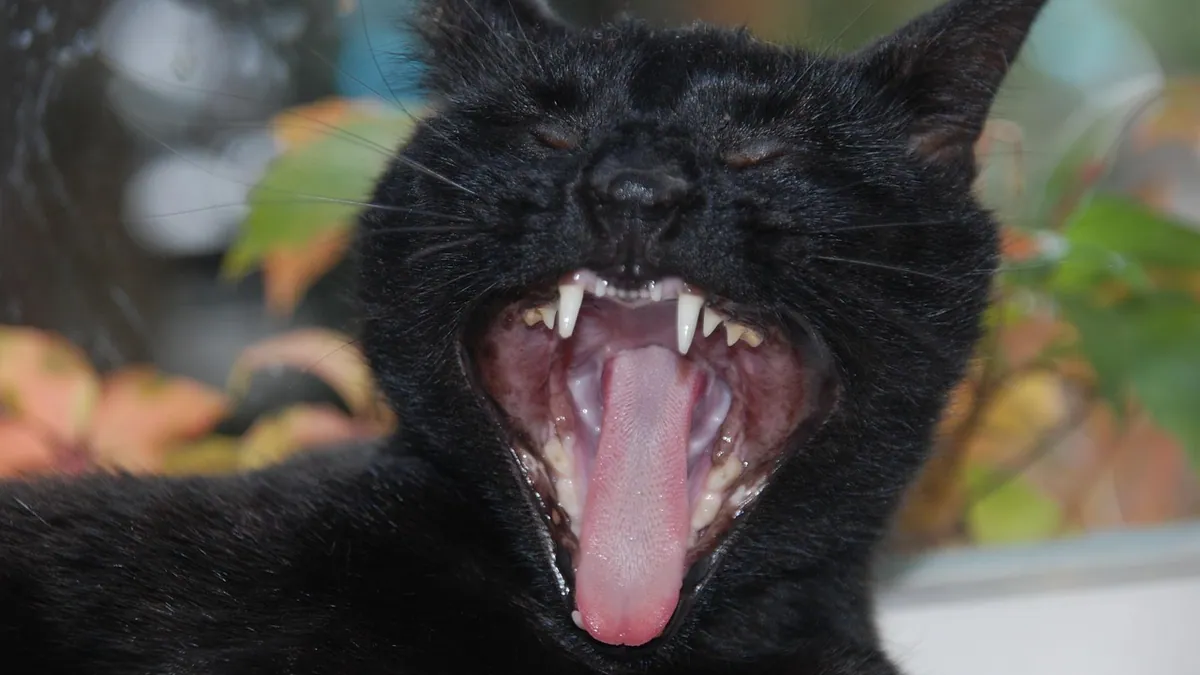
Cat teeth missing is a common finding, and the cause is usually dental disease instead of a one-time accident. Cats rarely lose teeth from simple aging, so a gap in the mouth almost always points to an ongoing problem that needs a veterinarian's eyes. This article is educational and is not a substitute for veterinary diagnosis or treatment.
Quick Answer
- The three most common reasons cats lose teeth are periodontitis, feline chronic gingivostomatitis, and tooth resorption [1].
- Gum disease is the most common oral problem in cats, and untreated infection destroys the ligaments and bone that hold teeth in place [2][3].
- A missing tooth can be the first sign you notice, but the disease that caused it is often still active in the remaining teeth.
- Never try to pull a loose tooth at home, and never give human pain relievers to a cat.
- Any cat with a missing tooth, bad breath, drooling, or trouble eating should see a veterinarian for an oral exam.
What a Missing Tooth Looks Like in a Cat
Some cats have an obvious gap where a tooth used to be. Others lose a tooth so gradually that you never see it happen. You might notice a small dark spot along the gum line, a tooth that looks shorter than it used to, or a piece of tooth that has broken off at the gum.
A normal adult cat has 30 teeth. Counts vary a little by breed and by how many teeth were removed in past dental cleanings, so a missing tooth is not always new. If you are not sure whether a gap is old or new, a veterinarian can compare what they see with dental radiographs (X-rays).
Cat teeth missing incisors
The small front teeth are called incisors. Cats can lose these to periodontal disease, trauma, or tooth resorption. Missing incisors alone often do not stop a cat from eating, which is why owners sometimes miss it. Even so, the same disease process is usually affecting other teeth.
Cat missing upper teeth
The upper teeth, especially the canines and premolars, sit close to the nasal cavity and sinuses. A missing upper tooth from trauma or severe gum disease can come with swelling, discharge, or a draining tract near the nose. Your veterinarian may recommend radiographs to check the bone and the tooth roots.
Cat missing jaw
If a cat is missing part of the jaw, or if the jaw looks shifted or uneven, that is a different and more serious problem. This usually follows a major injury such as a fall, a car accident, or a dog bite. Cats with jaw fractures often drool, refuse food, and hold the mouth oddly. This needs same-day veterinary care.
The Main Causes of Missing Teeth in Cats
| Cause | Typical clues | How urgent |
|---|---|---|
| Periodontitis (gum disease) | Bad breath, red or receding gums, tartar, loose teeth, gradual tooth loss with age [2][1] | Urgent, schedule a dental exam soon |
| Tooth resorption | Tooth looks shorter, pink or dark spot at the gum line, pain when eating, often older cats [1][4] | Urgent, painful and progressive |
| Feline chronic gingivostomatitis (FCGS) | Severe mouth pain, drooling, weight loss, reluctance to eat, red inflamed gums [3][1] | Urgent, often needs advanced care |
| Trauma | Sudden gap, blood, swelling, broken tooth, history of a fall or fight [5] | Emergency if breathing is affected or the jaw is unstable |
| Odontoma (rare benign tumor) | Missing tooth, displaced tooth, firm swelling, bone expansion [6] | Routine to urgent, needs imaging and biopsy |
| Normal shedding of baby teeth | Kitten around 3 to 6 months old, small tooth found on the floor | Routine, mention it at the next visit |
Gum disease and periodontitis
Gum disease starts with plaque, a film of bacteria that builds up at and below the gum line. That infection inflames the gums, the ligaments that anchor teeth, and the surrounding bone. When the supporting tissues are destroyed, teeth loosen and fall out or need to be extracted [2]. Periodontitis was the single most common reason for tooth extraction in a large study of cats, accounting for about a third of extractions [1]. It also becomes more common as cats get older [1].
Tooth resorption
Tooth resorption is a painful condition in which the tooth structure is broken down and replaced by other tissue. It is one of the most common dental diseases in cats and a leading cause of tooth loss [4]. The cause is not fully understood, though older age, breed, other oral diseases, and environmental factors are suspected [4]. The risk goes up with age, and one study found a higher frequency in a subpopulation of cats that had a dental exam or surgery under sedation [4]. Brachycephalic cats (flat-faced breeds) in one study had more advanced resorption at a younger age [7].
Feline chronic gingivostomatitis
FCGS is severe, persistent inflammation of the mouth. It was the second most common reason for tooth extraction in cats in one large study, at about 32 percent [1]. Several viruses can cause mouth inflammation in cats, including feline herpesvirus, feline calicivirus, feline leukemia virus, and feline immunodeficiency virus [3]. Signs include bad breath, drooling, blood-tinged saliva, loss of appetite, pawing at the mouth, and enlarged lymph nodes in the region [3].
Trauma and missing jaw
Cats that fall from height, get hit by a car, or fight with another animal can lose teeth suddenly. A tooth can also be knocked loose and inhaled into the airway, which is rare but serious. In two reported cats, a canine tooth and a premolar were aspirated after maxillofacial trauma, and one cat had trouble breathing while the other had no respiratory signs at all [5]. That is why every cat with facial trauma needs a full oral exam and every missing tooth must be accounted for [5].
Rare causes
Odontomas are rare, benign tumors of tooth-forming tissue. In a case series of eight cats, common signs included missing teeth, tooth displacement, a soft swelling, and expansion of the bone [6]. These are uncommon, but they are one reason a missing tooth with a lump deserves imaging.
Red Flags That Mean Emergency Care
Go to an emergency clinic now if your cat:
- Has trouble breathing, open-mouth breathing, or noisy breathing after facial trauma [5]
- Has a jaw that looks crooked, droops, or will not close
- Is bleeding heavily from the mouth and it will not stop
- Cannot swallow, or drools constantly and cannot keep water down
- Has a swollen face or eye that is getting worse quickly
- Collapsed or was hit by a car, even if the cat seems fine
Call your veterinarian the same day if your cat:
- Drools, has blood-tinged saliva, or paws at the mouth [3]
- Has stopped eating or is losing weight
- Has very bad breath that started suddenly
- Has a loose tooth or a tooth that has changed shape
- Had a tooth fall out and you cannot find it
What You Can Safely Do at Home
You cannot replace a lost tooth, and you should not try to remove one. What you can do is keep your cat comfortable and gather information for your veterinarian.
- Look, do not pull. Gently lift the lip to check for redness, swelling, or a remaining root. Stop if your cat shows pain.
- Save the tooth if you find it. Bring it to the appointment in a clean container. It helps your veterinarian know which tooth is gone.
- Offer soft food. Moist food or softened kibble is easier on a sore mouth. Do not force your cat to eat.
- Keep water easy to reach. Offer fresh water in a shallow bowl.
- Do not give human pain medicine. Never give acetaminophen, ibuprofen, aspirin, or any human pain reliever to a cat. These can be fatal.
- Do not use a toothbrush on a painful mouth. Brushing an inflamed gum line hurts and can make your cat avoid handling.
- Watch breathing closely. If your cat is breathing hard or fast, treat it as an emergency [5].
If your cat is already on a dental care routine, keep it up on the healthy side of the mouth only if your cat tolerates it. Otherwise, wait for the exam.
What Your Veterinarian Will Check and Test
Your veterinarian will start with a full oral exam. They will count teeth, look for gaps, check for loose teeth, and look for redness, tartar, and swelling. They will also check the lymph nodes and look for any facial asymmetry.
Because many dental problems sit below the gum line, a complete evaluation usually needs anesthesia and dental radiographs. Gum disease treatment includes a professional cleaning under anesthesia, and treatments done without anesthesia may make teeth look better but do not treat the plaque below the gum line [2]. Radiographs show tooth roots, bone loss, resorption, and retained tooth fragments.
Depending on what they find, your veterinarian may also recommend blood work, testing for feline leukemia virus or feline immunodeficiency virus, or a biopsy of any mass [3][6]. If trauma is involved, they may take chest radiographs to look for an inhaled tooth [5].
Treatment depends on the cause. Options include professional cleaning, extraction of diseased teeth, management of FCGS, or surgery for fractures and tumors. Your veterinarian will set any medication dose based on your cat's weight and health.
For more on treatment options, see How To Treat Dental Disease In Cats.
Prevention and Monitoring
You cannot prevent every cause of tooth loss, but you can lower the odds and catch problems earlier.
- Brush your cat's teeth with pet-safe toothpaste. Daily is best, and a few times a week still helps.
- Ask your veterinarian about a professional dental cleaning schedule. Anesthesia-free cleanings do not address disease below the gum line [2].
- Check your cat's mouth at home about once a week. Look for redness, tartar, broken teeth, and new gaps.
- Watch for subtle pain signs. Cats hide dental pain well, and a study of dental pain in cats found that the presence of pain is often missed [8].
- Feed a diet your veterinarian recommends. Diet type and wet food consumption did not differ significantly between cats with and without tooth resorption in one study, so diet alone is not a proven fix [7].
- Keep up with wellness visits. Dental abnormalities, including missing teeth, can be spotted during routine exams and even on dental photographs [9].
- Know your breed's risks. Brachycephalic cats had a higher prevalence of advanced tooth resorption at a younger age in one study [7].
For a broader prevention plan, read Prevent Dental Problems In Cats and How To Prevent Dental Problems In Cats.
Limitations and When to Contact a Veterinarian
This article cannot tell you why your specific cat lost a tooth. Only an exam and usually radiographs can do that. Individual cases need a veterinarian.
Contact an emergency clinic now for breathing trouble, heavy bleeding, a crooked or unstable jaw, or any cat that collapsed or was hit by a car [5].
Call your veterinarian the same day for drooling, blood-tinged saliva, refusal to eat, sudden bad breath, a loose tooth, or a tooth you cannot account for [3][5].
Schedule a routine visit soon for a stable missing tooth with no other signs, or for a cat that seems comfortable but has a new gap. Do not wait for the cat to stop eating, because cats often hide mouth pain until it is severe [8].
Frequently Asked Questions
Can a cat live normally with a missing tooth?
Yes, most cats do well after losing a tooth, especially if the underlying disease is treated. Cats can eat both wet and dry food with fewer teeth. The bigger concern is the disease that caused the loss, which often affects the remaining teeth too.
Is a missing tooth always a sign of dental disease?
No, but it usually is. Trauma, rare tumors, and normal shedding of baby teeth in kittens can also cause a gap. In adult cats, gum disease, tooth resorption, and chronic gingivostomatitis are the leading reasons teeth are lost [1].
Should I try to find the missing tooth?
Yes, if you can do it safely. Bring it to your veterinarian so they know which tooth is gone. If your cat had facial trauma, a missing tooth may have been inhaled, and your veterinarian may need to check the airway with imaging [5].
Do cats feel pain when they lose a tooth?
They often do, even if they hide it. Dental disease is painful, and cats frequently show only subtle signs such as eating more slowly or dropping food. A study of dental pain in cats found that its presence is often missed during routine exams [8].
Can I prevent tooth loss in my cat?
You can reduce the risk but not eliminate it. Regular home brushing, professional cleanings under anesthesia, and routine oral exams help control gum disease [2]. Tooth resorption has no proven prevention, so early detection is the best tool you have [4].
For help recognizing disease in its early stages, see Dental Disease In Dogs And Cats. If your veterinarian recommends a cleaning, you can review the risks in Cat Dental Cleaning Risks.
Related Articles
- Prevent Dental Problems In Cats
- Dental Disease In Dogs And Cats
- How To Prevent Dental Problems In Cats
- How To Treat Dental Disease In Cats
- Cat Dental Cleaning Risks
- Kidney Stones in Cats: Diagnosing Nephroliths and Ureteroliths
- Broken Tooth in Cats: Causes, Pain, and What to Do
- Cat Losing a Tooth or Chipped Tooth: What to Do
- Why Is My Cat Losing Teeth? Causes by Age
References
- The prevalence of reasons for tooth extraction in cats. Frontiers in veterinary science, 2025.
- Dental Disorders of Cats - Cat Owners. Merck Veterinary Manual.
- Disorders of the Mouth in Cats - Cat Owners. Merck Veterinary Manual.
- A large case-control study indicates a breed-specific predisposition to feline tooth resorption. Veterinary journal (London, England : 1997), 2024.
- Tooth aspiration in two cats following maxillofacial trauma. JFMS open reports, 2022.
- Odontomas in Cats: A Case Series. Journal of veterinary dentistry, 2026.
- Association of Skull Type, Diet, and Chronic Gingivostomatitis with Tooth Resorption in Cats Receiving Dental Treatment. Animals : an open access journal from MDPI, 2026.
- Dental Pain in Cats: A Prospective 6-Month Study. Journal of veterinary dentistry, 2022.
- Initial screening for dental abnormalities identified by labial and buccal photographs in dogs and cats. American journal of veterinary research, 2024.