Why Is My Cat Losing Teeth? Causes by Age
By Dr. Zubair Khalid, DVM, MS, PhD ·
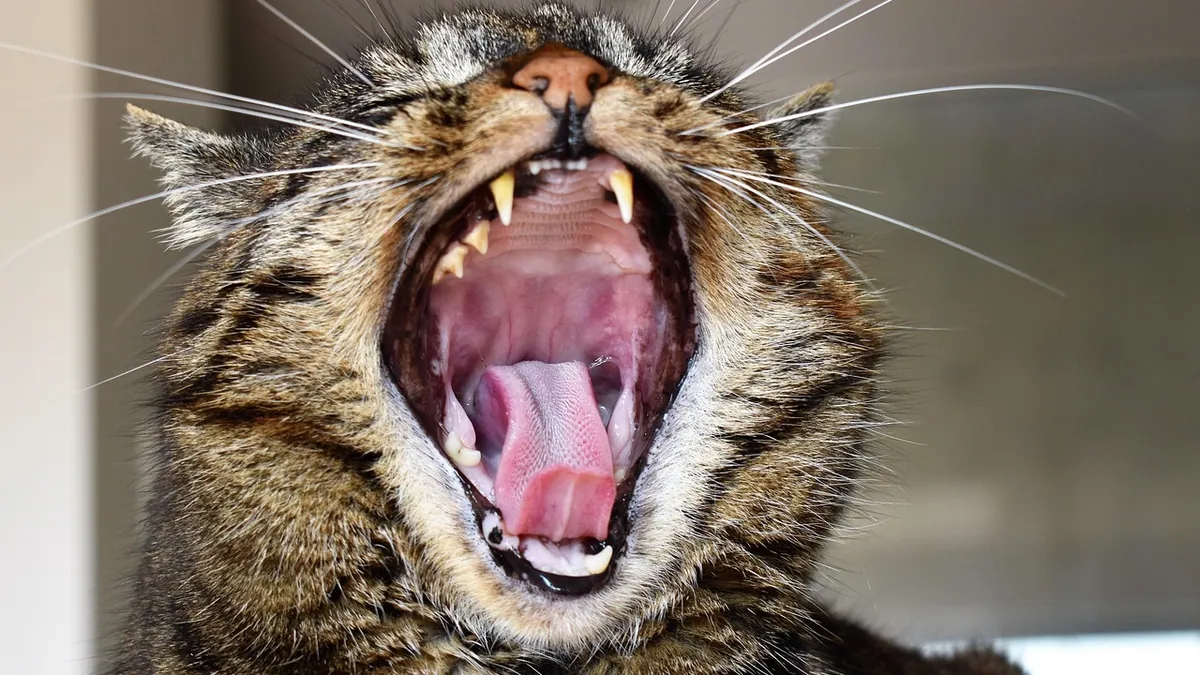
Cat losing teeth at 2 years old is not normal. By that age, a cat should have a full set of 30 permanent teeth, so losing one usually points to disease instead of ordinary teething [1]. The cause and the urgency depend a lot on your cat's age, which is why the same symptom means different things in a 6-month-old kitten and a 10-year-old cat.
This article is educational and is not a substitute for veterinary diagnosis or treatment.
Quick Answer
- Kittens lose baby teeth between about 3 and 6 months of age, and this is the only normal reason a cat loses teeth [1].
- Adult cats do not shed teeth naturally. Loose or missing teeth in a cat older than 7 months almost always means dental disease or injury.
- Periodontal (gum) disease is the most common oral problem in cats and the leading reason teeth fall out, because infection destroys the tissues and bone that hold teeth in place [2][3].
- Tooth resorption is another common cause. It is painful, it often starts below the gum line where you cannot see it, and it leads to tooth loss [4].
- Any loose tooth, missing tooth, bad breath, drooling, or dropping food deserves a veterinary dental exam. Do not try to pull a tooth at home.
What Tooth Loss Looks Like and What Is Normal
Normal kitten teething
Cats have two sets of teeth in their lives, just as people do: baby teeth that fall out and permanent teeth that replace them [1]. Most kittens have 26 baby teeth. The incisors start coming in at 2 to 4 weeks of age, and the baby premolars at 5 to 6 weeks [1]. Permanent teeth usually start appearing around 4 to 7 months [1].
During that window, you may find a tiny tooth on the floor or in your kitten's bedding. Kittens may also drool a little, chew more, or have slightly tender gums. This is the one time tooth loss is expected.
What is not normal
Once the adult teeth are in, a cat should keep them for life. A full adult cat has 30 permanent teeth [1]. If your adult cat is losing teeth, something is destroying the tooth itself or the structures holding it in the jaw.
Owners often notice the problem before they see an actual missing tooth. Watch for:
- Bad breath that keeps getting worse
- Drooling, sometimes with blood-tinged saliva [3]
- Pawing at the mouth or flinching when you touch the face [3]
- Chewing on one side, dropping food, or eating less [3]
- Red, swollen, or bleeding gums
- A tooth that looks broken, worn, or covered in tartar
- Weight loss, which can accompany mouth pain and reduced eating
If your cat is also dropping weight, that combination deserves a prompt exam. You can read more about that pattern in Why Is My Cat Losing Weight?.
Causes of Tooth Loss by Age
Cat losing teeth at 2 years old
At 2, teething is long over. The most likely explanation is early periodontal disease. Gum disease is the most common oral problem in cats, and it affects more than 80% of dogs and cats by 3 years of age [3][5]. Gingivitis, the early stage, is reversible with a professional cleaning under anesthesia [2]. Periodontitis, the later stage, destroys the ligaments and bone around the tooth, and those teeth can be lost [2].
Young cats can also develop tooth resorption. One large study found that the risk of resorption increases with age, but it can appear in younger cats too [4]. A 2026 study found that brachycephalic cats (flat-faced breeds such as Persians) with resorption were significantly younger than other cats, about 7.1 years versus 8.7 years, and had more advanced lesions [6]. So breed matters, even in a young cat.
Cat losing teeth at 4, 5, or 6 years old
This is the age range where gum disease and resorption overlap most. Gingivitis prevalence climbs steadily through the first 6 years of life [7]. By the time a cat is 4 to 6, tartar and gum inflammation are common, and some cats already have bone loss.
Resorption becomes more frequent here as well. In one study of cats receiving dental treatment, periodontitis, chronic gingivostomatitis, and tooth resorption were the three most common reasons for extraction, and periodontitis and resorption both became more common with age [8]. Chronic gingivostomatitis, a severe inflammatory condition of the mouth, was more common in younger cats in that same study [8].
Cat losing teeth at 8 years old
At 8, the odds shift further toward chronic problems. Periodontal disease has had years to damage the supporting bone [2]. Resorption is common and often advanced. One case report described an 8-year-old cat with generalized periodontal disease and multiple teeth affected by resorption found on full-mouth radiographs [9].
Older cats also accumulate other oral problems. Inflammation in the mouth can come from immune-mediated disease, injuries, metabolic disease, tumors, and infections including feline herpesvirus, calicivirus, leukemia virus, and immunodeficiency virus [3]. Your veterinarian will consider these when the exam does not fit the usual pattern.
Cat losing teeth at 10 years old and beyond
Age itself is not the cause. Disease is. The risk of tooth resorption rises with age [4], and periodontitis tends to increase with age as well [8]. Senior cats may also have fewer reserves to handle chronic mouth pain, so they may eat less and lose weight.
Older cats are also more likely to have other conditions that make anesthesia and dental treatment more complicated. That does not mean treatment should be skipped. It means your veterinarian will run bloodwork and may recommend additional testing before a cleaning or extraction.
Cause table
| Cause | Typical clues | How urgent |
|---|---|---|
| Kitten teething (under 7 months) | Tiny teeth found, mild drooling, chewing | Routine, mention at next visit [1] |
| Gingivitis | Red gum line, bad breath, tartar | Schedule a dental exam soon [2] |
| Periodontitis | Loose teeth, receding gums, missing teeth, pain | Prompt visit, teeth can be lost [2] |
| Tooth resorption | Broken-looking teeth, pain, often hidden below the gum line | Prompt visit, this is painful [4] |
| Chronic gingivostomatitis | Severe mouth inflammation, drooling, eating less | Prompt visit, often needs long-term care |
| Oral injury or foreign object | Sudden drooling, pawing at mouth, one-sided pain | Same day [3] |
| Oral tumor | Firm swelling, asymmetry, bleeding, weight loss | Same day to urgent [3] |
| Viral or immune-related mouth disease | Widespread inflammation, ulcers, enlarged lymph nodes | Same day to urgent [3] |
Red Flags That Need Attention Now
Some signs mean you should stop watching and waiting.
- Bleeding from the mouth that will not stop
- A swollen face or jaw, which can suggest infection or a tooth root abscess
- Trouble breathing, especially with the mouth open
- Inability to eat or drink for more than 24 hours
- Sudden collapse, weakness, or severe lethargy
- A visibly broken jaw or a tooth hanging by tissue
- Vomiting, tremors, or drooling after possible exposure to a toxin
If you suspect poisoning, call your veterinarian or a pet poison hotline right away. Do not wait for symptoms to worsen.
What You Can Safely Do at Home
You cannot fix dental disease at home, but you can keep your cat comfortable and avoid making things worse.
- Do not pull a loose tooth. You can break the root or cause bleeding and infection.
- Do not give human pain relievers. Many common human medications are toxic to cats. Your veterinarian will choose a safe pain plan based on your cat's weight and health.
- Switch to soft food if chewing seems painful. Offer canned food or soften dry kibble with warm water.
- Keep the mouth clean if your cat allows it. A soft gauze wipe or a cat-safe rinse recommended by your veterinarian can help, but never force it if it causes pain.
- Watch for eating and drinking. If your cat stops eating for more than a day, call your veterinarian.
- Take photos of anything you see, including a missing tooth, a broken tooth, or swelling. This helps your veterinarian track changes.
If your cat is also losing hair or scratching, that may be a separate issue. See Why Is My Cat Losing Hair?.
What Your Veterinarian Will Check
A dental exam starts with a full physical examination and a look at the mouth, but many problems sit below the gum line where no one can see them without imaging.
Your veterinarian will likely:
- Score gum health and tartar buildup
- Check each tooth for mobility, fractures, and resorption
- Look for swelling, ulcers, and asymmetry
- Palpate the jaw and lymph nodes [3]
- Recommend full-mouth dental radiographs (X-rays), which are needed to find resorption and bone loss [9]
- Run bloodwork and possibly other tests before anesthesia
Treatment depends on the cause. Gingivitis usually responds to a thorough professional cleaning under anesthesia, including cleaning below the gum line [2]. Your veterinarian may apply a sealant after cleaning to reduce bacterial buildup and support healing [2]. Cats that do not improve may need testing for other diseases, including immune problems, diabetes, and feline Bartonella infection [2].
Periodontitis and resorption often require extraction of affected teeth. In one study, periodontitis, chronic gingivostomatitis, and tooth resorption together accounted for the large majority of extractions in cats [8]. Removing a painful tooth usually improves quality of life, even though it sounds drastic.
Anesthesia-free cleanings are not a substitute. They may make teeth look better, but they do not treat plaque below the gum line [2].
Prevention and Monitoring
You cannot prevent every dental problem, but you can slow the most common ones.
- Brush your cat's teeth daily if you can. Daily brushing is the standard home care for plaque control [5].
- Use veterinary dental chews, rinses, or sealants recommended by your veterinarian [5].
- Schedule professional dental cleanings as advised. Gingivitis returns if teeth are not kept free of plaque [2].
- Check your cat's mouth monthly. Look for redness, tartar, broken teeth, and bad breath.
- Keep up with wellness visits. Gum disease is often underdiagnosed, so ask for an oral exam at every appointment [5].
- Feed a diet your veterinarian approves. Diet consistency is a recognized risk factor for periodontal disease, and diet may play a role in resorption, though the research is still developing [6][5].
For a deeper plan, see Prevent Dental Problems In Cats and Dental Disease In Dogs And Cats.
Limitations and When to Contact a Veterinarian
This article cannot tell you what is happening in your cat's mouth. Only an exam, and usually dental radiographs, can do that. Individual cases need a veterinarian.
Contact your veterinarian the same day if your cat has a swollen face, a broken tooth, bleeding that will not stop, or has stopped eating.
Seek emergency care now if your cat is having trouble breathing, is collapsing, is bleeding heavily, or may have swallowed a foreign object or toxin.
Schedule a routine visit soon if you notice bad breath, drooling, tartar, a loose or missing tooth, or any change in chewing. Early treatment is easier on your cat and often less expensive than waiting.
Frequently Asked Questions
Is it normal for a 2-year-old cat to lose teeth?
No. By 2 years old, your cat should have all 30 adult teeth, and losing one is a sign of disease or injury. The most common causes at this age are periodontal disease and tooth resorption.
Can a cat lose teeth from gum disease alone?
Yes. Periodontal disease destroys the ligaments and bone that hold teeth in place, and untreated teeth can be lost [2]. This is why professional cleanings and daily home care matter.
Do cats feel pain when they lose a tooth?
Dental disease in cats is painful, and tooth resorption in particular is described as a painful condition [4]. Cats often hide mouth pain, so eating less or chewing oddly may be the only clue you see.
Should I pull my cat's loose tooth at home?
No. Pulling a tooth at home can break the root, cause bleeding, and lead to infection. Your veterinarian has the tools, imaging, and anesthesia needed to remove a tooth safely.
How often should an adult cat have a dental check?
At least once a year, and more often if your cat has gum disease or a history of resorption. Gum disease is common and often underdiagnosed, so ask for an oral exam at every wellness visit [5].
Related Articles
- Why Is My Cat Losing Hair?
- Why Is My Cat Losing Weight?
- Prevent Dental Problems In Cats
- How To Prevent Dental Problems In Cats
- Dental Disease In Dogs And Cats
- How to Tell If Your Cat's Weight Loss Is Normal Aging or a Health Problem
- Missing Teeth in Cats: Causes and What to Do
- Cat Teeth Falling Out: Normal or a Dental Problem?
- Cat Teething: When Kittens Lose Teeth and Get Adults
References
- Dental Development of Cats - Cat Owners. Merck Veterinary Manual.
- Dental Disorders of Cats - Cat Owners. Merck Veterinary Manual.
- Disorders of the Mouth in Cats - Cat Owners. Merck Veterinary Manual.
- A large case-control study indicates a breed-specific predisposition to feline tooth resorption. Veterinary journal (London, England : 1997), 2024.
- Overview of Periodontal Disease in Dogs and Cats. Journal of veterinary dentistry, 2026.
- Association of Skull Type, Diet, and Chronic Gingivostomatitis with Tooth Resorption in Cats Receiving Dental Treatment. Animals : an open access journal from MDPI, 2026.
- Prevalence and risk factors for gingivitis in a cohort of UK companion cats aged up to 6 years. The Journal of small animal practice, 2024.
- The prevalence of reasons for tooth extraction in cats. Frontiers in veterinary science, 2025.
- Sialolith in a minor salivary gland of an 8-year-old European domestic shorthair cat: a case report. Veterinary research communications, 2025.