Can a Cat Live With a Broken Tooth? What to Know
By Dr. Zubair Khalid, DVM, MS, PhD ·
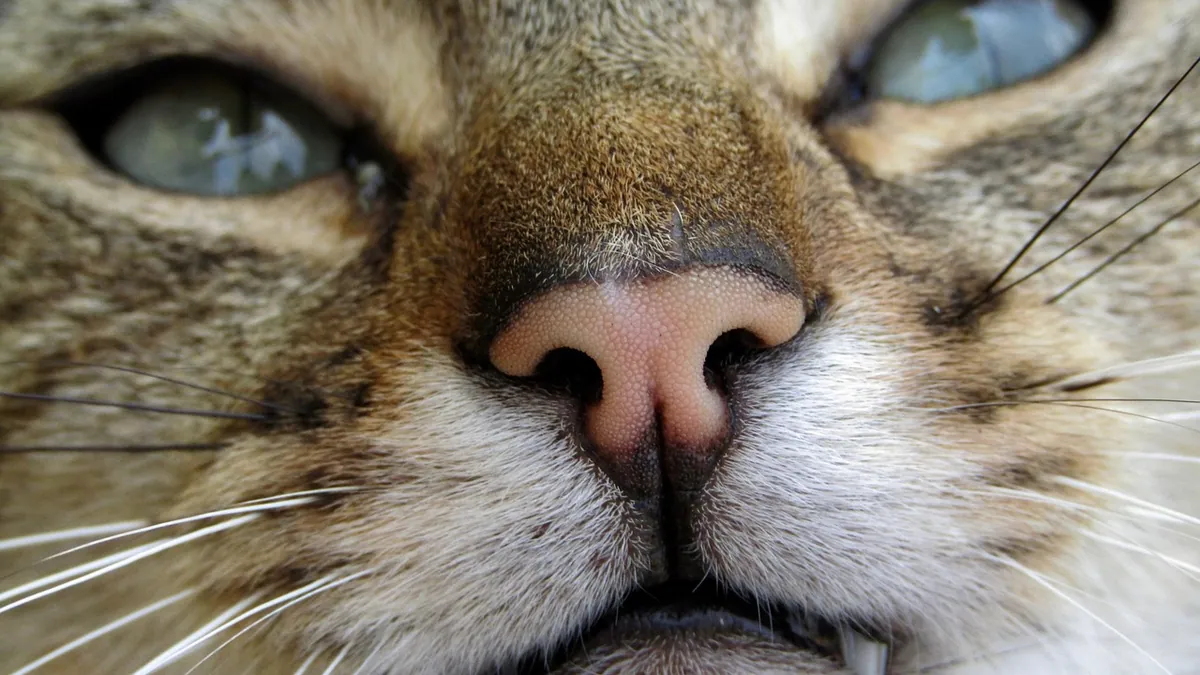
A cat can live with a broken tooth, but that does not mean it should. Some fractures are minor and cause no lasting trouble, while others expose the pulp, invite infection, and cause real pain that cats hide well. Whether your cat needs treatment depends on which tooth broke, how deep the break goes, and what your veterinarian finds on exam. This article is educational and is not a substitute for veterinary diagnosis or treatment.
Quick Answer
- A broken tooth is a dental emergency only if the pulp is exposed, the tooth is loose, or your cat is bleeding, drooling, or pawing at the mouth.
- Cats rarely show obvious pain, so a fracture can go unnoticed for months while the tooth and surrounding bone get worse [1].
- Fractures that expose the pulp usually need extraction or a root canal, not watchful waiting.
- Dental disease is extremely common in cats, and only about 10 percent make it through life without some kind of dental problem [2].
- Any broken tooth should be checked by a veterinarian, even if your cat seems fine.
What a Broken Tooth Means in Plain Words
A tooth has a hard outer shell (enamel), a middle layer (dentin), and a soft center (pulp) that holds nerves and blood vessels. When a tooth breaks, the fracture can stay in the enamel, reach into the dentin, or open all the way into the pulp. A fracture that exposes the pulp is called a complicated crown fracture, and it is the type most likely to cause pain and infection [3][4].
Cats are stoic. A cat with a painful tooth often keeps eating, keeps grooming, and keeps sleeping in the same spots. That is why dental pain is frequently missed during routine exams [1]. The absence of obvious suffering does not mean the tooth is fine.
Signs of a Broken Tooth You Might Notice
Some fractures are visible if you lift your cat's lip. Others hide at the back of the mouth or below the gumline. Watch for:
- Dropping food, chewing on one side, or swallowing kibble whole
- Bad breath that appeared or worsened
- Drooling, sometimes with blood
- Pawing at the mouth or rubbing the face
- Flinching when you touch near the muzzle
- Swelling on the cheek or under the eye
- Eating less, or acting irritable and withdrawn
- A visibly chipped, discolored, or missing tooth
A study of cats presenting for routine procedures found that dental pain signs included mouth discomfort, halitosis, hypersalivation, trouble holding food, and repeated attempts to pick up food [1]. Any of these deserve a dental exam.
Causes and Risk Factors
Broken teeth in cats usually come from one of a few sources.
Trauma. Falls, car accidents, dog bites, and collisions with hard objects are common causes. The canine teeth (the long fangs) fracture often because they stick out and take the hit.
Chewing hard things. Bones, antlers, hooves, hard plastic toys, and even very hard treats can crack a tooth. Ice and hard nylon chews are frequent culprits.
Dental disease. Periodontal disease affects an estimated 85 percent of cats over age six [2]. As plaque hardens and gums recede, teeth weaken and become more likely to fracture or fall out. Tooth resorption, a condition where the body breaks down its own tooth structure, also makes teeth fragile [1].
Age. Older cats have more accumulated dental disease and weaker teeth. That said, fractures happen in young cats too, especially after trauma.
Genetics and breed. Some cats are simply more prone to dental disease. Your veterinarian can flag this at routine visits.
How Veterinarians Diagnose a Broken Tooth
Diagnosis starts with a full oral exam, which often requires sedation or anesthesia to do properly. A conscious exam only shows the front of the mouth well. Under anesthesia, your veterinarian can probe every tooth, check for mobility, and look for pockets around the gums.
Dental radiographs (X-rays) are the most important next step. X-rays show what is happening below the gumline: root fractures, bone loss, infection around the root tip, and resorption. In one study of fractured canine teeth, radiographs revealed root resorption, periapical lucency (dark areas around the root tip suggesting infection), widening of the periodontal ligament space, and failure of the pulp cavity to narrow [5]. None of that is visible from the outside.
Your veterinarian may also test whether the pulp is exposed by gently probing the fracture. If the pulp is open, the tooth is almost certainly painful and infected or will become so.
Treatment Options for a Broken Tooth
Treatment depends on the tooth, the depth of the fracture, and your cat's overall health. Here are the main paths.
| Situation | Typical Treatment | Notes |
|---|---|---|
| Enamel-only chip, no pulp exposure, tooth stable | Smoothing (odontoplasty) and sealing, or monitoring | Often done under anesthesia with X-rays |
| Fracture into dentin, pulp not exposed | Bonding and sealing, or restoration | Preserves the tooth when possible [4] |
| Pulp exposed, mature tooth | Extraction or root canal therapy | Root canal saves the tooth but needs a specialist |
| Pulp exposed, immature tooth | Vital pulp therapy or apexification | Aims to let the tooth keep developing [4] |
| Root fracture or severe bone loss | Extraction | The tooth cannot be saved |
| Loose or infected tooth with gum disease | Extraction | Often the only reasonable option in end-stage disease [2] |
Extraction is the most common treatment. Most cats do very well after a tooth is removed, and many eat more comfortably once the source of pain is gone. Extraction of a maxillary canine can occasionally lead to lip entrapment, where the lip gets caught on the gum, and that can cause painful ulcers [6]. Your veterinarian will discuss this risk if a canine needs to come out.
Root canal therapy saves the tooth and keeps the natural crown. It is usually performed by a veterinary dental specialist. It is not risk-free. One report described a cat that developed facial swelling and a corneal ulcer after irrigation fluid passed backward through the tear duct during a canine root canal [3]. That cat recovered with treatment, but the tooth was later extracted because of bone disease around the root [3].
Vital pulp therapy and apexification are options mainly for young cats whose permanent teeth are not fully formed. Preserving pulp function in an immature tooth allows it to keep developing [4]. These procedures are typically done by a specialist.
Dental implants exist for cats and have been used to replace lost canine teeth, but they are not routine and are usually offered through specialty practices [6]. Most owners choose extraction.
Never give your cat human pain relievers. Many common pain medications are toxic to cats. Your veterinarian will choose a safe drug and calculate the dose from your cat's weight and health.
Recovery, Outlook, and Long-Term Management
Most cats recover from a dental extraction within a few days to a week. Soft food, pain medication from your veterinarian, and a quiet space help. Full gum healing takes longer, but comfort usually returns fast.
If the broken tooth is left untreated, the outlook is less predictable. Some enamel chips stay quiet for years. Fractures that expose the pulp do not heal on their own. The pulp dies, bacteria move into the root, and infection can spread to the bone around the root tip. That process can be painful and can damage neighboring teeth.
Cats with fewer teeth can still eat dry food in most cases. Teeth are for grabbing and shearing, and cats manage well with gums and remaining teeth. What matters more is keeping the rest of the mouth healthy. If your cat has other dental disease, treatment may involve cleaning, polishing, and removing any teeth that cannot be saved. You can read more about that process in How To Treat Dental Disease In Cats.
Long-term, plan on dental checkups at least once a year, and more often if your cat has a history of dental problems. Your veterinarian may recommend professional cleanings under anesthesia every 6 to 12 months depending on what they see.
Prevention
You cannot prevent every accident, but you can lower the odds of a broken tooth.
- Stop offering bones, antlers, hooves, and hard nylon chews. Choose soft, flexible toys and dental treats approved for cats.
- Brush your cat's teeth with pet-safe toothpaste. Daily is ideal, but a few times a week still helps. Step-by-step guidance is in How To Brush a Cat's Teeth Safely.
- Ask your veterinarian about dental diets and water additives.
- Keep up with professional cleanings. Treating periodontal disease early protects the teeth you want to keep [2].
- Cat-proof your home for falls and keep your cat indoors to reduce trauma risk.
- Check your cat's mouth monthly. Lift the lip, look at the fangs and front teeth, and note any chips, discoloration, or bad breath.
For a broader prevention plan, see Prevent Dental Problems In Cats.
Limitations and When to Contact a Veterinarian
This article cannot tell you whether your cat's specific tooth is painful or infected. Only a veterinarian can examine the tooth, take X-rays, and decide on treatment. Individual cases need a veterinarian's assessment.
Contact a veterinarian the same day if you see:
- Bleeding from the mouth that does not stop
- A tooth that is loose, hanging, or pushed out of position
- Drooling, dropping food, or refusing to eat
- Swelling on the face or under the eye
- Your cat pawing at the mouth or crying while eating
Seek emergency care now if:
- Your cat has trouble breathing
- There is heavy bleeding
- Your cat is collapsed, weak, or unresponsive
- You suspect a fall or collision caused the injury
Schedule a routine visit soon if:
- You notice a chipped or discolored tooth but your cat seems comfortable
- Your cat has bad breath or tartar buildup
- It has been more than a year since the last dental exam
Frequently Asked Questions
Can a cat live with a broken tooth without treatment?
Sometimes, if the break is small and stays in the enamel, a cat can live comfortably with it for years. But if the pulp is exposed, the tooth will not heal on its own and will likely become infected and painful. A veterinarian needs to examine the tooth and take X-rays to know which situation you are in.
Will a broken tooth heal on its own?
No. Enamel and dentin do not regrow in cats, and an exposed pulp does not seal itself. The tooth may stop hurting once the nerve dies, but infection can continue in the root and surrounding bone. That is why exposed fractures need treatment.
Is it painful for a cat to have a broken tooth?
It can be very painful, especially when the pulp is exposed. Cats often hide dental pain, so a cat that keeps eating may still be uncomfortable. Signs like drooling, chewing on one side, or flinching near the face suggest pain.
What happens if I wait too long to treat a broken tooth?
Infection can spread from the pulp into the bone around the root tip, and the tooth may become impossible to save. Waiting also means your cat lives with pain that could have been treated. In some cases, the infection can affect nearby teeth and gums.
How much does it cost to treat a broken tooth in a cat?
Costs vary widely by region, clinic, and procedure, and no single number applies to every cat. Extraction is usually less expensive than root canal therapy with a specialist. Your veterinarian can give you an estimate after examining your cat and taking X-rays.
Related Articles
- Prevent Dental Problems In Cats
- How To Prevent Dental Problems In Cats
- How To Treat Dental Disease In Cats
- How Long Can An Older Cat Live With Kidney Disease
- How To Brush a Cat's Teeth Safely
- How Long Do Cats Live? Indoor, Outdoor and Senior Cat Lifespan Guide
- Broken Tooth in Cats: Causes, Pain, and What to Do
- Broken Tooth in a Cat: Treatment for Fractures and Lesions
- Cat Losing a Tooth or Chipped Tooth: What to Do
References
- Dental Pain in Cats: A Prospective 6-Month Study. Journal of veterinary dentistry, 2022.
- When Kitty Needs a Dentist. Cornell University College of Veterinary Medicine.
- Complications of Intracanal Irrigation During Root Canal Therapy of a Maxillary Canine Tooth in a Cat. Journal of veterinary dentistry, 2025.
- Decision-Making and Management of Immature Permanent Teeth with Crown Fractures in Small Animals-A Review. Journal of veterinary dentistry, 2021.
- Follow Up on Simple (Closed) Extraction of Fractured Maxillary Canine Teeth in Domestic Ferrets (Mustela putorius furo). Frontiers in veterinary science, 2021.
- Feline Dental Implants: Long-Term Follow-up of Two Cases. Journal of veterinary dentistry, 2017.