Broken Tooth in a Cat: Treatment for Fractures and Lesions
By Dr. Zubair Khalid, DVM, MS, PhD ·
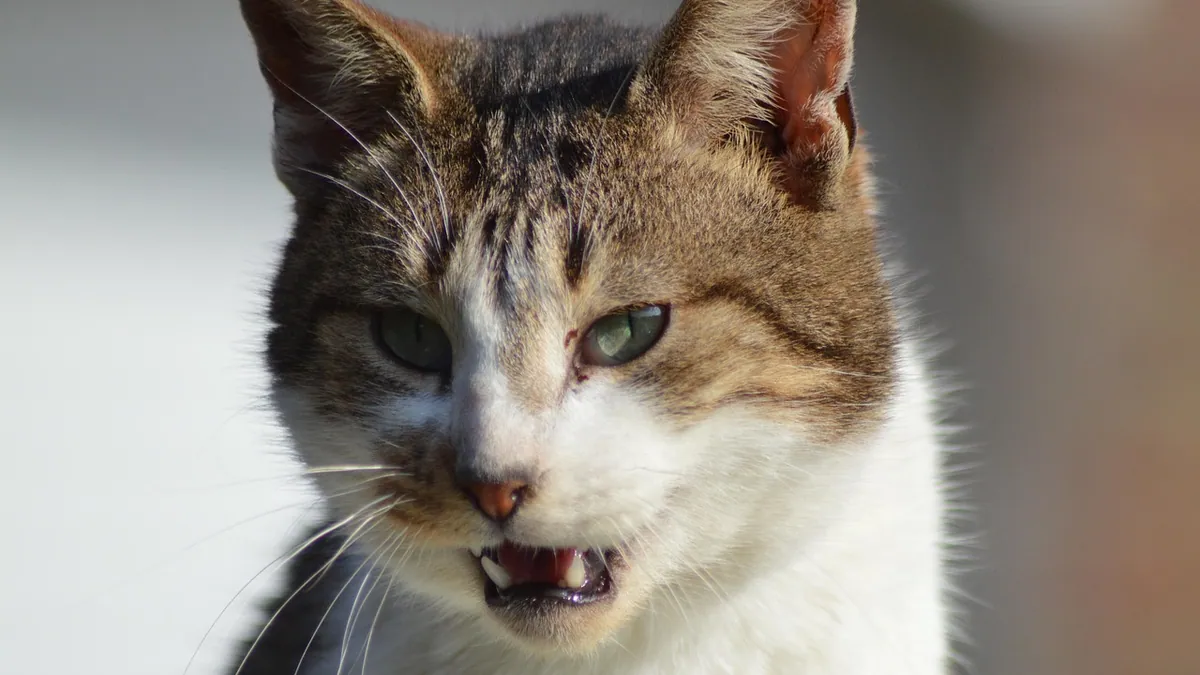
A broken tooth in a cat is a painful problem that rarely heals on its own. The right broken tooth cat treatment depends on whether the pulp is exposed, whether the tooth is resorbing, and how much of the root remains. Your veterinarian will examine the tooth, take dental radiographs, and then recommend extraction, root canal therapy, or careful monitoring.
This article is educational and is not a substitute for veterinary diagnosis or treatment.
Quick Answer
- A fractured tooth with a red or black spot in the center of the crown likely means the pulp is exposed, which is painful and needs treatment [1].
- Tooth resorption is one of the three most common dental diseases in cats, along with gingivitis and periodontitis [2].
- Extraction is the most common treatment for damaged or resorbing teeth in cats, and tooth resorption is a frequent reason for extraction [3].
- Root canal therapy can save a fractured tooth in some cases, depending on the extent of the fracture, the cat's age, and how long ago the injury happened [1].
- Cats hide dental pain well, so a cat with a broken tooth may still eat normally even when the tooth hurts [4].
What Is a Broken Tooth in a Cat?
A broken tooth is any tooth with a fracture that damages the crown, the root, or both. Cats can break a tooth from a fall, a fight with another animal, a car accident, or getting caught on something [1]. Some teeth break because the tooth itself was already weakened by disease.
Two problems often get confused. One is a traumatic fracture, which is a physical break from an injury. The other is tooth resorption, also called an odontoclastic resorptive lesion. In tooth resorption, the cat's own cells break down the tooth structure from the inside or outside, and the tooth can look chipped, worn, or partly missing [4]. Tooth resorption is common. One study estimated it affects about 40% of adult cats in a population of unowned, unsocialised cats in Denmark [5]. Another study found tooth resorption was the reason for about 15% of tooth extractions in cats [3].
Both problems cause pain, and both can go unnoticed by owners.
Signs of a Broken Tooth or Dental Lesion in Cats
Cats are good at hiding oral pain. In one study, researchers found no direct link between how severe a cat's tooth resorption was and whether the cat showed obvious clinical signs [4]. That means a cat can have significant dental disease and still act fairly normal.
Signs you might notice include:
- Dropping food or chewing on one side of the mouth
- Bad breath
- Drooling, sometimes with blood
- Pawing at the mouth or face
- Flinching when you touch the muzzle
- Eating less, or refusing hard food but eating soft food
- Weight loss
- Swelling or a bump on the jaw or under the eye
- A visibly broken, discolored, or missing tooth
Some cats with dental pain stop eating altogether, which can lead to other health problems [2]. If your cat stops eating for more than a day, call your veterinarian.
Causes and Risk Factors
Trauma is the most direct cause of a fractured tooth. Fights with other animals, car impacts, fence injuries, and falls onto hard surfaces are common ways cats break teeth [1].
Tooth resorption has a less clear cause. Age is a consistent risk factor. Tooth resorption becomes more common and more severe as cats get older [4][6]. One large case-control study found the risk of tooth resorption increased with age, from about 14.7% in the youngest cats to 25.3% in older cats [6].
Breed may play a role. A study of Finnish cats found a breed-specific predisposition to tooth resorption [6]. Another study found that brachycephalic cats (flat-faced breeds) had more advanced tooth resorption at a younger age than non-brachycephalic cats [7].
Diet and chronic gingivostomatitis have also been studied as possible factors, but the results are mixed and the relationship is not well established [7]. Periodontal disease is another major dental problem in cats and can weaken the tissues that hold teeth in place [8]. If periodontal disease goes untreated, teeth can be lost because the supporting tissues are destroyed [8].
How Veterinarians Diagnose a Broken Tooth
Diagnosis starts with a physical exam. Your veterinarian will look at the conscious cat's face, jaw, and mouth, but a full exam usually requires anesthesia. The 2025 FelineVMA guidelines state that assessment under anesthesia is necessary for radiography and treatment, making anesthesia an essential part of feline dentistry [9].
During the exam, your veterinarian looks for a red or black spot in the center of an irregular crown surface, which may indicate pulp exposure [1]. They will also check for missing teeth. A missing tooth after trauma may have been avulsed (knocked out completely) or fractured with root fragments left behind [1].
Dental radiographs are critical. In one study, full-mouth dental radiography had a sensitivity of 78.9% for detecting tooth resorption, while cone-beam CT had a sensitivity of 99.5% [5]. Oral clinical examination alone had a sensitivity of only 36.0% [5]. That means many resorbing teeth are missed without imaging. A careful intraoral radiographic exam is essential to avoid false negative results [4].
If your cat has other injuries from trauma, your veterinarian may also take radiographs to check for fractures elsewhere. You can read more about imaging in Radiographic Assessment of Fracture Healing in Dogs and Cats.
Broken Tooth Cat Treatment: Extraction, Root Canal, or Monitoring
The right treatment depends on several factors: the extent of the fracture, your cat's age, and how long it has been since the injury [1]. Your veterinarian will also consider whether the tooth is resorbing, whether the pulp is exposed, and whether the tooth is still functional.
Extraction
Extraction is the most common treatment for fractured and resorbing teeth in cats. Tooth resorption is one of the top three reasons for tooth extraction, along with periodontitis and feline chronic gingivostomatitis [3]. When a tooth is resorbing, the root structure is often fragile and irregular, so extraction may require a surgical approach. Your veterinarian will take radiographs before and after extraction to confirm that all root material is removed.
Root Canal Therapy
Root canal therapy can save a fractured tooth if the fracture is limited and the tooth is important for chewing. It is one of the treatment options for fractured teeth, along with vital pulp therapy, dental extraction, and dentinal sealant [1]. Root canal therapy is most likely to be recommended for a tooth with pulp exposure that has been fractured recently. If the fracture happened weeks or months ago and the pulp is infected or dead, extraction may be the better choice. Your veterinarian may refer you to a veterinary dentist for this procedure.
Monitoring
Monitoring is sometimes an option for a tooth with a small chip that does not expose the pulp and is not resorbing. Your veterinarian will recheck the tooth at future visits and may take radiographs to watch for changes. Monitoring is not appropriate for a tooth with pulp exposure or for a resorbing tooth that is causing pain.
| Treatment | Best for | Notes |
|---|---|---|
| Extraction | Resorbing teeth, badly fractured teeth, teeth with root damage | Most common option. Requires anesthesia and radiographs [3] |
| Root canal therapy | Fractured teeth with pulp exposure, recent injury, important teeth | May need a veterinary dental specialist [1] |
| Monitoring | Small chips without pulp exposure, stable teeth | Requires regular rechecks and radiographs |
Pain Management
Dental pain is real, and cats feel it. The 2025 FelineVMA guidelines state that multimodal perioperative analgesia and anesthesia are standard features of oral and dental care [9]. Your veterinarian will calculate the right pain medication and dose based on your cat's weight and health. Never give your cat human pain relievers, as many are toxic to cats.
Recovery, Outlook, and Long-Term Management
Most cats recover well after dental treatment. After extraction, the gum tissue heals over several weeks. Your cat may need soft food for a short time, and your veterinarian will give you specific instructions. Many cats eat better after treatment because the painful tooth is gone.
After a root canal, the tooth remains in place and can function normally. Your veterinarian will want to recheck the tooth with radiographs to make sure it is stable.
Long-term management focuses on the rest of the mouth. Cats with tooth resorption often develop lesions in other teeth over time, so regular dental checkups and radiographs are important [4]. Periodontal disease also needs ongoing care. You can learn more in How To Treat Periodontal Disease In Cats and How To Treat Dental Disease In Cats.
Prevention
You cannot prevent every broken tooth, especially if your cat goes outdoors or has trauma. But you can reduce dental disease risk with regular home care.
The best way to prevent gingivitis is to remove plaque buildup by brushing your cat's teeth regularly [2]. Use only tooth gel or toothpaste made for cats, because human products can be toxic to cats [2]. Some cats need a gradual introduction before they accept brushing, but most can eventually be trained to accept it [2]. If your cat has severe gingivitis, brushing can be painful, so ask your veterinarian before you start [2].
Professional dental cleanings under anesthesia are also important. Cleanings done without anesthesia may make the tooth look better but do not treat plaque below the gum line [8]. For more tips, see Prevent Dental Problems In Cats and How To Prevent Dental Problems In Cats.
Limitations and When to Contact a Veterinarian
This article gives general information, but every cat is different. Your veterinarian needs to examine your cat and take radiographs to make a diagnosis and treatment plan.
Contact your veterinarian the same day if you notice:
- A broken tooth with a red or black spot in the center
- Drooling, pawing at the mouth, or flinching when touched
- Your cat has stopped eating or is eating much less
- Bad breath that started suddenly
- Swelling on the face or jaw
Go to an emergency clinic now if:
- Your cat has heavy bleeding from the mouth
- Your cat has trouble breathing
- Your cat has a suspected jaw fracture or cannot close the mouth
- Your cat was hit by a car or had major trauma
Schedule a routine visit if:
- You see a chipped tooth but your cat seems comfortable
- Your cat has bad breath or tartar buildup
- Your cat has not had a dental exam in over a year
Frequently Asked Questions
Can a broken tooth in a cat heal on its own?
No, a fractured tooth does not heal on its own, especially if the pulp is exposed. The pulp is the living tissue inside the tooth, and once it is exposed to bacteria, infection and pain follow. Without treatment, the tooth may die, abscess, or cause damage to the surrounding bone.
Is tooth resorption in cats painful?
Yes, tooth resorption is a painful condition [7]. The pain can be severe even if your cat does not show obvious signs. Cats often hide oral pain, so a cat with resorbing teeth may still eat and act normally [4].
Does my cat need anesthesia for dental treatment?
Yes, anesthesia is required for proper dental radiographs and treatment. The 2025 FelineVMA guidelines state that anesthesia is an essential component of feline dentistry [9]. Cleanings done without anesthesia do not treat the underlying problem below the gum line [8].
How long does it take a cat to recover from a tooth extraction?
Most cats recover from tooth extraction within a few days to a couple of weeks. Your veterinarian will give you specific instructions about food, medication, and activity. Some cats need soft food for a short time while the gums heal.
Can I brush my cat's teeth if it has a broken tooth?
No, do not brush a tooth that is broken or painful. Brushing a painful tooth can make the problem worse and may cause your cat to resist future brushing. Ask your veterinarian to examine the tooth first. Once the tooth is treated, you can restart home care on the healthy teeth.
Related Articles
- How To Treat Dental Disease In Cats
- Radiographic Assessment of Fracture Healing in Dogs and Cats
- How To Treat Periodontal Disease In Cats
- Prevent Dental Problems In Cats
- How To Prevent Dental Problems In Cats
- Struvite Stones in Cats: Dietary Dissolution vs Surgical Treatment
- Broken Tooth in Cats: Causes, Pain, and What to Do
- Can a Cat Live With a Broken Tooth? What to Know
- Cat Losing a Tooth or Chipped Tooth: What to Do
References
- Dentofacial Trauma in Small Animals - Digestive System. Merck Veterinary Manual.
- Feline Dental Disease. Cornell University College of Veterinary Medicine.
- The prevalence of reasons for tooth extraction in cats. Frontiers in veterinary science, 2025.
- Feline Tooth Resorption: A Description of the Severity of the Disease in Regard to Animal's Age, Sex, Breed and Clinical Presentation. Animals : an open access journal from MDPI, 2023.
- Accuracy of three diagnostic tests to detect tooth resorption in unowned unsocialised cats in Denmark. The Journal of small animal practice, 2024.
- A large case-control study indicates a breed-specific predisposition to feline tooth resorption. Veterinary journal (London, England : 1997), 2024.
- Association of Skull Type, Diet, and Chronic Gingivostomatitis with Tooth Resorption in Cats Receiving Dental Treatment. Animals : an open access journal from MDPI, 2026.
- Dental Disorders of Cats - Cat Owners. Merck Veterinary Manual.
- 2025 FelineVMA feline oral health and dental care guidelines. Journal of feline medicine and surgery, 2025.