High BUN Blood Test: Causes and What to Do Next
By Dr. Zubair Khalid, DVM, MS, PhD ·
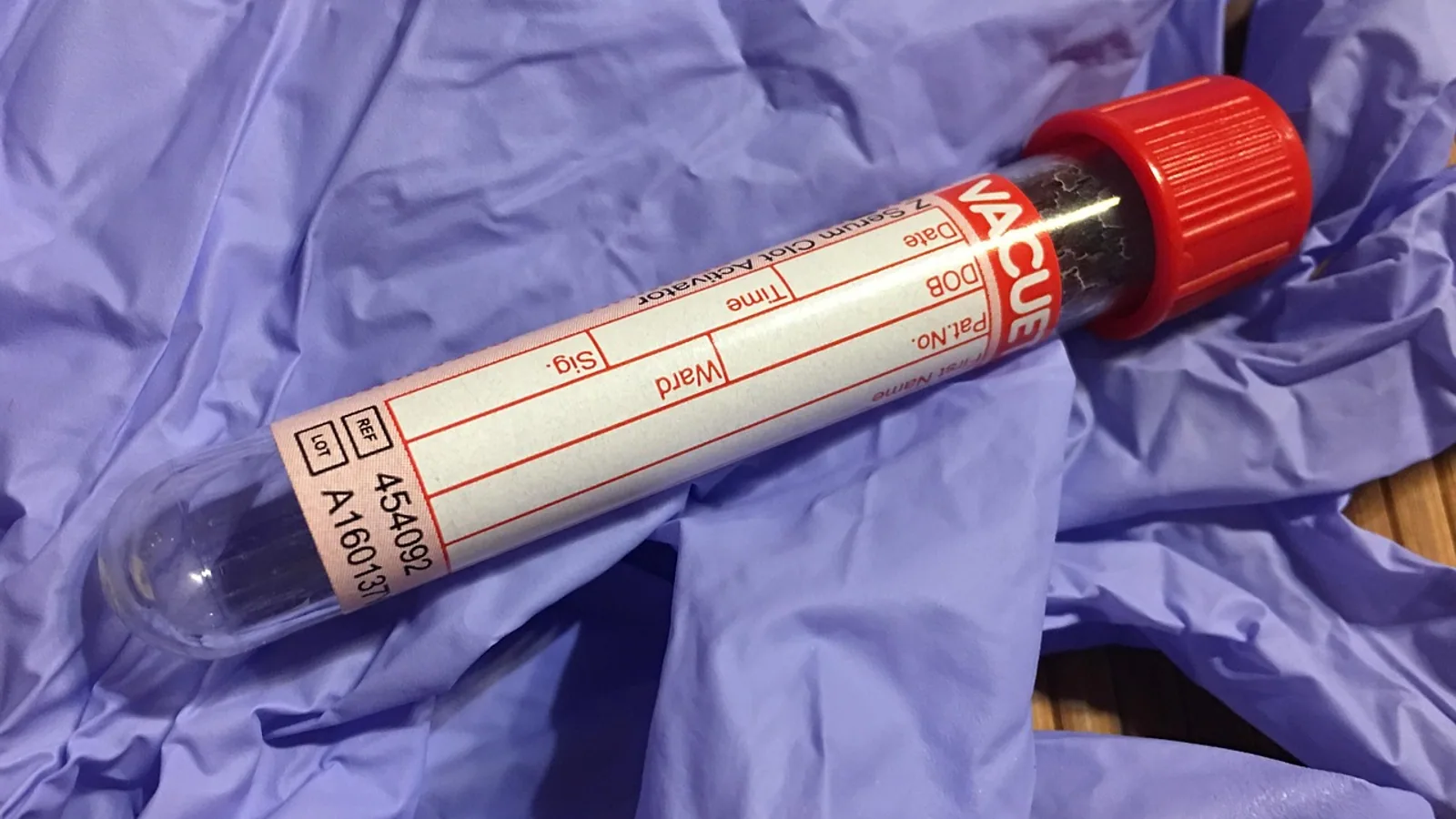
A high BUN blood test means the blood urea nitrogen (BUN) is above the reference interval, and in dogs and cats this finding is called azotemia. BUN alone does not tell you why the value is high or whether the kidneys are truly injured, so the next step is almost always to pair it with creatinine, urine specific gravity (USG), and a careful physical examination.
This article is educational and is not a substitute for veterinary diagnosis or treatment.
What BUN Actually Measures
BUN is a laboratory measurement of the nitrogen portion of urea in the bloodstream. Urea is the end product of protein and amino acid breakdown in the liver. Ammonia produced during that breakdown is converted to urea, released into the blood, and then filtered by the glomeruli of the kidneys. A smaller amount is reabsorbed in the renal tubules, and some is lost through the gastrointestinal tract.
Two words get used interchangeably and should not be. Urea nitrogen is the nitrogen component of urea and is what most veterinary analyzers report as BUN in milligrams per deciliter (mg/dL). Urea is the whole molecule. When a lab reports "urea" in some international systems, the number is roughly 2.14 times the BUN value because of the extra carbon, oxygen, and hydrogen. This matters when you compare a value from one lab to a value from another.
BUN rises for three broad reasons. The kidneys may be underperfused, meaning blood is not reaching them well. The kidneys may be injured or losing functional nephrons. Or urine may be unable to leave the body after it is made. Those three categories are pre-renal, renal, and post-renal azotemia, and separating them is the central task after a high BUN result.
BUN is also influenced by factors outside the kidney. A high-protein meal raises BUN modestly. Gastrointestinal bleeding raises it because blood protein is digested and absorbed as amino acids. Dehydration raises it through reduced renal perfusion and enhanced tubular reabsorption. Severe liver disease can lower it because the liver makes less urea. A very low BUN, sometimes searched as a low BUN blood test or lab test BUN low, has its own list of causes, and it is covered later in this article.
Reference Ranges for Dogs and Cats
Reference intervals vary by laboratory, analyzer, and method, so always read the interval printed on your own report. Typical canine and feline values used in general practice are shown below.
| Analyte | Dog (typical) | Cat (typical) |
|---|---|---|
| BUN | 7 to 27 mg/dL | 16 to 36 mg/dL |
| Creatinine | 0.5 to 1.6 mg/dL | 0.8 to 2.4 mg/dL |
| BUN:creatinine ratio | roughly 10:1 to 20:1 | roughly 10:1 to 20:1 |
| Urine specific gravity, well hydrated | 1.015 to 1.045 | 1.035 to 1.060 |
Cats normally run higher BUN and creatinine than dogs because they have a greater muscle mass relative to body size and a different protein turnover. A creatinine of 2.0 mg/dL is unremarkable in a well-muscled cat and concerning in a small, thin dog.
The BUN:creatinine ratio is calculated by dividing BUN in mg/dL by creatinine in mg/dL. Because both are reported in the same units, the ratio is dimensionless. A ratio above roughly 20:1 suggests a pre-renal cause or gastrointestinal hemorrhage rather than primary kidney injury [1]. The classic teaching that a ratio above 20 separates pre-renal azotemia from acute tubular necrosis is widely used, but it is imperfect. In a large hospital database study of over 20,000 patients, about half of those with acute kidney injury had a BUN:creatinine ratio above 20, so the threshold alone does not cleanly separate the categories [1].
The Three Categories of Azotemia
Pre-Renal Azotemia
Pre-renal azotemia means the kidneys are structurally capable of filtering but are not receiving enough blood flow, or the tubules are reabsorbing urea aggressively. Causes include dehydration, vomiting and diarrhea, shock from any cause, heart failure with poor forward flow, blood loss, and gastrointestinal hemorrhage.
The mechanism explains the lab pattern. When renal perfusion falls, the glomerular filtration rate drops and less urea reaches the tubule. At the same time, antidiuretic hormone and aldosterone drive the tubules to reabsorb sodium and water, and urea follows water back into the blood. Creatinine is not reabsorbed to the same degree, so BUN climbs faster than creatinine and the ratio widens. This is why a ratio above roughly 20:1 points toward a pre-renal process [1].
Gastrointestinal bleeding produces the same pattern by a different route. Digested blood in the gut is a large protein load that the liver converts to urea, so BUN rises while creatinine stays flat. A high BUN:creatinine ratio is an independent predictor of the need for intervention in acute upper gastrointestinal bleeding in people, which supports the same physiology [2].
The key feature of pre-renal azotemia is that it is reversible if perfusion is restored. A dehydrated dog given intravenous fluids should show BUN and creatinine falling within 24 to 48 hours. If they do not fall, the diagnosis was wrong or a renal injury has developed on top of the pre-renal insult.
Renal Azotemia
Renal azotemia means the kidneys themselves are injured or have lost enough functional mass that filtration is impaired. Causes include acute kidney injury from toxins such as lilies in cats or grapes and raisins in dogs, infections such as leptospirosis and pyelonephritis, ischemia from shock or anesthesia, and chronic kidney disease from any long-standing cause.
In renal azotemia, BUN and creatinine usually rise together, so the ratio stays near the normal 10:1 to 20:1 range. The critical finding is that the urine is not concentrated despite the azotemia. A healthy kidney facing dehydration produces urine with a specific gravity above 1.030 in dogs and above 1.035 in cats. A kidney that cannot concentrate produces dilute urine, often with a USG between 1.008 and 1.020, even when the patient is dehydrated. That combination of azotemia plus inappropriately dilute urine is the signature of primary renal disease.
Chronic kidney disease is common in older cats, and creatinine is often the more sensitive marker of declining function. In a record-based study of chronic kidney disease patients, abnormal creatinine values were found in the large majority of cases, and creatinine was more frequently abnormal than serum urea [3]. This supports the standard practice of tracking creatinine alongside BUN rather than relying on BUN alone.
Post-Renal Azotemia
Post-renal azotemia means urine is made but cannot leave the body. Causes include urethral obstruction from a stone, mucus plug, or tumor, bladder rupture with urine leaking into the abdomen, and ureteral obstruction. This is the most urgent category because it can become fatal within a day or two.
In post-renal azotemia, BUN and creatinine rise together and often rise fast. The physical examination is usually dramatic. A blocked male cat may have a tense, painful, non-expressible bladder, vocalize, strain without producing urine, and become progressively depressed. A dog with bladder rupture may have a distended, fluid-filled abdomen and signs of shock. The ratio is typically normal or only mildly elevated because both values climb together.
Post-renal azotemia is a medical emergency. Relief of the obstruction or repair of the rupture is the treatment, and it must happen before the metabolic consequences become irreversible.
The Decision Table
Use this table to move from the numbers and the physical examination to the most likely category. It is a guide, not a diagnosis.
| BUN:creatinine ratio | Urine specific gravity | Clinical signs | Most likely category |
|---|---|---|---|
| Above 20:1 | Above 1.030 dog, above 1.035 cat | Vomiting, diarrhea, poor skin turgor, tachycardia | Pre-renal from dehydration or shock |
| Above 20:1 | Variable | Melena, hematemesis, pale mucous membranes | Pre-renal from gastrointestinal hemorrhage |
| 10:1 to 20:1 | 1.008 to 1.020 despite dehydration | Lethargy, inappetence, weight loss, polyuria and polydipsia | Renal, acute or chronic kidney injury |
| 10:1 to 20:1 | Variable, often dilute | Straining to urinate, tense bladder, no urine stream | Post-renal, urethral obstruction |
| 10:1 to 20:1 | Variable | Distended fluid-filled abdomen, collapse | Post-renal, bladder or ureteral rupture |
| Below 10:1 | Variable | Weight loss, liver disease, chronic illness | Consider low BUN causes, not azotemia |
The Decision Path
The flowchart below shows the order of reasoning from a high BUN result to a working category.
flowchart TD
    A[High BUN on bloodwork] --> B[Check creatinine and calculate ratio]
    B --> C{Ratio above 20 to 1}
    C -->|Yes| D[Check hydration and perfusion]
    D --> E[Pre renal azotemia suspect]
    C -->|No| F[Check urine specific gravity]
    F --> G{Urine dilute despite dehydration}
    G -->|Yes| H[Renal azotemia suspect]
    G -->|No| I[Check for obstruction or rupture]
    I --> J[Post renal azotemia suspect]
    E --> K[Recheck after fluid therapy]
    H --> L[Stage kidney disease and treat]
    J --> M[Relieve obstruction urgently]
What to Do Next
The first step after a high BUN result is to confirm it is real and not an artifact. Hemolysis, prolonged storage of a separated sample, and some analyzer interferences can shift the value. A repeat sample drawn into the correct tube and run promptly removes most of that doubt.
The second step is to complete the minimum database. That means creatinine, a full chemistry panel, a complete blood count, a urinalysis with specific gravity, and a physical examination. The urinalysis is not optional. Without a USG, you cannot tell pre-renal from renal azotemia in most cases.
The third step is to act on the category. Pre-renal azotemia needs fluid therapy and correction of the underlying cause, whether that is dehydration, hemorrhage, or heart failure. Renal azotemia needs staging, identification of any reversible cause such as a toxin or infection, and management of the complications of kidney failure. Post-renal azotemia needs immediate relief of the obstruction or surgical repair.
A practical point about fluid therapy: a fluid trial is also a diagnostic test. If BUN and creatinine fall substantially after 24 hours of appropriate fluids, the process was largely pre-renal. If they stay high or rise, primary renal injury is more likely. Document the values before and after so the response can be interpreted.
Low BUN Results
A low BUN blood test is a separate problem from a high one, and it is a common search for owners who see a value below the reference interval. The causes are worth knowing because they change the interpretation of the whole panel.
Severe liver disease lowers BUN because the liver cannot make urea. Portosystemic shunts lower it because blood bypasses the liver and ammonia is not converted efficiently. A very low-protein diet or prolonged anorexia lowers it because there is less substrate. Polyuria from any cause can lower it by washing urea out. Pregnancy and young growing animals often run lower values. Overhydration from aggressive fluid therapy dilutes it.
A low BUN by itself is rarely an emergency. A low BUN combined with low albumin, low glucose, or a high bile acids result points toward liver dysfunction and deserves further testing. A low BUN in a pet that is eating poorly is often just a reflection of reduced protein intake.
BUN:creatinine Ratio in Context
The ratio is a useful tool, but it is not a stand-alone test. It is best read alongside the clinical picture. A ratio above 20:1 in a vomiting, dehydrated dog points to pre-renal azotemia. The same ratio in a well-hydrated dog with melena points to gastrointestinal bleeding. The same ratio in a dog with heart failure may reflect poor renal perfusion from reduced cardiac output.
The ratio also has prognostic value in human medicine, where it predicts outcomes in heart failure, sepsis, stroke, and other critical illnesses [4][5][6]. A meta-analysis of heart failure patients found that a higher BUN:creatinine ratio was associated with greater all-cause mortality [4]. In septic shock, the relationship between the ratio and mortality is more complex and appears to follow a non-linear pattern rather than a simple straight line [5]. These findings do not transfer directly to veterinary patients, but they reinforce that the ratio carries information beyond the raw BUN value.
In dogs, a related concept is the BUN-to-albumin ratio. A retrospective study of 327 dogs found that nonsurvivors had significantly higher BUN-to-albumin and creatinine-to-albumin ratios than survivors, and that low albumin was the strongest predictor of mortality [7]. This is a reminder that BUN is best interpreted with the rest of the panel, not in isolation.
Common Myths and Mistakes
The most common mistake is treating a high BUN as a diagnosis of kidney failure. It is not. Many pets with high BUN have completely healthy kidneys that are simply underperfused. Giving fluids corrects the problem, and no kidney disease is present.
The second mistake is ignoring the urinalysis. A BUN and creatinine panel without a USG cannot separate pre-renal from renal azotemia in a dehydrated patient. The USG is the single most useful test for that distinction.
The third mistake is waiting to relieve a urethral obstruction. A blocked cat can go from stable to critically ill in less than 24 hours. Straining to urinate with no urine produced is an emergency, not a wait-and-see problem.
The fourth mistake is assuming a normal ratio rules out pre-renal azotemia. About half of acute kidney injury cases have a ratio above 20, so the ratio is a guide and not a gatekeeper [1].
The fifth mistake is overinterpreting a single value. BUN fluctuates with meals, hydration, and time of day. Trends matter more than single points.
Clinical Relevance, Limitations and Common Mistakes
BUN is one of the most frequently ordered tests in veterinary practice because it is inexpensive, fast, and sensitive to changes in renal perfusion and protein metabolism. Its limitation is that it is nonspecific. It rises in dehydration, bleeding, heart failure, kidney injury, and urinary obstruction, and it falls in liver disease and low protein intake. The clinician's job is to use the ratio, the urine specific gravity, and the physical examination to place the value in the correct category.
The BUN:creatinine ratio is helpful but imperfect. The 20:1 threshold is a rule of thumb, not a diagnostic cutoff, and it misclassifies a substantial number of cases [1]. The ratio should always be interpreted with the clinical picture and the urinalysis.
Individual cases need a veterinarian who can examine the pet, review the full laboratory panel, and repeat testing as needed. This article is educational and is not a substitute for veterinary diagnosis or treatment.
Frequently Asked Questions
What does a high BUN mean in a dog or cat?
A high BUN means azotemia, which is an elevated blood urea nitrogen level. It can come from reduced kidney blood flow, kidney injury, or a blockage that prevents urine from leaving the body.
Can a high BUN be caused by dehydration alone?
Yes. Dehydration is one of the most common causes of a high BUN, and it is reversible with fluid therapy. The BUN:creatinine ratio is often above 20:1 in these cases.
What BUN:creatinine ratio suggests pre-renal azotemia?
A ratio above roughly 20:1 suggests a pre-renal cause or gastrointestinal hemorrhage. The threshold is a guide and does not separate every case cleanly.
Why is urine specific gravity important?
Urine specific gravity tells you whether the kidney can concentrate urine. A dilute urine in a dehydrated pet with high BUN points to primary kidney disease rather than simple dehydration.
What causes a low BUN?
Low BUN can come from liver disease, portosystemic shunts, a low-protein diet, anorexia, pregnancy, or overhydration. It is usually not an emergency on its own.
Is a high BUN always kidney failure?
No. Many pets with high BUN have normal kidneys that are underperfused. Dehydration, shock, heart failure, and gastrointestinal bleeding all raise BUN without kidney injury.
What should I do if my pet has a high BUN?
Contact your veterinarian. The next steps usually include a creatinine level, a urinalysis with specific gravity, and a physical examination to determine the category and the urgency.
Can a urinary blockage cause a high BUN?
Yes. A urethral obstruction or bladder rupture causes post-renal azotemia, and it is a medical emergency that needs immediate relief.
Related Articles
- Understanding Cat Blood Tests: Interpreting Renal Markers BUN, Creatinine and SDMA
- Cat Blood in Urine but Acting Normal: Causes and Next Steps
- Cat Diarrhea with Blood: Urgency and Next Steps
- Low ligation efficiency causes
- Fish blood test interpretation
- Lymphoma in Cats: High-Grade vs Low-Grade GI Alimentary Lymphoma
- Hematocrit Low or High: Causes and Interpretation
- Cat Heart Murmur: Causes and Next Steps
Sources
- The meaning of the blood urea nitrogen/creatinine ratio in acute kidney injury
- Diagnosis Value of the Blood Urea Nitrogen-to-Creatinine Ratio in Determining the Need for Intervention of Acute Upper Gastrointestinal Bleeding
- Sociodemographic features, serum urea, creatinine and blood urea nitrogen/creatinine ratio in chronic kidney disease patients - A record based retrospective study
- Blood urea nitrogen/creatinine ratio in heart failure: Systematic review and meta-analysis
- Prognostic Value of Blood Urea Nitrogen/Creatinine Ratio for Septic Shock: An Analysis of the MIMIC-III Clinical Database
- The association of blood urea nitrogen-to-creatinine ratio and in-hospital mortality in acute ischemic stroke patients with atrial fibrillation: data from the MIMIC-IV database
- Low serum albumin and elevated blood urea nitrogen-to-albumin and creatinine-to-albumin ratios are associated with mortality in dogs.