Poodle Mixes: Doodle Breeds, Traits, and Care Needs
By Dr. Zubair Khalid, DVM, MS, PhD ·
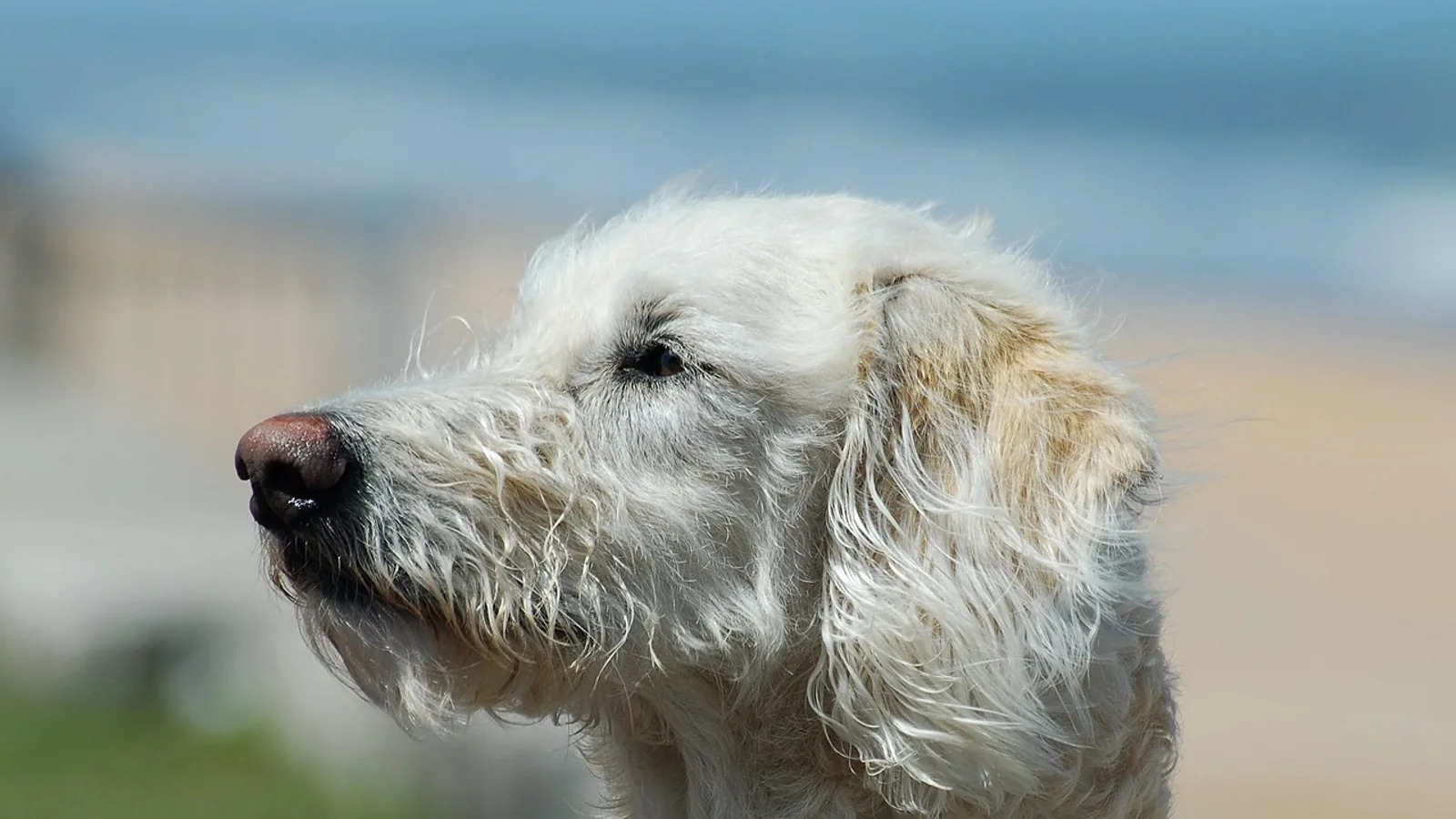
Poodle mixes are dogs produced by crossing a Poodle with another breed, most often a Labrador Retriever, Golden Retriever, Cocker Spaniel, Bernese Mountain Dog, or Maltese. They are crossbreeds, not recognized breeds, and that single fact shapes everything else about them: size, coat type, temperament, and health risks can vary widely between litters and even between puppies in the same litter. A Labradoodle is not a fixed animal the way a Labrador Retriever is. It is a cross, and the outcome depends on which parent traits the puppies inherit.
That variability is the central story of doodle ownership. Poodle mixes have become some of the most popular dogs in the United States and the United Kingdom, largely because owners expect a hypoallergenic, low-shedding companion with the friendly temperament of the non-Poodle parent [1]. Those expectations are only partly supported by evidence. Genetic analysis of the Australian Labradoodle shows the breed is predominantly Poodle at the DNA level and is enriched for Poodle-type coat variants, which breeders associate with hypoallergenicity, but the same analysis found that other breeds contributed to the gene pool and that the coat outcome is not guaranteed [2]. A recent large study of Cockapoos, Labradoodles, and Cavapoos found that these crosses did not have consistently better health than their purebred parent breeds. In 86.6% of health comparisons, the odds of a given disorder did not differ significantly between the cross and its parent breeds, and the crosses actually had higher odds for 7.0% of the disorders studied [3].
This article covers what poodle mixes are, the most common crosses, their coat and grooming demands, their exercise and training needs, and the inherited health problems that owners and veterinarians should watch for. It also covers how to find a responsible source and who should think twice before bringing a doodle home.
This article is educational and is not a substitute for veterinary diagnosis or treatment.
At a Glance
Poodle mixes are not a single breed, so any table can only describe general tendencies. The figures below reflect the typical range across the common crosses and the parent breeds. Individual dogs can fall outside these ranges, sometimes substantially.
| Trait | Typical range across common poodle mixes |
|---|---|
| Height | 8 to 26 inches at the shoulder, depending on cross and Poodle size (Toy, Miniature, or Standard) |
| Weight | 5 to 90 pounds, depending on cross and Poodle size |
| Coat | Curly, wavy, or straight, often within the same litter |
| Shedding | Variable. Poodle-type coats shed less, straight coats shed more |
| Lifespan | Roughly 10 to 15 years, with larger crosses generally shorter |
| Energy level | Moderate to high, highest in Labrador and Golden Retriever crosses |
| Grooming | High. Most doodles need professional grooming every 4 to 8 weeks |
| Trainability | Generally high, though behavior varies by cross and individual |
| Good with children | Often yes, but not guaranteed. Behavior varies by individual [4] |
| Good with other pets | Variable. Early socialization matters |
| Common health concerns | Hip dysplasia, Addison's disease, sebaceous adenitis, progressive retinal atrophy, ear infections, allergies |
The health column is the one owners most often underestimate. A doodle inherits risk from both sides of its family tree, and the Poodle side carries several well-documented conditions.
What Poodle Mixes Are, and What They Are Not
A poodle mix is a deliberate cross between a Poodle and another purebred dog. The result is sometimes called a designer crossbreed, a poodle hybrid, or a doodle. None of these terms describe a breed in the formal sense. The American Kennel Club and similar registries do not recognize Labradoodles, Goldendoodles, Cockapoos, Bernedoodles, or Maltipoos as breeds. They are crosses.
This distinction matters for three practical reasons.
First, there is no breed standard. A breed standard is a written description of what a breed should look like and act like. Without one, there is no shared expectation for size, coat, or temperament. Two Labradoodles from different litters can look and behave like different types of dog.
Second, there is no closed gene pool with predictable inheritance. When you cross two breeds, the puppies inherit a random mix of genes from each parent. A puppy may inherit mostly Poodle traits, mostly non-Poodle traits, or a blend. This is why coat type, size, and temperament can differ within a single litter.
Third, health risk is inherited from both parent breeds. A doodle does not escape the genetic conditions carried by Poodles, Labradors, Golden Retrievers, Cocker Spaniels, Bernese Mountain Dogs, or Maltese. It can inherit conditions from either side.
The Hybrid Vigor Question
Many owners choose a doodle expecting better health than a purebred dog, a concept often called hybrid vigor. The evidence for a strong hybrid vigor effect in dogs is limited. A large UK study compared Cockapoos, Labradoodles, and Cavapoos with their purebred parent breeds across 57 common disorders. The odds of a disorder did not differ significantly between the cross and its parent breeds in 86.6% of comparisons. The crosses had higher odds for 7.0% of disorders and lower odds for the remainder [3]. In other words, crossing a Poodle with another breed does not reliably produce a healthier dog. It produces a dog with a different, and not necessarily smaller, set of risks.
A separate study of behavior reached a similar conclusion. Comparing Cockapoos, Labradoodles, and Cavapoos with their parent breeds across 12 behavior scales, the crosses showed more undesirable behaviors than a parent breed in 44.4% of comparisons and fewer in 9.7%, with no difference in the remaining 45.8%. Cockapoos displayed the most undesirable behaviors of the three crosses studied [4]. This does not mean doodles are badly behaved. It means the popular belief that crosses are automatically easier to train or better with children is not supported by the data.
History and Purpose of Doodle Breeding
The modern doodle movement began with the Labradoodle, developed in Australia in the late twentieth century as a guide dog candidate for people with allergies. The idea was to combine the trainability and temperament of the Labrador Retriever with the low-shedding Poodle coat. The concept spread, and by the 2010s, Goldendoodles, Cockapoos, Bernedoodles, Maltipoos, and dozens of other combinations had become common.
Genetic analysis of the Australian Labradoodle shows how the breed actually developed. Using a dense panel of genetic markers, researchers found that breeds other than the Poodle and Labrador Retriever contributed to the Australian Labradoodle, but that the breed is predominantly Poodle at the genetic level. All Poodle sizes (Toy, Miniature, and Standard) contributed to its construction. The breed is enriched for variants associated with a Poodle-like coat, which breeders perceive as linked to hypoallergenicity, and shows little enrichment for Labrador-specific alleles [2]. In plain terms, the Australian Labradoodle is more Poodle than Labrador in its DNA, and its coat is a Poodle-type coat.
That finding has a practical implication. If a doodle is mostly Poodle genetically, it will tend to inherit Poodle health risks and Poodle grooming needs. Owners who expect a Labrador coat and a Labrador exercise tolerance may be surprised.
The demand side of the story is also documented. A UK study of puppy acquisition found that perceived hypoallergenicity was cited as a motivator by almost half of designer crossbreed owners (47.1%), six times more than purebred dog owners (7.86%). Designer crossbred puppies were more likely to be acquired through general selling websites or animal-specific selling websites than purebred puppies, and their owners were less likely to see the puppy in person before purchase [1]. That pattern, buying a puppy you have not met from an online listing, is a risk factor for both health problems and behavioral surprises.
The Most Common Poodle Mixes
The table below summarizes the popular crosses. Size depends heavily on whether the Poodle parent is Toy, Miniature, or Standard, so ranges are wide.
| Cross | Parent breeds | Typical size | Typical coat | Typical temperament | Health risks to watch |
|---|---|---|---|---|---|
| Labradoodle | Labrador Retriever x Poodle | 50 to 90 lb (Standard), 15 to 30 lb (Miniature) | Curly to wavy, low to moderate shedding | Friendly, energetic, social | Hip dysplasia, Addison's disease, sebaceous adenitis, progressive retinal atrophy, ear infections |
| Goldendoodle | Golden Retriever x Poodle | 50 to 90 lb (Standard), 15 to 35 lb (Miniature) | Curly to wavy, low to moderate shedding | Friendly, eager to please, energetic | Hip dysplasia, Addison's disease, sebaceous adenitis, progressive retinal atrophy, allergies |
| Cockapoo | Cocker Spaniel x Poodle | 12 to 25 lb | Wavy to curly, low to moderate shedding | Affectionate, social, sometimes sensitive | Hip dysplasia, Addison's disease, progressive retinal atrophy, ear infections, allergies |
| Bernedoodle | Bernese Mountain Dog x Poodle | 70 to 90 lb (Standard), 20 to 50 lb (Miniature) | Wavy to curly, moderate shedding | Gentle, calm, affectionate | Hip dysplasia, Addison's disease, sebaceous adenitis, progressive retinal atrophy, bloat |
| Maltipoo | Maltese x Poodle | 5 to 20 lb | Curly to wavy, low shedding | Affectionate, lively, sometimes vocal | Addison's disease, progressive retinal atrophy, dental disease, ear infections |
The health risks listed are those documented in the Poodle and the non-Poodle parent breed. A given dog may inherit none, some, or all of them. Genetic testing and screening of the parents reduce but do not eliminate risk.
Labradoodle
The Labradoodle is the original doodle. It combines the Labrador Retriever, a large, energetic, food-motivated sporting breed, with the Poodle. The Australian Labradoodle is a distinct development with its own breeding history and is predominantly Poodle at the genetic level [2]. The temperament is typically friendly and outgoing, with high energy needs. Because the Labrador side is prone to hip dysplasia and the Poodle side carries risk for Addison's disease, sebaceous adenitis, and progressive retinal atrophy, both sides of the pedigree matter.
Goldendoodle
The Goldendoodle crosses the Golden Retriever with the Poodle. Golden Retrievers are known for a friendly, eager-to-please temperament, and the cross often inherits that. Energy needs are high, especially in Standard-sized dogs. The health profile resembles the Labradoodle's, with hip dysplasia from the Golden Retriever side and Poodle-associated conditions from the other. Golden Retrievers also have a high rate of certain cancers, which is worth discussing with a veterinarian when evaluating a pedigree.
Cockapoo
The Cockapoo is one of the oldest Poodle crosses, dating back decades before the modern doodle boom. It crosses the Cocker Spaniel with the Poodle, usually a Toy or Miniature. The result is a small to medium dog with a wavy to curly coat. Cockapoos are affectionate and social, but the behavior study found they displayed the most undesirable behaviors of the three crosses studied, differing from both Cocker Spaniels and Poodles in 16 of 24 comparisons and scoring worse in all of them [4]. Cocker Spaniels carry risk for ear infections and skin allergies, and the Poodle side contributes Addison's disease and progressive retinal atrophy risk.
Bernedoodle
The Bernedoodle crosses the Bernese Mountain Dog with the Poodle. Bernese Mountain Dogs are large, gentle, and calm, and the cross often inherits a relaxed temperament. Standard Bernedoodles are large dogs with substantial exercise needs and a shorter lifespan than smaller crosses. Bernese Mountain Dogs are prone to hip dysplasia and bloat, and the Poodle side contributes Addison's disease, sebaceous adenitis, and progressive retinal atrophy risk. The combination of large size and Poodle coat means grooming is a significant commitment.
Maltipoo
The Maltipoo crosses the Maltese with a Toy or Miniature Poodle. It is a small companion dog with a soft, curly to wavy coat and low shedding. Maltipoos are affectionate and lively, and some are vocal. Small breeds carry risk for dental disease, and the Maltese side contributes to that. The Poodle side contributes Addison's disease and progressive retinal atrophy risk. Because Maltipoos are small and often kept as lap dogs, owners sometimes under-exercise them.
Other Poodle Crosses
Beyond the five above, poodle mixes include the Cavapoo (Cavalier King Charles Spaniel x Poodle), the Schnoodle (Schnauzer x Poodle), the Yorkipoo (Yorkshire Terrier x Poodle), and the Sheepadoodle (Old English Sheepdog x Poodle). A poodle hound mix, such as a Beagle x Poodle or Basset Hound x Poodle, is also possible, though less common. The principles in this article apply to all of them: the cross inherits traits and risks from both parent breeds, and the outcome is not predictable from the label alone.
Coat Types and Grooming Needs
Coat is the trait owners ask about most, and it is the trait most likely to disappoint. A poodle mix can have a curly coat, a wavy coat, or a straight coat. All three can appear in the same litter. The coat type determines shedding, matting risk, and grooming frequency.
Curly Coats
A curly coat resembles the Poodle parent's coat. It sheds less than a straight coat but mats easily if not brushed regularly. Curly-coated doodles typically need professional grooming every 4 to 6 weeks and brushing several times per week. The tight curl traps loose hair, which is why the coat sheds less into the environment but forms mats against the skin.
Wavy Coats
A wavy coat is a middle ground. It sheds moderately and mats less than a curly coat but still needs regular brushing and professional grooming, usually every 6 to 8 weeks. Many Goldendoodles and Labradoodles have wavy coats.
Straight Coats
A straight coat resembles the non-Poodle parent. It sheds more, sometimes heavily, and may not be low-allergen at all. A straight-coated doodle may shed like a Labrador or Golden Retriever. Owners who chose a doodle specifically for low shedding can be surprised by a straight-coated puppy.
Grooming Basics
Regardless of coat type, most poodle mixes need:
- Brushing several times per week to prevent mats
- Professional grooming every 4 to 8 weeks, depending on coat type
- Ear cleaning, because floppy or hairy ears trap moisture and predispose to infection
- Nail trimming every 3 to 4 weeks
- Bathing as needed, not excessively, to avoid stripping skin oils
Mats are not just cosmetic. They pull on the skin, cause pain, and can hide skin infections. A matted coat often needs to be shaved down, which is stressful for the dog and expensive for the owner.
Temperament and Behavior
Temperament in a poodle mix depends on which parent traits the puppy inherits and on early socialization and training. The popular belief that doodles are uniformly easy to train, good with children, and good with other pets is not supported by the behavior data. In the UK study comparing Cockapoos, Labradoodles, and Cavapoos with their parent breeds, the crosses showed more undesirable behaviors than a parent breed in 44.4% of comparisons and fewer in 9.7% [4]. Cockapoos in particular scored worse than both Cocker Spaniels and Poodles on multiple behavior scales.
This does not mean doodles are difficult dogs. It means behavior is individual, and the label does not guarantee a temperament. Prospective owners should meet the puppy's parents if possible, ask about the parents' temperaments, and plan for puppy socialization classes and obedience training regardless of the cross.
Common temperament tendencies by cross:
- Labradoodle and Goldendoodle: friendly, energetic, social, often food-motivated
- Cockapoo: affectionate, social, sometimes sensitive or anxious
- Bernedoodle: gentle, calm, affectionate, especially in the larger sizes
- Maltipoo: affectionate, lively, sometimes vocal
Exercise and Training Needs
Exercise needs track the size and the non-Poodle parent. A Standard Labradoodle or Goldendoodle needs substantial daily exercise, often an hour or more of activity. A Maltipoo needs much less, but still benefits from daily walks and play. A Bernedoodle falls in between, with the larger sizes needing more.
Training needs are similar across crosses. Poodles are highly trainable, and most doodles inherit that. Early socialization, before 16 weeks of age, is important for all puppies. Basic obedience training builds a foundation for managing the energy and independence that some crosses inherit from the sporting or working parent breed.
Mental stimulation matters as much as physical exercise. Puzzle toys, scent work, and training games reduce boredom, which is a common cause of destructive behavior in under-exercised dogs.
Feeding Considerations
Feeding a poodle mix is not fundamentally different from feeding any dog of similar size and activity level. The key variables are body condition, life stage, and any diagnosed health condition.
- Puppies need a diet formulated for growth, fed in measured meals rather than free-fed.
- Adults need a maintenance diet appropriate to their size and activity. Large crosses such as Standard Bernedoodles and Labradoodles have different calorie needs than a Maltipoo.
- Body condition scoring, feeling the ribs and assessing the waist from above, is a better guide than the number on the bag.
- Overweight dogs have higher rates of joint disease, diabetes, and other problems. Keeping a doodle lean is one of the most effective things an owner can do.
Poodles have a documented higher risk of diabetes mellitus. A study of Australian dogs attending primary care clinics found that all types of Poodles had significantly higher odds of diabetes mellitus compared with the reference group, with an odds ratio of 3.41 [5]. This does not mean every poodle mix will develop diabetes, but it is a reason to monitor weight, thirst, and urination and to raise any changes with a veterinarian.
Inherited and Common Health Problems
Poodle mixes inherit health risks from both parent breeds. The conditions below are the ones most relevant to Poodle crosses.
Hip Dysplasia
Hip dysplasia is a developmental condition in which the hip joint does not form properly, leading to pain, lameness, and arthritis. It is common in Labrador Retrievers, Golden Retrievers, and Bernese Mountain Dogs, all of which are frequently crossed with Poodles. Poodles themselves can also be affected. Screening of breeding dogs with hip radiographs reduces but does not eliminate the risk. Owners of large crosses should watch for stiffness after rest, reluctance to jump, and changes in gait.
Addison's Disease
Addison's disease, or hypoadrenocorticism, is a condition in which the adrenal glands do not produce enough cortisol and aldosterone. It is documented in Poodles and in several of the breeds crossed with them. Signs include lethargy, vomiting, diarrhea, weight loss, and sometimes collapse. Addison's disease can be managed with lifelong medication, but it requires veterinary diagnosis and monitoring. It is one of the Poodle-associated conditions that owners of poodle mixes should be aware of.
Sebaceous Adenitis
Sebaceous adenitis is an inflammatory skin disease that destroys the sebaceous glands, leading to dry, scaly, hairless patches and a dull coat. It is documented in Poodles and is a recognized risk in Poodle crosses. Diagnosis usually requires a skin biopsy. Treatment is lifelong and focuses on managing the coat and skin.
Progressive Retinal Atrophy
Progressive retinal atrophy (PRA) is a group of inherited conditions that cause gradual degeneration of the retina and eventual blindness. It is documented in Poodles and in several of the breeds crossed with them. DNA testing of breeding dogs for known PRA mutations is available and reduces the risk of producing affected puppies. Owners should ask breeders about PRA testing.
Ear Infections
Poodle mixes often inherit floppy or hairy ears from the non-Poodle parent, and Poodles have hair growth in the ear canal. Both factors trap moisture and predispose to ear infections. Signs include head shaking, scratching at the ears, redness, and odor. Regular ear checks and cleaning help prevent infections.
Allergies and Skin Disease
Allergies are common in Cocker Spaniels, Golden Retrievers, and Labrador Retrievers, and the Poodle side also carries skin disease risk. Allergic skin disease causes itching, redness, recurrent ear infections, and hair loss. Management is often lifelong and may include diet changes, medication, and regular veterinary care.
Diabetes Mellitus
Poodles have a documented higher risk of diabetes mellitus, with an odds ratio of 3.41 in one large Australian primary care study [5]. Poodle mixes may inherit this risk. Signs include increased thirst, increased urination, weight loss despite a good appetite, and lethargy. Early diagnosis improves outcomes.
Other Conditions to Discuss With a Veterinarian
Depending on the cross, other conditions may be relevant. Bernese Mountain Dogs are prone to bloat, a life-threatening emergency in which the stomach twists. Golden Retrievers have a high rate of certain cancers. Small crosses such as Maltipoos are prone to dental disease. Owners should discuss the specific parent breeds in their dog's pedigree with a veterinarian.
Screening Tests
Responsible breeders screen breeding dogs for inherited conditions. Screening that is relevant to poodle mixes includes:
- Hip radiographs for hip dysplasia
- DNA testing for progressive retinal atrophy
- DNA testing and clinical screening for Addison's disease where available
- Skin biopsy or clinical screening for sebaceous adenitis
- Eye examinations by a veterinary ophthalmologist
Screening reduces risk but cannot guarantee a puppy will be free of a condition. Owners should ask to see screening results for both parents.
Lifespan
Poodle mixes generally live 10 to 15 years, with larger crosses tending toward the shorter end and smaller crosses toward the longer end. Lifespan is influenced by genetics, body size, body condition, dental care, and preventive veterinary care. Keeping a dog lean, providing regular exercise, maintaining dental health, and keeping vaccinations and parasite prevention current all support a longer, healthier life.
How to Find a Responsible Breeder or Rescue
The evidence on how designer crossbreed puppies are acquired is not encouraging. A UK study found that designer crossbred puppies were more likely to be acquired through general selling websites or animal-specific selling websites than purebred puppies, and their owners were less likely to see the puppy in person before purchase [1]. Buying a puppy you have not met, from a seller you cannot visit, increases the risk of health problems, behavioral problems, and heartbreak.
A responsible source, whether a breeder or a rescue, will:
- Let you meet the puppy and at least one parent in person
- Provide health screening results for both parents
- Explain the puppy's vaccination, deworming, and socialization history
- Ask you questions about your home, lifestyle, and experience
- Offer to take the dog back if your circumstances change
- Not pressure you to buy on the spot
Rescue organizations also place poodle mixes. Many doodles end up in rescue because owners underestimated grooming costs, exercise needs, or the dog's size. Adopting an adult doodle can be a good option for owners who want to know the dog's adult size, coat, and temperament in advance.
Who Should Not Get a Poodle Mix
A poodle mix is not the right dog for everyone. Consider a different breed or cross if:
- You cannot commit to professional grooming every 4 to 8 weeks and brushing several times per week.
- You want a guaranteed low-shedding or hypoallergenic dog. Coat type varies, and no cross guarantees it.
- You need a predictable adult size. A puppy's adult size depends on which parent traits it inherits.
- You have limited time for exercise. Labradoodle and Goldendoodle crosses in particular need substantial daily activity.
- You want a dog with a fixed breed standard and predictable temperament.
- You are not prepared for the possibility of inherited health conditions such as hip dysplasia, Addison's disease, sebaceous adenitis, or progressive retinal atrophy.
Limitations and When to Contact a Veterinarian
This article describes general tendencies across poodle mixes. Individual dogs vary, and a veterinarian who examines your dog can give advice specific to its size, coat, age, and health history.
Contact a veterinarian promptly if your poodle mix shows any of the following:
- Persistent vomiting, diarrhea, or loss of appetite
- Increased thirst or urination, which can indicate diabetes mellitus
- Lethargy, weakness, or collapse, which can indicate Addison's disease
- Stiffness, lameness, or reluctance to move, which can indicate joint disease
- Dry, scaly, or hairless patches on the skin, which can indicate sebaceous adenitis or other skin disease
- Head shaking, ear scratching, redness, or odor, which can indicate an ear infection
- Vision changes, bumping into objects, or reluctance to move in dim light, which can indicate progressive retinal atrophy
- A distended abdomen, unproductive retching, or restlessness, which can indicate bloat and is an emergency
Routine wellness visits, dental care, parasite prevention, and vaccinations are the foundation of preventive care for any poodle mix. Your veterinarian can tailor a schedule to your dog's age, lifestyle, and risk factors.
Frequently Asked Questions
Are poodle mixes hypoallergenic?
No cross is guaranteed hypoallergenic. Coat type varies, and a straight-coated doodle may shed heavily. The belief that doodles are hypoallergenic is the most common reason owners choose them, but it is not supported as a certainty [1].
Is a poodle mix a recognized breed?
No. Labradoodles, Goldendoodles, Cockapoos, Bernedoodles, and Maltipoos are crossbreeds, not recognized breeds. There is no breed standard, so size, coat, and temperament vary.
Which poodle mix is the cutest doodle?
Cuteness is subjective. The more useful question is which cross fits your home. A Maltipoo suits a small-space owner, while a Standard Bernedoodle needs more room and exercise.
Do poodle mixes shed?
It depends on the coat. Curly and wavy coats shed less. Straight coats can shed heavily, like the non-Poodle parent.
Are poodle mixes healthier than purebred dogs?
Not reliably. In a large study, the odds of a disorder did not differ significantly between three common doodle crosses and their parent breeds in 86.6% of comparisons, and the crosses had higher odds for 7.0% of disorders [3].
What health problems are common in poodle mixes?
Hip dysplasia, Addison's disease, sebaceous adenitis, progressive retinal atrophy, ear infections, allergies, and diabetes mellitus are the main concerns, depending on the cross.
How often do poodle mixes need grooming?
Most need professional grooming every 4 to 8 weeks and brushing several times per week. Curly coats need more frequent grooming than wavy coats.
Are poodle mixes good with children?
Often yes, but not guaranteed. Behavior varies by individual, and the data do not support the belief that crosses are automatically better with children than purebred dogs [4].
Related Articles
- 50 Cutest Dog Breeds in the World (With Photos & Vet Care Guide)
- cutest dog breeds photos directory
- Cat Breeds: How to Choose a Cat by Care Needs, Health, and History
- Poodle Lifespan Diet and Preventive Care Guide
- Poodle Health Guide: Genetic Risks, Joint Care & Lifespan
- Poodle Dog Breed: Varieties, History, Temperament, Health Records, Grooming, and Home Fit
- Bluetick Coonhound: Traits, Health, and Care Needs
- Mutt Dog Health: Why Mixed Breeds Still Need Screening
Further Reading
Sources
- How much is that doodle in the window? Exploring motivations and behaviours of UK owners acquiring designer crossbreed dogs (2019-2020).
- Genetic analysis of the modern Australian labradoodle dog breed reveals an excess of the poodle genome.
- The doodle dilemma: How the physical health of 'Designer-crossbreed' Cockapoo, Labradoodle and Cavapoo dogs' compares to their purebred progenitor breeds.
- Comparing undesirable behaviours between 'designer' Poodle-cross dogs and their purebred progenitor breeds.
- Epidemiological study of dogs with diabetes mellitus attending primary care veterinary clinics in Australia.